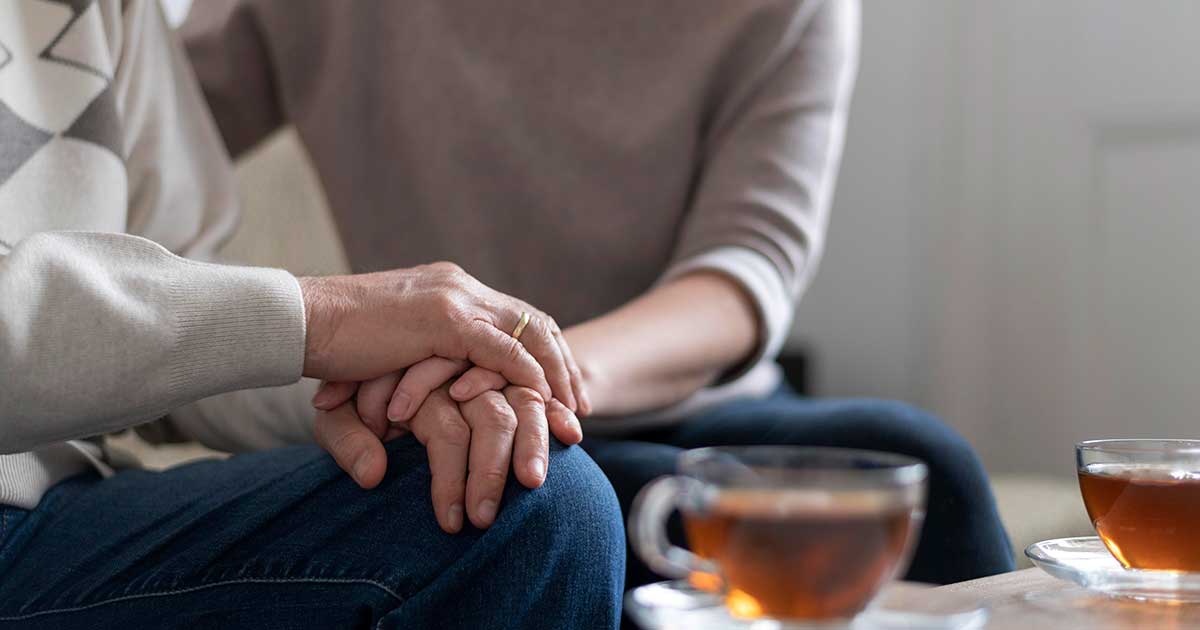
Understanding what causes codependency can be a game-changer for many! Have you noticed patterns in your relationships that seem off? Codependency often involves an excessive emotional or psychological reliance on someone else. It might sound familiar when you feel overly responsible for another’s happiness, or constantly compromise your own needs. If you’ve ever felt like you’re stuck in a cycle where you give more than you receive, this article is for you!
So, what’s really behind these behaviors? When we explore the roots of codependency, we uncover a complex web of emotional dependence that can sprout from various life experiences and relationships. From childhood dynamics to adult partnerships, understanding these roots is crucial for anyone seeking healthier connections. Are you ready to dive into the nuances of this emotional condition? Let’s break it down step by step!
Defining Codependency: Key Traits and Behaviors
When talking about codependency, it’s crucial to zero in on its defining traits and behaviors. This emotional state isn’t just about dependence; it’s a blend of anxiety, neediness, and often neglecting your own needs for the sake of someone else. Sound familiar? You might find yourself constantly seeking approval or feeling responsible for another person’s feelings. How can we break free from these chains?
One key trait of codependency is the overwhelming need to please others, sometimes at the cost of your own happiness. This can lead to an unhealthy cycle where you put someone else’s needs above your own, expecting nothing but pain in return. It’s like being on a merry-go-round you can’t get off! Ask yourself: are you always trying to fix someone else’s problems while ignoring your own?
Another behavior often seen in codependency is the struggle with setting boundaries. If you find it hard to say no or feel guilty when you do, it’s a red flag! Codependents typically fear rejection or abandonment and often resort to people-pleasing behaviors just to keep the peace. This can create a pattern of emotional upheaval and leave you feeling drained. Don’t you want to reclaim your energy and sense of self?
- Constantly prioritizing someone else’s needs over yours.
- Feeling responsible for other people’s happiness.
- Difficulty in setting healthy boundaries.
Understanding these traits is crucial in grasping what causes codependency. By recognizing these behaviors, you can start to shift the focus back to yourself, fostering healthier relationships. It’s not selfish to take care of your own needs! Instead, it’s a vital step toward emotional independence.

Exploring the Psychological Roots of Codependency
Understanding the psychological roots of codependency can be quite a revelation! It often stems from deep-seated emotional patterns which have been forming since childhood. Have you ever thought about how your past experiences shape the way you connect with others? This pattern can manifest as an overwhelming need to please others at the expense of your own needs, which is a hallmark of codependency.
One of the key psychological elements of codependency is low self-esteem. People who struggle with codependency may feel that their worth is tied to how much they can help or support others. If you find yourself constantly seeking validation through others’ approval, it might be worth exploring this connection a little deeper. By recognizing this, you can begin to flip the script and work on building a healthier sense of self-worth!
Another fascinating aspect is the fear of abandonment. Codependent individuals often have a dread of being alone or losing those they depend on for emotional support. This fear can drive them to go to great lengths to maintain relationships, even if it’s unhealthy. How often have you worried about being left behind, pushing you to cling even tighter to relationships? Understanding this fear is a crucial step toward healing!
- The role of early trauma in shaping later relationships.
- How learned behaviors from parents can create similar dynamics in adulthood.
- The impact of societal pressures on emotional dependence.
Recognizing these psychological roots can be a game changer in your journey. By addressing the issues at their core, not only can you understand what causes codependency, but you can also learn to break free from its chains. Imagine the joy of finding independence and having fulfilling relationships without the crutch of codependency! Unlocking this understanding opens up amazing possibilities for personal growth!
The Role of Family Dynamics in Codependence Formation
Family dynamics play a huge role in shaping our behaviors and emotional responses, including codependence. When you think about it, the environment we grow up in often sets the stage for how we connect with others. Have you ever noticed how certain patterns repeat in families? These patterns can significantly contribute to developing codependent traits.
In many families, roles are established early on, and individuals may feel pressured to fulfill expectations. For example, one sibling may become the caretaker, always needing to put others first. This tendency can lead to codependency, where emotional balance becomes skewed. Isn’t it fascinating how much influence family can have on our relationships?
Moreover, communication styles within the family also impact intimacy and dependency. Families where open dialogue is encouraged often foster healthier boundaries, while those that suppress feelings might end up breeding codependency. The need for approval from family members can push individuals to prioritize others’ needs over their own, causing a cycle of emotional entanglement. It’s a cycle that can be hard to break!
In a nutshell, families that promote unconditional love and support can help ward off codependent traits. But when love is conditional or laced with expectations, it could very well set the stage for codependence. Wondering how your family dynamics measure up? Reflecting on how your upbringing has shaped you can be the first step towards understanding your current relationships.
- Conditional love leading to dependency on approval
- Roles that enforce caretaking and sacrifice
- Communication styles that discourage openness
Recognizing these patterns is essential in understanding what causes codependency. By identifying these family influences, you can begin the journey to healthier relationships where both partners can thrive without losing their sense of self. ️ Understanding these origins is the first step towards emotional independence!
How Past Trauma Contributes to Codependent Relationships
Have you ever felt like you need to take care of someone else to feel whole? That’s a pretty common experience for those with a history of past trauma. Trauma can cast a long shadow over our relationships, often leading us to form codependent bonds. When we’ve faced challenges or hardships, we might develop these deep-rooted behaviors in our relationships as a way to cope.
In fact, trauma can disrupt our ability to form healthy emotional connections. It’s true! Oftentimes, we subconsciously seek out relationships where we can be the caretaker, hoping that by doing so, we’ll feel loved or valued. Isn’t it fascinating how our past shapes our present? The cycle continues, and we can find ourselves stuck in a pattern where our self-worth is tied to someone else’s happiness.
Imagine being trapped in a loop where your emotional health is dependent on another person’s feelings! This can lead to significant distress and dissatisfaction in our relationships. Traumatic experiences can leave us feeling vulnerable, making codependent behaviors seem like a safe option. However, relying heavily on others makes it hard to build our self-esteem. So, how do we break out of this pattern?
- Recognize the triggers from past trauma.
- Learn to set healthy boundaries.
- Practice self-love and self-care.
- Engage in open communication with partners.
By understanding how your past trauma contributes to these codependent relationships, you can begin to reclaim your independence. It’s a process of healing, where you learn to break free from those old patterns and build healthier connections! Have you thought about what steps you can take to navigate this road to recovery? The journey may not be easy, but with some insight and effort, it’s totally doable!
Identifying Attachment Styles and Their Impact on Codependency
Understanding attachment styles is crucial because they play a significant role in how we interact with others, especially in relationships. Did you know that our early attachments with caregivers can shape our adult relationships? If you often find yourself clinging to partners or feeling anxious when they’re not around, you might be experiencing the effects of a specific attachment style related to codependency.
There are four main attachment styles: secure, anxious, avoidant, and disorganized. Each has its own impact on how we view relationships and ourselves. Secure attachment leads to healthy boundaries and mutual respect, while anxious attachment can cause someone to overly rely on others for validation. This is often where codependency sneaks in, making you feel like your self-worth is tied to someone else’s approval. Can you relate?
Avoidant attachment, on the other hand, can lead to emotional distance, causing partners to feel neglected and unvalidated. Meanwhile, those with a disorganized attachment style may even swing between clinginess and avoidance, creating a tumultuous path for themselves and their partners. It’s totally understandable to feel overwhelmed by these patterns! Recognizing which style resonates with you can be the first step to breaking free from codependent behaviors.
Why Attachment Styles Matter
So, why does this matter when discussing what causes codependency? Well, identifying your attachment style allows you to see how it’s influencing your relationships. Are you constantly seeking emotions from your partner? Or perhaps you’ve been distancing yourself, fearing vulnerability? Understanding these behaviors can pave the way toward healthier, more balanced relationships.
Breaking free from codependency isn’t about changing who you are—it’s about growing into a more authentic version of yourself! Consider reflecting on your attachment style and its effects. Have you noticed patterns that might be holding you back? It’s time to embrace self-reflection and initiate change. Igniting change in your relationships can be both exciting and liberating!

The Influence of Societal Norms on Codependent Behaviors
Societal norms play a huge role in shaping our behaviors, and codependency is no exception. Often, we find ourselves conforming to societal expectations about relationships and emotional support, which can lead to unhealthy patterns of dependence. Ever notice how our culture often glorifies self-sacrifice and putting others’ needs above our own? This perception can easily pave the way for codependent behaviors without us even realizing it!
Think about it: from movies to social media, we’re bombarded with the idea that love means losing ourselves for the sake of others. This pressure can make it difficult to establish healthy boundaries, turning our relationships into a cycle of dependency rather than mutual support. Isn’t it wild how a simple movie plot can influence our real-life choices?
- Feeling responsible for others’ emotions.
- Prioritizing others’ needs above your own.
- Struggling to make decisions without input from others.
Moreover, societal messages can instill a fear of loneliness. We might feel pressured to stay in dysfunctional relationships due to the stigma around being single or alone. This not only perpetuates codependent behaviors but can also hinder personal growth. Imagine missing out on self-discovery just so you don’t have to face a few awkward dinner parties!
The key to breaking free from these societal chains is awareness and self-acceptance. When we recognize these influences, we can start to challenge them. Ask yourself, are you acting out of fear or genuine love? By developing a healthy sense of self-worth, we can redefine what love looks like—not as a dependency, but as a partnership where both individuals thrive. How refreshing would that be?
Common Questions
What is the root cause of codependency?
The root cause of codependency often stems from an individual’s early experiences and relationships, particularly within the family context. Many codependent individuals grew up in environments where emotional support was inconsistent or conditional, leading them to develop a strong need to please others and seek validation. This dynamic can result in a lack of self-esteem and an inability to recognize or prioritize one’s own needs, fostering a reliance on others for emotional sustenance.
What kind of trauma causes codependency?
Codependency is frequently linked to various forms of trauma, particularly relational trauma such as neglect, abandonment, or emotional abuse during formative years. Children who experience these types of trauma may learn to suppress their own emotions and needs in a quest for approval and love from caretakers. This unhealthy coping mechanism can then manifest in adulthood as codependent behaviors, characterized by an excessive focus on others at the expense of one’s own well-being.
What kind of parenting causes codependency?
Codependency can often be traced back to parenting styles that are overly controlling, neglectful, or inconsistent. For instance, parents who are emotionally unavailable may inadvertently teach their children to prioritize others’ emotions over their own, fostering a sense of worth that hinges on pleasing others. Alternatively, overly critical or enmeshed parenting can lead to a lack of personal boundaries, instilling a belief that one’s identity is tied to the approval of others, thus reinforcing codependent tendencies.
Can you heal codependency?
Yes, healing from codependency is entirely possible, and it generally involves recognizing and addressing the underlying issues that contribute to these behaviors. Therapeutic approaches, such as cognitive-behavioral therapy and group therapy, can be particularly effective in helping individuals build self-esteem, establish healthier boundaries, and develop a sense of self that is not predicated on others’ needs. Additionally, support from loved ones and self-help resources can facilitate recovery, allowing individuals to cultivate healthier relationships and a more balanced emotional state.
Recognizing Early Warning Signs of Codependency in Yourself
Recognizing the early warning signs of codependency in yourself can be transformative! It starts with a gut feeling or an inkling that maybe things aren’t quite right in your relationships. Often, the first clue is an overwhelming sense of responsibility for other people’s feelings and well-being. Do you find yourself putting their needs before your own? That’s one of the classic signs! This behavior can creep in slowly, making it tough to spot at first.
Another significant indication is that nagging feeling of fear or anxiety when you think about being alone or facing conflict. Are you constantly stressed about how others perceive you? If you’re often worried about not being liked or letting others down, it’s time to take a closer look. Remember, recognizing these signs isn’t a sign of weakness; it’s actually a huge step toward healing.
If you often sacrifice your own needs for the sake of keeping the peace, that’s a glaring red flag too. Codependency can manifest as feeling emotionally depleted or resentful, particularly if your efforts aren’t reciprocated. Imagine going out of your way to help someone, but they don’t show appreciation! Does it feel like a constant one-sided effort? You deserve better!
- You prioritize others’ needs over your own.
- You feel anxious about being alone.
- You struggle to assert yourself in relationships.
- You often seek validation from others.
Being aware of these early warning signs can empower you to make changes before things spiral out of control. It’s all about taking steps toward a healthier emotional landscape! So, what causes codependency may become less of a mystery when you start recognizing these patterns in yourself. Take heart; acknowledging them is the first step on the road to recovery!
Final Thoughts: What Causes Codependency?
Understanding the causes codependency can truly be a game changer for many individuals. As we’ve explored, codependency often has deep psychological roots, heavily influenced by family dynamics and past experiences. It’s fascinating to see how our early relationships shape our ability to connect with others in a healthy way. If you’ve ever felt trapped in a cycle of emotional dependence, knowing the signs can be the first step towards breaking free and healing.
This journey can be daunting, but knowledge is power! By acknowledging the underlying factors that contribute to codependent behaviors, you can pave the way to healthier connections. Remember, you’re not alone in this—many people are on a similar path. So, what’s holding you back from seeking support or making that change? It’s never too late to start focusing on your own well-being and emotional independence. Let’s embrace this chance to live fully and healthily!