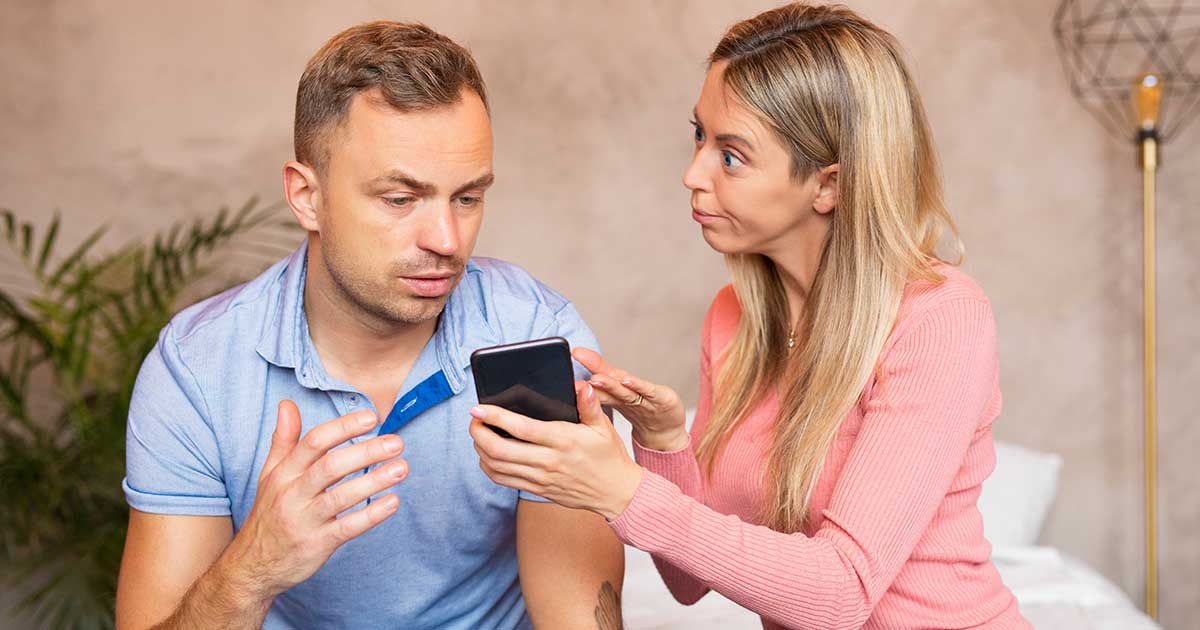
Compulsive cheating can turn a seemingly perfect relationship into a chaotic whirlwind of emotions! Have you noticed patterns in your or someone else’s romantic life that seem to spiral out of control? You’re not alone. Delving into the intricate world of compulsive cheating reveals a mix of psychological, emotional, and situational factors that often lie beneath the surface. This behavior doesn’t just hurt partners, it can lead to a profound sense of guilt, shame, and confusion that impacts both sides of the relationship.
Understanding the causes and effects of compulsive cheating is crucial for anyone wanting to find healing. It’s a more complex issue than simply a lack of fidelity—there’s a deeper narrative waiting to be uncovered. What drives individuals to engage in such actions? Is it unresolved trauma, a fear of intimacy, or something else entirely? By exploring these questions, we unlock a better understanding of this challenging behavior and highlight the importance of support and therapy. Let’s dig into this topic together and help illuminate a pathway toward recovery and healthier relationships!
Defining Compulsive Cheating: What Does It Mean?
Compulsive cheating is more than just a casual fling or a moment of weakness; it’s a serious behavior pattern that often leads to feelings of guilt and shame. But what exactly does it mean? At its core, compulsive cheating refers to an irresistible urge to cheat, regardless of the consequences. It can stem from a lack of impulse control, emotional struggles, or even underlying psychological issues. Isn’t it eye-opening how much deeper this topic goes?
Often, individuals who engage in compulsive cheating don’t do it for the typical reasons like dissatisfaction in their current relationship. Instead, it can be driven by a need for validation, excitement, or even escapism from deeper personal issues. Picture this: you’re feeling overwhelmed and instead of addressing those feelings, you find solace in a forbidden connection. Sound familiar?
This behavior can also be tied to psychological disorders, such as anxiety, depression, or low self-esteem. Those battling these issues might cheat compulsively to cope or to experience a thrill. The cycle can become exhausting and damaging, not just for the cheater but for their partner too. Understanding this concept is crucial in unpacking the whirlwind of emotions surrounding compulsive cheating.
- Compulsive behavior may stem from emotional distress.
- The need for validation can drive cheating.
- Underlying psychological issues often play a role.
Recognizing compulsive cheating as a pattern rather than a quick decision helps in understanding its impact on both individuals involved. Have you noticed any signs that might indicate someone you know is facing this struggle? Awareness is key, not just for individuals caught in this pattern but also for their partners who may be left feeling betrayed and confused.
Exploring Psychological Factors Behind Compulsive Cheating
Ever thought about what drives someone to engage in compulsive cheating? It’s not just about infidelity; it goes much deeper into our psyche! Compulsive cheating can stem from a variety of psychological factors that shape a person’s behavior. Understanding these underlying motivations can be eye-opening, not just for those affected, but for their partners as well.
Sometimes, individuals cheat not out of a desire to hurt their partner but as a way to cope with unresolved issues. For some, it’s linked to low self-esteem. Do you think a sense of inadequacy might push someone to seek validation outside their relationship? This form of validation can feel euphoric, momentarily filling the void and masking deeper emotional traumas.
On top of low self-esteem, other psychological factors like anxiety, depression, or even attachment issues can play a significant role. People with anxious attachment styles might cheat to receive attention or affirm their worth, leading to a perpetual cycle of seeking external validation. Isn’t it fascinating how intricately our emotions shape our actions?
Underlying Emotions: The Cheat’s Playground
Beneath the surface of compulsive cheating lies a tangled web of emotions. Feelings of loneliness, abandonment, or unfulfilled desires can push an individual toward euphoria found with someone else. Yet, this isn’t just about physical longing! Some might cheat seeking emotional connections they lack in their primary relationships. Have you ever noticed how emotions can drive some surprising behaviors?
- Low self-esteem and validation seeking
- Anxiety and fear of commitment
- Emotional emptiness and longing for connection
All these factors can intertwine, making it crucial to explore the root causes of compulsive cheating for anyone affected. Understanding these psychological dynamics is the first step towards meaningful change and healing in relationships.
How Compulsive Cheating Impacts Relationships and Trust
Compulsive cheating can have a devastating impact on relationships and trust. It’s more than just a moment of weakness; it’s a pattern that inflicts emotional pain on partners. If you’ve ever wondered how this behavior runs so deep, it often stems from underlying psychological issues or unmet needs. Understanding these effects is crucial for anyone navigating the turbulent waters of a relationship affected by this behavior.
When trust is broken, the very foundation of a relationship shakes. Trust isn’t just about fidelity; it’s the glue that holds two people together. When compulsive cheating occurs, partners can feel betrayed, unworthy, and often, stuck in a cycle of doubt. How can you rebuild that trust? It requires hard work and communication on both sides, and it’s essential to recognize that healing takes time. ⏳
Furthermore, the emotional fallout from compulsive cheating doesn’t just affect the person who’s been cheated on; it often leads to feelings of shame and guilt in the cheater too. This can create a toxic environment where both parties feel hurt and confined in their emotional responses. Ever felt like you’re going in circles trying to process your feelings? What can be done to break this cycle?
- Loss of trust and security in the relationship.
- Increased feelings of betrayal and resentment.
- Potentially leading to separation or divorce.
Navigating the aftermath of compulsive cheating demands open conversations and, at times, professional guidance. Partners must express their emotions honestly while also facing the uncomfortable truths behind the behavior. This process can be burdensome, but it’s also a chance for growth and understanding. Who knows? It might even lead to a stronger bond moving forward!
Recognizing Symptoms of Compulsive Cheating Behavior
Spotting the signs of compulsive cheating can feel like navigating a tricky maze. It’s important to recognize these symptoms so you can address the behavior effectively. One telltale sign is the frequent need for secrecy. If your partner (or even yourself) is constantly sneaking around or hiding their phone, this could be a red flag. Think about it: does it feel like there’s an invisible wall that keeps you from being fully open with each other?
Another symptom to look out for is emotional distance. When someone is engaging in compulsive cheating, they might retreat into themselves, leaving their partner feeling neglected or unimportant. Noticing a shift in emotional connection can be unsettling, right? It’s like the once vibrant colors of your relationship have suddenly dulled.
- Increased lying or making excuses for absences.
- An unwavering compulsion to seek out new partners.
- Recurrent feelings of guilt yet continuing the behavior.
Have you observed mood swings or emotional instability in yourself or your partner? This can often accompany compulsive cheating behavior. When someone’s lifestyle is filled with deception, it can drive them to feel high levels of stress and anxiety, which ultimately can lead to dramatic shifts in personality. Understanding these symptoms lays the groundwork for healing and recovery. So, keep an eye open and trust your gut instincts!

Effective Strategies for Overcoming Compulsive Cheating
Overcoming compulsive cheating is no small feat, but with the right strategies, it can definitely feel achievable! Understanding that compulsive cheating often stems from deeper psychological issues is the first step toward recovery. So, how do you tackle this head-on? Let’s dive into some effective strategies that can lead to positive change!
First up, self-reflection is crucial! Spend some time figuring out the underlying reasons that drive your compulsive behavior. Are you seeking validation? Is there a fear of intimacy? Jotting down your feelings can help clarify the emotions behind your actions. What triggers your urge to cheat? Recognizing these patterns is a golden step toward breaking them!
Next, consider setting clear and intentional goals. Whether it’s committing to honesty in your relationships or choosing to focus on self-improvement, having specific, achievable goals can be super motivating. Start small—maybe aim for a week of conscious effort before gradually increasing your commitments. Celebrate those little wins; they matter!
Another strategy is to engage in activities that promote positive social interactions. This could include joining a support group, attending workshops, or simply surrounding yourself with trustworthy friends. Positive connections can help build your self-esteem and shift your perspective. Plus, it’s much more fun to connect with others who support your journey!
Incorporate mindfulness and relaxation techniques into your daily routine. Stress often fuels compulsive behaviors, so practice meditation, yoga, or even simple breathing exercises. These methods can help ground you in the moment, making it easier to curb urges when they arise. Have you tried mindfulness before? It can be a game changer!
Finally, don’t hesitate to reach out for professional help! A therapist who specializes in compulsive behaviors can provide tailored strategies and support. Remember, seeking help is a sign of strength, not weakness. You’ve got this!
Seeking Professional Help for Compulsive Cheating Issues
Finding yourself in a cycle of compulsive cheating can feel overwhelming, and you’re not alone! Many people struggle with the urge to cheat, despite wanting to be in a committed relationship. It’s crucial to understand that reaching out for professional help can be a powerful step toward recovery. It’s not just about the actions, but the emotions and patterns underlying those actions that need addressing.
What if I told you that seeking out a therapist or counselor who specializes in compulsive cheating can open up new avenues for understanding your behavior? These professionals can help you navigate through feelings of guilt, shame, and overwhelming urges. Maybe you’ve tried talking it out with friends, but let’s face it—they might not have the tools to dig deep into those complex emotions like a trained pro would!
Therapy options may include Cognitive Behavioral Therapy (CBT), which focuses on identifying and changing negative thoughts and behaviors. Or you might find individual or group counseling beneficial. Both approaches create a safe environment for you to explore your behaviors without judgment. Isn’t it exciting to think that anyone can learn more about themselves and start a healing journey?
- Enhanced self-awareness about cheating triggers
- Tools to build trust in relationships
- Skills for improved emotional regulation
Moreover, joining support groups can help you connect with others facing similar challenges. This sense of community can be incredibly uplifting, reminding you that there’s hope and that recovery is possible. Ready to take that bold first step toward healing?
Final Thoughts: Understanding Compulsive Cheating
In wrapping up our discussion on compulsive cheating, it’s clear that this complex behavior is driven by a mix of psychological factors and emotional needs. Understanding why someone engages in compulsive cheating is crucial for both the person struggling with these urges and their partner. With the right insights and tools, healing can begin, leading to healthier relationships and a stronger foundation of trust.
It’s important to remember that recognizing the signs of compulsive cheating is the first step towards change. If you or someone you care about is grappling with this issue, don’t hesitate to seek support. Whether through professional therapy or trusted friends, opening up the conversation can pave the way for recovery. Let’s keep the dialogue going – what strategies do you find most helpful in overcoming toxic patterns in relationships?