An abusive friendship can sometimes sneak up on you without a clear warning sign. It’s all too easy to find yourself in a relationship that feels more draining than uplifting, where you question your worth and happiness. Have you noticed feelings of anxiety or dread when interacting with a friend? You’re not alone! Many people face this challenge, and recognizing the signs of an abusive friendship is the first crucial step towards reclaiming your peace.
So what actually defines an abusive friendship? It goes beyond just the occasional disagreement; it’s a pattern of manipulation, control, and unhealthy behaviors that leave you feeling worse than when you started. ️ But fear not! In this article, we’re not just identifying these toxic traits – we’re also diving into practical solutions that can help you navigate through these choppy waters. Together, we’ll explore how to recognize red flags and take positive steps to protect your mental health and overall well-being. Ready to transform those friendships into supportive, uplifting connections? Let’s get started!
Recognizing the Signs of Abusive Friendship Dynamics
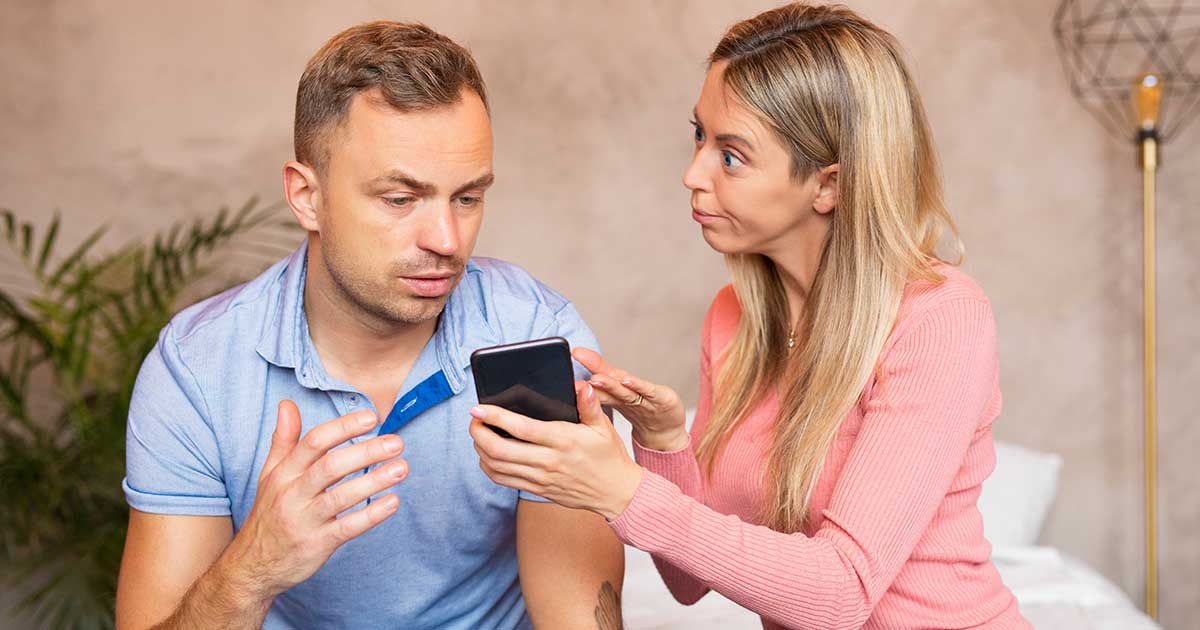
Paying attention to the dynamics in your friendships is crucial! Abusive friendships can be deeply damaging and might not always show themselves in obvious ways. Sometimes, it’s subtle and creeps up on you when you least expect it. Are you feeling drained after hanging out with someone? That’s a major red flag! It might be time to reflect on whether your friendship is as supportive as it should be.
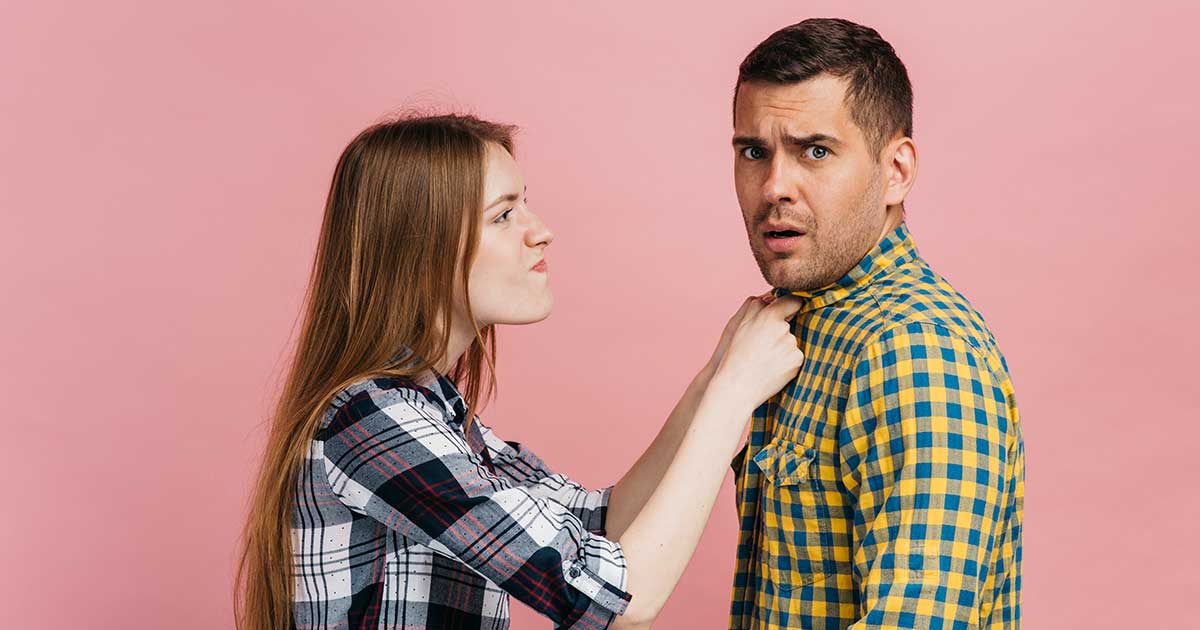
Recognizing those signs can really empower you! Think about how you feel during and after interactions. Do you often feel belittled, manipulated, or controlled? These can be classic signs of an abusive friendship. Someone who constantly criticizes you or dismisses your feelings isn’t a true friend. Remember, friendships should lift you up, not tear you down!
- Constant criticism or demeaning jokes
- Manipulating conversations to keep the focus on them
- Always putting their needs ahead of yours
Now, let’s take a step back and consider the emotional impact. If you’re feeling anxious, sad, or even physically ill after spending time with someone, it’s time to assess that relationship! It’s not just about them being difficult; it’s about how you’re feeling too. Healthy friendships are built on mutual respect and support. If it’s feeling one-sided, trust your instincts and explore your options.
So, what do you think? Can you spot these signs in your own friendships? Remember, awareness is the first step toward change. Identifying an abusive friendship can lead you to better relationships that make you feel good about yourself. The journey might feel tough, but the rewards of a supportive network are absolutely worth it!

Emotional Impact of an Abusive Friendship on Well-Being
An abusive friendship can really take a toll on your emotional health. Have you ever felt drained after spending time with a so-called friend? These relationships can leave you feeling anxious, depressed, and overwhelmed. It’s essential to recognize just how deep the emotional impact goes, as it might not be obvious at first. The insidious nature of an abusive friendship can make you doubt your own feelings and instincts. It’s like a slow fade of your self-worth!
When you’re in the grips of an abusive friendship, you might find yourself constantly walking on eggshells, anxious about what you’ll say or do. This chronic stress can lead to feelings of confusion and isolation. You start questioning your reality: “Is this really happening to me?” The emotional rollercoaster can lead to symptoms of anxiety and depression, making it hard to just enjoy life. If you’ve ever felt a knot in your stomach before hanging out with them, you know what I mean!
Such friendships often come with a side serving of manipulation and gaslighting, making you second-guess your own worth. Feeling unvalued can lead to a significant decline in self-esteem. Remember, the emotional impact of an abusive friendship isn’t just about feeling sad; it’s about how it starts to shape your entire outlook on yourself and relationships in general. Isn’t it frustrating to think that someone you considered a friend could bring you down like that?
But there’s hope! Recognizing that you’re in an abusive friendship is the first step to reclaiming your well-being. Yes, it’s tough, and yes, it can feel overwhelming, but understanding this emotional impact is crucial for your recovery. You deserve supportive friends who lift you up, not drag you down! So, let’s start taking back your power and setting the stage for healthier connections. Remember, acknowledging the pain is the first step toward healing!
- Chronic stress and anxiety caused by an abusive friendship.
- Feelings of isolation and confusion.
- Declining self-esteem and self-worth.
Steps to Take When You Identify an Abusive Friendship
Identifying an abusive friendship is just the first step; taking action is where the real change begins! It’s crucial to recognize that you’re not alone in this struggle. Many people have faced similar situations, and knowing how to navigate your way through can make all the difference. So, what can you do once you identify an abusive friendship?
First and foremost, evaluate the situation. Take a moment to list specific behaviors that make you feel uncomfortable or devalued. This can help you get clarity on what you’re dealing with. Is it their constant criticism, the way they belittle your thoughts, or the manipulation tactics? Writing them down can also empower you to visualize the unhealthy patterns at play.
- Communicate your feelings to your friend if you feel safe doing so. Let them know how their actions affect you.
- Trust your instincts; if something feels wrong, it probably is! Don’t ignore those red flags.
- Seek support from trusted friends or family who can offer perspective and encouragement.
Next, set boundaries. This is your chance to reclaim your power! Let your friend know what behaviors are unacceptable and stick to them. It’s okay to be firm and clear. Have you ever had to draw a line with someone? It can be tough, but it’s necessary for your mental health. You’ve got this!
Finally, remember that it’s perfectly okay to walk away if things don’t change. Ending a friendship is challenging, but your well-being should always come first. Surround yourself with positive influences that lift you up rather than tear you down. After all, friendships are meant to be a source of joy, not pain!
Setting Boundaries: Navigating Abusive Friendships Effectively
Navigating the rocky waters of an abusive friendship can feel like you’re stuck in a storm, right? It’s tough when someone you thought was a friend turns out to be, well, not so friendly. Setting boundaries is key to regaining control and ensuring your emotional health isn’t tossed around like a ship in rough seas. Have you ever felt overwhelmed by a friend’s demands? Let’s break down how to create a safer space for yourself!
First off, recognize what boundaries look like in your life. Setting boundaries means stating what behaviors you will and won’t tolerate. It’s like drawing a line in the sand that says, ‘This is my life, and I’m taking charge!’ For instance, if your friend constantly puts you down or makes you feel guilty, let them know it’s not okay. You deserve to be treated with respect and kindness!
It’s also important to communicate these boundaries clearly. Next time your friend crosses the line, address it! Use phrases like, “I feel upset when you do/say that,” to express your feelings without sounding accusatory. This not only preserves your friendship (if it’s a healthy one) but also makes you feel empowered. Have you ever tried addressing an issue directly? It can be scary, but it’s a weight off your shoulders!
Now, here’s a little secret: boundaries can be flexible. They can change as your relationships evolve! If someone continues to disrespect your boundaries, consider if this friendship is worth keeping. Sometimes, distancing yourself is the healthiest option. Remember, an abusive friendship isn’t worth sacrificing your peace for. Never forget, the ultimate goal is a relationship where you feel safe and valued.
- Identify behaviors that make you uncomfortable.
- Communicate your feelings and boundaries openly.
- Adjust boundaries as necessary while prioritizing your emotional well-being.
Healing from the Effects of Abusive Friendships Over Time
Healing from an abusive friendship can feel like climbing a mountain with no clear path. You’re not alone in feeling overwhelmed! It’s important to acknowledge that recovering takes time, and that’s perfectly okay . The journey back to a healthy mindset is yours, and each small step matters.
The first step to healing is recognizing the emotional turmoil that follows an abusive friendship. Remember those times where you felt belittled or manipulated? Those experiences can leave deep scars, but you can start to heal by allowing yourself to feel those emotions instead of brushing them aside. Have you considered journaling your feelings? Writing can be a therapeutic way to process your thoughts!
Surrounding yourself with supportive friends and family is key during this healing phase. Positive relationships can help restore your self-esteem and remind you just how valuable you are. Don’t hesitate to reach out to those who lift you up and encourage your growth. Finding the right support network is essential, so consider joining support groups where people share similar experiences!
Don’t underestimate the power of self-care in this healing process. Engaging in activities you love, like painting, hiking, or even a Netflix binge session with your favorite comfort show, can help diminish stress and anxiety. How do you unwind when life gets tough? Finding joy in the little things will help you reclaim your sense of self!
- Practice mindfulness or meditation to enhance emotional clarity.
- Read self-help books to gain new perspectives on your experiences.
- Set personal goals and celebrate small achievements along the way.
Healing isn’t linear, and it’s important to give yourself grace during this time. Every person’s journey is unique! It’s okay to have ups and downs as you navigate out of the shadows of an abusive friendship. Just remember, you are worthy of love and respect, and this journey will shape you into a more resilient person. Keep pushing forward, you’re doing great!
Seeking Professional Help: Resources for Recovery from Abuse
Finding yourself in an abusive friendship can feel like being lost in a maze without a map. If you’re realizing this might be your situation, don’t worry! There are resources available—like a guiding light—that can help you navigate through the recovery process. Professional help is an essential step towards healing from an abusive friendship. But what does that look like?
First off, therapists specializing in trauma and abuse recovery can provide you with the tools and strategies to reclaim your sense of self. They help create a safe space for you, allowing you to delve into your experiences without fear of judgment. It’s like having a mental health cheerleader! Have you considered talking to someone who really gets what you’re going through?
You might want to explore different types of support options too. Group therapy is one fantastic way to connect with others who’ve had similar experiences. It not only solidifies the understanding that you’re not alone, but it also showcases various coping strategies that worked for others. Just imagine sharing stories, finding solace, and even laughing! Sounds like a win-win, right?
Online resources, like hotlines and forums, can also offer immediate support and advice. Websites like RAINN and the National Domestic Violence Hotline have chat features that allow you to connect with someone right away! Why wait? Don’t hesitate—reach out and take that first step toward recovery. You deserve to surround yourself with positivity, not negativity!
- Therapists specializing in abuse recovery
- Group therapy for community and support
- Online resources like hotlines and forums
- Self-help books focusing on healing from abuse
Taking a step towards professional help can feel like stepping into the unknown, but it’s a powerful move to reclaim your life from an abusive friendship. Embrace the help that’s out there; you truly are worth it. Let’s turn those painful experiences into strength and recovery!
Final Thoughts: Understanding Abusive Friendship
Exploring the complexities of an abusive friendship can be quite an eye-opener! Recognizing the signs is the first step toward reclaiming your peace. It’s essential to keep in mind that friendships should uplift rather than weigh you down. So, if you find yourself in a friendship that feels more toxic than beneficial, it’s okay to take a step back and evaluate your situation.
Navigating through the emotional storm of an abusive friendship requires courage and self-love. Remember, setting boundaries isn’t just a suggestion; it’s a vital part of maintaining your mental health. Don’t hesitate to seek professional help or talk to someone who understands; after all, you deserve friendships filled with positivity and support! So, what’s the first step you’re going to take after reading this? Your mental wellness should always be a priority!