
If you’ve ever found yourself in a whirlwind of drama and negativity, it’s time to stop being toxic in your relationships! Toxic behavior can sneak into our lives in the most unexpected ways, leaving chaos in its wake. But don’t worry, you’re not alone in this struggle—we’re here to help you turn things around and cultivate positive connections that truly uplift you and your loved ones.
In this guide, we’re diving into practical tips and strategies to break free from the toxic patterns that may have crept into your relationships. Are you ready to swap negativity for positivity? Let’s explore how understanding your behavior, communicating effectively, and setting healthy boundaries can transform your connections. Remember, it’s never too late to make a change! Together, we can foster healthier dynamics that lead to deeper, more fulfilling relationships. So, grab a comfy spot and let’s get started on this journey towards a happier, more harmonious life!
Understand What Being Toxic Means in Relationships
Being toxic in a relationship can feel like walking through a minefield—you’re not quite sure when things will blow up! But what does being toxic really mean? It often involves patterns of behavior that contribute to negativity and hurt. It could be anything from constant criticism, manipulation, or a need to control. Recognizing these traits is the first step we can take to stop being toxic and create more positive interactions.
Ever found yourself in a back-and-forth of blame with your partner? Or maybe you’ve used guilt to get your way? These behaviors are indicators of toxicity. It’s all about awareness, my friend! Understanding these patterns can pave the way for healthier dynamics. Ask yourself—are you building each other up, or tearing each other down?
- Constantly blaming your partner for problems ️
- Using guilt or manipulation to get your needs met
- Having a need for control over decisions and situations
- Engaging in excessive criticism or belittling remarks
- Withholding affection or emotional support
It’s crucial to note that understanding toxic behavior isn’t about labeling yourself as ‘bad’ or ‘good’—it’s about growth! The more clarity you gain on what being toxic means, the more empowered you’ll be to change it. You might find yourself making different choices that promote positivity and connection. So, what small changes can you start making today?
As you grasp the essence of what being toxic entails, remember that recognizing these behaviors is a stepping stone. Change won’t happen overnight, but it all starts with awareness. Take a moment to reflect on your interactions and consider whether they uplift or diminish your relationships. You’ve got this!
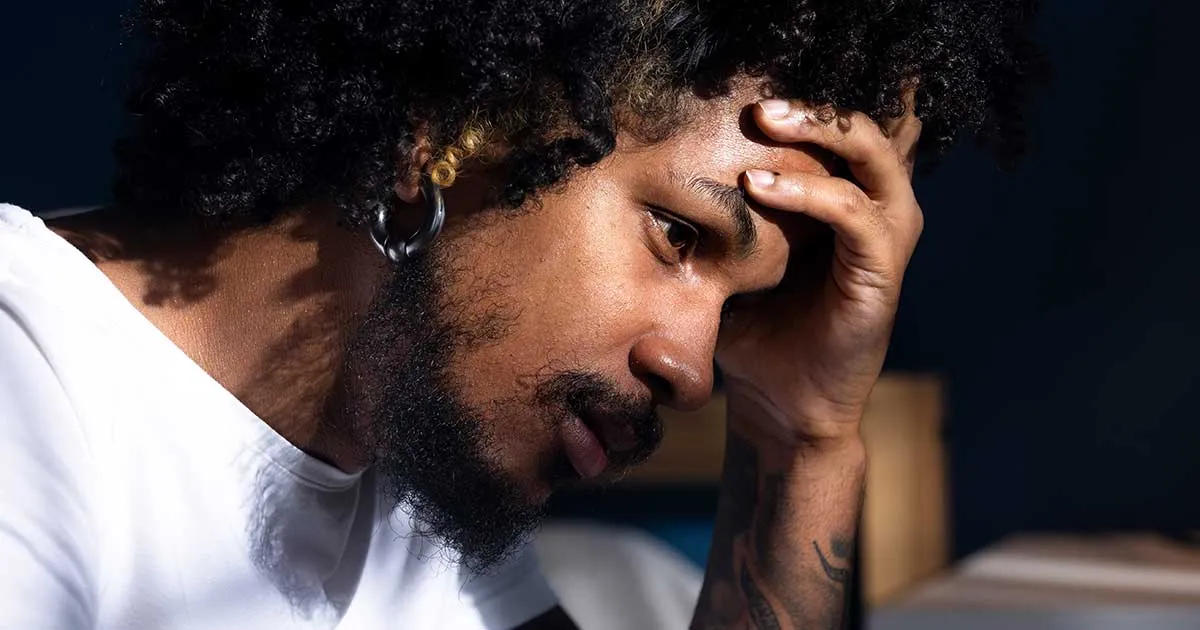
Recognize the Signs of Toxic Behavior in Yourself
Recognizing toxic behavior in yourself can feel like a tough pill to swallow, but it’s a crucial step toward positive change! After all, awareness is the first step to growth . So, what exactly should you be looking for? Let’s dig in!
One glaring sign of toxic behavior is constant negativity. Do you find yourself always criticizing others or focus on the negative side of things? That’s a strong indicator! It’s time to reflect: how often do you lift others up? Making a conscious effort to shift your mindset toward positivity can work wonders not just for you, but also for those around you. Think about this: what if you made a habit of celebrating the wins of your friends?
Another indication is when you often play the victim. Are you continuously blaming others for your problems or situations? This behavior can repel people instead of attracting them. Instead of blaming, how about taking ownership? Owning your actions and outcomes can empower you big time! Recognizing this pattern is essential; it’s not just about you, but how your actions impact your relationships.
- Excessive jealousy or possessiveness
- Manipulating situations to get your way
- Being closed-off or unwilling to compromise
Lastly, if you often find yourself dismissing other people’s feelings or concerns, that can also be a sign of toxicity. Consider this: do your conversations feel like a one-way street? Being empathetic is huge! Learning to listen and validate others’ emotions can significantly improve your relationships.
Recognizing these signs doesn’t mean you’re a bad person; it means you’re on the path to becoming a better version of yourself! ️ The first step is acknowledging your behavior, followed by action and commitment to change. Are you ready to transform those toxic habits into something more supportive and loving?
Explore the Impacts of Toxicity on Relationships
When we talk about toxicity in relationships, it’s like holding a magnifying glass over the fun and love that should thrive in our connections. Toxicity can silently seep into your relationships, turning them sour and complicating the joy you once felt. But what does it truly mean to be toxic? Well, it often refers to behaviors that bring down the emotional well-being of both yourself and your partner. If you’ve ever found yourself feeling drained after a conversation or situation, it might be time to explore the impacts of toxicity on relationships.
Toxic behavior can lead to a whole host of issues, from trust issues to constant conflict. If you’ve ever felt like you’re walking on eggshells around someone, that’s a clear sign that toxicity is at play. Have you considered how your actions affect those around you? It’s important to realize that this negativity doesn’t just hurt others; it damages your own emotional state too. People involved in toxic relationships often experience heightened levels of stress, anxiety, and even depression. It’s a whirlwind of chaos!
Moreover, toxicity can warp the communication patterns you have with others. A relationship that should be filled with open dialogue can become a battleground of misunderstandings and resentment. When you stop being toxic, you clear the air and allow for real conversations and connections to flourish. Imagine how incredible it would feel to share your thoughts without fear of judgment or retaliation!
Another profound impact of toxicity is the effect it has on self-esteem. Individuals caught in toxic dynamics may feel worthless or inadequate over time. It’s essential to understand that this cycle can be broken! Just by acknowledging the toxicity, you can begin to pave the way for healthier future interactions. Ready to ditch the drama and negativity? Let’s dive deeper into actionable strategies a bit later!
- Undermined self-esteem and confidence
- Increased stress and anxiety levels
- Communication breakdowns
- Trust issues that are hard to overcome
- Feeling drained and emotionally exhausted
Learn Effective Strategies to Stop Being Toxic
Feeling stuck in toxic patterns? You’re not alone! Many of us find ourselves engaging in behaviors that hurt our relationships, often without even realizing it. The good news is that there are effective strategies to stop being toxic and rebuild those connections in a positive way. Ready to dive in?
First up, it’s essential to reflect on your actions. Start by asking yourself: why do I feel the need to react negatively? Taking this moment for introspection can be incredibly eye-opening! Keeping a journal can help track your thoughts and emotions, providing insight into your patterns. Do you notice a trend in how you respond during conflicts?
Next, consider practicing empathy. Put yourself in the other person’s shoes and acknowledge their feelings. This doesn’t mean you have to agree with them, but understanding their perspective can help you respond more kindly. Try to ask open-ended questions instead of jumping to conclusions. You might just be surprised at how much easier it is to connect!
Another effective strategy is to set boundaries. A little space can work wonders! Make it clear what behaviors are unacceptable to you, and be sure to stand firm. Remember that it’s okay to take a step back if you feel overwhelmed. After all, protecting your mental health is key to fostering healthier relationships moving forward.
- Practice self-awareness through reflection and journaling.
- Empathize by seeing things from the other person’s perspective.
- Establish clear boundaries to maintain a healthy dynamic.
Lastly, don’t shy away from seeking help. Whether connecting with a therapist or joining a support group, sharing your experiences can be a game-changer. Remember, it’s perfectly okay to ask for help on this journey to stop being toxic. You deserve nurturing relationships and personal growth!

Cultivate Healthy Communication Skills in Relationships
Healthy communication is the backbone of any strong relationship! When you learn to express yourself clearly and listen actively, you transform how you interact with others. Are you ready to cultivate skills that help you stop being toxic and boost the vibe of your relationships?
Start by practicing empathy. This means not only sharing your feelings but also being open to understanding your partner’s perspective. Instead of jumping to conclusions or assumptions, try asking questions. For instance, if your partner seems upset, you could say, “I noticed you’re quiet—want to talk about it?” Being open to their feelings shows you care!
Another key aspect to focus on is using “I” statements rather than “you” statements. This helps reduce defensiveness in conversations. Instead of saying, “You never listen to me!”, try switching it up to, “I feel unheard when you don’t respond.” Such transitions not only express your feelings but also create a dialogue rather than a confrontation!
Don’t forget that body language plays a huge role in communication too! Maintaining eye contact, nodding, and facing your partner can all signal that you’re truly engaged in the chat. Can you imagine how much this can change your discussions for the better?
- Practice active listening: Pay attention and respond to what your partner says.
- Be clear and direct: Say what you mean without beating around the bush.
- Stay calm: Keep your tone even and avoid raising your voice.
Lastly, remember that healthy communication is a two-way street. While you’re polishing your skills, encourage your partner to do the same. It’s all about building a supportive environment where both of you feel safe to share. So, why not brainstorm together ways to keep your communication flowing and vibrant?
Common Questions
How do you stop being a toxic person?
To stop being a toxic person, it’s essential to first recognize and acknowledge your behavior. Self-reflection helps in understanding how your actions affect others and can guide you toward making positive changes. Developing empathy, seeking feedback from trusted friends, and committing to personal growth can be effective steps. Consider practicing mindfulness and emotional regulation techniques, which can improve your interactions and reduce negative behaviors.
How do I fix my toxic traits?
Fixing toxic traits involves self-awareness and a willingness to change. Begin by identifying specific behaviors that are harmful or detrimental to yourself and others. Research suggests that therapy or counseling can provide valuable insights and tools for overcoming toxic traits. Additionally, practicing compassion, improving communication skills, and learning to manage stress can help foster healthier relationships and promote personal development.
Why am I being so toxic?
Being toxic often stems from unresolved personal issues, such as stress, past trauma, or lack of self-esteem. Sometimes, individuals exhibit toxic behavior as a defense mechanism to cope with their own insecurities or feelings of inadequacy. Recognizing the underlying causes of such behavior is crucial. Engaging in self-reflection and seeking support can help uncover these issues, allowing for growth and the opportunity to cultivate healthier patterns.
What is a toxic behavior?
Toxic behavior refers to actions or attitudes that harm others emotionally or psychologically. This can include manipulation, constant negativity, belittling, or creating an environment of conflict and hostility. Such behaviors often lead to a breakdown in relationships, negatively impacting both the individual exhibiting these behaviors and those on the receiving end. Identifying toxic behaviors is essential to mitigate their impact and work towards healthier interpersonal dynamics.
Seek Professional Help for Toxic Relationship Patterns
When it comes to dealing with toxic relationship patterns, seeking professional help can be a game-changer! Sometimes, we get so wrapped up in our issues that it’s hard to see the bigger picture. A therapist or counselor can provide insights and tools that help you stop being toxic and create a happier, healthier relationship dynamic.
Imagine having someone in your corner who understands the nuances of these patterns and offers personalized strategies. That’s what a professional brings to the table! So, do you feel overwhelmed trying to decode your relationship behaviors? Or perhaps you notice repeating cycles that leave you feeling lower than ever? You’re not alone in this!
Therapy sessions often start with identifying specific behaviors and triggers that lead to toxicity. By understanding these patterns, you can work toward changing them effectively. Plus, therapists offer a safe space for you to express your feelings without judgment. Isn’t it nice to know we can lean on someone who’s been trained to help?
- Identifying your triggers and motivations
- Learning conflict resolution techniques
- Developing healthier coping mechanisms
Additionally, professionals can guide you in understanding your past experiences and how they might be influencing your present relationships. You might discover that breaking free from old habits requires more than just willpower. You’ll likely learn how to build self-awareness along the way.
So, if you’re serious about making a change, don’t hesitate to reach out for help! Finding a good professional can feel overwhelming at first, but it’s truly worth the effort. After all, everyone deserves to have thriving relationships filled with love and respect. Why not start the journey today?
Final Thoughts: How to Stop Being Toxic in Relationships
It’s time to embrace the journey on how to stop being toxic in relationships! Recognizing the need for change is a giant leap toward healthier connections. With the tools and strategies shared in this guide, you’re well on your way to transforming yourself and your interactions. Remember, it’s all about understanding what being toxic truly means and addressing those behaviors head-on.
Don’t shy away from seeking help; professionals can offer valuable insights that will make a huge difference. Surround yourself with people who uplift you and practice healthy communication. This isn’t just about you – it’s about creating a more positive environment for everyone around you! How exciting is that? You’ve got this!