
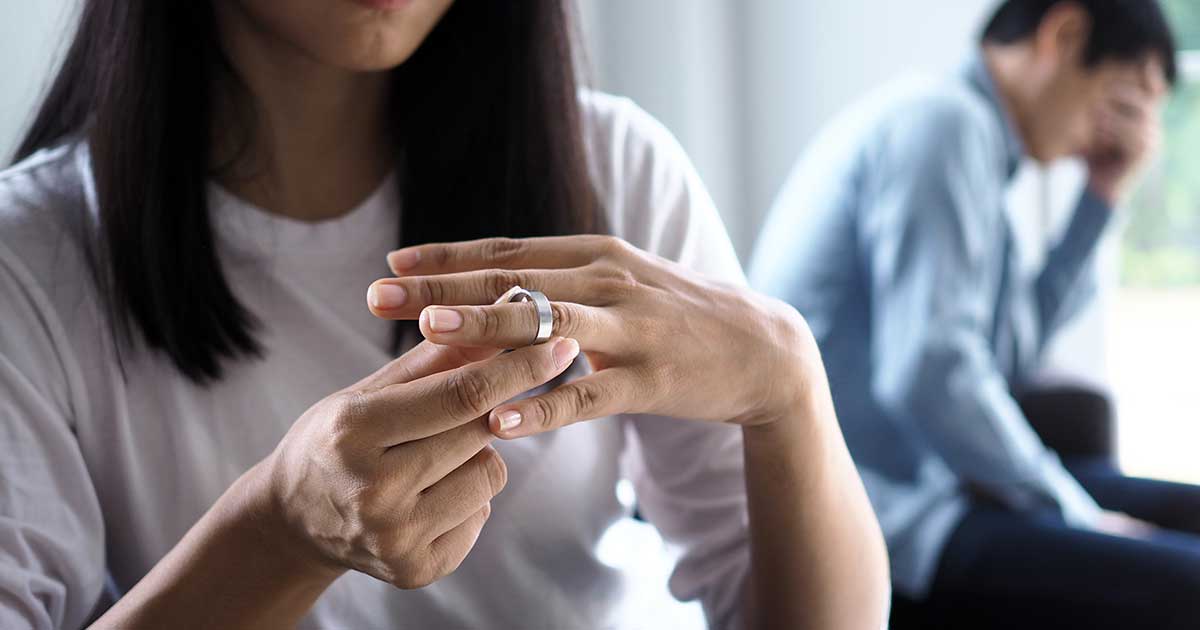
Coping with divorce is no walk in the park, but it’s absolutely manageable with the right strategies! If you’re currently facing this emotionally charged journey, know that you’re not alone. Many have walked this path and have emerged stronger on the other side. So, what are the most effective strategies for healing during this challenging time? We’re here to unpack some incredible tips and tricks that will help you navigate through the rough waters of separation and come out feeling empowered and resilient.
In this article, we’ll dive into practical ways to cope with divorce that can really make a difference. From understanding your emotions to establishing a support system, we’ve got you covered! ️ It’s crucial to acknowledge your feelings and find positive outlets. You deserve to heal and rediscover yourself after this tough chapter. Ready to explore how to reclaim your happiness and strength? Let’s do this together!
Understanding the Emotional Impact of Divorce on You
Divorce can hit you like a ton of bricks! It’s not just about the legal aspects, but the emotional rollercoaster that comes with it. ️ Feeling a whirlwind of emotions—sadness, anger, relief, and even confusion—is completely normal. It’s crucial to understand that these feelings are valid and part of the healing process.
You might find yourself questioning everything about your life, your identity, and your future. That sense of loss can be overwhelming. What were the things you enjoyed before? Can you rediscover those passions? It’s essential to acknowledge these emotional impacts and give yourself some grace as you navigate through this tough chapter.
Did you know that emotional pain during a divorce can manifest physically? Yep! Stress can trigger headaches, fatigue, or even stomach issues. That’s why it’s vital to tune into your body and emotions. Recognizing how you’re feeling can be a huge step toward healing if you want to learn how to effectively cope with divorce.
- Feelings of sadness or depression
- Anxiety about the future
- Conflicts and unresolved issues
- Shifts in personal identity and routine
It’s important to remember that you’re not alone on this path. Many people have walked this road and come out stronger! Building a new support network can help you to process your feelings. Have you thought about reaching out to trustworthy friends or even support groups? Being open about your feelings can make a world of difference.
Understanding the emotional aftermath of divorce can be hard, but embracing these feelings instead of running from them is a powerful way to start healing. Remember, it’s okay to take it one day at a time. Reflect on how far you’ve come and keep looking forward. Each day brings new opportunities for growth and joy!

Effective Coping Strategies for Managing Divorce Stress
Dealing with divorce can feel like riding a rollercoaster—one minute you’re up, and the next you’re spiraling down. But don’t worry! There are effective coping strategies that can help you manage that stress and take back control of your life. Embracing the challenge to cope with divorce doesn’t have to be an overwhelming task; in fact, it can be a significant step towards healing.
First off, let’s talk about the power of journaling ️. Writing down your thoughts and feelings not only provides an outlet for your emotions but also helps you reflect on your journey. Have you ever felt a weight lift after putting pen to paper? That’s the magic of it! Try to dedicate a few minutes each day to jot down what you’re feeling. It’s a safe space where you can express yourself freely.
Another strategy that works wonders is practicing mindfulness and meditation. You might be wondering, ‘How does sitting still help in such a chaotic time?’ Well, mindfulness encourages you to focus on the present moment, helping to quiet those racing thoughts. A few deep breaths can truly center your mind and reduce anxiety. ️ Why not try starting with just five minutes a day and see how it changes your perspective?
Don’t underestimate the value of physical activity too! Get moving, whether it’s taking a brisk walk, dancing in your living room, or joining a fitness class! Exercise is a fantastic way to boost your mood and release those feel-good endorphins! ️ Not to mention, it’s a perfect distraction from the stress swirling around you. Who knew that sweating it out could also be a form of therapy?
- Journaling your feelings and thoughts daily.
- Practicing mindfulness and meditation for mental clarity.
- Engaging in regular physical activity to boost your mood.
As you work on these strategies, remember that getting support from friends or family is paramount. Surrounding yourself with those who understand what you’re navigating can truly help lighten the load. So, what are you waiting for? Let’s get started on these coping strategies and embrace a healthier, happier you post-divorce!
Building a Support System to Help You Heal from Divorce
Having a strong support system during your divorce can make all the difference in the world. Friends, family, or even support groups can provide the necessary emotional lift that you need right now. Who wouldn’t want to feel loved and understood while navigating this challenging chapter? Connecting with others who have gone through similar experiences can help you feel less isolated, and their insights may guide you towards healing!
Consider reaching out to those who genuinely care about you. Maybe it’s that one friend who always knows how to make you laugh, or perhaps it’s family members who have been your rock in tough times. Don’t hesitate to lean on them; this could be the time for some heartfelt conversations that will make you feel heard. After all, talking it out often clears the mental clutter. Have you reached out to anyone yet?
- Join a local or online support group for divorcees.
- Schedule regular catch-up sessions with trusted friends or family.
- Consider talking with a counselor to process your feelings.
Don’t underestimate the power of community! Finding a support group can be particularly uplifting. Imagine entering a space filled with people who understand what you’re going through—it’s like a collective hug! Plus, you’ll have the chance to share experiences, whether it’s a good day, bad day, or something in between. How cool is that?
Building a support system isn’t just about finding people to talk to; it’s also about helping yourself realize that you’re not alone. Establishing these connections can lead to new friendships and insights that help you cope with divorce in a healthier way. And who knows? You might even discover a few new hobbies along the way because the people who care about you can inspire you in surprising ways!
Practicing Self-Care During and After the Divorce Process
Practicing self-care during and after the divorce process is absolutely essential for your overall well-being! When you’re dealing with the emotional whirlwind of divorce, self-care becomes your best friend. Why? Because it helps you connect with your inner self and aids in coping with divorce. Think of it as giving yourself a nurturing hug when the world feels chaotic!
You might be wondering, “What does self-care actually look like during such a tough time?” Well, it can be as simple as consistent, enjoyable activities that lift your spirits! Whether it’s indulging in your favorite hobbies, practicing mindfulness, or taking a long walk in nature, these moments can work wonders. Incorporating regular exercise, a healthy diet, or even just binge-watching your favorite shows can provide the escape you need!
Don’t forget about your mental health! Engaging in practices like journaling or meditation can help you sort through your feelings and release pent-up stress. Reflecting on your thoughts allows for healing and clarity, which is crucial for moving forward. If you catch yourself feeling overwhelmed, it’s perfectly okay to give yourself permission to pause and breathe. ️
Self-Care Ideas to Embrace
- Schedule regular time for activities that bring you joy.
- Connect with friends and family who support you.
- Practice mindfulness or yoga to relieve anxiety.
The journey of coping with divorce isn’t just a single path; it’s a blend of ups and downs! Remember, it’s all about progress, not perfection. Focus on what nourishes your mind and spirit, and take small steps daily. You deserve to reclaim your happiness, and practicing self-care is a fantastic way to do just that!

Navigating Financial Changes Post-Divorce: Key Tips
Navigating financial changes post-divorce can feel like a whirlwind, right? Suddenly, you’re not just dealing with emotions but also with budgets, debts, and new solo financial responsibilities. But don’t stress! With some planning and awareness, you can smoothly handle these changes and start your fresh chapter.
First off, it’s essential to create a new budget. This is like your financial compass! Start by listing all your income sources and expenses. Have you made lists before? If not, now’s a great time to try it out. When you see everything laid out, it becomes simpler to recognize where you can save or allocate more funds. Plus, it’s a big step toward financial independence!
Next up, consider reevaluating your long-term financial goals. You might need to shift your paradigm post-divorce. Are you planning on saving for a home, retirement, or even further education? Setting new goals can give you something to look forward to and keep you motivated.
Another important tip is to avoid impulsive decisions. It’s easy to want to make quick fixes when you’re feeling overwhelmed, but this can lead to bigger issues down the road. Have you ever rushed into a financial decision out of sheer emotion? Take a breath, seek advice if you need it, and weigh your options. You’re in control here!
And finally, don’t hesitate to consult a professional if things feel daunting. Financial advisors can provide clarity and help you build a sustainable plan. They can guide you on investments, debt management, and new financial habits. It’s like having a personal trainer but for your wallet!
- Create a realistic budget.
- Reassess long-term financial goals.
- Make informed and deliberate financial decisions.
- Seek advice from financial professionals.
Coping with divorce isn’t just about emotional healing – it’s a financial transformation too! Embrace these changes and remember, this is a step towards a brighter future. You got this!
Common Questions
How do you deal with the pain of divorce?
Dealing with the pain of divorce involves acknowledging your emotions and accepting the process of healing. Allow yourself to grieve the loss of the relationship, as this is a natural response. You may find it helpful to talk to friends, family, or a therapist, as sharing your feelings can provide much-needed support. Engaging in self-care activities, such as exercise, pursuing hobbies, and practicing mindfulness, can also aid in coping with emotional distress.
What is the hardest thing about divorce?
The hardest aspect of divorce often varies from person to person, but it commonly includes the emotional turmoil that accompanied the relationship’s end. Many individuals feel a sense of loss not only of the partner but also of shared dreams and stability. Additionally, navigating logistics like custody arrangements, financial issues, and dividing shared assets can add layers of stress and complexity to the process.
Is it normal to miss your spouse after divorce?
Yes, it is normal to miss your spouse after a divorce. Transitioning from a long-term relationship can stir up fond memories and a longing for companionship. This feeling may persist even after the decision to part ways was made, as emotional attachments often do not disappear immediately. Recognizing these feelings as a normal part of the healing process can help you cope with the sense of loss.
Does divorce pain ever go away?
While the pain of divorce can feel overwhelming, many people find that it lessens over time. Healing is a gradual process that may take months or even years, but with support and self-reflection, many individuals ultimately find peace and closure. Engaging in new experiences, fostering connections with others, and working on personal growth can help in moving forward and diminishing the acute pain associated with the divorce.
Professional Help: When to Seek Therapy After Divorce
Knowing when to seek therapy can be a game changer as you cope with divorce. The emotional turbulence can sometimes feel like a relentless waves crashing onto your shore; it’s totally okay to realize you need a little extra support. After a divorce, it’s common to experience feelings of sadness, anger, confusion, or even relief, depending on your situation. These feelings can be overwhelming, making it crucial to know when it’s time to reach out for professional help.
But how do you know it’s time to call in the pros? One sign is if you’re finding it tough to get out of bed or to manage daily activities. When minor tasks start feeling insurmountable, that’s a red flag. Another sign is if you’re struggling with intense feelings of grief or anger that just don’t budge over time. Ever thought about how therapy could help transform those feelings into tools for personal growth?
Therapy offers a safe space to express your feelings and gain perspective on your experiences. Plus, connecting with a therapist can help you understand the patterns that led to your divorce and prevent similar issues in future relationships. It’s all about growth! And let’s face it, navigating through this alone can often feel isolating. Benefits like emotional support, guidance, and coping strategies can make a significant difference. Are you excited to explore the possibilities?
- Persistent feelings of sadness or hopelessness
- Difficulties in performing daily tasks
- Feeling emotionally overwhelmed
- Struggling with relationships or trust
- Experiencing significant changes in lifestyle or emotions
In conclusion, recognizing the signs that it’s time to seek therapy is an essential step in your healing journey. You absolutely deserve to find a supportive, understanding environment where you can unpack your feelings and start to cope with divorce. Therapists can provide you with tools and strategies that help pave the way toward a healthier, happier future.
Final Thoughts: How to Cope with Divorce
Learning how to cope with divorce can feel like climbing a mountain, but we’ve explored some effective strategies for healing that can make the journey easier. Remember, it’s completely natural to feel a whirlwind of emotions during this time. Embracing those feelings and taking positive steps towards recovery is vital. Each strategy we discussed—from building a robust support system to prioritizing self-care—plays a crucial role in helping you regain your sense of self and happiness.
As you move forward, keep in mind that seeking professional help is always a good idea if you’re feeling overwhelmed. Therapy isn’t just for crises; it can be a fantastic tool for growth and understanding. So, how are you planning to apply these methods in your life? No matter where you are in your healing process, take a deep breath and trust that brighter days are ahead. You’re not alone on this path, and every small step you take counts!










