

Nature therapy is a fantastic way to reconnect with the great outdoors while boosting your mental health! Imagine stepping outside, breathing in the fresh air, and soaking up all the beauty that nature has to offer. This article is all about exploring nature therapy, an approach that uses the natural environment to promote well-being. It’s not just about enjoying a walk in the park; it’s about tapping into the healing power of the world around us! Who wouldn’t want to feel more relaxed and rejuvenated?
In this piece, we’ll dive into the amazing benefits of nature therapy and share some exciting techniques you can try yourself. From forest bathing to mindfulness practices, there’s something for everyone here. Have you ever noticed how a simple stroll among the trees brings a sense of calm? Well, there’s science behind it, and we’re here to unpack that. So, if you’re curious about how spending a little extra time outdoors can work wonders for your mind and mood, stick around! ️
Understanding Nature Therapy: Definition and Origins
Nature therapy is all about harnessing the healing power of the great outdoors! Imagine stepping outside, feeling the fresh air against your skin, and letting the sounds of nature wash over you. Sounds amazing, right? But what exactly is this concept? At its core, nature therapy involves engaging with nature to boost mental health and well-being. It’s more than just a walk in the park; it’s about connecting with the environment in a meaningful way.
The roots of nature therapy can be traced back centuries, with ancient cultures recognizing the therapeutic benefits of nature long before it became a formal practice. Think of early humans who found solace in the great outdoors after a tough day. However, the modern interpretations of nature therapy began to gain traction in the 20th century. Prominent figures in psychology and wellness started emphasizing the mental and physical benefits that being in nature provides.
Have you ever felt your worries melt away while on a hike or sitting by a serene lake? That’s the magic of nature therapy at work! The idea is that being surrounded by plants, trees, and wildlife not only helps reduce stress but can also enhance mood and promote overall health. It has evolved into various techniques and practices that are designed to help individuals reconnect with the world around them and, in turn, themselves.
In our fast-paced, tech-driven world, many of us have lost touch with the natural elements that once played a vital role in our lives. Nature therapy reconnects us to this essential aspect of existence, reminding us that sometimes all we need for a little mental clarity is to step outside and take a breather. Isn’t it fascinating how simply being in nature can do wonders for our mental health?
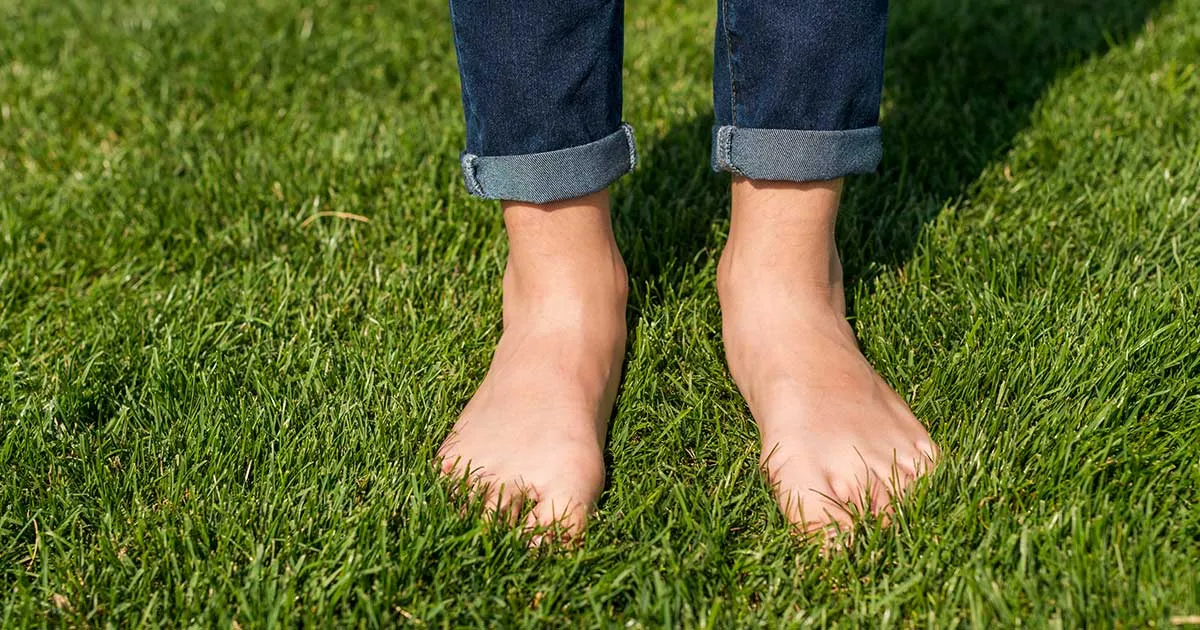
The Psychological Benefits of Engaging with Nature Therapy
Engaging in nature therapy opens up a treasure trove of psychological benefits that can seriously boost your mental well-being. It’s fascinating how stepping outside and soaking up the sights and sounds of nature makes our minds feel a whole lot lighter, isn’t it? Whether it’s a walk in the park, a hike through the woods, or simply sitting by a river, being in nature can be a game-changer for your mood and stress levels.
One of the coolest aspects of nature therapy is its ability to reduce feelings of anxiety and depression. Research shows that just spending a little time surrounded by greenery can significantly lower cortisol levels, which are our body’s primary stress hormones. Imagine how refreshing that sounds! Want to take a break from reality? Nature therapy is calling your name!
Moreover, getting into nature can enhance your creativity and cognitive functions. Have you ever noticed how a walk in the park seems to spark new thoughts? It’s no coincidence! Nature provides the perfect backdrop for your mind to wander freely, boosting both problem-solving skills and imaginative thinking. Talk about a natural brain booster!
- Reduced anxiety and stress
- Increased mood and emotional resilience
- Enhanced creativity and cognitive function
- Greater connection to self and surroundings
Let’s not forget about the feeling of connectedness that nature therapy fosters. Spending time outdoors can help strengthen your bond with the environment and even improve social relations when you share these experiences with friends and family. So, who’s ready to plan a fun outing? Nature isn’t just a backdrop; it’s a partner in our journey to mental clarity and emotional health!
Exploring Different Techniques Used in Nature Therapy
Nature therapy isn’t just a trendy buzzword—it’s a vibrant field full of unique techniques that tap into the healing power of the great outdoors! From forest bathing to guided nature walks, each method serves a specific purpose aimed at boosting our mental and emotional well-being. But what makes these techniques so effective? Let’s dive into some of the most popular approaches used in nature therapy!
One of the most renowned techniques is forest bathing, or Shinrin-yoku, a Japanese practice that invites individuals to immerse themselves in forest environments. It’s not about hiking or exercise; it’s about simply, well, being! This calming experience allows you to soak in sights, sounds, and smells—helping to relieve stress and improve mood. Have you ever taken time just to breathe in the woods and let your mind wander?
Another dynamic approach is eco-therapy, which focuses on the relationships between people and their environment. Participants often engage in activities such as gardening or volunteering in local parks. This not only fosters a sense of community but also deepens one’s connection to nature. Isn’t it amazing how getting your hands dirty can clear your mind and lift your spirit?
Bringing nature into therapy sessions is yet another technique worth mentioning. This can be done through nature-focused therapy, where therapists might incorporate elements like plants or natural settings to create a safe and calming environment. By blending traditional counseling with the soothing presence of nature, clients often experience a comforting atmosphere that encourages openness.
- The practice of forest bathing
- Engaging in gardening or park clean-ups
- Integrating nature elements into therapy sessions
The world of nature therapy is continually evolving, with practitioners experimenting with various techniques that resonate uniquely with individuals. From mindfulness in nature to expressive arts therapies outdoors, the options are plentiful. Have you explored any of these techniques yourself? If so, which one resonates with you the most? Let’s keep the conversation going about how you can benefit from the beauty of nature!
Nature Therapy Activities: How to Get Started Today
Getting started with nature therapy can be both exciting and rewarding! It’s all about connecting with the great outdoors and nurturing your mental well-being. So, how do you dive into this refreshing approach? First, identify what aspects of nature speak to you – whether it’s hiking through lush trails, meditating by a tranquil lake, or simply enjoying a picnic in your local park. Have you ever felt the calming effects of a gentle breeze or the soothing sound of rustling leaves?
Once you’ve pinpointed your preferred activities, it’s time to make a plan. Start small! Try dedicating just 15-30 minutes a day to being outdoors. You could go for a walk, practice some yoga in your backyard, or even sit and observe the beauty around you. This is a fantastic way to ease into nature therapy and slowly build your comfort level while enjoying the benefits of a more serene mind.
Don’t forget to consider your surroundings! Seek out a lush park, botanical garden, or hiking trail—anyplace that feels peaceful to you. Are there specific locations that really make you feel good? Maybe a nearby forest or a beach? Engaging with nature can be as simple as finding a green space that resonates with you and allows your mind to wander freely!
- Plan a weekly hike to explore and discover new trails.
- Set aside time each week for outdoor yoga or meditation.
- Start a nature journal to document your experiences and thoughts.
- Create a nature-based art project using materials found outside.
Remember, nature therapy is about enjoying the journey! Don’t stress about perfecting the techniques. Just let your heart guide you towards what feels right. As you connect more and more with the Earth, you might find new creative outlets or reflections popping up in your thoughts. So, are you ready to embrace the beauty of nature therapy and all the joys it brings?
Scientific Research Supporting Nature Therapy Benefits
When it comes to nature therapy, the science speaks volumes! Researchers have been diving into the impacts of nature on our mental and emotional well-being, and the results are simply astonishing. Imagine the serenity of a forest or the calm of a beach. These natural settings are not just beautiful; they offer substantial health benefits that can transform your outlook on life!
Studies show that spending time in nature can significantly reduce stress and anxiety levels. One landmark study highlighted that participants who engaged in outdoor activities reported a marked decrease in their cortisol levels, which is the hormone associated with stress. Isn’t that incredible? Just a little time outside can change your day dramatically!
The positive effects extend beyond just stress relief. Research indicates that nature therapy can enhance mood and even lead to lasting changes in mental health. For example, a study conducted in urban parks found that individuals who spent just 20 minutes walking surrounded by greenery felt happier and more revitalized. Isn’t it mind-blowing how a stroll in the park can boost your happiness?
- Increased attention span and cognitive function.
- Improved immune response and reduced inflammation.
- Enhanced creativity and problem-solving skills.
Moreover, an intriguing aspect of nature therapy is its ability to foster social connections. People engaging in group nature activities, like hiking or gardening, often report feeling a sense of community. This social bond is crucial for emotional health, highlighting the interconnectedness of nature and human relationships. Who knew that a simple hike with friends could lead to both improved fitness and lasting friendships?
To wrap it up, scientific research supports the idea that embracing nature can lead to profound mental health benefits. So why not take a moment to step outside and soak in the atmosphere? Whether it’s a park visit or a day at the beach, your mind and body will thank you later!

Nature Therapy vs Traditional Therapy: Key Differences
When we talk about nature therapy and traditional therapy, there are some exciting contrasts to explore! Both aim to improve mental well-being, but the paths they take are quite different. Traditional therapy often involves sitting in an office, chatting with a therapist about emotional or psychological challenges, and relying on established techniques like cognitive behavioral therapy. It’s structured, but it might not always make you feel connected to the world around you.
On the flip side, nature therapy embraces the great outdoors. Imagine having your sessions surrounded by trees, rivers, or the beach️. It’s all about harnessing the power of nature to heal. Nature therapy encourages active engagement with the environment, promoting a sense of peace and contentment. What could be better than soaking up some sun while you work through your emotions?
- Nature therapy focuses on sensory experiences—like the smell of fresh grass or the sound of birds chirping.
- Traditional therapy often uses conversational techniques without physical interaction with a natural environment.
- Engaging in nature therapy can lead to immediate emotional relief through outdoor activities like hiking, whereas traditional sessions may have a delayed response.
Another key difference lies in the approach to healing. Nature therapy promotes holistic wellness, integrating body, mind, and spirit with nature’s elements. Isn’t that a beautiful thought? Traditional therapy mainly tackles mental and emotional aspects without the added benefit of a healing environment. While both methodologies hold value, it’s fascinating to see how they each take unique routes toward achieving mental clarity.
In essence, choosing between nature therapy and traditional therapy can depend on your personal preferences and needs. Do you thrive in open spaces, or do you prefer the cozy atmosphere of a therapist’s office? There’s no wrong choice here; it’s about finding what resonates with you the most!
Incorporating Nature Therapy into Daily Life Routine
Incorporating nature therapy into your daily life can be a game changer for your mental health! Just imagine transforming your everyday routine by simply stepping outside, soaking up some sunshine, and getting in touch with the great outdoors. It doesn’t need to be an elaborate production; sometimes, the most effective way to experience nature therapy is to make small adjustments in your everyday activities.
Consider starting your mornings with a refreshing walk in a nearby park or even your backyard! That first taste of fresh air does wonders for clearing the mind and boosting mood. Plus, you get to appreciate the beauty of blooming flowers or chirping birds, which is pure joy! What better way to wake yourself up than nature’s own alarm clock?
Another great tip is during lunch breaks—trade your office or kitchen table for an outdoor picnic. Pack your meal, find a lovely spot, and just relish the moment, surrounded by trees or water. Not only will you enjoy your food more, but it’s also a fabulous way to recharge your mental batteries and escape from daily stresses. Who doesn’t like a mental getaway?
Weekend Adventures
When the weekend rolls around, plan a nature-themed day. Whether it’s hiking a local trail, visiting a botanical garden, or going to the beach, immersing yourself in nature’s beauty works wonders for your soul. Plus, sharing these experiences with friends or family can deepen connections and create lasting memories. How cool is that?
Lastly, don’t forget to engage your senses at home. Bring in plants, flowers, or even nature-inspired art. Essential oils or nature sounds can evoke peaceful vibes when you’re indoors. It’s all about making nature a fundamental part of your life, no matter where you are. So, are you ready to sprinkle some nature therapy magic into your routine?
Wrapping Up: What is Nature Therapy?
Understanding the benefits and techniques of nature therapy can truly transform your approach to mental well-being. With a plethora of options available, from mindfully walking through a park to engaging in structured outdoor sessions, you can find a method that resonates with you. Isn’t it exciting to think that nature can play such a pivotal role in our healing journey?
Incorporating nature therapy into your daily routine could make a world of difference. Imagine taking mindful breaks outside, or even planning weekend hikes that not only refresh your spirit but also boost your mood. It’s not just a trend; it’s a well-supported way to enhance your life! Why not give it a try? Embrace the calming vibes of nature and see how it impacts your mental health positively!










