

Understanding the difference between stress and anxiety is crucial for anyone wanting to take control of their mental health! Whether you’re feeling overwhelmed by work deadlines or constantly worrying about your future, it can be easy to confuse these two emotions. But don’t worry! We’re here to break it down for you so you can manage your feelings better.
Stress and anxiety might seem similar on the surface, but they have distinct characteristics that greatly affect how we experience them. Stress is often a response to an external trigger, like a challenging task or a looming deadline, whereas anxiety tends to stick around, lingering in our minds even when there’s no immediate cause for concern. So, how do they really impact us? And more importantly, what can we do to cope effectively? Let’s dive in and explore these key facts that will help you navigate your mental landscape with confidence!
Understanding Stress: Definition and Key Characteristics
Understanding stress is essential in recognizing how it differs from anxiety. Stress is essentially our body’s response to external pressures, challenges, or demands, often referred to as stressors. When faced with a stressful situation, your body goes into action mode, triggering a series of physical and emotional responses. It’s like your internal alarm system going off — a rush of energy, heightened alertness, and readiness to confront the challenge at hand! Can you relate to that burst of adrenaline you get before a big presentation?
Key characteristics of stress include feeling overwhelmed, being on edge, and experiencing tension in both your mind and body. Recognizing these signs is crucial because while a little stress can be motivating, prolonged stress can lead to more serious health issues. Think about times you felt your heart race during a tough moment. That’s stress manifesting! It’s worth noting that everyone’s triggers for stress can vary — what stresses you out might not bother someone else at all.
- The fight-or-flight response is kicked in when faced with immediate stressors.
- Stress can lead to both positive and negative outcomes, influencing performance and health.
- Chronic stress can have a long-term impact, leading to anxiety and other health conditions.
In summary, stress is all about how we react to the challenges thrown our way. But that doesn’t mean you have to face it alone! Recognizing stress and understanding its characteristics empowers you to manage it effectively. Grab a deep breath, take a moment for yourself, and remember, it’s all about how you handle those stressors. How have you tackled stress in your life?
Understanding Anxiety: Definition and Core Features
Anxiety can sometimes feel like that pesky cloud hanging over your head, making things feel heavy and overwhelming. But what exactly is anxiety? Simply put, anxiety is a natural response to stress, and it often manifests as excessive worry, fear, or unease. It’s more than just feeling nervous before a presentation; it’s a state where the mind races and emotions go haywire!
The core features of anxiety include persistent thoughts about potential threats or dangers, even when there’s no immediate cause for concern. Have you ever found yourself anticipating the worst in a harmless situation? That’s anxiety kicking in! It’s crucial to understand that anxiety isn’t just about feeling anxious; it may also lead to physical symptoms such as increased heart rate, sweating, and even stomach issues. When anxiety takes charge, daily activities can feel daunting.
Another interesting aspect to note is that anxiety often comes in various forms, such as generalized anxiety disorder, panic disorder, and social anxiety disorder. Each type has its unique set of triggers and symptoms, making the experience quite individual. So, what do you think? Do you recognize any moments in your life where anxiety has stepped in uninvited?
To sum it up, understanding anxiety and its core features is essential for better managing your mental health. Recognizing the difference between when you’re simply stressed and when you’re feeling true anxiety can empower you to take action. The next time you feel that tightening in your chest or racing thoughts, don’t shy away from identifying those feelings. Embrace them and remember you’re not alone on this journey!
- Persistent worry or fear
- Physical symptoms like heart racing or sweating
- Variety of anxiety forms such as generalized or social anxiety

Key Differences Between Stress and Anxiety Explained
Grasping the difference between stress and anxiety can feel like deciphering a complicated riddle. While these terms are often used interchangeably, they’re actually quite different. Stress is typically a response to an external trigger—like a deadline at work, a hectic day, or even family situations. It can be short-term, and often, once the stressor is removed, you feel a sense of relief. On the flip side, anxiety often lingers even in the absence of a stressor, leading to a continuous state of worry or fear. Sounds a bit confusing, right?
One major distinction lies in how long these feelings last. Stress can be situational—it appears when life’s challenges surface. However, anxiety takes it a step further. It tends to brew in the background, often without any clear cause. This nagging worry can affect daily life, making it important to identify what you’re truly experiencing. Recognizing when you’re feeling stressed versus when anxiety kicks in can empower you to take the right steps toward coping. Are you feeling a heightened awareness of everyday challenges, or is it the creeping doom of worry that’s keeping you up at night?
- The source of stress is typically identifiable and specific.
- Anxiety can be more pervasive, with feelings that may not have a clear cause.
- Stress is usually a reaction to an external event, while anxiety is more of an internal emotional struggle.
Ultimately, both stress and anxiety can impact your mental health. However, understanding their key differences sets the foundation for better management strategies. Say goodbye to confusion and hello to clarity! When you grasp how stress and anxiety are shaped by different factors, it can lead to more effective coping methods, so you can thrive in your daily life rather than just survive.
Common Symptoms: Stress vs Anxiety Identification
Identifying stress and anxiety can sometimes feel like trying to find a needle in a haystack. But, it’s super important to understand their common symptoms to effectively differentiate between the two. Stress often pops up in response to external pressures, while anxiety tends to linger even when those stressors have faded. Isn’t that wild?
When you’re stressed, you might notice that your heart races, you’re sweating more than usual, or you feel a tightness in your chest. These symptoms can manifest during intense situations—like preparing for a big presentation or dealing with a heavy workload. Sounds familiar, right? But when we shift gears to anxiety, the symptoms can flip a little. You might find yourself battling constant worry, feeling a sense of impending doom, or having trouble concentrating. It’s like your mind has taken the stress dial and cranked it up to eleven!
- Common symptoms of stress include headaches and irritability.
- Anxiety may cause restlessness and fatigue.
- Stress is often short-term; anxiety can be chronic and persistent.
Both stress and anxiety can affect us in ways we may not even notice until we take a step back. Think about it—when we’re stressed, we may snap at loved ones or find it hard to enjoy our favorite activities. Anxiety, on the other hand, can turn even the simplest tasks into mountains. It’s essential to pay attention to these signs! How do you usually respond when you’re feeling one way over the other?
How Stress and Anxiety Impact Mental Health
Understanding how stress and anxiety intertwine with our mental health is crucial for anyone wanting to find balance. Stress is typically a response to an external trigger, like work deadlines or family responsibilities, while anxiety often bubbles up more internally, persisting even when the pressure seems to lift. Isn’t it amazing how our minds work in such complex ways? When we dive deep into the difference between stress and anxiety, we uncover the profound effects they have on our overall well-being.
Chronic stress can lead to a host of mental health issues, including anxiety disorders, depression, and even physical health problems. Can you believe that? The toll it takes is no laughing matter! On the flip side, persistent anxiety can make daily life feel overwhelming, often leading to persistent feelings of unease and dread. Combining both can create a vicious cycle that’s hard to escape. Attending to our mental spaces is vital, wouldn’t you agree?
The impact of stress and anxiety on mental health isn’t just about feeling ‘stressed out.’ These conditions can affect everything from sleep quality to interpersonal relationships. People dealing with high levels of stress may find it tough to concentrate, leading to potential burnout. Meanwhile, anxiety can manifest as physical symptoms like rapid heart rate or tense muscles. It’s a double whammy! Who wouldn’t want to break free from this?
- Increased Heart Rate
- Poor Sleep Quality
- Difficulty Concentrating
- Fatigue and Low Energy
- Emotional Instability
Recognizing these impacts is the first step towards healing. The difference between stress and anxiety may seem subtle at times, but understanding it is key in navigating our mental health journey. You don’t have to face this alone, and exploring effective coping mechanisms can make all the difference. Are you ready to take control of your mental wellness?
Effective Strategies for Managing Stress and Anxiety
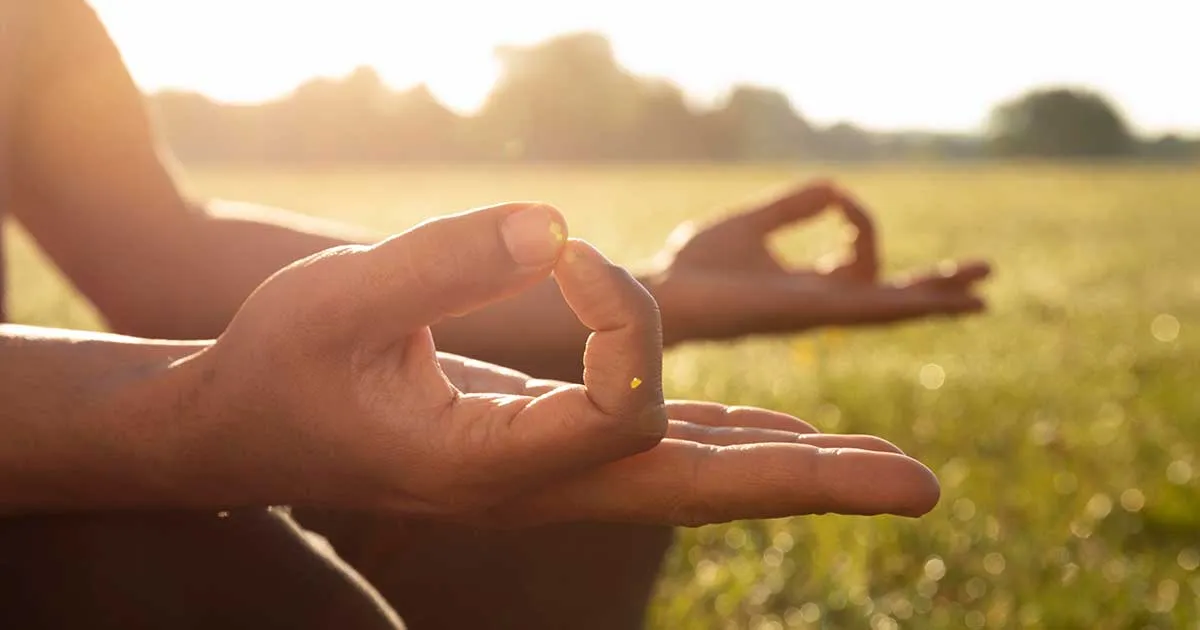
Managing stress and anxiety is like having your own secret toolbox filled with awesome strategies that can help you reclaim your peace! First up, let’s talk about one of the most effective strategies: mindfulness. Getting into the habit of being present can be a game-changer! It helps you tune into your thoughts and feelings without judgment. Plus, it can make a huge difference when separating the difference between stress and anxiety.
Ever tried combining mindfulness with breathing techniques? It’s surprisingly calming! Simply take a deep breath in through your nose, hold it for a few seconds, and gently let it out through your mouth. This simple act can help lower your heart rate and mind racing. How cool is that?
Another amazing strategy is physical activity. Feel like you’re stuck in a rut? A quick walk, a stretching session, or hitting the gym can lift your spirits. Exercise releases endorphins, which are known as the ‘feel-good hormones.’ Whether it’s dancing, yoga, or even just playing with your pet, moving your body helps clear your mind!
Let’s not forget the importance of talking it out! Sharing your feelings with friends or family can lighten your load. Sometimes, just voicing your worries can help you see things differently. Have you ever noticed how getting feedback from someone can offer new solutions?
- Practice mindfulness and meditation.
- Engage in regular physical activity.
- Use breathing techniques to calm your mind.
- Talk to someone who can support you.
- Consider hobbies that bring you joy!
Finally, setting boundaries can be a game-changer! Know when to say no and prioritize self-care. Scheduling ‘me-time’ is not selfish; it’s essential! How do you practice self-care in your daily life?
Common Questions
Is stress and anxiety the same thing?
Stress and anxiety are related but distinct experiences. Stress is typically a response to a perceived threat or challenge, often resulting from external factors such as work pressures, relationships, or financial concerns. It often comes with a clear trigger and can occur in short bursts, motivating individuals to take action. In contrast, anxiety is more of an internal experience that can persist even in the absence of a stressor, characterized by excessive worry and fear about future events.
What is the 3 3 3 rule for anxiety?
The 3 3 3 rule for anxiety is a grounding technique that helps individuals manage their anxiety by encouraging mindfulness. It involves identifying three things you can see, three things you can hear, and three things you can touch. This practice can help shift your focus away from anxious thoughts and reconnect you with the present moment, thereby reducing feelings of panic and overwhelming anxiety.
What comes first, stress or anxiety?
Typically, stress comes first, as it is often a response to an external or immediate situation that poses a challenge or threat. This stress can then lead to feelings of anxiety, especially if the individual perceives the stressor as persistent or if they feel they cannot effectively cope with the situation. Over time, unresolved stress can contribute to chronic anxiety, making the two experiences interrelated but distinct.
Are worry anxiety and stress the same thing?
Worry, anxiety, and stress share some similarities but are not the same. Worry refers to the thoughts and apprehensions we have about potential future events or problems, which can be a part of anxiety. Anxiety is a broader term that encompasses the emotional and physiological responses to stress, and it often includes persistent worry. Stress, on the other hand, is typically an immediate reaction to a specific challenge or threat. While they can all impact mental health, each has unique characteristics and triggers.
When to Seek Professional Help for Anxiety and Stress
Feeling overwhelmed by anxiety and stress can be tough! You might be wondering when it’s the right time to reach out for professional help. The truth is, knowing when to seek support is a crucial part of understanding the difference between stress and anxiety.
If your stress or anxiety has started to interfere with daily life, such as your work, relationships, or social activities, don’t hesitate to talk to someone. It’s totally normal to reach out for help, and doing so can pave the way for a healthier mindset. Have you noticed any patterns in your mood or behavior that concern you?
Feeling constantly on edge, or finding it hard to relax? This might be a signal that it’s time to seek professional advice. Experts can provide insights tailored specifically to your situation, offering tools to help you navigate through tough times. Remember, there’s no shame in seeking help; it’s a sign of strength!
- Persistent feelings of worry or dread.
- Difficulty concentrating or making decisions.
- Physical symptoms like rapid heartbeat or fatigue.
Sometimes the signs can be subtle. You might think, “Oh, it’s just stress,” but if those feelings linger or escalate, it’s wise to seek support. Moreover, if you have a history of mental health issues or if there are major changes in your life or routine, those can be your cues too. Trust your instincts!
Finding the balance between stress and anxiety is important for your mental health. So, don’t hesitate! The sooner you seek help, the quicker you can get back to feeling like your best self again. What are your thoughts on seeking professional help for anxiety and stress?
Final Thoughts: What is the Difference Between Stress and Anxiety
Understanding the difference between stress and anxiety is crucial for managing our mental well-being. Unlike stress, which is often tied to specific events, anxiety can linger and affect us even when there’s no immediate stressor. Knowing these nuances allows us to address our feelings more effectively and choose appropriate coping strategies.
As we explored, both stress and anxiety can have a substantial impact on our mental health, but recognizing the symptoms is a key step in tackling them head-on. Have you found any effective techniques that work for you? It’s all about finding what resonates with you and helps you feel more grounded!
Remember, it’s perfectly okay to reach out for help! Whether it’s talking to a friend, consulting a professional, or exploring self-care practices, taking that step can make a world of difference. We hope this article has shed light on the fascinating differences between stress and anxiety and provided you with the tools to better manage your mental health. You’ve got this!










