Kratom withdrawal can be a tough ride, and many folks are left wondering, how long does kratom withdrawal last? The truth is, this experience varies from person to person. Some might breeze through it in just a week, while others could feel the effects lingering for weeks on end. Understanding what to expect can significantly ease your mind and prepare you for what lies ahead. Are you ready to break free from kratom? Let’s explore the timeline and what you can do to make it a little smoother!
Knowing the duration of kratom withdrawal not only helps in managing expectations but also highlights the importance of having a solid support system in place. Whether you’re going it alone or leaning on friends and family, their encouragement can make all the difference! And don’t forget, reaching out to a professional can provide the guidance you need. Curious about the symptoms to look out for? Buckle up because we’re diving into the nitty-gritty details of kratom withdrawal, so you’re equipped with all the knowledge heading into this challenge.
Understanding Kratom: Use, Benefits, and Risks
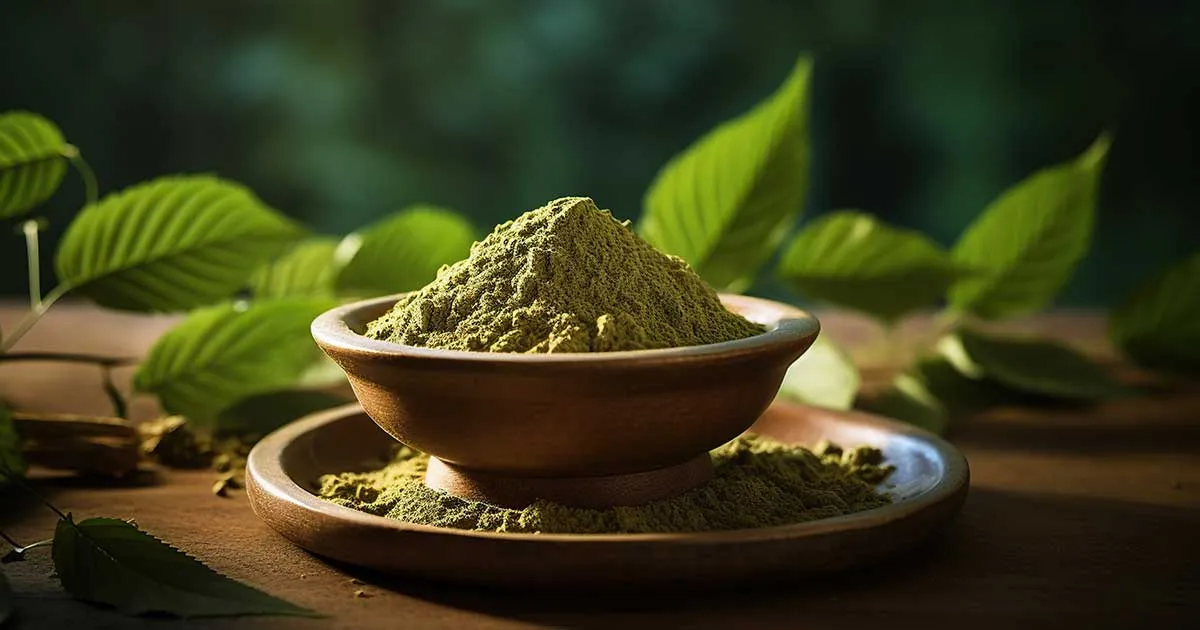
Kratom has become quite the buzzword lately, but what exactly is it? From its roots in Southeast Asia to its rising popularity in the U.S., this herbal supplement packs a punch when it comes to use and benefits. Many turn to Kratom for its potential mood-lifting effects and pain relief. It can act as a stimulant at lower doses, making you feel energetic and social, while higher doses may induce a calming sensation. Sounds intriguing, right?
Yet, not everything about Kratom is sunshine and rainbows. The risks associated with Kratom cannot be ignored. Some users experience dependence, and when they decide to stop, the real challenge begins! This is where the conversation about how long Kratom withdrawal lasts becomes crucial. While many rave about its benefits, the dark side of withdrawal can leave users feeling anxious, irritable, and even physically unwell. Have you heard about these experiences?
- The potential for dependence and addiction
- Withdrawal symptoms can vary in intensity
- Not everyone has the same experience with Kratom
It’s essential to strike a balance when considering Kratom. Understanding its use and benefits alongside its withdrawal risks can empower you with the knowledge you need to make informed choices. Whether you’re just curious or seriously considering using Kratom, being aware of both sides can help you navigate this herbal landscape better! So, what do you think? Are you ready to explore the ins and outs of Kratom withdrawal?
Common Symptoms of Kratom Withdrawal Explained
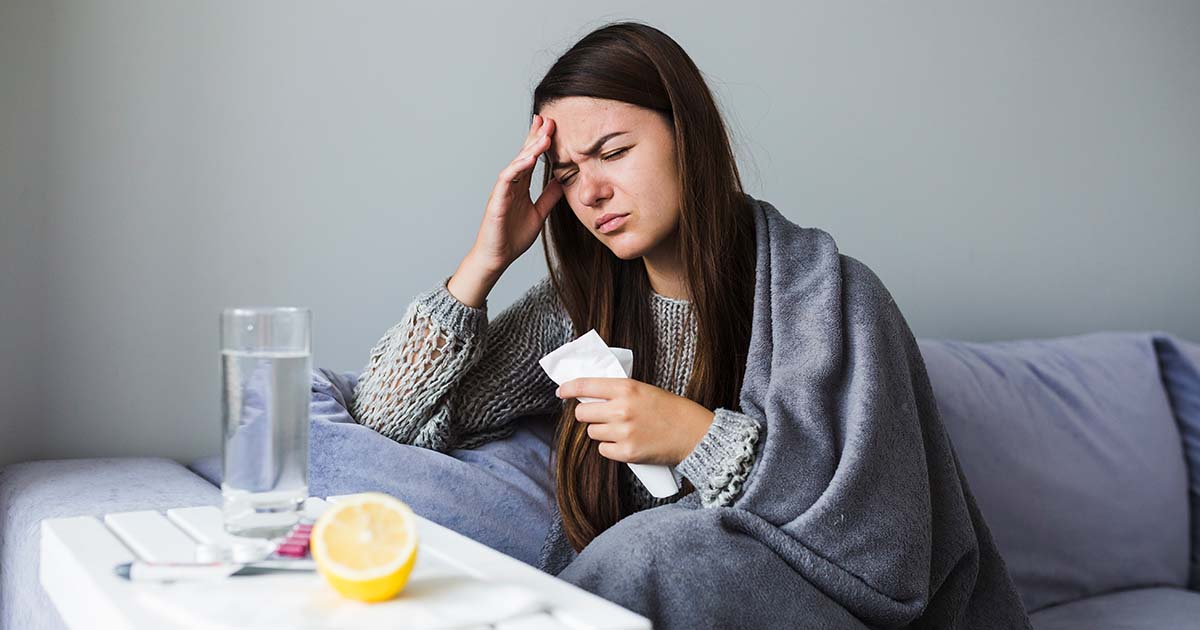
Kratom withdrawal can feel like a tough uphill climb, especially if you’ve been using it regularly. As your body adjusts to functioning without it, a range of uncomfortable symptoms may surface. Knowing what to expect can help you prepare and handle the process more smoothly.
So, what are the most common symptoms?
- Nausea and Vomiting – Your stomach might be unsettled, especially in the early days.
- Muscle Aches and Cramps – Body pain can sneak up on you and make everyday tasks more difficult.
- Irritability and Mood Swings – It’s common to feel emotionally raw or easily frustrated.
- Fatigue and Trouble Sleeping – You might feel exhausted during the day but still struggle to sleep at night.
- Anxiety and Restlessness – These mental symptoms can be just as difficult as the physical ones.
These effects can vary from mild to intense depending on how much kratom you were using and for how long. Some people breeze through it in a few days, while others may feel symptoms lingering for a week or more.
Everyone’s journey is different, and that’s okay. Talk to someone you trust, whether it’s a professional or a peer who understands what you’re going through. Being informed and supported can make a huge difference in how you manage withdrawal.
Factors Affecting Duration of Kratom Withdrawal Symptoms
When it comes to understanding how long kratom withdrawal lasts, it’s crucial to highlight the factors that come into play. Various individual circumstances can significantly affect the duration and intensity of withdrawal symptoms. Knowing these factors can help you better prepare and navigate through the experience while seeking support from family and friends. So, what are these factors?
First off, the amount and frequency of kratom use are major players. If you’ve been taking larger doses or using it daily for a long time, your body might have adapted to it more, making the withdrawal process longer and tougher. Similarly, individual factors like your genetics and overall health can heavily impact how quickly you bounce back. Did you know that some people metabolize substances faster than others?
Your mental health prior to quitting can also shape your experience. For instance, if anxiety or depression was already a concern, withdrawal might feel more daunting. Additionally, combining kratom with other substances—whether they’re legal or illegal—could extend withdrawal periods. Isn’t it fascinating how intertwined these factors are?
- Amount and frequency of kratom use
- Individual genetics and overall health
- Mental health status before withdrawal
- Use of other substances
Understanding these aspects empowers you to approach kratom withdrawal with more awareness. So remember, as you manage your withdrawal journey, patience and self-compassion are key. Each person’s ride is unique, and knowing what might influence your experience can help lighten the load.

Ways to Manage and Alleviate Withdrawal Duration
Navigating through the challenges of kratom withdrawal can feel like an uphill battle, but there are effective ways to manage and alleviate the duration of those pesky symptoms! One of the best initial strategies is to stay hydrated. Drinking plenty of water not only helps flush toxins out of your system but also keeps you feeling more energized. Have you ever felt that boost from a refreshing glass of water?
Another powerful technique is to focus on nutrition. Fueling your body with healthy foods can enhance your mood and support recovery. Think about incorporating fruits, veggies, and lean proteins into your meals. Foods rich in magnesium, like spinach and almonds, can help ease anxiety and muscle tension too! This makes it much easier to think straight while dealing with withdrawal.
- Exercise Regularly: Engaging in light physical activity like walking, yoga, or even dancing can boost your endorphins and lift your spirits.
- Practice Mindfulness: Techniques such as meditation or deep breathing can significantly reduce stress and promote relaxation. Why not try a short mindfulness session?
- Connect with Others: Whether it’s friends, family, or support groups, sharing your feelings can offer comfort and keep loneliness at bay.
Ultimately, remember that it’s entirely okay to ask for help. Support from loved ones, or even professionals, can be a game-changer in managing kratom withdrawal. Just be gentle with yourself; you’re making significant strides toward recovery!
When to Seek Professional Help for Kratom Withdrawal
Recognizing when to seek professional help during kratom withdrawal can be a game-changer in your recovery process! If you’ve started feeling cravings or intense symptoms that you just can’t handle alone, it might be time to reach out for support. Remember, your health and well-being are paramount.
Certain signs indicate that professional intervention is necessary. For instance, if your withdrawal symptoms escalate into severe anxiety, depression, or physical pain that disrupts your daily life, don’t hesitate to get help. Professionals can provide valuable guidance and strategies tailored to your unique situation—making your journey smoother.
- Uncontrollable cravings for kratom that lead to relapse
- Severe emotional instability or depression
- Physical symptoms such as nausea and extreme discomfort
Feeling overwhelmed and not knowing where to turn? Remember, seeking help doesn’t mean you’re weak; it shows your strength and commitment to recovery. Have you considered joining a support group or seeking therapy? These options can provide not just professional advice but also a community of understanding individuals who know exactly what you’re facing.
Common Questions
How many days do withdrawal symptoms last?
The duration of withdrawal symptoms can vary significantly depending on the substance involved, individual physiology, and the duration of use. Generally, withdrawal symptoms can last anywhere from a few days to several weeks. For example, alcohol and benzodiazepine withdrawal may peak within 1 to 3 days and gradually diminish over a week or two, whereas opioid withdrawal symptoms can begin within 6 to 12 hours after the last dose and can last up to several weeks.
How to avoid withdrawal symptoms?
To avoid withdrawal symptoms, it is crucial to approach substance cessation with a planned strategy. Gradual tapering of the substance under the guidance of a healthcare professional can help minimize symptoms. Additionally, engaging in support systems such as therapy, counseling, or support groups, along with maintaining a healthy lifestyle that includes proper nutrition, exercise, and hydration, can further aid in reducing the severity of withdrawal symptoms.
How long does withdrawal insomnia last?
Withdrawal insomnia can last anywhere from a few days to several weeks, depending on the substance and individual circumstances. Often, the first few nights after cessation may be particularly difficult, but as the body adjusts to the absence of the substance, sleep patterns may begin to normalize. It’s important to address insomnia with relaxation techniques and, if necessary, consult a healthcare provider for appropriate interventions.
What are the withdrawal symptoms of addiction?
Withdrawal symptoms of addiction can encompass a wide range of physical and psychological symptoms, which may vary based on the substance used. Common symptoms include anxiety, depression, irritability, insomnia, sweating, nausea, and various physical discomforts. For substances like opioids, withdrawal may also include muscle aches, fever, and gastrointestinal distress, while alcohol withdrawal can lead to more severe symptoms such as tremors and seizures in extreme cases. Seeking medical assistance during this time is highly recommended.
Kratom Withdrawal vs Other Substance Withdrawals
When comparing Kratom withdrawal to other substance withdrawals, it’s essential to recognize that each type comes with its own unique challenges. Whereas classic instances like alcohol or opioid withdrawal can throw you into a whirlwind of dangers, Kratom withdrawal is often considered somewhat milder but still packs a punch. Did you know that the symptoms can vary in intensity depending on your usage? That’s right!
Kratom affects the brain’s receptors differently than many traditional substances. While alcohol withdrawal might bring on seizures or severe mood swings, Kratom tends more towards uncomfortable flu-like symptoms, anxiety, and cravings. It’s like switching from a roller coaster ride to a bumpy road trip! What have your experiences been like with different substances?
On the flip side, common substances like opioids can include terrifying effects such as acute pain and extreme nausea during withdrawal phases. With Kratom, while the experience can be a nuisance, it’s rarely life-threatening. For some, this can create a false sense of security; they might underestimate the discomfort! It’s crucial to keep that in mind as you navigate through your withdrawal process.
- Kratom withdrawal tends to last shorter than opioid withdrawal
- Kratom can cause less severe symptoms than alcohol withdrawal
- Both Kratom and other substances may lead to cravings and mood swings
March 2025 Update: How Long Does Kratom Withdrawal Last?
As of March 2025, more people are becoming aware of the withdrawal effects tied to long-term kratom use. While the severity and length of withdrawal can vary from person to person, having a general idea of what to expect can help make the process more manageable.
Withdrawal Timeline Overview
- 6 to 12 Hours After Last Use
Symptoms typically begin within this window. Early signs may include restlessness, anxiety, sweating, and mild stomach discomfort. - 1 to 3 Days Post-Use
This is usually the peak withdrawal period. Symptoms often intensify and may include muscle aches, irritability, insomnia, nausea, and mood swings. - 4 to 7 Days
Most physical symptoms start to ease up, though fatigue and trouble sleeping can still linger. - Beyond 1 Week
Some people may continue to experience cravings, low energy, or emotional ups and downs. This is sometimes referred to as Post-Acute Withdrawal Syndrome (PAWS).
What Affects Duration?
- How long and how much you used – Heavier, more frequent use can lead to longer withdrawal periods.
- Your health and metabolism – Every body is different, and these factors play a big role in recovery speed.
- Your environment and support – Being in a safe space and having access to help can ease both the timeline and severity of symptoms.
While kratom withdrawal can feel overwhelming, knowing what’s normal—and when to seek support—makes the journey more manageable. Recovery is rarely linear, but with patience and self-care, each day gets a little easier.
Wrapping Up: How Long Does Kratom Withdrawal Last?
Understanding how long kratom withdrawal lasts is crucial for anyone navigating their recovery journey. The duration can vary based on several factors like usage, individual health, and support systems. Remember, you’re not alone in this. Many have faced similar challenges and emerged stronger on the other side!
Managing withdrawal symptoms takes time, but with the tips we’ve shared, you can make the process a little easier. From holistic remedies to knowing when to seek professional help, embracing each step can lead to a healthier life. Don’t hesitate to reach out for support; it’s a vital part of the healing journey. And remember, patience is key as you work through your recovery. You’ve got this!