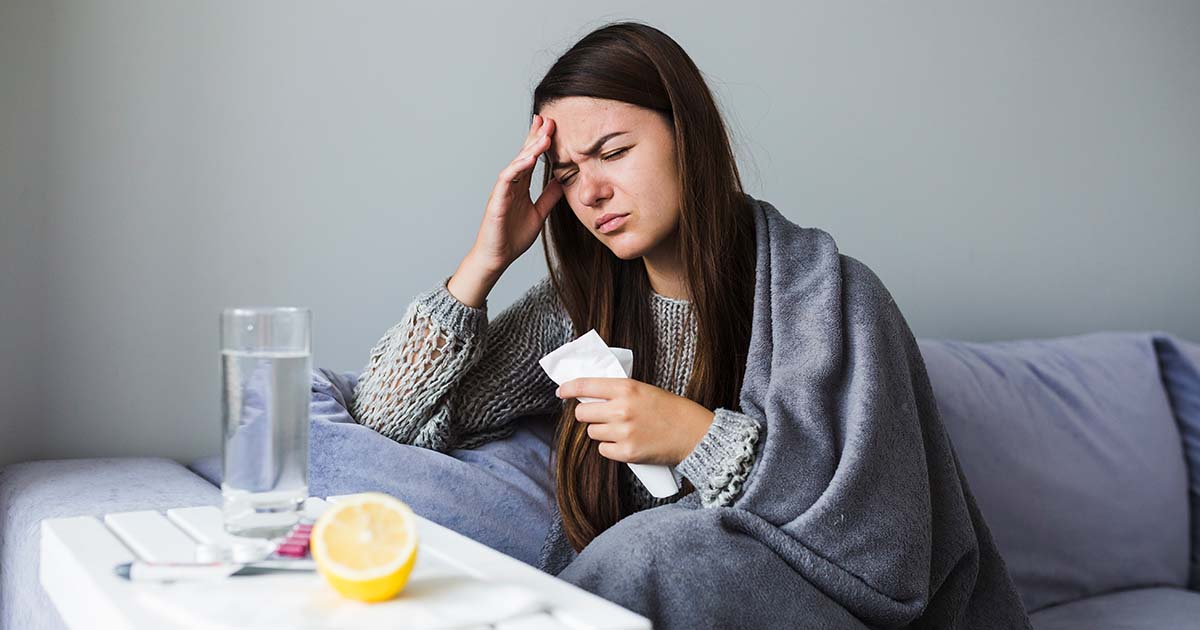
If you’re curious about the benzo flu, you’re not alone! Many people experiencing benzodiazepine withdrawal might find themselves dealing with some pretty uncomfortable symptoms, often referred to as the benzo flu. It’s essential to understand what this entails, as being informed can make a world of difference in how you handle the recovery journey.
So, what exactly are these withdrawal symptoms that have garnered this funky nickname? The benzo flu may leave you feeling a mix of physical and emotional discomfort, including anxiety, fatigue, and flu-like sensations. Yikes! But don’t worry. You’re not in this alone, and understanding these symptoms is a crucial step toward regaining control of your mental health.
Common Symptoms of Benzo Withdrawal and Their Impact
Feeling like you’re in a haze? If you’re experiencing symptoms of benzo withdrawal, you might be grappling with what’s often referred to as the benzo flu. This term captures the uncomfortable and sometimes overwhelming feeling that can come when you stop using benzodiazepines. It’s not just about physical symptoms; the emotional toll can be significant too! Are you ready to learn what you might encounter during this process?
Common symptoms include anxiety, irritability, and a sense of disconnection. You might feel like you’re on an emotional rollercoaster, with highs and lows that seem to come out of nowhere. Each person’s journey is unique, and how you experience withdrawal may vary, but understanding these symptoms can help you prepare for the challenges ahead. For instance, have you ever felt a knot in your stomach about something that just wouldn’t go away?
Additionally, physical symptoms like headaches, sweating, and tremors often accompany these emotional struggles. You might feel like your body is working against you, which can be super frustrating! It’s crucial to remember that these symptoms are temporary, even if they feel like they’re dragging on forever. Take a deep breath! ️ It helps to know what to expect, and you’ll find ways to cope with them!
- Anxiety and Panic Attacks
- Irritability and Mood Swings
- Physical Symptoms like Tremors and Sweating
- Sleep Disturbances such as Insomnia
- Difficulty Concentrating
The impact of these symptoms can be profound, affecting your daily life, relationships, and overall well-being. Remember, it’s absolutely okay to ask for help during this time. Surrounding yourself with supportive friends or family can make a world of difference. It’s important to recognize that you are not alone on this journey; many have traveled this road and have come out stronger on the other side!

Understanding the Benzo Flu: What You Need to Know
So, you might be wondering, what exactly is the benzo flu? It’s a term used to describe a cluster of withdrawal symptoms that people experience when they stop taking benzodiazepines. These symptoms can range from the mildly annoying to the downright debilitating, and understanding them is key to managing your recovery. Let’s break it down!
When you suddenly stop or reduce your benzodiazepine intake, your body goes through a bit of a rebellion. After all, it’s used to having those meds on hand! Common symptoms of the benzo flu include anxiety, insomnia, nausea, and muscle pain. Can you picture trying to sleep while feeling jittery? Yikes! This can create a tough situation where individuals may be tempted to take their medication again just to ease the discomfort.
The benzo flu isn’t just about physical discomfort; it can mess with your emotional state too. Many people report feeling irritable, restless, or even depressed during this time. It’s not all in your head—your brain is adjusting to a new normal without the drug! It’s completely normal to feel overwhelmed, but knowing what you’re up against can empower you. ️
What’s important is to remember that you’re not alone in this. Many others have navigated the tough waters of benzo withdrawal and have come out the other side stronger. If you’re struggling with symptoms, consider reaching out for support—whether it’s friends, family, or a health professional. Engage with those who understand what you’re going through and let them help you fight against the benzo flu!
- Anxiety and restlessness
- Insomnia and sleep disturbances
- Nausea and gastrointestinal issues
- Muscle aches and pains
- Irritability and emotional changes
How Long Do Benzo Withdrawal Symptoms Typically Last?
When dealing with withdrawal, one of the biggest questions that often pops up is, “How long do benzo withdrawal symptoms last?” Understanding the timeline can really help prepare you for what’s ahead and make the process a little less daunting. Typically, symptoms can last anywhere from a few days to several weeks, depending on various factors including your body’s chemistry, the duration of use, and the dosage you were on. Knowing what to expect can truly empower your recovery journey!
For many, the initial symptoms of the benzo flu start showing up a few days after you stop taking the medication. This can range from mild anxiety to more intense symptoms like headaches and insomnia. The peak of these symptoms generally hits around the second week mark. Are you ready to tackle that? Just remember, while it might feel overwhelming, many people find solace in knowing that this phase is temporary!
After the first couple of weeks, symptoms may start to ease up, but it can still take time—sometimes up to six months or more—before everything feels back to normal. Frustrating, right? But understanding that this is part of the healing process can really make a difference in coping. Connecting with others who are going through the same thing can be incredibly helpful. Have you considered reaching out to support groups or communities?
- Initial symptoms (days 1-3): Anxiety, insomnia, headaches.
- Peak symptoms (around week 2): Increased severity of withdrawal effects.
- Gradual easing (weeks 3-6): Symptoms may diminish but can linger.
- Long-term effects (up to 6 months): Some individuals may experience protracted withdrawal symptoms.
Managing the Benzo Flu: Effective Coping Strategies
Managing the benzo flu can be quite the challenge, but you’re definitely not alone in this! Many individuals experience a range of withdrawal symptoms when they stop taking benzodiazepines, and understanding how to cope is crucial. So, how can you manage those uncomfortable feelings when withdrawal hits? Let’s dive into some effective coping strategies!
One of the first things to remember is to stay calm. Stress can amplify the symptoms of the benzo flu, so practice relaxation techniques like deep breathing or meditation. Have you tried taking just a few minutes each day to practice mindfulness? ️ It can make a world of difference! Plus, finding a quiet spot to escape to can help center your mind.
Next up, don’t underestimate the power of support. Surround yourself with friends and family who understand what you’re going through. Talking about your feelings—whether it’s verbally or even through journaling—can help release those pent-up emotions. Are there any supportive communities you can tap into, either online or in-person? Connecting with people who have been through similar experiences can feel incredibly empowering.
Lastly, keep a consistent routine! Establishing daily habits like regular meals, exercise, and sleep can support your mood and overall well-being. Exercise is particularly helpful, as it releases those feel-good endorphins! Consider trying light workouts like yoga or walking. These simple activities not only improve your physical health but can uplift your mood as well.
In conclusion, while managing the benzo flu may seem daunting, incorporating these effective coping strategies can help you navigate through this challenging time. Remember, you’re building new habits for recovery that can lead to a healthier and happier life. So, what strategies will you implement first?
Professional Help and Treatment Options for Withdrawal
When dealing with the challenges of withdrawal, especially when experiencing symptoms often referred to as the benzo flu, it’s crucial to know that you’re not alone. Seeking professional help can make a world of difference on your road to recovery. Have you thought about the various treatment options available? Well, let’s explore that!
From therapy to medication management, a variety of solutions are out there to assist you in navigating through the tough times. For instance, cognitive-behavioral therapy (CBT) may be beneficial in addressing the underlying issues contributing to benzodiazepine use. This can help you develop healthier coping strategies. What do you think? Could talking to a professional give you the clarity you need?
Medication-assisted treatment (MAT) can also play a significant role in easing withdrawal symptoms. Doctors might prescribe specific medications to help alleviate the discomfort associated with the benzo flu. This approach not only aids in symptom management but also supports your overall recovery. Remember, consulting a healthcare professional can provide you with tailored recommendations based on your individual needs!
- Individual therapy sessions
- Group therapy support
- Medication-assisted treatment
- Holistic therapies like yoga or meditation
Plus, don’t underestimate the power of support groups! Surrounding yourself with individuals who understand what you’re going through can be incredibly uplifting. These groups provide not only healing energy but also a shared sense of accountability. Have you considered joining one? It might just spark some inspiration as you work through your recovery journey!

Recognizing the Importance of Support Systems in Recovery
Support systems play a crucial role in navigating the rough seas of recovery, especially when dealing with the challenges of withdrawal. Whether it’s friends, family, or support groups, these connections can provide the understanding and encouragement you need. Can’t you just feel the weight lift off your shoulders when you talk to someone who gets it?
When facing symptoms like the benzo flu, it’s vital to have a network that supports you. You don’t have to go through this tough time alone! Having someone to talk to can make all the difference. Imagine sharing your feelings with someone who truly understands how you feel—that’s the power of connection!
- The comfort of shared experiences: Knowing you are not alone can be incredibly soothing.
- Encouragement when the going gets tough: A support system can help you stay motivated.
- Accountability: Someone in your corner can help you stick to your recovery goals.
Support systems can come in various forms. You might be surprised that professional help, like therapists, can really elevate your recovery game too! What about online communities? They’re amazing places to reach out when you need a friendly ear. Have you ever thought about joining one?
Ultimately, embracing your support system is about building a safety net. As you grapple with withdrawal symptoms and explore what the benzo flu entails, remember that having people who care reduces feelings of isolation. The journey to recovery doesn’t have to be lonely—let’s reach out and make those connections!
Wrapping Up: Understanding Benzo Withdrawal Symptoms and The Benzo Flu
In conclusion, understanding the benzo flu is crucial for anyone navigating the challenging waters of benzodiazepine withdrawal. It’s not just about identifying the common symptoms but truly grasping their impact on your daily life and overall mental health. Recognizing what lies ahead can empower you to manage your recovery more effectively. Have you considered the full range of symptoms you might encounter during this process?
Implementing effective coping strategies, seeking professional help, and relying on your support system can make all the difference when battling the benzo flu. Remember that recovery is a journey, not a race. Staying informed about your symptoms and treatment options strengthens your resolve. Don’t hesitate to reach out for help—we’re all in this together, cheering each other on!