

You know that annoying feeling when you’re just sitting there but can’t seem to relax? It’s time to learn how to stop feeling restless and regain your calm! We’ve all been there, tossing and turning in our minds, searching for some peace. But don’t worry, this article is packed with effective strategies that will help you kick that restlessness to the curb! ️
Whether you’re struggling during a long workday or winding down at home, feeling restless can really put a damper on your vibe. Who wants to spend their precious time feeling on edge? Well, buckle up because we’re about to dive into some killer techniques that will have you feeling like your cool, collected self again. Are you ready to reclaim your peace of mind? Let’s get started!
Understanding Restlessness: What Causes It and Why
So, what exactly is restlessness? It’s that pesky feeling where you can’t quite settle down, right? You might feel an overwhelming urge to move around, fidget, or just keep busy. Understanding the roots of this sensation is the first step to effectively stop feeling restless. Stress? Boredom? Or maybe a need for change? These feelings can pop up for various reasons!
Many factors contribute to restlessness. Picture this: stressful work situations, a busy mind, or even just everyday annoyances can leave you feeling on edge. Did you know that our environment plays a huge role too? Sometimes, loud noises or clutter can heighten those restless vibes, making it hard to think straight. It’s like trying to focus in a packed café – tough, right?
- Anxiety: Feeling overwhelmed can lead to that constant urge to move.
- Boredom: Not having enough stimulation can create restlessness.
- Lifestyle Factors: Lack of sleep or poor diet can mess with your mind and body.
Another biggie? Your physical health! When you’re not getting enough exercise or when your body is run down, those restless feelings can kick in harder than usual. Have you ever noticed how a good workout can make you feel calmer? It’s no coincidence! Staying in tune with your body is essential to combat restlessness.
And let’s not forget about the big emotional monster we call loneliness, which can make us feel pretty restless too. Connecting with others can often be an instant mood lifter! If you’re feeling like your world is a bit isolated, why not reach out to a friend? Sometimes, a chat or a shared laugh is all it takes to curb that restless feeling!
Effective Mindfulness Techniques to Stop Feeling Restless
Effective mindfulness techniques can truly be game changers when you’re trying to stop feeling restless. You ever sit there, mind racing a mile a minute, unable to focus? Believe me, you’re not alone! Mindfulness is all about grounding yourself in the present moment—think of it as your own mental reset button.
One of the best ways to start is through meditation. Just a few minutes a day can help clear your mind and bring a sense of calm. You don’t need to sit cross-legged for hours! Just find a quiet spot, close your eyes, and concentrate on your breathing. Can you feel the stillness sweep over you? It’s like hitting the pause on the chaotic train of thoughts racing through your head!
Another awesome technique is body scanning. This involves paying close attention to each part of your body—starting from your head down to your toes. Focus on how each area feels and let go of any tension you might be holding onto. Who knew simply checking in with your body could help you feel so relaxed?
And let’s not sleep on guided imagery. Picture this: you’re on a sun-drenched beach with gentle waves lapping at your feet, or perhaps in a serene forest, the sound of birds chirping in the background. By visualizing a peaceful setting, you can transport your mind to a calming place, making it easier to stop feeling restless. Have you ever tried visualizing your happy place?
- Take a few deep breaths and focus on your inhalation and exhalation.
- Try incorporating a quick gratitude practice—think of three things you’re grateful for.
- Set aside 5-10 minutes daily for mindfulness exercises!
Implementing these mindfulness techniques can be your secret weapon against restlessness! So, why not give them a shot? Who knows, you might just find the zen you’ve been missing!
Physical Activities and Exercises to Calm Your Restlessness
Engaging in physical activities can be a game changer when you’re trying to stop feeling restless. Whether in a gym or taking a leisurely stroll, moving your body helps release that pent-up energy and calms your mind. Have you ever noticed how a good workout can leave you feeling refreshed and relaxed? It’s like a breath of fresh air! ️
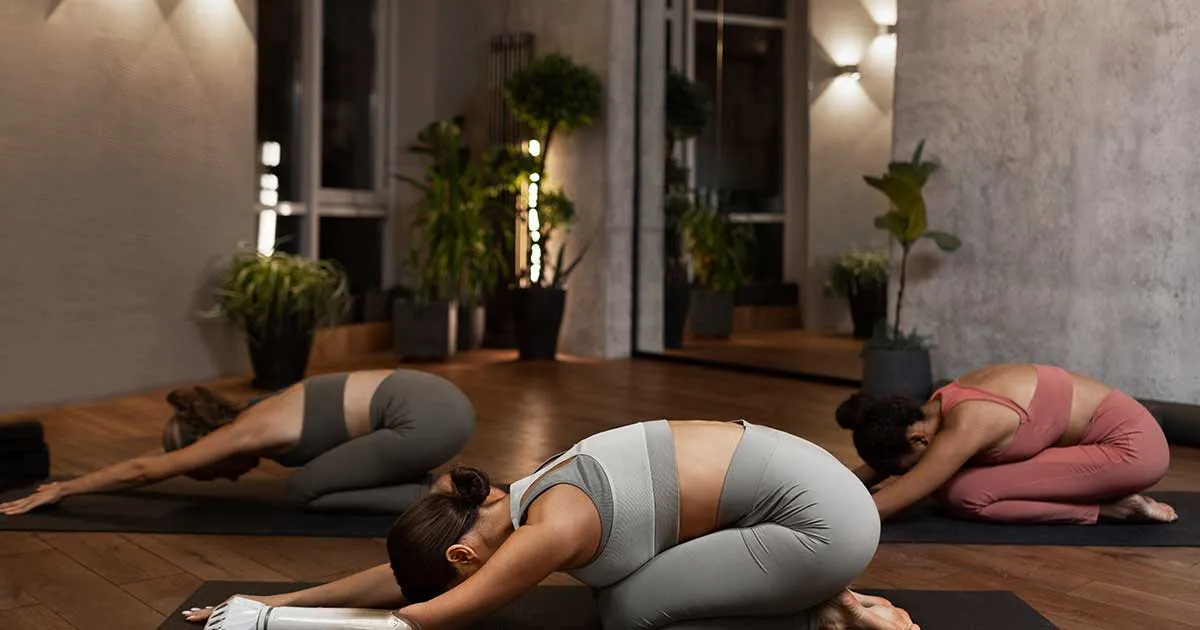
From yoga to dancing, the options are endless! Yoga stretches not only help improve flexibility but also center your mind. Try positions like the Child’s Pose or Downward Dog and feel your worries melt away. If you prefer something more vibrant, turn on your favorite tunes and dance like nobody’s watching! Seriously, it’s hard to be restless when you’re busting out those moves!
- Walking or jogging outdoors to soak in some nature vibes.
- Joining a group fitness class for that extra motivation.
- Practicing tai chi to harmonize your mind and body.
Even simple stretches can work wonders. Take a break and reach for the sky, then bend down and touch your toes. Not only does it feel great, but it gets that blood pumping and those endorphins flowing! Are you ready to give it a shot?
It’s all about finding activities that make you feel good. So, what’s your favorite way to break a sweat? Remember, the goal here is to transform that restless energy into something productive and uplifting. When we involve our bodies, we often find our minds following suit. We can learn to channel restlessness into energy that fuels our happiness instead! Let’s get moving!
Creating a Relaxing Environment to Reduce Restlessness
To truly stop feeling restless, it’s essential to create an oasis of tranquility around you. A calming environment can work wonders for your mind, acting as a buffer against the chaos of daily life. Think about it: how do you feel when you step into a peaceful space? Instantly more relaxed, right?
Start by decluttering your surroundings. A messy space can lead to a messy mind. Spend a few minutes tidying up your room or workspace, and watch how your anxiety starts to fade. Want more calm? Incorporate elements that soothe your senses! Soft lighting, scented candles, and cozy textiles can transform any space. What’s a must-have for your relaxation routine?
- Soft pillows and throws to make your space inviting.
- Aromatic candles or essential oils in calming scents like lavender or chamomile.
- A gentle sound machine or soothing music to create a mellow atmosphere.
Don’t underestimate the power of nature! Bringing plants into your space not only adds beauty but also purifies the air and boosts your mood. Plus, caring for plants can be a grounding activity that helps you stop feeling restless. When was the last time you took a breather in your garden, or even at a local park?
Finally, consider your routines! Designate areas for relaxation, whether that’s a corner with a comfy chair or a cozy nook filled with your favorite books. Make it a habit to spend time in this sanctuary, especially when you feel that restlessness creeping in. With the right environment, you’ll find it much easier to unwind and refocus your energy.

Practicing Breathing Techniques to Alleviate Restlessness
Breathing techniques are a game changer when it comes to calming that restless feeling. ️ If you’ve ever laid awake at night, mind racing with thoughts, you know just how annoying it can be! Thankfully, taking a few moments to focus on your breath can do wonders to help you relax. You might be thinking, “How can this simple act make a difference?” Let’s break it down!
First off, let’s talk about the basics. Controlled breathing helps activate your body’s relaxation response, which reduces tension and stress. Try inhaling through your nose for a count of four, holding that breath for four seconds, and then slowly exhaling through your mouth for eight seconds. Ahh, feel the difference already? That’s right! This technique, known as the 4-4-8 method, is super simple and effective. It can drastically help you stop feeling restless by rerouting your focus from anxious thoughts to the sound and rhythm of your breathing.
Another exciting technique is diaphragmatic breathing. ️ Instead of shallow breaths from your chest, use your diaphragm to breathe deeply. Place one hand on your chest and the other on your belly. As you breathe in, your belly should rise more than your chest. This not only encourages deeper relaxation but can also give you that peaceful vibe you need to ease restlessness. Have you ever tried this before? Give it a shot!
You don’t have to stick to one method either! Explore different breathing exercises to find what feels best for you. Some people enjoy visualization while they breathe, picturing themselves in a calm and serene place. Others might combine breathing with gentle stretches to enhance relaxation even more. Why not make it a daily routine? Setting aside a few minutes each day for these techniques can help you feel more grounded and less restless overall.
- 4-4-8 Breathing Technique
- Diaphragmatic Breathing
- Breathing with Visualization
Incorporating regular breathing techniques into your day can truly transform how you manage restlessness. So, next time you’re feeling that urge to fidget or your mind starts racing, take a deep breath, count, and feel yourself relax! Who knew such a small action could drive away those restless vibes?
Seeking Professional Help: When to Consult a Therapist
Sometimes, restlessness can feel overwhelming, and it might be difficult to pinpoint the source. If you’ve tried various strategies but still find yourself unable to stop feeling restless, it might be time to consider seeking professional help. Consulting a therapist isn’t just for those in crisis; it can be a proactive measure to understand and manage your feelings better. Have you ever thought about the benefits of having an expert to guide you through this?
Therapists are trained to help you identify the roots of your restlessness. They can provide an impartial perspective and develop tailored strategies that might work better for you than anything you’ve tried on your own. Think about it—how great would it be to have someone support you in navigating your feelings?
So, when should you seek out a therapist? If your restlessness is triggering anxiety or negatively affecting your daily life, it’s a sign to consult a professional. Symptoms like racing thoughts, excessive fidgeting, or difficulty concentrating might hint at an underlying issue that’s worth discussing. By addressing these concerns with a professional, you can work on strategies to regain focus and serenity.
Moreover, therapy isn’t just about problem-solving. It’s also about growth! Engaging in therapy can give you insights into your behaviors and thought patterns. Plus, many people report feeling more empowered and capable after a few sessions. Are you ready to take that step towards feeling less restless and more at peace?
- Feeling consistently overwhelmed or anxious.
- Experiencing mood swings or irritability.
- Struggling with daily tasks or responsibilities.
Ultimately, the journey towards finding peace is different for everyone. If you’re feeling constantly restless, don’t hesitate to reach out—getting help is a powerful step towards a calmer, more focused you.
Final Thoughts: How to Stop Feeling Restless
So there you have it—some fantastic strategies to help you stop feeling restless! From understanding the root causes of your restlessness to incorporating mindfulness techniques and creating a peaceful environment, you now have the tools to regain control over your well-being. Just imagine how liberating it will feel to finally find that calm amidst the chaos!
Whether you try out new breathing exercises or engage in invigorating physical activities, every small step counts towards a more peaceful you. Don’t hesitate to explore these approaches and see what resonates best with you. The journey to tranquility is personal and requires a bit of trial and error, but that’s perfectly okay! Are you ready to reclaim your peace of mind?










