Reiki, a gentle form of energy healing that originated in Japan, is increasingly being explored as a supportive tool in addiction recovery. So, can Reiki help with addictions? Many advocates believe that it can, as it helps to reduce stress and anxiety while boosting overall feelings of peace and relaxation. This sense of calm can be especially valuable for individuals in recovery, who often face overwhelming emotions and high-stress situations that might trigger a relapse.
Supporters of Reiki suggest that by working to balance the body’s energy, the practice fosters a more centered state of well-being. This improved equilibrium can reduce the emotional pain that sometimes leads to turning to substances as a coping mechanism. In essence, Reiki offers a complementary approach to traditional therapies by addressing the subtle energy imbalances that may contribute to addictive behaviors.
What Is Reiki?
Reiki is one of the most influential and well-known healing techniques. It is a Japanese method of alternative therapy that dates back to the late 1800s. Reiki is considered a supplementary health therapy that has been used to treat drug addiction and other bodily ailments.
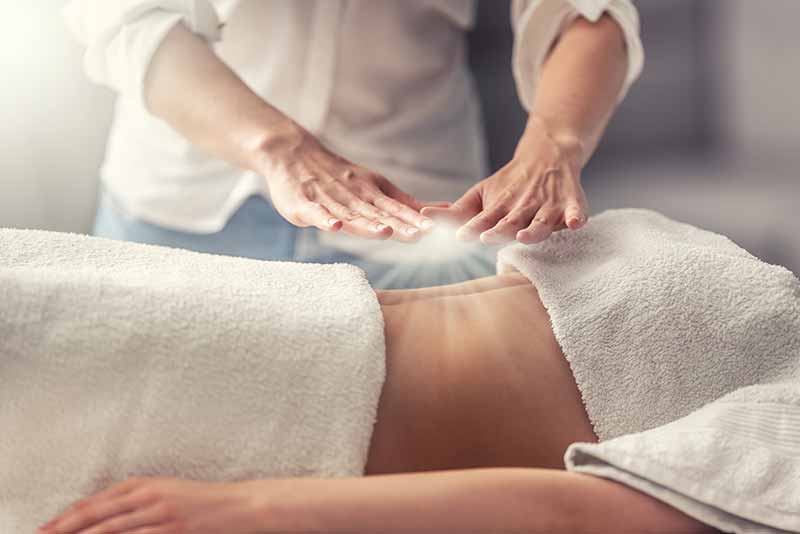
The core of this therapy is the transfer of universal energy from a practitioner’s hands to their patients. Energy healing can address the energy fields that surround your body. So, can Reiki help with addictions?
Reiki therapy for drug addiction can help a person recover when combined with other treatment modalities, making it a complementary remedy. Some individuals who employ this therapy method report feeling a shift in their energies and no longer desire to consume or abuse illegal substances. They can make a complete lifestyle change because of the increase in their energy levels.
Professional Reiki practitioners say energy stays in the body with physical or mental pain. These energy barriers might lead to illness if they are not addressed promptly. Energy treatments, like acupuncture and acupressure, can aid energy flow and remove blockages. If your energy flow improves, you might anticipate feeling calmer, healing faster, less discomfort, and fewer sickness symptoms.
How Can Reiki Help With Addictions?
Can Reiki help with addictions?
Reiki therapy helps with various ailments, including chronic pain, heart disease, anxiety, depression, and neurodegenerative diseases. Some people use Reiki in rehab because of its widespread ability to heal. People who subscribe to Reiki receive life’s energy, and practitioners also claim that this type of practice can help with heart disease. Others also believe that this can help in pregnancy and even after giving birth.
Addiction is a disease that often leads to a variety of other secondary problems. There are several benefits of Reiki for addiction. It can give mental health benefits, which include the following:
- Boost creativity
- Improves mind relaxation
- Develops good memory
- Increase consciousness
- Aid from a traumatic experience
- Reduces anxiousness and depressive symptoms
Reiki can alleviate complex emotions, sleeplessness, and low self-esteem. It can also assist people spiritually, making them feel like they are living a more meaningful life. Some people say they feel more connected to themselves after receiving Reiki treatment. It lessens the pain associated with drug addiction.
The individual receiving Reiki treatment and their perspective are the most critical factors. Reiki may be an excellent choice to consider if you or a loved one is suffering from a drug or alcohol addiction.
Reiki Therapy Can Help Patients Manage Withdrawal Symptoms
According to some Reiki practitioners, the treatment will help those experiencing withdrawal symptoms due to the detoxification process. People will relieve the physical pain caused by withdrawal symptoms using this therapy strategy because it is relaxing. Most patients suffering from addiction have trust issues and are wary about treatment, especially alternative medicine, during the early stages of recovery.
On the other hand, Reiki therapy can help a person be calm when having a temper due to withdrawal. This form of treatment can make a person feel relaxed, secure, and at ease. Individuals are more inclined to let go of the terror and trauma they felt during detoxification if their body and mind have reached a point of safety and peace.
Alternative Medicine And Drug Addiction (A Relationship)
Addiction is recognized as a chronic disease that transforms a person’s thinking and behavior. Successful treatment at a luxury rehab center such as Heal depends on a person’s needs and attitude. Alternative treatments, like Reiki therapy for addiction treatment, have shown to be successful in some cases; nevertheless, it is likely to be effective only when it is tailored to the individual’s specific requirements and beliefs. Furthermore, this strategy might be insufficient for addiction treatment, for it works best when science-based procedures are combined.
Individuals who suffer from addiction believe that they experience the following as a result of substance intake:
- Uncontrollable
- Engage in harmful behavior
- Bring out memories of anguish and pain
- Constantly deceiving people and oneself
- They feel lonely
On the other hand, People who have recovered reported that they feel the following:
- Newfound freedom
- Honesty
- Joy
- They are in control of their lives
Alternative medications can help a person seek self-improvement since people identify addiction with severe feelings of dishonesty, agony, and despair, whereas recovery is associated with happiness, honesty, and independence. After all, most rehabilitation methods, even alternative ones, are designed to encourage intense sensations of well-being, meditation, and reflective thought.
All of this sounds wonderful, but does Reiki help with addictions?

Is Reiki Effective For Drug Addiction?
Reiki is known as a complementary health approach for drug addiction and other physical health conditions, but can Reiki help with addictions?
This type of therapy, when used for addiction treatment, does not supplement standard, medical-based approaches for recovery and mental health disorders. Furthermore, no scientific proof suggests life force energy is shared and transmitted from practitioner to receiver.
Reiki therapy for drug addiction can help a person recover when used alongside other treatment methods. Some patients who use this treatment method report experiencing an energy shift and no longer want to use or abuse any illicit substances. They may experience a complete lifestyle change due to positive energy levels. For some patients, this practice can be beneficial in the early stages of their recovery journey.
Can Reiki Help With Addiction?
Addiction is exhausting to deal with, and it may be hard to be sober again. There are a variety of treatments you would want to consider. You will never know how Reiki will be beneficial to you if you never tried it. Can Reiki help with addictions? Definitely! It will not just boost your mental ability, but also it can help you detoxify and see a whole new perspective. All you have to do is not waste your time and retake control of your life through an alternative medicine that will surely give you the help you need to eradicate addiction.
March 2025 Update: Integrating Reiki with Modern Addiction Recovery
Recent advancements in holistic health have broadened the scope of addiction recovery, and Reiki is emerging as a promising complementary approach. Modern rehab programs increasingly recognize that while Reiki is not a standalone solution, its ability to alleviate stress and promote relaxation can be a powerful adjunct to conventional therapies. Updated research in energy healing suggests that Reiki sessions help lower anxiety levels and foster emotional balance, which are essential components for individuals overcoming addiction.
In today’s integrated treatment models, Reiki is often combined with psychotherapy, mindfulness practices, and medication-assisted treatments to create a more comprehensive recovery plan. The gentle, hands-on technique of Reiki encourages a deep state of relaxation, helping patients to release emotional blockages and reduce the intensity of cravings. This calming effect supports mental clarity and contributes to an overall sense of well-being, making it easier for individuals to manage the emotional turbulence associated with addiction.
Emerging studies are also shedding light on how Reiki may influence the body’s stress response, potentially impacting the release of stress hormones and promoting a healthier neurochemical balance. By integrating Reiki into addiction recovery, treatment centers are creating an environment where traditional methods and alternative therapies work in harmony. This approach not only supports the physical aspects of recovery but also nurtures the emotional and psychological dimensions, offering renewed hope for lasting healing. As our understanding of holistic therapies evolves, Reiki continues to gain ground as a valuable tool for fostering resilience and enhancing the quality of life for those in recovery.