
Ketamine has been making waves in the mental health community lately, and it’s time to uncover the secrets behind its fascinating composition! This powerful substance, originally developed as an anesthetic, is now emerging as a promising treatment for various mental health conditions. But what exactly is ketamine made of? In this article, we’ll dive into its chemical makeup, explore the science behind its effectiveness, and reveal some of the incredible benefits it has to offer. Wondering how this intriguing compound may change the way we approach mental health recovery? Stick around!
The buzz around ketamine is not just hype; it’s a game-changer for many who struggle with conditions like depression and PTSD. With its unique properties, it’s truly opening new doors for treatment options. Curious about how its composition influences its benefits? You’re in the right place! We’ll break it down in an easy-to-understand way, shedding light on this fascinating substance and why it has captured the attention of both doctors and patients alike. From its molecular structure to the potential it holds for healing, let’s get into the nitty-gritty of ketamine and see what makes it so special!
Understanding the Chemical Composition of Ketamine
Ketamine is a fascinating substance, and understanding its chemical composition opens up a whole new world of possibilities! It’s primarily an anesthetic, but it also has intriguing effects on mood and cognition, making it a hot topic in the mental health community. So, what exactly is ketamine made of? At its core, ketamine is a synthetic derivative of cyclohexanone, a compound that’s known for its unique properties.
Diving a bit deeper, ketamine has a unique structure that includes a phenyl ring, a piperidine moiety, and a carbonyl group. This combination gives it its special characteristics, allowing it to interact with neurotransmitter systems in the brain. One of the most intriguing aspects of ketamine is its NMDA receptor antagonism, which plays a crucial role in its effectiveness, especially in treating depression and other mood disorders.
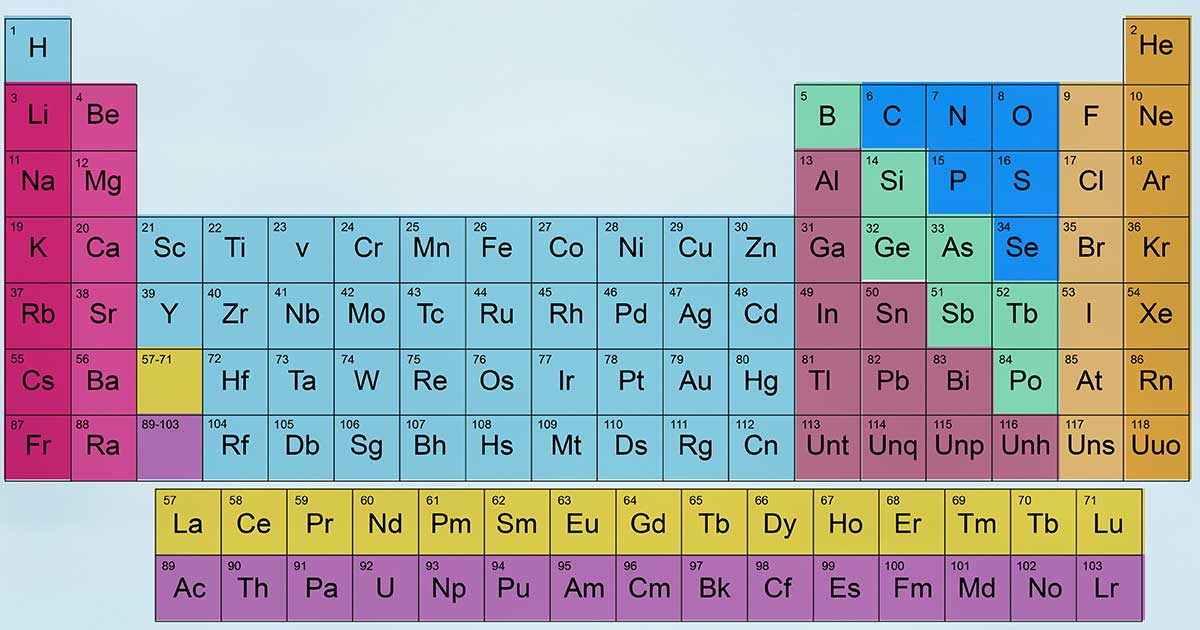
The chemical formula of ketamine is C₁₃H₁₈ClN₁O, which signifies that it’s composed of 13 carbon atoms, 18 hydrogen atoms, one chlorine atom, one nitrogen atom, and one oxygen atom. This exact balance is crucial for its function! Did you know that ketamine‘s fast action compared to traditional antidepressants is partly due to this specific composition? ⏱️ Such attributes make ketamine a game-changer for many battling mental health issues.
- Chemical structure: C₁₃H₁₈ClN₁O
- Primarily an NMDA receptor antagonist
- Derives from cyclohexanone
Understanding the chemical makeup of ketamine not only enriches our knowledge but also emphasizes its significance in the ongoing discussions around mental health treatment. How cool is it to realize that this compound could be a key player in transforming lives? So, let’s keep exploring how these chemical properties translate into potential benefits for those in need!
Exploring the Different Forms and Types of Ketamine
Ketamine isn’t just a one-size-fits-all kind of drug! It comes in several forms, each with its unique application and effects. Understanding these forms can really help you grasp how it works in different treatment scenarios. What’s particularly interesting is how each form of ketamine varies in terms of delivery and potency. Ready to dive into the different types?
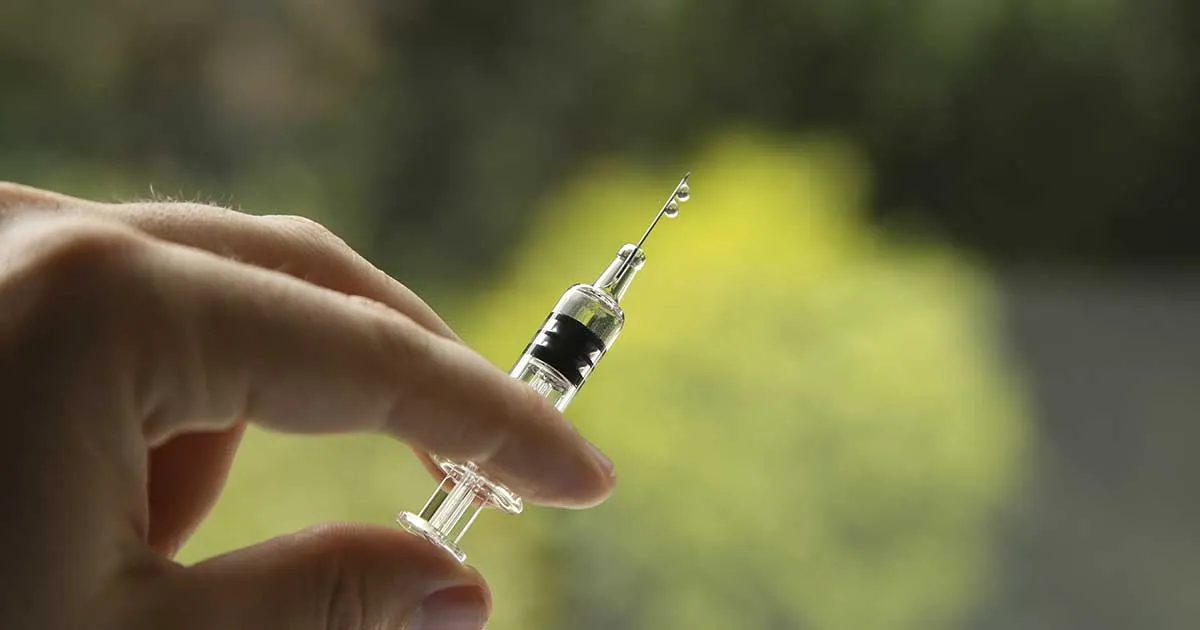
First up, we have intravenous (IV) ketamine, which is known for its rapid onset and is often used in clinical settings. Patients feeling anxious or battling depression can experience relief almost immediately! How cool is that? This method allows for precise dosing and quick adjustments depending on how the patient responds.
Next, there’s intranasal ketamine, which many people find super convenient. Administered as a nasal spray, it offers the same benefits as IV but in a more accessible form. No needles? Yes, please! This form also provides a fast route to relief, making it a great choice for those who might be wary of injections.
And let’s not forget about oral ketamine! This variant is typically available in tablet or liquid form and is usually used in home settings. While it takes longer for the effects to kick in, it’s still a popular option for those looking to manage symptoms of depression and anxiety in a more familiar way.
- Intravenous (IV) Ketamine: Quick and effective for immediate results.
- Intranasal Ketamine: Convenient and user-friendly for at-home use.
- Oral Ketamine: A slower onset but offers flexibility in treatment.
Ultimately, the choice of ketamine type depends on individual needs and the advice of healthcare professionals. It’s all about finding what works best for you, right? If you’re considering ketamine therapy, understanding these forms can make a big difference in your treatment journey!
The Role of Ketamine in Mental Health Treatment Options
Ketamine isn’t just a party drug; it’s making waves in the mental health treatment scene! But what’s its role in healing our minds? This intriguing substance has shown incredible potential in treating various mental health conditions. Whether you’re battling depression, anxiety, or PTSD, ketamine is stepping up as an innovative solution that could offer new hope.
So, what makes ketamine special? Well, it works differently than traditional antidepressants by targeting NMDA receptors in the brain. Instead of merely affecting serotonin levels like most meds, ketamine enhances synaptic function, promoting rapid improvement in mood and overall mental wellness. Isn’t that fascinating?
Another exciting aspect? Its fast-acting properties! Patients often report feeling better in just a matter of hours after treatment, unlike conventional drugs that can take weeks to kick in. This brisk effect can be a game-changer for someone in crisis. Many individuals are raving about how ketamine has transformed their lives—could this be the key to unlocking better mental health?
- Rapid relief from depressive symptoms
- Potential for reducing suicidal thoughts
- Improved mood and cognitive function
But let’s not forget, every rose has its thorn! While ketamine offers promising benefits, it’s essential to use it under medical supervision. The role of ketamine in mental health treatment options is a hot topic, and ongoing research will continue to reveal its full potential. Staying informed is key—connect with healthcare professionals to explore if this treatment could be right for you!
In summary, ketamine is stepping into the spotlight as a revolutionary option for those seeking relief from mental health struggles. Its unique properties and rapid effects help make it a game-changer in mental health treatment options! Are you excited to learn more about ketamine’s effects on mood and anxiety disorders in the next section? Let’s dive deeper!
Benefits of Ketamine: Effects on Mood and Anxiety Disorders
The buzz around ketamine keeps growing, and it’s no wonder why! This remarkable substance is making waves, particularly in the realm of mood and anxiety disorders. People suffering from these conditions often find themselves stuck in a never-ending cycle of despair, but ketamine offers a glimmer of hope. Are you curious about how it can change lives? Let’s dig into the benefits!
One of the standout perks of ketamine is its rapid action. Unlike many traditional antidepressants that take weeks to kick in, ketamine can show results within hours! Imagine feeling a shift in your mood almost immediately; it’s like a breath of fresh air . This quick response makes it particularly appealing for those facing serious symptoms that need urgent relief. How awesome would it be to break free from that heavy weight so quickly?
Moreover, ketamine isn’t just a temporary fix. Studies suggest that it may help rewire the brain’s pathways, leading to long-term improvements in mood. This neuroplasticity—sounds fancy, right?—can help people feel more balanced and less reactive when facing stressors or triggers. The idea that ketamine can potentially change the brain’s chemistry is pretty exciting, isn’t it?
- Offers rapid relief from depressive symptoms
- Potentially rewires brain chemistry for sustained improvements
- Helps reduce anxiety and feelings of hopelessness
Another significant aspect is its versatility. Ketamine has been shown to benefit individuals with various anxiety disorders, including generalized anxiety disorder, PTSD, and obsessive-compulsive disorder. The ability of ketamine to target multiple areas can provide comprehensive relief to those in need. Doesn’t it feel like a win-win situation?
However, it’s essential to approach ketamine therapy as part of a complete treatment plan, often in conjunction with psychotherapy. It’s not a magic spell, but it sure is a powerful tool in the toolbox. So, keep exploring and talking to your mental health professional about how ketamine might be right for you!

Risks and Side Effects Associated with Ketamine Use
While ketamine has grabbed attention for its potential benefits in treating mental health disorders, it’s super important to discuss the risks and side effects that come along with it. Just like any treatment, ketamine isn’t all sunshine and rainbows! Are you curious about what you might expect? Let’s break it down.
Firstly, the most common side effects include feelings of dizziness, vivid dreams, and even a bit of confusion. That’s right! Sometimes, people feel detached from their surroundings, almost like they are in a dream-like state. It’s essential to chat with your healthcare professional about any strange sensations you experience. Has anyone ever described a dream to you that was just too wild to believe?
Additionally, some users may find themselves experiencing increased blood pressure or heart rate. Though these symptoms can fade as the body adjusts, they are worth noting! And let’s not forget about the potential for dependence if ketamine is misused. This isn’t to scare you but to keep you informed. After all, knowledge is power, right?
Long-term effects are still under research, but keep an eye out for potential bladder issues, as some heavy users have reported these concerns. Always keep the conversation open with your doctor during your ketamine journey. It’s all about ensuring your safety and making sure that this treatment is the right fit for you!
What Should You Keep In Mind?
- Monitor how you feel after treatment sessions.
- Stay open and honest with your healthcare provider.
- Inform your doctor about any pre-existing health conditions.
Remember, everyone’s body reacts differently. So, weigh the pros and cons, and stay informed! Your well-being should always come first.
Ketamine Therapy: What to Expect During Treatment Sessions
When you step into a ketamine therapy session, it can feel like a whole new experience awaits you! Many people wonder what to expect, and understanding this can help ease any anxieties you might have. First off, these sessions typically take place in a comfortable, calming environment. The objective is to help you relax and focus on your mental wellness. So, picture a cozy room with gentle lighting and soothing music in the background!
During your treatment, a healthcare professional will start by assessing your specific needs and how ketamine can benefit you. You may receive the ketamine via intranasal spray or through an IV infusion, depending on your personalized plan. How cool is that? It’s like getting a tailored treatment just for you! This can help enhance mood and reduce symptoms of anxiety quickly.
Now, it’s important to mention that you might experience some effects during the session. Many report feelings of dissociation or a sense of floating. Sounds a bit trippy, right? However, it’s all part of the process! The healthcare provider will be there the entire time, ensuring you feel safe and comfortable throughout. After the session, you might feel a bit spacey—so, avoid driving or operating heavy machinery immediately after.
Each session usually lasts about 40 minutes to an hour, but the effects can provide benefits for days or even weeks! With multiple sessions, many individuals report significant improvements in their mood and overall mental health. Isn’t it amazing how something like ketamine can be so powerful in transforming lives? Just remember, the journey is unique for everyone, so don’t hesitate to communicate openly with your provider about your experience.
- Relaxing environment with calming elements
- Personalized assessment before treatment
- IV infusion or intranasal administration
- Temporary feelings of dissociation
- Duration of about 40 minutes to an hour
- Potential benefits lasting days to weeks
Final Thoughts: What Is Ketamine Made Of?
Understanding ketamine and its composition helps us appreciate its significant role in mental health treatment. We’ve explored everything from its chemical makeup to the benefits it brings in tackling mood and anxiety disorders. Isn’t it fascinating how such a complex substance can have such an impactful therapeutic role?
While ketamine therapy presents exciting options, it’s crucial to stay informed about its risks and side effects. Are you or someone you know considering this treatment? Always consult with a healthcare provider to navigate safely through your options. Remember, knowledge is power, and we’re here to share the latest on mental health! Stay curious and keep learning about how substances like ketamine can influence our well-being.










