

Let’s dive into the intriguing world of the unspecified neurodevelopmental disorder. This condition can feel a bit perplexing, and you’re definitely not alone if you’re scratching your head about it! Ranging from difficulties in learning to some challenges in social skills, this disorder encompasses a wide variety of symptoms that affect individuals in different ways. Understanding this disorder is key to offering the right support and guidance to those who experience it!
So, why is it called ‘unspecified’? Well, it’s because the exact nature of the neurodevelopmental challenges can vary greatly from one person to another, making it tough to pin down. In this article, we’re not just throwing around clinical terms; we’re breaking down the complexities so you can get a clearer picture of how these disorders impact development and learning. Get ready to equip yourself with essential knowledge that will not only deepen your understanding but also empower you to help others navigate their journeys more effectively!
What is Unspecified Neurodevelopmental Disorder (UNDD)?
Unspecified Neurodevelopmental Disorder (UNDD) may sound like a mouthful, but it’s an important topic to unpack! This term is used when an individual exhibits developmental challenges that don’t neatly fit into established categories of neurodevelopmental disorders like autism or ADHD. It’s essentially a way for healthcare professionals to identify the difficulties a person is facing, even if they don’t match a specific diagnosis. Think of it as a placeholder for unique experiences!
People with UNDD might struggle with communication, social skills, or learning processes, but each scenario is distinct. It’s crucial to remember that even without a specific label, these individuals can face significant challenges in daily life. Isn’t it amazing how the brain can be so complex? Understanding UNDD can pave the way for tailored interventions that truly cater to an individual’s needs.
- Unique learning styles and challenges
- Difficulties in social interactions
- Variations in communication abilities
Because UNDD encompasses a wide range of symptoms, the support necessary can differ greatly from one person to another. This is why ongoing research and discussion about unspecified neurodevelopmental disorder are vital! Have you or someone you know experienced challenges that might fall under UNDD? It’s important to talk openly about these experiences to foster understanding and compassion.
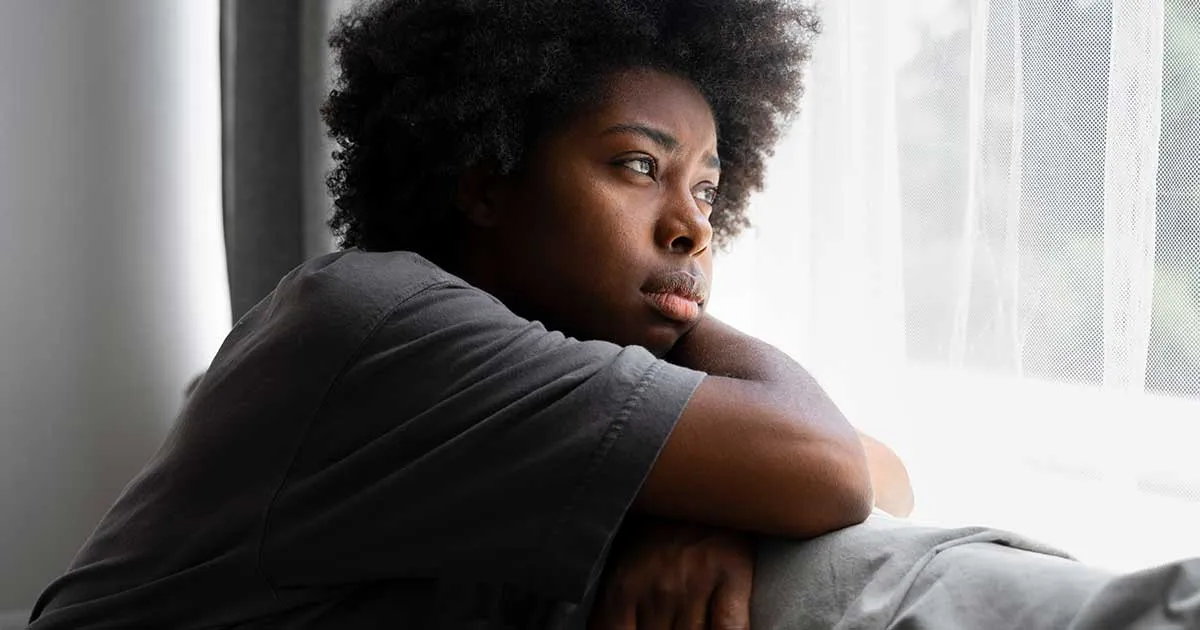
Common Symptoms and Challenges of UNDD in Individuals
When it comes to unspecified neurodevelopmental disorder (UNDD), recognizing the common symptoms and challenges is crucial! Often overlooked, these signs can significantly impact an individual’s daily life. So, what should you be on the lookout for?
Individuals experiencing UNDD may struggle with various developmental delays, whether they’re related to communication skills, social interactions, or academic performance. It’s also not uncommon for these individuals to face challenges with motor skills or sensory processing. Noticing these behavioral patterns early can pave the way for better support and understanding!
- Difficulties in communication, including understanding or expressing language
- Challenges in social situations, leading to feelings of isolation
- Delays in motor skills, impacting daily activities and self-care
- Heightened sensitivity to sensory stimuli, causing discomfort
Does that sound familiar to anyone you know? Many people face a combination of these symptoms, and the severity can differ enormously from one individual to another. With the right awareness and approach, those living with UNDD can achieve their full potential. Let’s keep the conversation going!
Effective Treatment Options for Unspecified Neurodevelopmental Disorder
When it comes to tackling the challenges of an unspecified neurodevelopmental disorder, knowing your treatment options can feel empowering! There’s no one-size-fits-all solution, but various approaches can help individuals thrive. So, what should you explore?
A comprehensive plan often combines therapy, medication, and educational support. Behavioral therapy can work wonders, addressing specific behaviors and helping individuals develop essential life skills. And let’s not forget about family therapy! Keeping the support system strong can dramatically improve outcomes. Sound interesting?
- Medication: Some may benefit from medication to manage symptoms like anxiety or inattention.
- Occupational Therapy: This can enhance daily living skills and foster independence.
- Speech Therapy: Essential for improving communication if that’s a concern.
It’s also crucial to consider educational interventions. Tailoring your learning environment can really boost confidence and efficacy! Have you ever thought about how individualized education programs (IEPs) can make a difference in school? With the right treatment, individuals facing unspecified neurodevelopmental disorder can navigate daily challenges and embrace their unique strengths.

The Role of Family Support in Managing UNDD
Family support is crucial when it comes to managing Unspecified Neurodevelopmental Disorder (UNDD). Think about it: who knows you better than your family? They are there in the good times and the challenging ones too! With their help, individuals facing UNDD can build resilience and navigate complex emotional landscapes. Feeling a little overwhelmed? You’re not alone! Families can play a key role in creating a nurturing environment that promotes understanding and encouragement.
When family members actively engage in their loved ones’ lives, it fosters a sense of belonging and connectedness. Supportive conversations and open communication can lead to healthier coping strategies for those dealing with UNDD. Have you noticed how a simple conversation can brighten someone’s day? Just knowing there’s someone who genuinely listens can make all the difference!
- Providing emotional support and understanding
- Assisting in daily tasks and challenges
- Encouraging participation in therapy and activities
It’s also vital for families to educate themselves about UNDD. The more they understand, the better they can help! They can empower themselves with resources and strategies that address specific needs. Have you looked for resources that can guide you or your loved ones? Understanding this disorder as a family unit not only strengthens bonds but also helps in managing symptoms effectively.
Importance of Early Diagnosis for Unspecified Neurodevelopmental Disorder
Getting an early diagnosis for unspecified neurodevelopmental disorder (UNDD) is so crucial! It’s like having a roadmap—without it, navigating the challenges can feel overwhelming. An early diagnosis leads to timely interventions, which can significantly improve the developmental trajectory of those affected. Imagine being able to tackle potential learning and social challenges before they escalate!
As each child is unique, the sooner we recognize the signs and seek help, the better the outcomes can be. Are you aware that some symptoms might not be obvious at first glance? For instance, difficulties with communication, social interactions, or even impulsivity can sometimes slip under the radar. Spotting these issues early can lead to a more tailored approach, addressing individual needs effectively.
- Enhanced educational support and resources.
- Improved social skills and interpersonal relationships.
- Reduced risk of developing mental health issues later on.
Don’t underestimate the power of early intervention! With the right resources and support, you can set the stage for better coping strategies and life skills. So, if you suspect you or someone you love may be facing challenges associated with UNDD, don’t hesitate—reach out for that all-important diagnosis! Let’s pave the way for a brighter, more connected future.
Resources and Support Groups for UNDD Awareness and Recovery
When navigating the waters of an unspecified neurodevelopmental disorder, having a solid support system and the right resources can make all the difference. That’s why it’s crucial to tap into these communities and tools that are out there for you! So, what kind of resources are available to help raise awareness and support recovery for individuals with UNDD?
Support groups can be an absolute game changer. These gatherings provide a safe space for individuals and families affected by UNDD to share their experiences and feelings. Connecting with others who understand can lift a huge weight off your shoulders. Many national organizations often host events, discussions, or workshops—wouldn’t you want to connect with people walking a similar path?
- Online forums and chat groups for 24/7 support.
- Local meetups and workshops to reinforce community bonds.
- Educational resources like webinars, brochures, and articles.
Moreover, don’t forget about local mental health professionals and therapists who can provide tailored support and guidance. They can help individuals and families create coping strategies that fit their unique needs. If you’re looking for a lifeline, remember that reaching out is a sign of strength!
Wrapping Up: Understanding Unspecified Neurodevelopmental Disorder
In summary, understanding unspecified neurodevelopmental disorder can lead to significantly better outcomes for those affected. It’s crucial to recognize the symptoms and challenges that come along with UNDD, as well as the importance of effective treatment options and strong family support. With early diagnosis and intervention, individuals can thrive and overcome obstacles that UNDD presents.
Are you ready to dive into the available resources and support groups dedicated to UNDD? Finding the right community can make all the difference in a person’s journey toward recovery. Remember, knowledge is power, and when you understand more about UNDD, you can help create a positive environment for yourself or a loved one. Let’s break the stigma together and raise awareness one step at a time!










