
Understanding introvert autism can be quite the puzzle, but don’t worry—you’re not alone! If you’ve been curious about how introverted tendencies intersect with autism, you’re in the right place. This unique blend involves a myriad of traits, making each individual’s experience truly one-of-a-kind. What does it mean to navigate the world with both introverted characteristics and autism?
In this article, we’re diving into valuable insights and tips to broaden your understanding of introvert autism. From social interactions to sensory sensitivities, you’ll discover what makes this combination special. Whether you’re looking to support someone close to you or are simply eager to learn more, these insights will illuminate the fascinating complexity of introverted individuals on the spectrum. Are you ready to uncover practical ways to foster understanding and connection?
Defining Introvert Autism: Characteristics and Traits
Let’s take a closer look at what introvert autism really means! It’s important to recognize that this combination isn’t just a label; it’s a unique blend of characteristics that can shape an individual’s experience in the world. For many, introversion paired with autism can lead to profound introspection, creativity, and a different way of interacting with their environment.
So, what are some common traits of someone with introvert autism? Often, you might find they prefer solitude or small groups over large gatherings. Social interactions can be draining, and they may need time alone to recharge. Their focus may be intense on specific interests, resulting in deep knowledge in those areas. Ever met someone who can talk for hours about a single topic? That’s a typical characteristic!
Additionally, social cues can be particularly challenging. Individuals with introvert autism might miss out on body language or facial expressions, leading to misunderstandings in communication. This can contribute to feelings of anxiety in social situations, making it even tougher to connect with others. Isn’t it fascinating how diverse our ways of socializing can be?
On the flip side, introvert autism often brings some amazing strengths! Many individuals display remarkable creativity, analytical skills, and unique problem-solving abilities. They may have strong attention to detail, enabling them to excel in specific areas of interest. Society benefits from these unique viewpoints! So, if you know someone who fits this description, remember, their different approach can be a superpower!
- Preference for solitary or small group interactions
- Intense focus on specific interests
- Difficulty interpreting social cues
- Creativity and strong analytical skills
- Unique problem-solving abilities
Challenges Faced by Individuals with Introvert Autism
Living with introvert autism comes with unique challenges that can feel overwhelming. It’s not just about having a quieter demeanor—individuals often grapple with social anxiety, sensory sensitivities, and communication hurdles. These aspects can make daily interactions and situations seem like climbing a mountain! ️ Have you ever noticed how exhausting social gatherings can be for someone who is more introverted?
One significant challenge is navigating social expectations. For those with introvert autism, connecting with others can be a delicate balance between feeling overstimulated and wanting to fit in. Activities that seem easy for extroverts—like making small talk—can become a feat of endurance. It’s crucial to remember that even when they appear quiet, their minds are often racing with thoughts and feelings.
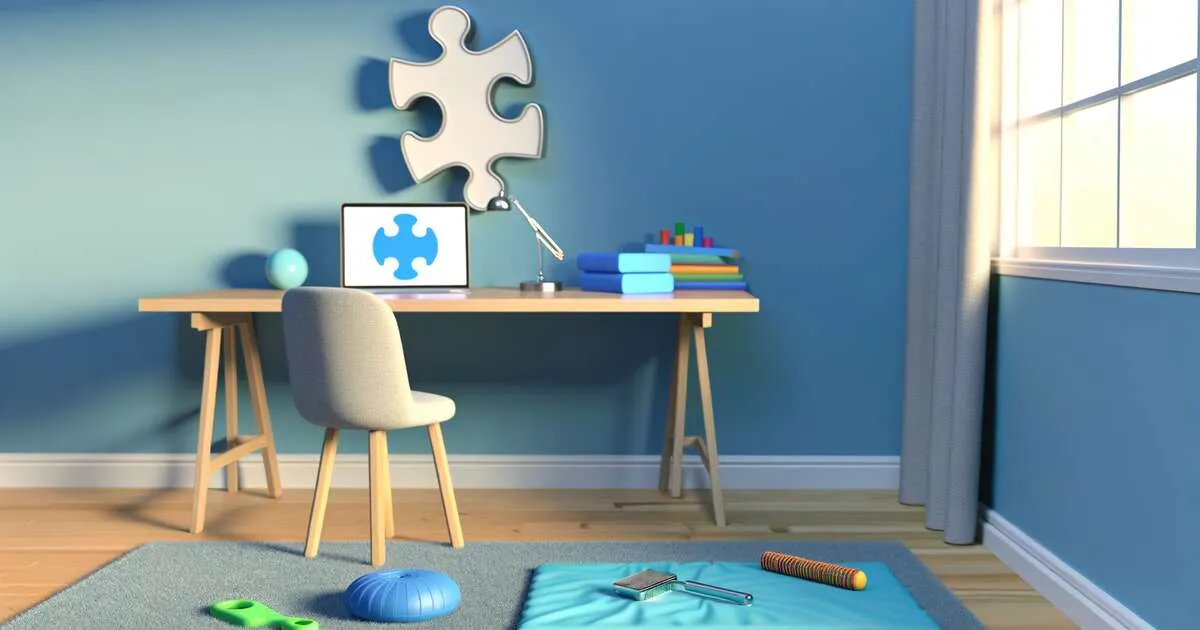
Sensory sensitivities add another layer of complexity. Many individuals with introvert autism might be particularly sensitive to loud noises, bright lights, or strong smells. Imagine being at a party and feeling the urge to retreat just because of the overwhelming environment. How do you think that affects their sense of self? Creating a calming space where they can recharge is essential.
Communication barriers can also pose significant challenges. People with introvert autism sometimes struggle with understanding social cues or expressing themselves verbally. This doesn’t mean they don’t have a lot to say—it’s often about finding the right words or feeling comfortable enough to share. Integrating more visual aids or written communication can be incredibly beneficial for expressing thoughts without the pressure of face-to-face interaction.
- Anxiety in social settings can lead to withdrawal.
- Misinterpretation of social cues, causing frustration.
- Difficulty in expressing needs or feelings verbally.
Despite these challenges, it’s important to celebrate the unique perspective that individuals with introvert autism offer! They often possess deep empathy and creative thinking skills. Understanding and support can go a long way in helping them navigate the world confidently. Are you ready to explore more ways to support them?
How to Support an Introverted Person with Autism
Supporting an introverted person with autism can be a delightful and rewarding experience! It’s all about understanding their unique needs and preferences. Each individual is different, and when you truly tap into what makes them tick, you’ll find you can help them thrive. So, what are the best ways to support them? Let’s explore!
First off, it’s crucial to create a comfortable environment for them. Introverted individuals often need a little more space to recharge, so respect their need for solitude. A cozy corner with their favorite books or art supplies can be like magic! What do you think they would love in their personal space?
Another awesome tip is to encourage open communication. Provide them with opportunities to express themselves without pressure. Whether through writing, drawing, or even through technology, letting them choose their mode of communication can make a huge difference. Remember, their thoughts and feelings matter!
- Practice active listening: Be attentive and show you’re engaged.
- Respect their pace: Allow them to dictate the flow of the conversation.
- Be patient: Sometimes it takes a while for them to find the right words.
Additionally, involve them in small group settings or one-on-one activities that align with their interests. This could be anything from board games to nature walks. The key is to tailor experiences that cater to their comfort level while gently encouraging social interaction. Who knows? You might discover hidden talents!
Lastly, remember to celebrate their victories—big or small! Acknowledge the moments they step out of their comfort zone, no matter how little. A simple ‘I saw you enjoying that conversation’ can be a huge confidence booster! Supporting an introverted person with autism is all about love, respect, and creating a safe space where they can truly shine.
Effective Communication Strategies for Introvert Autism
Communicating with someone who has introvert autism can be a wonderful journey filled with discovery! Understanding their unique perspective is key. Instead of jumping into conversations, why not try to create a safe space? This means giving them time to process and respond. Employing patience can transform your interactions, making them feel more comfortable and understood. Who wouldn’t appreciate that?
Nonverbal communication plays a crucial role here. Sometimes a smile or a gentle nod speaks louder than words! Maintain a friendly demeanor and open body language to signal that you are engaged and supportive. But remember, not everyone may be comfortable with eye contact. It varies from person to person, so it’s all about finding that perfect balance! How do you communicate without words?
Another effective strategy is to use clear and simple language. Avoid idioms or complex jargon that might confuse them. Instead, ask direct questions or provide straightforward information. It’s like using a GPS for a road trip; sometimes, the simplest routes are the best! And don’t forget to allow for pauses in the conversation. Silence can be golden and gives them a chance to gather their thoughts.
Here are a few more strategies to consider:
- Utilize visual aids or written prompts to support communication.
- Set a predictable routine for conversations to make it easier.
- Encourage them to express themselves in ways they’re comfortable with, like through art or writing.
In summary, effective communication with individuals who have introvert autism hinges on understanding their unique preferences. By meeting them where they are and utilizing these thoughtful strategies, you can create meaningful exchanges that enrich your relationship. Are you ready to give these techniques a try? Let’s make communication exciting and rewarding!

Therapeutic Approaches for Managing Introvert Autism
When it comes to addressing introvert autism, it’s all about finding the right therapeutic approaches! These strategies can make a world of difference in boosting confidence and fostering independence. Did you know that tailored therapies can significantly reduce anxiety while enhancing social skills? Let’s dive into some effective methods!
One popular approach is Cognitive Behavioral Therapy (CBT), which focuses on changing negative thought patterns. For individuals with introvert autism, CBT can help them reshape their self-perceptions and improve their interactions with others. Imagine how empowering it could feel to challenge those pesky anxious thoughts!
Another great option is play therapy, especially for younger individuals. This technique allows for natural expressions of thoughts and feelings through play, providing a relaxed environment to practice social scenarios. Don’t you think it’s amazing how much can be communicated without words?
Speaking of scenarios, social skills training can be a game-changer too! This approach involves teaching specific skills required for social interactions, from how to start a conversation to understanding non-verbal cues. Wouldn’t it be exciting to see someone grow more comfortable in social settings over time?
- Individual therapy sessions tailored to needs.
- Group therapy for shared experiences.
- Mindfulness techniques to reduce anxiety.
Finally, incorporating mindfulness practices can significantly improve emotional regulation and stress management. Techniques like meditation, deep breathing, and yoga can be soothing for individuals with introvert autism, helping them navigate daily challenges more effectively. Have you ever tried meditation yourself? It can be quite a refreshing escape!
Building Social Skills in Individuals with Introvert Autism
Building social skills can be a game changer for individuals with introvert autism! While some may shy away from large group interactions, there are plenty of effective ways to foster connections in a more comfortable environment. After all, socializing doesn’t have to mean navigating overwhelming crowds. It can be about finding meaningful conversations in smaller, manageable settings!
One fantastic way to start is through structured activities that align with their interests. For example, book clubs, art classes, or even gaming sessions can help create a relaxed atmosphere where social skills can blossom naturally. Has anyone ever told you that sharing an interest can lead to friendships? It’s true! When individuals can connect over something they love, it opens the door to better communication.
- Arrange playdates or small group activities centered around shared hobbies.
- Encourage role-playing scenarios to practice conversations and responses.
- Consider joining community groups that focus on their favorite interests.
Practicing social stories can also be super beneficial. These narratives provide scenarios individuals might encounter in social settings, helping them prepare for interactions with a clear outline of expected behaviors and responses. Think of it as a roadmap through social landscapes!
Lastly, having a supportive buddy for these interactions can ease anxiety and create a sense of safety. Whether it’s family or trusted friends, knowing there’s someone familiar around can make all the difference! Why not create a plan together? Making progress is more fun when you celebrate each achievement, no matter how small.
Final Thoughts: Understanding Introvert Autism
Understanding introvert autism can truly transform our perspective on individuals who navigate the world in unique ways. By taking the time to learn about the characteristics and challenges they face, we become better equipped to foster a supportive environment. Isn’t it amazing how small adjustments in our communication styles can make a big difference?
As we’ve explored in this article, supporting those with introvert autism is all about empathy, patience, and understanding. From effective communication strategies to therapeutic approaches, there’s a wealth of knowledge at our fingertips. Embracing these insights not only enriches our lives but also empowers those we care for. Remember, social skills development is a continuous journey, so let’s keep encouraging growth and connection wherever we can! What are your thoughts on these strategies?










