
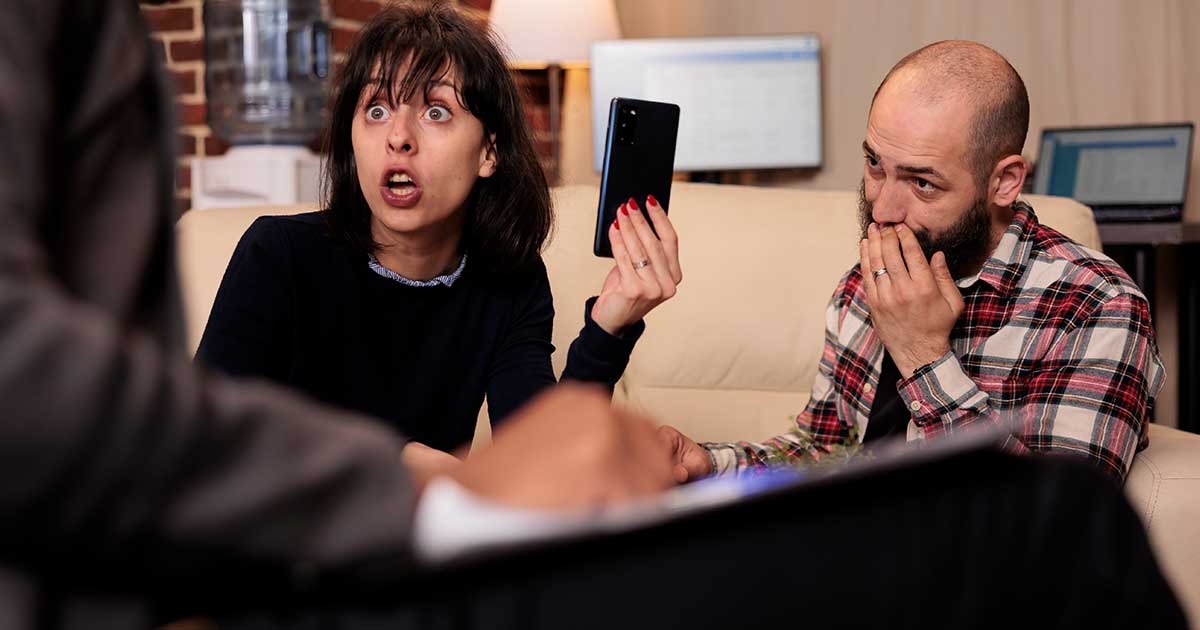
Understanding the emotional toll of relationships can be a complex journey, especially when dealing with PTSD from cheating. This condition often leaves individuals struggling with intense feelings of betrayal, anxiety, and distrust after being hurt by a partner. It’s not just about the event itself; it’s about a whirlwind of emotions that can impact every facet of life. Have you ever felt that gut-wrenching sensation when recalling those memories?
Exploring PTSD from cheating isn’t just about acknowledging the pain; it’s about finding pathways to healing and recovery. The road can feel long and lonely, but knowing you’re not alone in this can be incredibly comforting. There are effective strategies to help regain stability and trust, not only in relationships but within oneself. Let’s dive into the various ways to mend those emotional wounds and rediscover your joy! Thank goodness there are solutions out there that offer hope and a brighter future.
What Is PTSD and How It Relates to Cheating Trauma?
PTSD from cheating can be a heavy burden to bear. It’s important to understand that this condition isn’t just about the immediate emotional fallout; it’s so much more complex. After experiencing infidelity, some individuals may develop symptoms similar to those seen in traditional PTSD. These can include anxiety, flashbacks, and even difficulties in trusting others again. Has cheating rattled your sense of safety in relationships? You’re not alone!
The trauma caused by a partner’s betrayal can deeply impact your mental health. It’s like a rollercoaster of emotions where one moment you’re feeling stable, and the next, you’re caught in the throes of panic. Intrusive thoughts about the betrayal can constantly replay in your mind. That fear of rejection? It might turn into a constant companion. This overwhelming emotional turmoil can make it hard to engage with life as you once did. Feeling trapped in your own thoughts? Remember, identifying these feelings is the first step to healing.
- Anxiety and restlessness about relationships
- Flashbacks to the event of infidelity
- Numbing emotions or feeling detached from others
- Difficulty sleeping or concentrating
People often ask how trauma from cheating and PTSD are related. Well, when someone’s trust is shattered, it can cause lasting psychological damage. Just like a soldier who returns from combat can struggle with severe stress reactions, someone who has faced infidelity can find themselves emotionally paralyzed. With proper guidance and support, though, the journey toward healing can begin. Do you know someone going through this, or are you experiencing it yourself? Understanding these links can foster compassion and pave the way for recovery.
Recognizing Symptoms of PTSD After Experiencing Infidelity
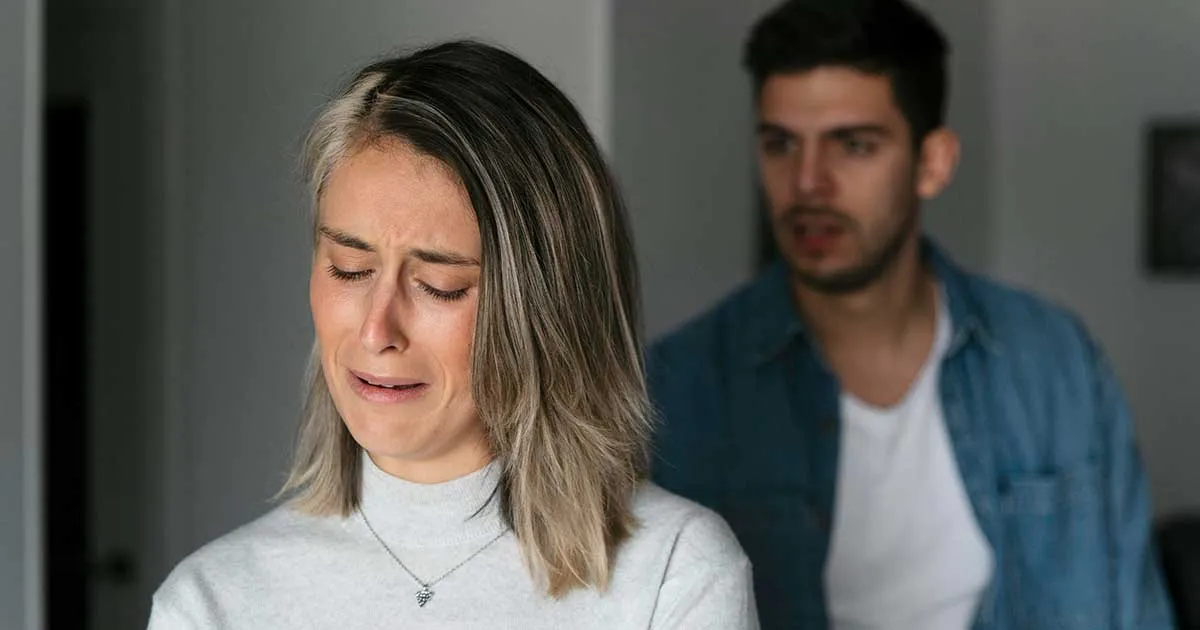
Experiencing infidelity can feel like a rollercoaster of emotions, and for many, it might lead to something that feels even more daunting: PTSD from cheating. Recognizing the symptoms is crucial! You might find yourself haunted by memories or feelings that just don’t seem to fade. Understandably, emotional scars can be deeper than physical ones.
So, what should you look out for? Some common symptoms include intrusive thoughts about the betrayal, persistent feelings of anxiety or panic, and trouble sleeping. Has your trust in others dwindled? You might feel hyper-vigilant, always waiting for the next bombshell. This is your mind’s way of trying to protect you, but it can be exhausting!
- Intense feelings of betrayal and anger
- Avoiding places or people related to the infidelity
- Difficulty concentrating or making decisions
- Feeling detached from loved ones or daily activities
- Physical symptoms like headaches or stomachaches
As you navigate these turbulent waters, remember to check in with yourself. Are you feeling numb, or perhaps overly emotional? Many folks don’t realize that emotional numbing can be a symptom too. It’s all part of coping with the trauma and can significantly impact your day-to-day life. You’re not alone in this!
Opening up about your feelings and seeking help is a powerful step. If you resonate with these symptoms, don’t hesitate to reach out—whether it’s a friend, family member, or a professional. Recognizing symptoms is the first step towards healing from PTSD from cheating, and trust me, the path to recovery is filled with hope and strength!
The Emotional Impact of Cheating and Its Aftermath
The emotional fallout of cheating can be utterly devastating, triggering feelings of betrayal, anger, and shame. When someone experiences PTSD from cheating, it’s not just about the act of infidelity; it’s about the profound impact it has on the person’s life. Imagine waking up every day with a sense of dread, constantly questioning your self-worth and the reliability of your relationships. It’s heart-wrenching, isn’t it?
Cheating can disrupt your entire emotional landscape. For many, it becomes a defining moment that can shake their trust in themselves and others. You might find yourself replaying events in your mind or scrutinizing past interactions, trying to make sense of how things went wrong. It’s easy to spiral into a cycle of what ifs and whys, leading to crippling anxiety and depression. Does this sound familiar to you?
In the aftermath of betrayal, feelings of grief and loss are often profound. It’s not just the relationship you mourn but also the idealized version of that relationship and the future you envisioned together. That moment of infidelity can shatter dreams and plans, leaving behind an emotional wreckage. Each emotional wave hits hard, leading to difficulty concentrating, intrusive thoughts, and sometimes even physical symptoms like fatigue or headaches.
- The loss of trust can create isolation, making it hard to open up to others.
- Shame and guilt often mix, not just for the betrayed but sometimes even for the betrayer.
- In many cases, the ability to feel joy or pressure evaporates, impacting day-to-day life.
Healing from these emotional impacts takes time, compassion, and often the understanding that it’s okay to feel disoriented. While it may seem impossible to move forward, recognizing the emotional aftermath is a crucial first step in reclaiming your joy and stability. Have you begun to think about how to navigate through this pain? Remember, you’re not alone on this journey.
Effective Strategies for Healing from Cheating PTSD
Understanding how to navigate through the aftermath of infidelity isn’t easy, especially when dealing with PTSD from cheating. It’s a tough journey, yet there are effective strategies that can help you heal and reclaim your life. First off, communicating with yourself is key. Allow yourself to feel those intense emotions—anger, sadness, betrayal. Ignoring these feelings can prolong your healing. Have you taken a moment to really sit with your feelings?
One powerful method is practicing mindfulness. This technique not only grounds you in the present but also aids in managing anxiety. Techniques such as meditation or deep breathing can provide the calm your mind craves in those turbulent moments. Who wouldn’t love a little peace of mind after such chaos? Engaging in creative outlets, like writing or art, can also serve as a therapeutic way to express what you’re going through.
Establishing a solid support system plays a massive role too! Surround yourself with friends and family who understand your struggle and can offer encouragement. Support groups, both online and in-person, often provide shared experiences that can lighten the load. Plus, don’t forget about professional help! Therapy can be an amazing resource in understanding and processing your trauma. Have you considered reaching out for some expert guidance?
- Practice mindfulness to stay grounded
- Engage in creative expressions like art or writing
- Build a strong support system with friends and family
- Consider professional therapy for expert insights
Finally, it’s essential to be patient with yourself. Healing isn’t linear; there may be good days and bad ones. Understand that PTSD from cheating may take time but with the right strategies, you can definitely find your way back to a joyful, fulfilling life. Remember, every small step counts! With persistence, you can emerge stronger than before.
The Role of Therapy in Overcoming PTSD from Cheating
Therapy plays a crucial role in overcoming PTSD from cheating. It’s like having your own personal cheerleader and guide, helping you navigate through the emotional chaos! The fallout from cheating can leave you feeling lost, confused, and overwhelmed, making it hard to trust yourself and others again. That’s where therapy steps in, offering a safe space to explore your feelings, understand your responses, and work toward healing. Isn’t it amazing how opening up can lead to such breakthroughs?
In therapy, you’ll learn valuable coping strategies tailored to your unique situation. Have you ever felt like you were stuck in an endless loop of anxiety or sadness? Therapists use techniques like Cognitive Behavioral Therapy (CBT) to help you reframe negative thoughts and challenge harmful beliefs built around the trauma of infidelity. As you dig deeper, you might discover hidden emotions you didn’t even know existed!
Furthermore, therapy isn’t just about talking; it’s about action! Many therapists incorporate expressive therapies, such as art or movement, to help you express what’s hard to say. These creative outlets can be incredibly liberating when dealing with PTSD from cheating! So, what creative methods resonate with you? Use them to channel your emotions positively.
- Provides a supportive environment to express emotions
- Helps identify and challenge negative thought patterns
- Teaches healthy coping mechanisms
- Encourages self-compassion and understanding
Another great perk? Therapy often opens up pathways to better communication in future relationships. As you work through your trauma, you’ll become more aware of your own needs and boundaries. Can you imagine the difference this awareness would make in your next relationship? So, start prioritizing your mental health today through therapy and watch as each session transforms you into a stronger, more resilient version of yourself!

Building Trust Again: Steps for Recovery Post-Cheating
Rebuilding trust after infidelity is no small feat, but it’s absolutely possible! If you’ve been affected by PTSD from cheating, you’re likely feeling a whirlwind of emotions, but fear not! With some intentional steps, you can begin to rebuild that vital trust in your relationship. The first step? Open communication! This means having honest conversations about your feelings and concerns. How often do we ignore our true emotions in relationships? Don’t let that happen here.
Next, consider setting clear boundaries. Both partners need to agree on what’s acceptable and what’s not. This establishes a framework for trust to flourish again. Trust is like a garden; it thrives with care and attention. Are you both ready to water those seeds? It’s crucial, too, to acknowledge the pain and scars; don’t gloss over them. Recognizing the hurt from the past can lead to a deeper understanding of each other.
- Be patient with each other. Trust takes time to rebuild.
- Engage in joint activities that foster bonding.
- Consider practicing forgiveness — it could heal you both.
Finally, don’t shy away from seeking professional help if needed. Couples therapy can be a game changer! Exploring PTSD from cheating with a professional might bring new insights and strategies that can help you both. Remember, recovery isn’t just about getting back to normal; it’s about building something even stronger. What steps are you willing to take today to nurture trust in your relationship?
Support Systems and Resources for PTSD from Cheating
When it comes to dealing with PTSD from cheating, support systems play a crucial role in the healing process. It’s essential to understand that you’re not alone in this journey. Many individuals find solace in connecting with others who have faced similar pain. Have you ever thought about what talking to someone who truly gets it could feel like? ️
Peer support groups are a fantastic resource. These spaces allow you to share your experiences and feelings without judgment. They create a community of understanding that can be incredibly comforting. Imagine being surrounded by others who share your struggles—it can make you realize that healing is possible. Plus, these groups often have a treasure trove of coping strategies that you might not have considered!
Don’t forget about the power of professional help! Therapy can be a game-changer when recovering from PTSD from cheating. Connecting with a therapist who specializes in trauma can provide you with tools and techniques tailored to your unique needs. Have you explored the idea of individual or group therapy yet? It could provide you with the guidance you need to navigate this challenging time.
Online resources can also be a fantastic part of your toolkit. Websites, forums, and social media groups focusing on relationship healing can offer a wealth of information and support at your fingertips. You can learn from others’ stories and find a deeper understanding of your own feelings. Finding out that you can turn to digital communities or resources might just brighten your days!
- Peer support groups
- Individual or group therapy
- Online forums and communities
- Books and articles on healing from infidelity
- Helplines and hotlines for immediate support
Final Thoughts: Understanding PTSD From Cheating
Understanding PTSD from cheating unveils a complicated emotional landscape that many face after experiencing infidelity. Recognizing that it’s okay to feel this way is the first step towards healing. If you or someone you know is grappling with these feelings, remember that it’s crucial to address them and seek help. Every journey to recovery is unique, and you’re not alone in this.
Throughout the article, we’ve introduced you to effective strategies for managing and overcoming PTSD from cheating. Taking proactive steps, whether it’s through therapy, building a support network, or exploring self-help resources, can quite literally change the trajectory of your healing process. Don’t underestimate the power of connection—finding others who understand your experience can make a world of difference!










