
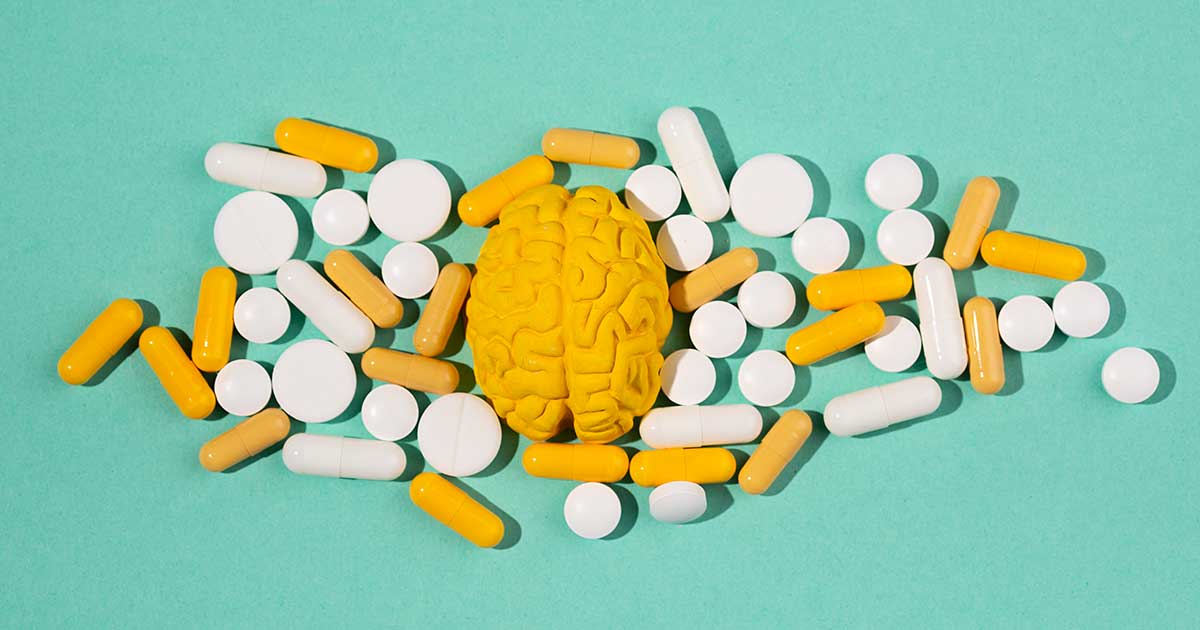
Psychoactive drugs play a significant role in our lives, whether we’re aware of it or not. These substances can alter mood, perception, and even consciousness—affecting our daily experiences. Understanding psychoactive drugs is essential for everyone, especially in our fast-paced world where mental health is becoming more crucial than ever. Are you curious about how these substances affect your brain and behavior?
In this article, we’ll dive into some essential insights about psychoactive drugs that everyone should know. From the different types of these substances to their potential effects on health, we aim to give you a well-rounded perspective. Whether you’re just starting to learn about them or you’ve been curious for a while, don’t worry! We’ve got your back with easy-to-understand language and relatable examples. Ready to unpack the intriguing world of psychoactive drugs?
Defining Psychoactive Drugs: Types and Their Effects
When it comes to understanding psychoactive drugs, it’s essential to know what they are and how they affect our minds. These substances can have a profound impact on our mood, perception, and even our behavior. But did you know that they come in various types, each having unique effects? Let’s break it down!
Psychoactive drugs can be roughly categorized into a few main types: stimulants, depressants, hallucinogens, and opioids. Stimulants, like caffeine and cocaine, can boost your energy and alertness. On the flip side, depressants, including alcohol and benzodiazepines, tend to calm your nerves and make you feel more relaxed. And then we have hallucinogens – substances like LSD and magic mushrooms that can alter your perception of reality. How fascinating is that?
Now, let’s talk about opioids, which are mostly known for pain relief but can have a strong hold over individuals. They may lead to feelings of euphoria, but the risk of addiction is seriously high. It’s a roller coaster of highs and lows, isn’t it? Understanding these different types and their effects is crucial when discussing mental health and recovery.
The impact of psychoactive drugs varies greatly from person to person. Some may use them for recreational purposes or self-medication, but it’s vital to realize their potential for harm. Knowing these effects can empower you to make informed choices, whether it’s for yourself or a loved one. So, how well do you understand these substances?
- Psychoactive drugs can enhance mood or feelings of well-being.
- They can disrupt cognitive functions, impacting memory and thinking.
- Long-term use can lead to dependence and mental health issues.
In summary, getting a grasp on the different types of psychoactive drugs and their effects is essential for navigating mental health discussions. Whether they lift you up or bring you down, understanding them is the first step in ensuring safe usage. Are you ready to learn more about how they intersect with mental health?
The Science Behind Psychoactive Drugs and Mental Health
Understanding the science behind psychoactive drugs is vital for anyone interested in mental health. These substances interact with our brain’s chemistry, influencing our emotions, perceptions, and overall mental state. The effects can range from exhilarating highs to debilitating lows, depending on the drug and individual. Isn’t it fascinating how something you can ingest can alter your entire mood?
Psychoactive drugs primarily function by targeting neurotransmitters, the brain’s chemical messengers. For example, dopamine is a key player when it comes to feelings of pleasure and reward. When someone consumes a psychoactive drug, it can either increase the levels of dopamine, leading to feelings of euphoria, or disrupt its balance entirely, resulting in anxiety or depression. This complex interaction is why understanding psychoactive drugs is crucial for mental health insights!
Research has shown that certain psychoactive drugs can create lasting changes to brain structure and function, affecting mental health significantly. For instance, prolonged use of stimulants can lead to increased anxiety and even risk of developing more serious mental health issues. Have you ever noticed how your favorite substances can impact your mood days after you’ve used them? This is because they can leave behind changes that affect you long-term!
But here’s the kicker: not all psychoactive drugs are created equal when it comes to mental health. While some might help alleviate symptoms of mental illness, others can exacerbate them. An excellent example is using MDMA in controlled settings for PTSD treatment, showing the potential positive impacts when used with a healthcare professional. So, are there ways to harness the effects of psychoactive drugs for good? Absolutely!
- The importance of understanding how psychoactive drugs work.
- Potential for both positive and negative effects on mental health.
- Research continues to evolve on the applications of these substances.
Common Psychoactive Drugs and Their Use in Society
Psychoactive drugs are everywhere in our society today, influencing how we feel, think, and behave. Have you ever stopped to consider just how common they are? From coffee ️ in the morning to prescription medications in our cabinets, these substances are deeply intertwined with our daily lives. Let’s break down a few of the most prevalent psychoactive drugs and explore their roles.
One of the most popular psychoactive drugs is caffeine. It’s hard to imagine starting the day without that kick from coffee or tea, right? Caffeine stimulates the central nervous system, boosting alertness and concentration. However, too much can lead to jitteriness and anxiety. So, is your caffeine consumption helping or hindering you? It’s a fine line!
Then we have alcohol . It’s often seen as a social lubricant, but its effects on mental health can be profound. While a drink might lighten the mood, excessive use can lead to addiction and exacerbate mental health issues. Do you ever think about how social drinking might impact your well-being in the long run?
Prescription medications like antidepressants and anti-anxiety drugs also fall into this category. These are vital for many individuals struggling with mental health challenges, helping to balance mood and anxiety levels. But their use requires careful monitoring and guidance. It’s crucial to discuss these options with a healthcare provider to understand how they fit into your life.
And let’s not forget about recreational drugs like cannabis , which has gained popularity for its perceived relaxation benefits. The conversation around cannabis is evolving, especially with its potential therapeutic uses. However, the legality and health implications vary widely, so stay informed! Are you keeping up with the latest research?
In a nutshell, psychoactive drugs permeate our society. Understanding their effects can empower us to make informed choices. By being aware of how these substances impact our daily lives and mental health, we can navigate their use more safely and effectively. Remember, knowledge is power!
Benefits and Risks of Using Psychoactive Drugs Safely
When it comes to psychoactive drugs, understanding the benefits and risks is key to using them safely. These substances can lead to some mind-blowing experiences, but they also come with their own set of challenges . It’s like a double-edged sword! So, what are the perks of using these drugs? Well, they can help with mental health issues, enhance creativity, and even promote a sense of well-being in certain contexts.
On the bright side, some psychoactive drugs have shown promise in treating conditions like depression or anxiety. They’re not just for the adventurous spirit—some people use them as therapeutic tools! But let’s not forget about the flip side. Misuse can lead to addiction, negative mental health impacts, and potentially dangerous side effects. Have you ever considered how much safety matters when talking about psychoactive substances?
- Benefits: Alleviation of symptoms, potential for creativity boosts, and enhanced social bonding.
- Risks: Dependency, unwanted side effects, and potential for abuse.
Finding that balance between enjoying the benefits and being cautious about risks is vital. By identifying your goals—that is, whether you’re seeking relief from mental health struggles or simply an experience—can guide your decisions. What if you approached psychoactive drugs with the same caution and curiosity you would with new technology or a thrilling movie? By prioritizing safety and informed choices, you can potentially enjoy the enlightening side of these substances while steering clear of the pitfalls.
In conclusion, engaging with psychoactive drugs requires a good dose of awareness! Prioritizing safe usage can lead to a more fulfilling experience. It’s all about exploring responsibly, knowing what you’re dealing with, and crafting an approach that’s uniquely yours. What steps will you take next for a safer journey with psychoactive drugs? Remember, informed decisions can make all the difference!

How Psychoactive Drugs Affect Mental Health Recovery
When it comes to mental health recovery, understanding how psychoactive drugs play a role is absolutely crucial. These substances, which can alter mood, perception, and behavior, can either positively or negatively affect your recovery journey. So, what does that mean for you? It’s all about finding the right balance!
On one hand, many people find that certain psychoactive drugs can offer temporary relief from symptoms of anxiety, depression, or PTSD. For instance, medications like SSRIs can help increase serotonin levels, thereby improving mood. However, it’s super important to remember that these drugs are not a cure-all! Have you ever wondered how these substances affect your long-term mental health? Let’s break it down.
While psychoactive drugs can aid in recovery, they can also carry risks if not managed properly. For instance, misuse or dependency on certain substances, such as benzodiazepines, can lead to a worsening of mental health symptoms. It’s definitely a tricky balancing act! Is it time to reassess your relationship with psychoactive substances?
Moreover, the impact of these drugs can vary widely from person to person. Factors such as dosage, individual biology, and even mental health conditions can influence how someone responds. This makes it vital to have ongoing conversations with healthcare providers to tailor a treatment plan that truly works for you. Remember, the priority is your overall mental health recovery.
- Some psychoactive drugs can provide symptom relief.
- Long-term use without supervision can worsen mental health.
- Consulting with healthcare providers ensures personalized care.
Recovery is a rollercoaster ride, and psychoactive drugs can be one of the many tools at your disposal, but they’re not the only answer. Staying informed and seeking the right support can make all the difference. So, whether you’re exploring medication options or opting for therapy, keep in mind that understanding the effects of psychoactive drugs empowers you on your recovery path!
Tips for Making Informed Decisions about Psychoactive Drugs
Making informed decisions about psychoactive drugs is like navigating a maze—there are so many paths and each one can lead to different outcomes! Knowing the right information can make a world of difference in ensuring your mental health and well-being. Let’s delve into some practical tips that will empower you to make choices that suit your lifestyle and health needs!
Educate Yourself First!
Knowledge is power! Start by researching the specific psychoactive drugs you’re curious about. What are their effects, benefits, and potential risks? The more informed you are, the better equipped you’ll be to understand how these substances might affect you. You can check reputable websites or talk to healthcare professionals who specialize in mental health for trustworthy information.
Consult a Professional
Speaking of experts, don’t hesitate to reach out for help! Whether it’s a therapist, a doctor, or a certified counselor, having a discussion can provide insights tailored to you. They can help you weigh the pros and cons based on your unique circumstances. Have you ever consulted an expert about a decision? Their guidance can be invaluable!
Consider Your Mental Health History
Your personal history with mental health is crucial. Some psychoactive drugs can exacerbate certain conditions. So, be honest with yourself and your healthcare provider about your past experiences. Are there specific triggers or reactions that you’ve noticed in the past? Understanding your mental health journey is key to making a safe choice.
Think About Your Lifestyle
How do psychoactive drugs fit into your lifestyle? For instance, if you have a busy schedule or responsibilities like work or family, some substances might impact your ability to function effectively. Always think about how these decisions might affect your daily life, relationships, and responsibilities. Are you prepared for the potential changes?
- Do thorough research on the drug.
- Consult healthcare professionals.
- Assess your mental health history.
- Consider how it aligns with your lifestyle.
Final Thoughts: Understanding Psychoactive Drugs
To wrap things up, understanding psychoactive drugs is not just for specialists; it’s vital for everyone. These substances can have profound effects on our mental health, daily lives, and overall well-being. From the science behind them to the mix of benefits and risks, becoming informed allows us to make better choices. Isn’t it exciting to think about the knowledge you’ve gained today?
As we navigate through life, it’s imperative to approach psychoactive drugs with a well-rounded perspective. Whether you’re contemplating their use or aiming to support someone in their mental health journey, remember to prioritize safety and education. Knowledge is power, and being equipped with the right info can dramatically shape our recovery paths. So, how will you use this newfound insight to foster a healthier mindset?










