
Dopamine addiction is becoming a hot topic in today’s mental health conversation! It seems like everywhere we turn, there’s new research highlighting how this powerful neurotransmitter plays a role in our behaviors and even the choices we make in daily life. But what does that really mean for our overall well-being? Understanding dopamine addiction is key to unlocking the secrets of how our brains work, particularly when we consider its impact on our mental health. So, what’s the scoop? Let’s dive into the fascinating world of dopamine and explore just how it can shape our actions and emotions.
In this comprehensive analysis, we’ll dissect the effects of dopamine addiction, from its influence on motivation to even more serious implications for mental health. It’s wild to think how something as crucial as dopamine can lead to both positive vibes and some serious hurdles! Why does our brain crave that next big dopamine hit, and what does it mean for us? With real-life examples and insights, we’re here to help you understand how this addiction can affect us all. Get ready for an engaging read filled with facts, tips, and a sprinkle of excitement to keep you on your toes!
Understanding Dopamine Addiction: A Comprehensive Guide
Dopamine addiction is a compelling topic that taps into the brain’s reward system, affecting how we feel pleasure and motivation. Did you know that dopamine is often called the “feel-good” neurotransmitter? When we engage in activities that bring us joy, like eating our favorite food or achieving a goal, our brains release dopamine. However, when we become addicted to activities that pump out excessive dopamine—like social media scrolling or substance abuse—it can throw our mental health into a tailspin!
Understanding dopamine addiction means recognizing that it’s not just about habits; it’s about behavior and mindset. The brain begins to crave these dopamine hits, leading to a cycle of seeking out behaviors that are not necessarily beneficial. Have you noticed how checking your notifications can feel so rewarding at first but leave you feeling empty afterward? It’s like a rollercoaster of highs and lows—but the ride can get dizzying.
- What provides temporary pleasure but long-term consequences?
- How does dopamine influence your daily choices?
- Can finding balance in your life help curb these cravings?
The impact of dopamine addiction can be profound, leading to anxiety, depression, and a slew of other mental health challenges. By better understanding these mechanisms, you can take steps toward a healthier mindset. It’s never too late to begin reclaiming that balance and discovering healthier avenues for achieving happiness. Are you ready to hit the reset button on that dopamine chase?
The Science Behind Dopamine: Addiction and Reward System
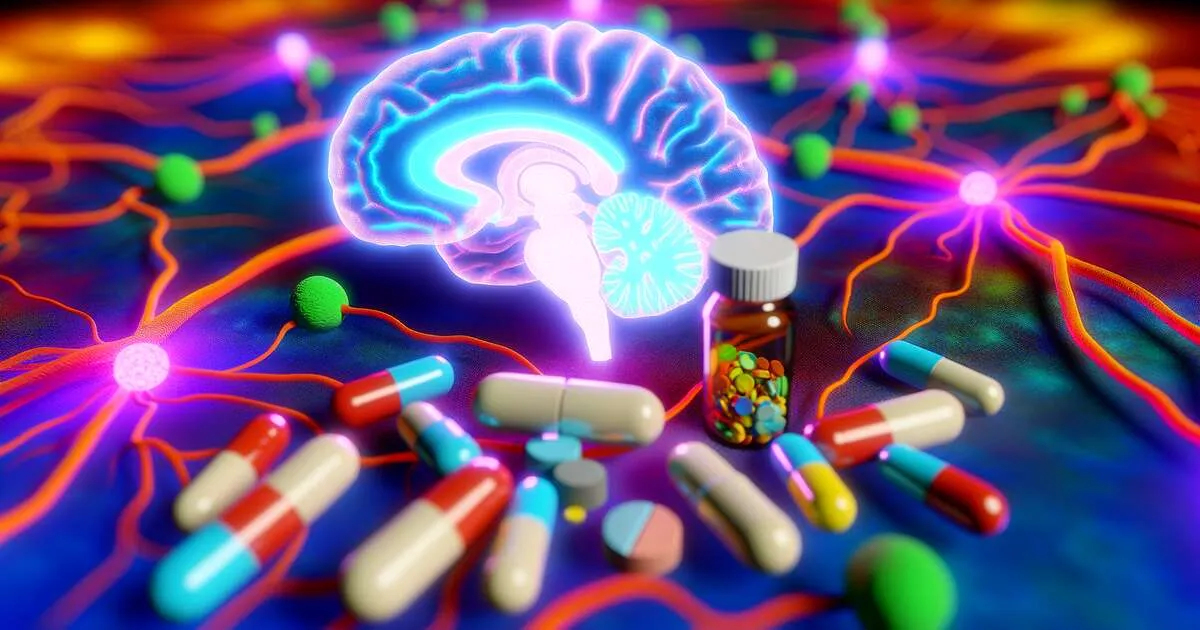
Diving into the science behind dopamine addiction reveals a fascinating interplay of chemistry and behavior! ️ Dopamine is often dubbed the ‘feel-good’ neurotransmitter, playing a pivotal role in our brain’s reward system. It’s that little burst of happiness we feel when we do something enjoyable—like indulging in our favorite dessert or nailing that important presentation. But here’s the kicker: while dopamine can enhance our mood and motivation, it can also become a double-edged sword, leading to addiction!
When we engage in activities that release dopamine, our brain essentially rewards us with pleasure. This creates a loop that many find hard to escape. Think about it: have you ever felt that irresistible urge to check your phone or binge-watch that new show? That’s dopamine in action! Unfortunately, as we keep chasing these dopamine highs, our brains may become wired to crave more, leading to compulsive behaviors and ultimately, dopamine addiction.
- The brain’s reward circuit is activated by pleasurable activities.
- Over time, increased stimulation can lead to a higher tolerance.
- Engaging in risky or harmful behaviors may become the new norm.
So, how can we break this cycle? Understanding the science of dopamine addiction is crucial for recovery. By recognizing the patterns and triggers associated with dopamine release, individuals can take the necessary steps toward healthier habits. Are you ready to explore more about this fascinating topic? Keep reading to discover the common signs of dopamine addiction and how to reclaim your well-being!
Common Signs and Symptoms of Dopamine Addiction
Recognizing the common signs and symptoms of dopamine addiction is crucial for taking that first step towards recovery. If you or someone you know is consistently pursuing activities that provide instant gratification—like checking social media, binge-watching shows, or excessive gaming—these could be red flags! Feeling this urge to engage can really interfere with your day-to-day life, wouldn’t you agree?
Additionally, irritability or anxiety when trying to cut back on these activities is another symptom to watch out for. You might find yourself feeling restless, as if you’re missing something vital! Can you relate? And let’s not forget about changes in sleep patterns. Are you staying up late glued to your screen, or sleeping in too long because you’re too tired to face the day? These habits can point to a deeper issue!
- Increasing tolerance to activities that used to be fulfilling
- Neglecting responsibilities or hobbies you once enjoyed
- Experiencing withdrawal symptoms like irritability or mood swings
- Using these dopamine-driven activities as a coping mechanism for stress
Feeling detached from reality or relationships due to excessive engagement in these activities? That’s also a sign! Dopamine addiction can lead you to prioritize instant rewards over long-term happiness, which is definitely something to think about. Recognizing these symptoms is your first step toward making a positive change!
Impact of Dopamine Addiction on Mental Health Recovery
Dopamine addiction can have a significant impact on mental health recovery. When we become addicted to activities that boost our dopamine levels—like social media scrolling, junk food binges, or even certain substances—our brain’s reward system gets hijacked. This can lead to a cycle of dependency that makes recovery more challenging. Have you ever found it hard to focus on real-life interactions after spending too much time online?
This constant pursuit of dopamine-driven pleasure can affect mood stability and create feelings of anxiety or depression. The highs from quick dopamine hits can lead to corresponding lows when those activities are not available. Imagine feeling low just because you took a break from scrolling! This emotional rollercoaster can derail the progress made in mental health recovery by intensifying feelings of emptiness and isolation.
- Escalated craving for substances or behaviors.
- Difficulty in finding joy in everyday activities.
- Increased feelings of anxiety and depression.
- Impaired coping mechanisms during stress.
It’s crucial to recognize that while dopamine addiction can complicate recovery, it also opens the door to important conversations about balancing pleasures in our lives. How can we replace harmful activities with healthier alternatives? It’s all about finding new sources of joy and fulfillment that nourish our mental health . Remember, recovery is a journey, and understanding the effects of dopamine addiction is a key step towards building a healthier mind!
Effective Strategies for Overcoming Dopamine Addiction
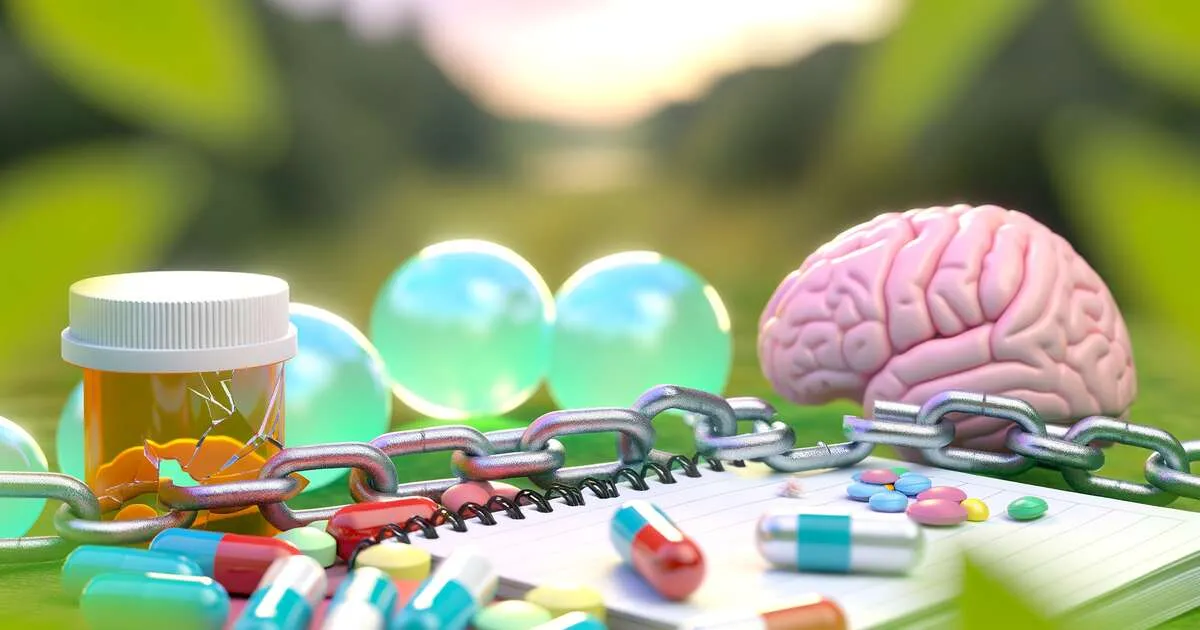
Overcoming dopamine addiction is not just a dream; it’s totally achievable! It’s amazing to think about how effective strategies can completely transform your relationship with dopamine and help you regain control over your life. But what exactly can you do? Here are some fantastic methods that can aid you along this path!
First off, let’s talk about setting realistic goals. Aim for small, manageable changes rather than trying to eliminate everything at once. This helps in reducing the overwhelming feelings often associated with addiction. Have you ever felt like quitting cold turkey was harder than anticipated? Setting bite-sized goals can ease you into a healthier routine!
- Identify triggers; know what situations lead to compulsive behaviors.
- Practice mindfulness techniques like meditation or yoga to refocus energies.
- Engage in healthy activities such as exercise or hobbies that bring joy.
Also, connect with others! Surround yourself with friends who uplift you and encourage positive habits. Building a network not only helps in sharing experiences but can motivate you to stick to your recovery goals. Isn’t it comforting to know you’re not alone on this journey?
Finally, consider professional help. Speaking with a therapist or joining support groups can offer valuable insight and guidance. So, ready to tackle dopamine addiction head-on with these strategies? The road may be challenging, but each step you take brings you closer to a healthier, happier you!
Support Systems: Resources for Dopamine Addiction Recovery
Having a strong support system is crucial when battling dopamine addiction! Whether it’s friends, family, or support groups, these connections can make a world of difference. They provide the encouragement you need to navigate your recovery journey. Have you spoken to someone about what you’re going through? It might just be the boost you need!
There are numerous resources available for those in recovery from dopamine addiction. Local support groups can be a fantastic way to meet people who understand what you’re facing. Organizations like SMART Recovery and Celebrate Recovery offer tailored programs that support recovery from addictive behaviors. Plus, online resources can connect you with peers and guidance, no matter where you are!
- Local support groups for real-time interaction
- Online forums for continuous support
- Counselors specializing in addiction recovery
- Self-help books and podcasts focused on dopamine addiction
- Mobile apps designed to track your progress
Don’t underestimate the power of community. Sharing experiences and challenges can help you feel less isolated. And guess what? Even just hearing someone else’s story can spark motivation! So, are you ready to tap into these incredible resources and give your recovery the best shot?
Wrapping Up: Analyzing Dopamine Addiction And Its Effects
Dopamine addiction is a significant issue that can impact various aspects of our lives, from our mental health to our everyday behaviors. Understanding the mechanics of this addiction and recognizing its signs is the first step toward effective recovery. Throughout this article, we explored how dopamine influences our brain’s reward system and the common symptoms associated with its addiction. But remember, acknowledgment is power!
It’s crucial to know that overcoming dopamine addiction is entirely possible with the right strategies and support systems. There are effective methods available that can lead you toward a healthier and more fulfilling life. Don’t hesitate to reach out for help from friends, family, or professional resources—they’re all part of your support system. Did any strategies resonate with you? Let us know!