

Understanding enmeshment trauma is absolutely essential for anyone looking to unravel the complexities of their relationships. This form of trauma can leave you feeling trapped in emotional chaos, making it hard to establish healthy boundaries. Curious about how your upbringing or past experiences may have shaped your current relationship dynamics? You’re not alone! Many individuals are just waking up to the reality of how enmeshment has impacted their lives.
In this comprehensive guide, we’re diving deep into the world of enmeshment trauma and its far-reaching effects. You’ll learn the signs to look for, the emotional toll it can take, and—most importantly—strategies to start your healing journey. Mental health matters, and understanding how enmeshment trauma plays a role in your life is a crucial first step toward recovery. Isn’t it time to reclaim your sense of self? Let’s get started on this eye-opening path!
Understanding Enmeshment Trauma: Definition and Insights
Enmeshment trauma is a term that many might not be familiar with, but its impact can be profound. Essentially, it’s a type of trauma that occurs when personal boundaries between family members are blurred, often leading to a lack of individuality. Imagine growing up in an environment where your identity is intertwined with that of a parent or caregiver. Sounds intense, right? This can create a suffocating dynamic, making it hard to develop a sense of self.
The crucial thing to understand about enmeshment trauma is that it doesn’t just affect individuals; it influences entire family systems. Children raised in enmeshed families may struggle to differentiate their feelings and needs from those of their parents. This often results in emotional distress and confusion. Have you ever felt like you were responsible for another person’s happiness? That’s a classic sign of enmeshment trauma!
The ramifications of enmeshment trauma can stretch far and wide, affecting future relationships and emotional wellness. A person might find themselves overextending in friendships or romantic partnerships, often leading to unbalanced connections. Learning to identify these patterns can be eye-opening! It’s essential to highlight that acknowledging the existence of enmeshment trauma is the first step toward healing.
Key Characteristics of Enmeshment Trauma
- A lack of personal boundaries.
- Difficulty in expressing individual emotions.
- Feeling overly responsible for others’ feelings.
- A constant need for approval.
Understanding enmeshment trauma opens the door to recovery and personal growth. If you resonate with these signs, you’re already on the right path! Exploring these insights can empower you to break free from the chains of enmeshment and foster a sense of individuality. Ready to take the next step?

Signs and Symptoms of Enmeshment Trauma in Relationships
Enmeshment trauma can manifest in various signs and symptoms within relationships. Perhaps you’ve noticed a feeling of being overly responsible for your partner’s emotions or their never-ending need for reassurance. These can be red flags indicating that enmeshment is at play. It’s like being caught in an emotional tug-of-war, where boundaries are blurred and personal identities often fade into one another.
One major symptom to pay attention to is a lack of autonomy. Are you constantly seeking validation from loved ones? Do you feel anxious or guilty when you spend time away from them? This kind of dependency can create a cycle of suffocating emotions. Don’t worry, you’re not alone! Many people experience these feelings but understanding that they are rooted in enmeshment can be the first step towards healing.
- Feeling overwhelmed by others’ emotions.
- Difficulty making decisions without seeking approval.
- Struggling to identify your own needs and desires.
Physical symptoms can also flare up due to enmeshment trauma. Stress-related issues, sleeping problems, or even unexplained physical pain can arise when emotional boundaries are compromised. Have you noticed a dip in your overall well-being? It might be time to evaluate your relationships and how they are impacting you.
Lastly, if you feel resentful towards people you love, that’s a huge clue too! This resentment usually stems from feeling trapped and overwhelmed. The excitement you once had for your relationships may diminish, leading to frustration. Recognizing these signs helps validate your feelings and set the stage for healing. Is this ringing a bell for you?
How Enmeshment Trauma Affects Emotional Well-Being
When it comes to emotional well-being, enmeshment trauma can really throw a wrench in the works! This type of trauma creates a lack of clear boundaries, leading to a tangled emotional landscape where one’s sense of self often gets lost. It’s like being in a relationship that feels more like a second skin—comfortable yet restrictive. You might be asking, “How can something like this affect my mental health?” Well, let’s break it down!
People experiencing enmeshment trauma often wrestle with their emotions, feeling overwhelmed or confused about what they’re really feeling. Without those essential boundaries, your emotional responses can get mixed up with those of others. This confounding blend can lead to anxiety, depression, and self-doubt, making you question your own feelings and perceptions. Can you see how that could mess with your daily life?
Moreover, enmeshment trauma tends to create a cycle of dependency. Those affected might feel they need to be available for others at the expense of their own needs. Think about it: how often do you prioritize someone else’s feelings over your well-being? This kind of constant emotional juggling can lead to burnout and resentment, as you find yourself feeling trapped in what should be a meaningful relationship.
- Low self-esteem and self-worth
- Difficulty recognizing and expressing emotions
- Overwhelming feelings of guilt when setting boundaries
- Struggles with independence or making decisions
Recognizing the indicators of enmeshment trauma is the first crucial step toward healing. Once you understand how it impacts your emotional well-being, the path forward becomes clearer. You’ll start to see the importance of self-care and emotional autonomy as you break those unhealthy patterns. Remember, healing isn’t just possible—it’s within your reach! How exciting is that?
Coping Strategies for Healing from Enmeshment Trauma
Healing from enmeshment trauma can feel like trying to untangle a pair of headphones – frustrating and complex! But don’t worry, there are effective coping strategies that can help you find clarity and peace. Are you ready to explore some practical tips that really make a difference?
First off, practicing mindfulness can be a game changer! This means taking a moment to breathe and ground yourself in the present. When feelings of anxiety creep in due to enmeshment trauma, simply focusing on your breath can calm your racing thoughts. Have you tried meditation, even for just five minutes a day?
Next up, let’s talk about open communication! Speaking honestly with loved ones about your emotions can help create understanding and support. Let them know what you’re feeling, especially if it relates to that murky enmeshment trauma. Vulnerability can be scary, but it’s essential for building healthy connections!
- Set clear boundaries for yourself and others.
- Journaling to process feelings and experiences.
- Engaging in creative outlets like art or music.
- Prioritizing self-care activities that you enjoy.
Consider incorporating a creative outlet into your routine! Whether it’s painting, writing, or dancing, expressing yourself can help release pent-up emotions tied to enmeshment trauma. Plus, it’s a fun way to reconnect with your feelings. What’s your favorite form of creativity?
Lastly, don’t hesitate to reach out for support! Connecting with friends, joining support groups or even talking to a therapist can provide you with the tools you need to navigate your healing journey. Remember, healing isn’t a solo trip – it’s okay to ask for a hand on this path!
Professional Help: Therapies for Enmeshment Trauma Recovery
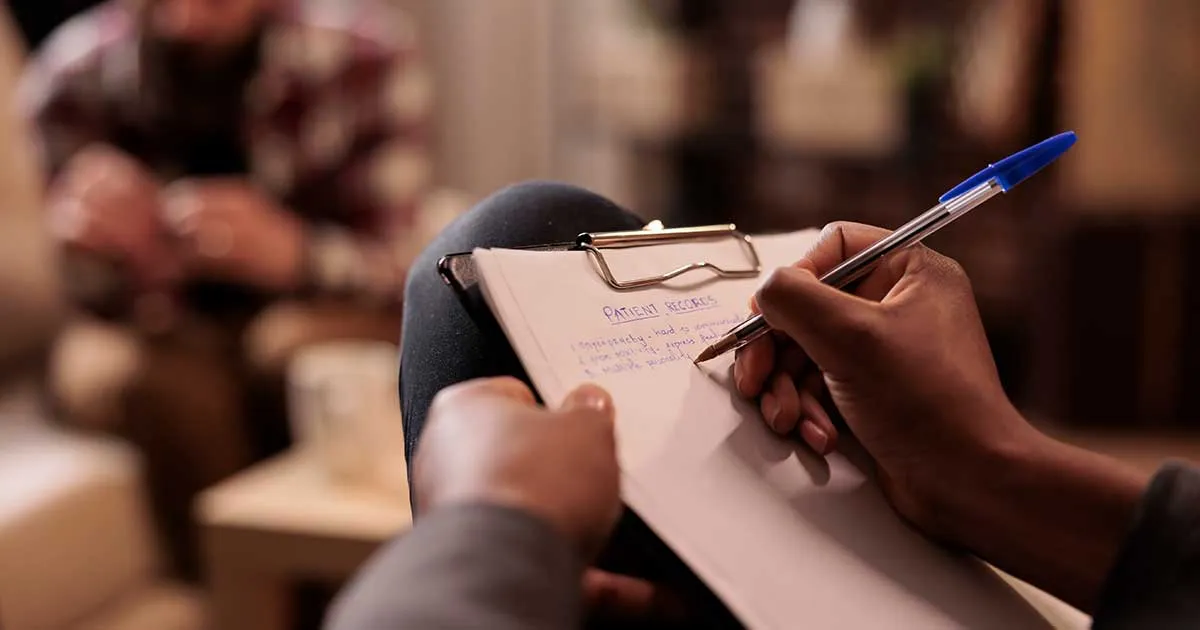
When it comes to seeking relief from enmeshment trauma, taking the plunge into therapy can be a total game changer! Professional help offers a supportive space to unpack profoundly intertwined emotions and experiences. It’s not just about talking; it’s about healing. But what types of therapy are out there specifically for enmeshment trauma? Let’s break it down!
One popular approach is Individual Therapy. In this one-on-one setting, a therapist helps you navigate your feelings and experiences. Think of it as your personal emotional toolkit—where you get to explore your relationships and begin to recognize unhealthy patterns. Have you ever felt unheard or overshadowed in your relationships? Individual therapy can help you voice those feelings and reclaim your sense of self!
Then you’ve got Group Therapy, which can be super powerful! Sharing your story in a group of individuals who understand your struggles can foster an incredible sense of community. It’s reassuring to know that you’re not alone on this journey. Group environments also provide opportunities to practice boundary-setting and communication skills, which are crucial as you learn to navigate relationships after enmeshment trauma.
And let’s not forget about Family Therapy. This type of therapy enables the whole family to participate and work through issues together. If relationships with family members are tangled due to enmeshment, family therapy can shine a light on those dynamics and help everyone understand their role in the healing process. Imagine the positive changes when everyone’s on the same page!
- Individual Therapy: Personalized support to navigate feelings.
- Group Therapy: A community of understanding individuals.
- Family Therapy: Healing together as a unit.
- Art Therapy: Express emotions creatively and visually.
Lastly, you might want to explore Creative Therapies like art or music therapy. These therapeutic forms harness creativity to bring forth emotions that can be hard to articulate. Sometimes, it’s easier to express what’s in your heart with a paintbrush or a song. So, are you ready to delve into therapy options and take charge of your healing journey?
Building Healthy Boundaries After Enmeshment Trauma
Building healthy boundaries is crucial after experiencing enmeshment trauma. It’s your way of reclaiming your personal space and emotional well-being. Think of boundaries as the lines that protect your heart and mind, allowing you to nurture your relationships without losing yourself! Have you ever felt overwhelmed by others’ emotions or needs? You’re not alone in this journey.
After enmeshment, it’s essential to take small, manageable steps towards establishing boundaries. But what does that look like in everyday life? Start by clearly communicating your needs to those around you. You could say something like, “I need a little time for myself right now, hope you understand!” Plus, don’t hesitate to set limits on what conversations you’re comfortable having. Be assertive but gentle!
- Identify areas where you feel overwhelmed or overly responsible for others’ feelings.
- Communicate your boundaries clearly and assertively.
- Practice saying ‘no’ without feeling guilty—it’s okay to protect your peace!
- Create a self-care routine that reinforces your emotional health.
Remember, setting boundaries isn’t about shutting people out; it’s about inviting healthier relationships into your life! It takes time to adjust, and it’s perfectly okay to make mistakes along the way. Share your experiences with friends or a support group, as this can help solidify your new boundaries. Have you found someone you can talk to about your feelings and needs?
Lastly, celebrate your progress, no matter how small! Each step you take towards building healthy boundaries after enmeshment trauma is a victory. It’s not just about surviving anymore; it’s about thriving and creating enriching relationships. You got this!
Long-Term Effects of Untreated Enmeshment Trauma
The long-term effects of untreated enmeshment trauma can be profound and often debilitating. Many individuals aren’t even aware that their emotional struggles stem from such deep-rooted issues, which makes healing feel like an uphill battle. Over time, you might notice a pattern of relationships that are either overly dependent or completely distant. It’s amazing how these trauma bonds can shape our lives, isn’t it?
People dealing with the aftermath of enmeshment trauma often grapple with intense feelings of anxiety or depression. Those feelings can turn into chronic stress, manifesting in physical symptoms like fatigue or headaches, leaving you wondering why you feel this way. Have you ever thought about how your childhood experiences might still be echoing in your life today?
Additionally, untreated enmeshment trauma can erode your ability to develop healthy relationships. You may find yourself either smothering loved ones or pushing them away. This push-pull dynamic is exhausting! Moreover, trust issues often arise, resulting in less intimacy and vulnerability in your connections. Wouldn’t it be great to experience genuine closeness without that nagging fear?
- Difficulty establishing personal boundaries
- Chronic feelings of guilt or shame
- Problems with self-identity and self-esteem
Ultimately, the long-term effects of enmeshment trauma can lead to emotional numbness or detachment. You might find that your feelings are muted, leaving you feeling disconnected from joy or sadness. It’s vital to recognize these symptoms as signs of trauma, not weaknesses. The path to healing involves understanding these effects and taking steps towards recovery, so remember—you are not alone in this journey!
Final Thoughts: Exploring Enmeshment Trauma
Understanding enmeshment trauma is vital for anyone looking to improve their emotional health and relationships. With the insights we’ve shared, you can start to recognize the signs in yourself or your loved ones, and take those crucial first steps toward healing. Whether it’s the awareness of boundaries, emotional regulation, or seeking professional help, you now have a toolkit to guide you on this journey.
It’s never too late to break the cycle of enmeshment trauma! By prioritizing your well-being and learning about effective coping strategies, you’re setting yourself up for a brighter, more independent future. Remember, it’s okay to feel the weight of your experiences, but handling them with care can lead to amazing changes in your life. Are you ready to embrace that transformation? Let’s do this together!










