

Trauma bond withdrawal symptoms can feel like a whirlwind of emotions and confusion. If you’ve ever found yourself feeling stuck in a push-and-pull relationship with someone who causes you pain, you’re not alone! It’s common to experience a mix of attachment and distress that can leave you questioning your own feelings. Understanding these symptoms is crucial because they can significantly impact your journey toward healing.
So, what exactly are trauma bond withdrawal symptoms? They often manifest as anxiety, mood swings, and an overwhelming sense of longing for the very person who hurt you. Sounds tough, right? But don’t worry—getting a handle on these symptoms is the first step in reclaiming your well-being. By delving into the intricacies of trauma bonds, you’ll empower yourself with knowledge that can lead to significant progress in your healing process. Stick with us as we break down these symptoms and offer insights that can really make a difference in your life.
Defining Trauma Bonds: What They Are and Why They Form
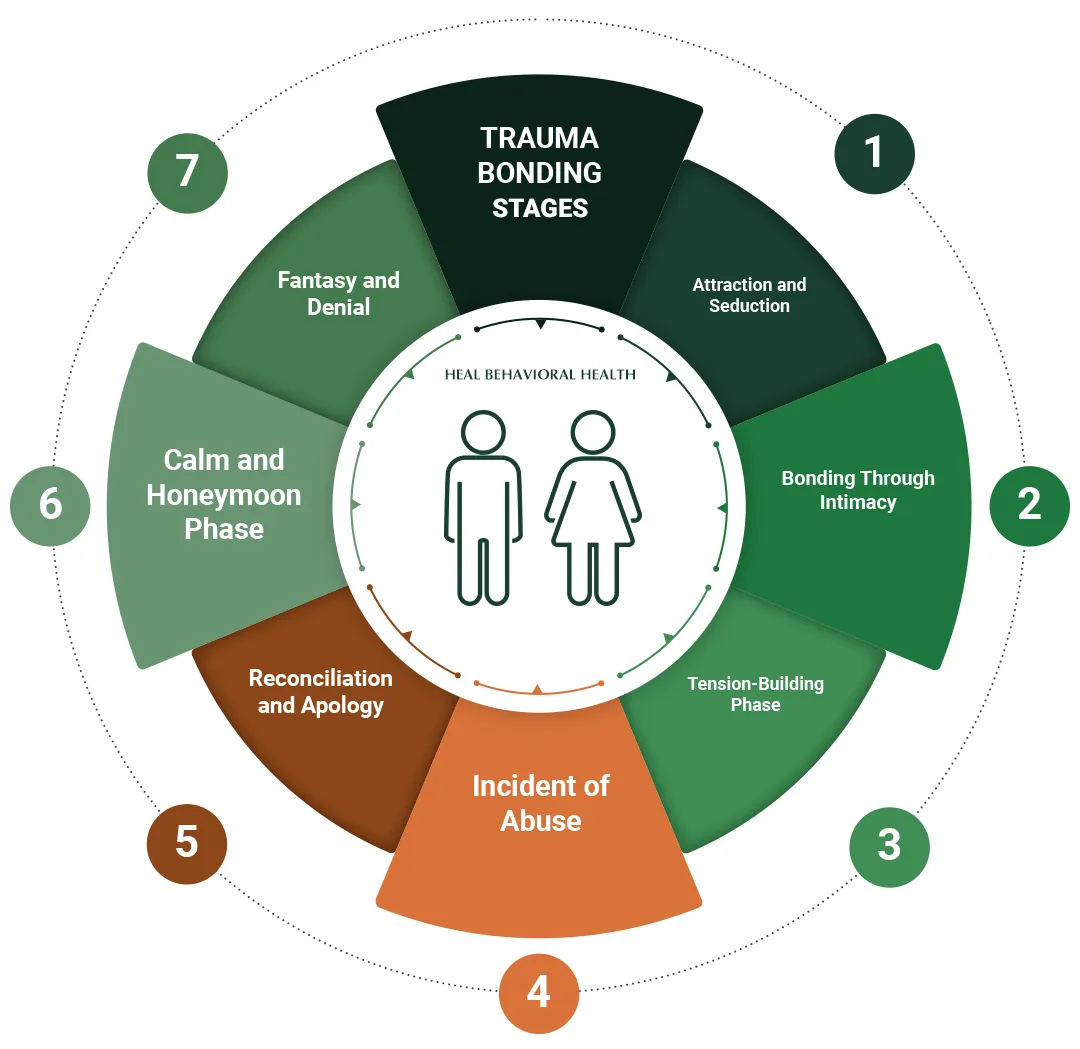
Trauma bonds are a compelling and often confusing phenomenon that can occur in relationships marked by abuse, manipulation, or intense emotional dynamics. So, what exactly are they? Essentially, a trauma bond is an emotional attachment that forms between two people through cycles of abuse and reconciliation. It can feel strangely powerful, leaving you tied to someone even when it’s blatantly unhealthy. You might find yourself questioning, ‘Why do I feel this way?’ or ‘Is it normal to feel so attached after everything we’ve been through?’
These bonds often arise in situations where one partner exerts control or exhibits erratic behavior, mixing love with abuse. This volatile mix can make it hard to break free, as the victim may become conditioned to tolerate bad behavior just to experience brief moments of affection. Over time, this creates a deep emotional entanglement. You may even notice a sense of dependence developing—does that ring a bell for you? That’s the power of trauma bonds!
But why do they form? The cycle of trauma can be the catalyst for these bonds, involving a push-and-pull dynamic that keeps you engaged in a toxic relationship. When feelings of fear or insecurity intermingle with moments of euphoria, it messes with your brain’s chemistry. Have you ever experienced confusion in such a situation? You’re not alone! Understanding this can make the path to healing clearer and more manageable.
- Intense feelings of attachment despite negative experiences
- Periodic emotional highs followed by low points
- Difficulty in recognizing unhealthy patterns
Recognizing that you’re in a trauma bond can be the first crucial step towards recovery. It allows you to start addressing the trauma bond withdrawal symptoms that often arise when you attempt to break free. Remember, you’re not alone on this journey; understanding the nature of trauma bonds is the first step toward regaining your sense of self and emotional freedom!
Recognizing the Emotional Impact of Trauma Bond Withdrawal
Understanding the emotional impact of trauma bond withdrawal is like unlocking a treasure chest of hidden feelings! It’s an eye-opening experience to recognize how deeply these bonds affect us emotionally, especially when they start to unravel. When you detach from a toxic relationship, it can feel like you’ve lost a part of yourself, right? The mix of emotions can be overwhelming—think sadness, anger, or even confusion. It’s crucial to acknowledge these feelings as valid and part of your healing journey.
The first step is to identify the trauma bond withdrawal symptoms that arise. You might feel an intense longing for the other person, a sense of emptiness, or even regret about leaving. This occurs because your brain has been conditioned to seek comfort in the chaos of the relationship. Can you relate to that feeling of missing someone despite knowing they were bad for you? It’s totally normal! Your emotions are just trying to guide you through this rocky transition.
This emotional rollercoaster can also trigger feelings of anxiety and depression as your mind and body readjust to a new normal. It’s like your emotional GPS is recalibrating, and it takes time! During this process, you may find yourself struggling with self-blame or questioning your decisions. Ever caught yourself thinking, ‘Did I make the right choice?’ It’s okay to have these thoughts, but remember—they’re just part of the healing phase.
- Feelings of intense longing or missing the person
- Sudden bursts of anger or sadness
- Confusion about your emotions and decisions
Recognizing these trauma bond withdrawal symptoms is vital to moving forward. It helps you understand that what you’re feeling is not just sadness but a profound emotional shift away from a bond that wasn’t healthy. When you embrace this awareness, you empower yourself to heal and grow. So, let those feelings surface—they’re bringing you one step closer to reclaiming your freedom and happiness!
Common Physical Signs of Trauma Bond Withdrawal Symptoms
Experiencing trauma bond withdrawal symptoms can hit you harder than you might expect! It’s not just about emotional feelings; your body may also react in surprising ways. Have you found yourself feeling more exhausted than usual? Or maybe you’re experiencing random aches and pains that seem to come out of nowhere? These physical manifestations indicate that you’re navigating through the tough waters of withdrawal.
Physical signs of trauma bond withdrawal symptoms can vary widely, but some common ones to look out for include fatigue, headaches, and even stomach issues. It’s like your body is trying to process the emotional turmoil, but it’s struggling. Isn’t it wild how our emotions can trigger real physical changes? For many, this uncomfortable rollercoaster ride is just a signal that healing takes time.
- Chronic fatigue that doesn’t seem to go away.
- Unexplained muscle aches or tension.
- Digestive issues like nausea or changes in appetite.
- Increased heart rate or palpitations when triggered.
- Difficulty sleeping, leading to more tiredness.
It’s super important to listen to your body during this time. These symptoms aren’t just random—they’re your body’s way of telling you that it’s time to focus on self-care! Whether that means relaxing with your favorite show, going for a walk, or even journaling, finding your outlet can make a world of difference. Remember, you’re not alone in this, and many people experience similar signs. What’s your go-to method for dealing with stress?
Being aware of these common physical signs can empower you to take steps toward healing. After all, acknowledging what you’re going through is the first step! So, next time fatigue hits or you find yourself with an unexpected headache, take a moment to breathe and remind yourself: this too shall pass.
Exploring Psychological Symptoms During Withdrawal Process
When diving into the world of trauma bond withdrawal symptoms, it’s essential to understand that psychological effects can be just as overwhelming as the physical ones. You might feel a swirling mix of anxiety, depression, or even mood swings that seem to come out of nowhere. Have you ever felt like your emotions are on a roller coaster ride? That’s pretty common during this tumultuous time.
One moment, you could be experiencing sheer sadness, and the next, you might be flooded with anger or frustration. It’s like your mind is trying to process the loss of a significant connection while simultaneously grappling with the void it leaves behind. A key aspect of these psychological symptoms is that they often stem from the uncertainty and instability of your emotions when you’re breaking free from a trauma bond.
You might also notice an increased sense of paranoia or fear, which can make it tough to trust others. This can turn even the simplest social interactions into a nerve-wracking experience. How do you think this affects your relationships? In challenging moments, you may find yourself questioning motives or feeling hyper-vigilant, which is a common response in withdrawal.
It’s crucial to remember that understanding these trauma bond withdrawal symptoms isn’t about labeling yourself negatively. Instead, it’s about recognizing what’s happening so you can start to navigate through it. Emotions during withdrawal can feel like they are at an all-time high, yet it’s all part of the healing journey.
- Anxiety and nervousness
- Depression and sadness
- Emotional numbness or disconnection
- Paranoia and heightened vigilance
- Extreme mood swings
Understanding these psychological challenges can empower you to develop coping strategies. The more you can identify what you’re feeling, the more control you have over your healing process. So, be kind to yourself; this is a significant step towards recovery!
Strategies for Coping with Trauma Bond Withdrawal Effects
Coping with trauma bond withdrawal symptoms can be a wild ride! You might feel like you’re on an emotional rollercoaster, but don’t worry—there are strategies to help you regain your balance. First up, grounding techniques are your new best friends. When those intense emotions hit, try to focus on your environment. Count the number of things you can see, hear, or smell. How does that little moment of mindfulness make you feel?
Next, let’s talk about self-care! It’s absolutely crucial during this time. Make it a habit to engage in activities that bring you joy and relaxation. Whether it’s reading your favorite book, taking a warm bath, or even binge-watching a series you’ve been dying to see, find those little pockets of happiness. Have you found what lights you up yet?
Don’t overlook the power of journaling. Writing down your thoughts and feelings is not just therapeutic; it can also help you make sense of your experiences. You might be surprised by the insights you can gain! Consider exploring prompts like “What am I feeling right now?” or “What do I need to let go of?” This can aid you in processing those pesky symptoms.
Connecting with supportive friends or a community can significantly ease those withdrawal effects. Talking about your feelings can be an immense relief! Finding others who’ve walked a similar path can validate your feelings and remind you that you’re not alone in this. Have you reached out to anyone who understands your journey?
- Grounding techniques to stay present
- Engaging in self-care activities you love
- Journaling to express and understand your feelings
- Connecting with understanding friends or support groups
Lastly, don’t hesitate to explore healthier ways to cope, such as mindfulness or meditation. These practices can help calm your mind and reduce anxiety. Remember, healing isn’t linear, and it’s perfectly okay to take your time! ️ Trust that every step you take is a step toward reclaiming your peace.

Seeking Professional Help: When to Consider Therapy
It’s important to recognize when you might need a helping hand in navigating through challenges like trauma bond withdrawal symptoms. Feeling overwhelmed? You don’t have to tackle everything on your own! Seeking professional help is not a sign of weakness; in fact, it’s one of the strongest steps you can take towards your healing journey. Sometimes, talking with someone trained to understand your situation can make all the difference.
When should you consider therapy? A good rule of thumb is if your everyday life is being significantly affected by those withdrawal symptoms. Are you finding it hard to concentrate at work or dealing with persistent feelings of sadness? These signs can be powerful indicators that it’s time to reach out for help. Remember, it’s not only about getting through a tough time but making sure you thrive moving forward!
Therapists provide a safe space to unpack your feelings and equip you with coping strategies tailored just for you. Cognitive-behavioral therapy, in particular, can help you understand and challenge the thoughts associated with trauma bond withdrawal symptoms. Plus, having an unbiased perspective can be so refreshing—just imagine being able to express all your worries without judgment!
- If you’re experiencing persistent anxiety or depression.
- If the withdrawal symptoms significantly interfere with daily activities.
- If you find it hard to talk about your feelings with friends or family.
Don’t forget: therapy isn’t a one-size-fits-all solution, and it might take time to find the right therapist for you. But once you do, you’ll be on a path towards not just understanding your trauma bond withdrawal symptoms but also embracing a brighter, healthier future. So why wait? Taking that first step toward therapy could be the best decision you ever make!
Hope and Recovery: Healing from Trauma Bond Withdrawal
Healing from trauma bond withdrawal is not just about recovery; it’s about rediscovering hope! It’s like emerging from a fog that has clouded your vision for too long. There’s a sense of liberation waiting for you on the other side, and understanding the process can lead to profound personal growth.
During this period, you might feel an intense mix of emotions—sadness, frustration, or even relief. Isn’t it wild how emotions can whiplash you from one end to the other? Recognizing these feelings as a normal part of the healing process allows you to embrace them, not fear them. It’s all about learning to ride that emotional wave!
- Recognize the stages of grief associated with letting go.
- Practice self-care by engaging in activities that uplift your spirit.
- Build a support network of friends, family, or peers who understand your journey.
Don’t underestimate the power of those around you! Connecting with others who have experienced similar challenges can be comforting and validating. It’s like having a safety net while you’re finding your footing again. Sharing stories can forge strong bonds that remind you that you’re not alone, and this support can make all the difference in your recovery.
Finding the right coping mechanisms can transform your journey. Whether it’s journaling about your feelings, exploring art, or even engaging in physical activities, the possibilities are endless. What tools have you found most effective for your healing? The more you experiment, the better you’ll understand what helps you thrive!
Ultimately, healing from trauma bond withdrawal is about reclaiming your life and rewriting your narrative. You’re transforming those withdrawal symptoms into stepping stones that lead toward empowerment and strength. Remember, every small step you take is a leap towards healing. Keep pushing forward, and embrace the incredible person you’re becoming!
Wrapping Up: Understanding Trauma Bond Withdrawal Symptoms
Understanding trauma bond withdrawal symptoms is vital for anyone looking to heal and regain control over their lives. The emotional rollercoaster that accompanies these symptoms can feel overwhelming, but it’s essential to remember that you’re not alone. Knowledge is empowering, and recognizing what you’re experiencing can help pave the way for your path to recovery.
As you navigate through your healing journey, keep in mind that coping strategies and seeking help when needed can make a world of difference. Whether it’s acknowledging the psychological and physical signs or reaching out for professional support, every small step counts. Don’t hesitate to explore these options because your well-being is worth it!










