
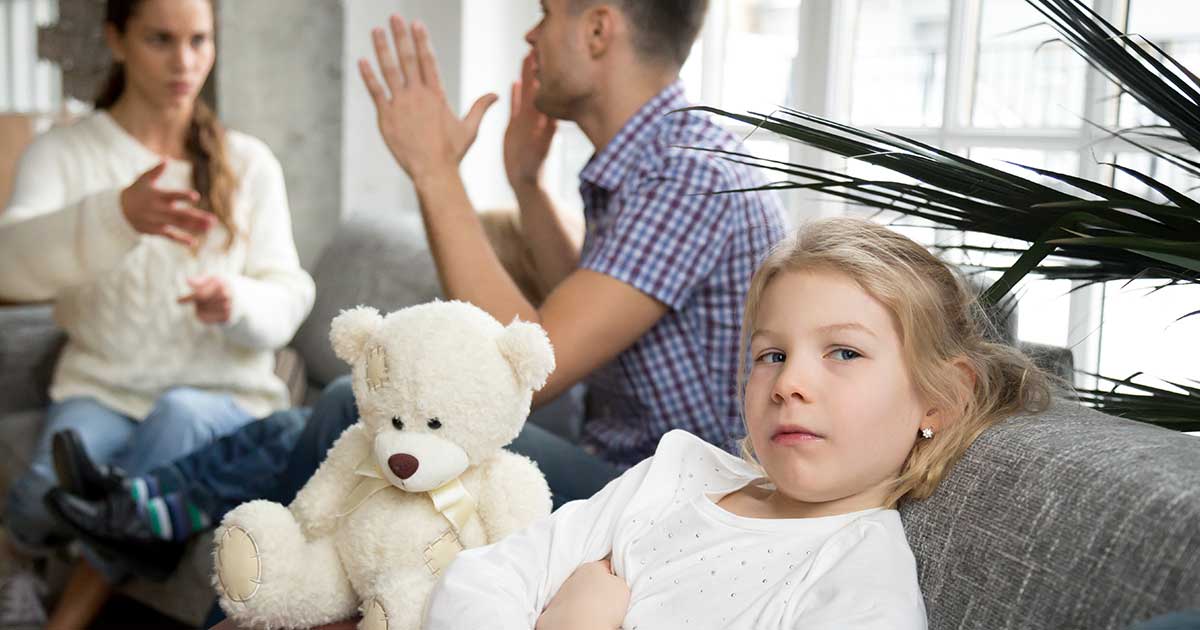
Dysfunctional family roles can significantly shape our relationships and behavior, often in ways we don’t even realize. These roles, whether you’re the caretaker, the rebel, or the scapegoat, influence how we interact not only with our family members but also with friends, colleagues, and partners. Have you ever noticed the patterns that keep repeating in your life? It’s fascinating yet complex how these dynamics develop, shaping our identities and emotional well-being.
Understanding dysfunctional family roles isn’t just about labeling behavior; it’s about discovering healthier ways to connect with one another. By recognizing the roles we play, we can break free from harmful patterns and foster more positive relationships. No one wants to feel trapped in a cycle of misunderstanding or blame! That’s why it’s essential to look deeper into how these roles impact our lives and, ultimately, our happiness. Let’s unravel this intricate web together and pave the way to healthier family dynamics!
Defining Dysfunctional Family Roles and Their Types
Dysfunctional family roles are like puzzle pieces that don’t quite fit together, creating chaos instead of harmony. Each family member often takes on a specific role that impacts the entire family unit. These roles can lead to unhealthy dynamics and behaviors, making it crucial to identify and understand them. ️ Ever felt like you were playing a part in a family drama? That’s often how these roles work!
Let’s break down some common types of dysfunctional family roles. You might recognize a few here: The Hero tries to save the family from chaos, often putting everyone’s needs before their own. Then there’s The Scapegoat, who absorbs blame for family issues, leaving the real problems unaddressed. The Lost Child tends to fade into the background, seeking to avoid conflict and gaining little attention. Each role has its own challenges and impacts, but understanding them is the first step towards healing!
The Enabler is another common role, providing support for dysfunctional behaviors while pretending everything is okay. On the other hand, The Mascot tries to lighten the mood with humor, but may actually be hiding deeper fears. Can you see how these roles contribute to a cycle of dysfunction? It’s like playing a never-ending game of charades without knowing what the end goal is!
- The Hero
- The Scapegoat
- The Lost Child
- The Enabler
- The Mascot
By identifying these roles, family members can gain insight into their behaviors and how these dynamics affect their relationships. Understanding these dysfunctional family roles isn’t just enlightening; it’s empowering! With this knowledge, families can begin the journey towards healthier interactions and break the cycle of dysfunctionse.

Exploring the Impact of Dysfunctional Family Dynamics
Dysfunctional family roles can leave lasting impressions on every family member involved. It’s fascinating, though often alarming, how these roles shape our interactions and relationships with others. Have you ever noticed how certain behaviors can seem to repeat in families, almost like a scripted play? Understanding dysfunctional family roles is essential in recognizing patterns that can hinder emotional growth and create barriers to healthy relationships.
Take the example of the ‘scapegoat’ – the family member who is often blamed for problems within the family. This role can lead to feelings of shame and low self-esteem that linger into adulthood. On the other hand, the ‘golden child’ is often overvalued for their successes, fostering unrealistic expectations that can stifle their individuality. How might these contrasting dynamics affect the emotional landscape within the family?
- The Scapegoat: Often blamed and criticized, leading to feelings of worthlessness.
- The Golden Child: Overburdened with expectations, risking their personal identity.
- The Caregiver: Takes on the emotional responsibilities of others, suppressing their needs.
- The Rebel: Pushes back against family rules, creating tension but also drawing attention.
The impact of these dysfunctional family dynamics can stretch far beyond childhood. Adult relationships, career choices, and even personal happiness can all be influenced by these ingrained roles. It’s crucial to address the patterns early on and to realize that breaking free from these roles can lead to a healthier, happier life. Are you ready to explore how to shift the narrative?
Identifying the Key Roles in a Dysfunctional Family Unit
When it comes to understanding dysfunctional family roles, it’s like piecing together a puzzle. Each role in a family unit plays a crucial part in the overall dynamic and can drastically impact relationships. Ever thought about what role you might play in your family setup? Let’s break down some of the most common roles you might encounter!
First up, we have the Hero. This person often takes on the responsibility of trying to fix everything. They are the high achievers, driven to prove that the family is functioning well, even when it’s not. While the Hero may seem strong, they often harbor feelings of inadequacy and pressure to maintain this facade. Can you relate to feeling like you have to hold everything together?
Next, there’s the Scapegoat. This role is usually assigned to the family member who gets blamed for the family’s problems. They often act out in rebellion or anger, but this behavior can be a cry for help. If you recognize traits of a Scapegoat, it may be time to dig deeper and understand the underlying feelings.
- The Hero: The high achiever trying to keep the family together.
- The Scapegoat: The one blamed for family issues, often struggling with emotions.
- The Lost Child: A quiet observer, often ignored, seeking to blend into the background.
- The Mascot: The family clown, using humor to cope with tension.
In addition to these, the Lost Child often feels overlooked and fades into the background. They might not express their emotions openly, leading to feelings of loneliness. On the flip side, the Mascot uses humor and charm to deflect tension, often masking their true feelings. What’s fascinating is how these roles interact and perpetuate cycles of dysfunction!
Identifying these roles is the first step toward healthier family dynamics. Recognizing where you and your family members fit can help create a more constructive environment. So, which role resonates with you the most? Remember, understanding these roles opens the door to healing and healthier communication!
How Dysfunctional Family Roles Affect Individual Mental Health
Dysfunctional family roles can have a profound impact on individual mental health, often shaping our views, behaviors, and emotional responses. Have you ever felt defined by the role you were assigned within your family? For many, being stuck in these roles can lead to confusion and conflict, complicating relationships both inside and outside the family unit.
Each member might take on a specific role—like the ‘scapegoat’, ‘hero’, or ‘caretaker’—which influences how they react to stress and interact with others. For instance, individuals who grow up as the ‘scapegoat’ often carry feelings of shame and low self-worth into adulthood. Meanwhile, the ‘hero’ may strive for perfection, leading to anxiety when they inevitably fall short. Doesn’t that sound exhausting?
Moreover, these roles can create a cycle where negative behaviors are reinforced, making it difficult for individuals to break free. It’s like being stuck in a spider’s web, unable to move toward the freedom that healthier dynamics offer. The pressure to conform to a role can also lead to mental health issues such as depression and anxiety. Can you see how these patterns shake the foundation of one’s self-esteem?
- The ‘scapegoat’ feels blamed for family problems, fostering a sense of guilt.
- The ‘hero’ feels the pressure to achieve, leading to burnout.
- The ‘enabler’ often sacrifices their own needs to maintain peace, risking their well-being.
Recognizing how dysfunctional family roles play into your life is the first step toward healing. Once you understand your role and its impacts, you can begin to unravel the unhealthy dynamics affecting your mental health. Remember, breaking free from these patterns is not just about acknowledging your role; it’s about taking active steps toward creating healthier behaviors and relationships. How exciting does that sound?

Strategies to Break Free from Dysfunctional Family Patterns
Breaking free from dysfunctional family roles is totally possible! It requires awareness, commitment, and a sprinkle of courage. Did you know that understanding these roles can significantly improve our lives? It’s true! By identifying unhealthy behaviors and working on ourselves, we can start a transformation that benefits not just us, but our families too.
First up, let’s acknowledge the existence of these patterns. Identifying Dysfunctional Family Roles is the first step toward change! For example, if you often find yourself taking on the ‘caretaker’ role, or maybe you feel like the ‘scapegoat’ of the family, then it’s time to reflect on how these roles affect your well-being. The magic happens when you accept these observations without judgment.
Next, set some boundaries! Boundaries are like safety nets, allowing you to protect your emotional space. It’s perfectly okay to say ‘no’ when family members cross the line or try to drag you back into unhealthy dynamics. Establish what you need for your own mental health and hold firm to those limits!
Another strategy is to practice self-compassion. When you feel the weight of your family background, remind yourself that it’s okay to be imperfect. You’re working hard to break these chains! Have you ever taken a moment to just breathe and acknowledge your feelings? This can make a world of difference.
Engaging in Open Communication
If it’s safe to do so, consider discussing these family dynamics openly with your loved ones. This can create an opportunity for healing and understanding. You might be surprised by how many people share similar feelings! Listening and sharing experiences honestly can bridge gaps and initiate positive changes in your family structure. So, what do you think? Ready to give it a shot?
- Identify the dysfunctional roles you and your family members play.
- Set clear and healthy boundaries.
- Practice self-compassion and acknowledge your feelings.
- Encourage open communication within the family.
Ultimately, this journey of breaking free from dysfunctional family patterns requires time and effort. Celebrate your small victories along the way, and remember: healing isn’t linear! Every step you take is a step toward improving your mental health and forging healthier family connections.
Building Healthy Communication in Dysfunctional Families
Healthy communication is like the foundation of a sturdy house; without it, everything else starts to crumble! In dysfunctional families, communication often spirals into chaos, leading to misunderstandings and hurt feelings. But guess what? It’s absolutely possible to reshape this narrative! By fostering open and honest dialogues, family members can create a safe space where everyone feels valued and heard. How amazing would it feel to finally express your thoughts without fear of judgment?
One of the biggest hurdles in dysfunctional family dynamics is breaking down those barriers that prevent effective communication. Families often fall into patterns where certain members dominate the conversation or, conversely, withdraw entirely. Implementing structured family meetings can be a game-changer! Imagine everyone sitting down together, taking turns to share their feelings and listen to each other. It’s a chance to practice empathy and understanding, which can do wonders for relationships. Plus, who doesn’t love a cozy family gathering? ️
Another key to improving communication is the importance of choosing the right time to talk. Timing can be everything! Engaging in serious conversations during stressful moments often leads to conflict. So, how about planning family discussions during a relaxed weekend or while enjoying a meal together? This way, everyone is more receptive and calm. Sharing your thoughts in a supportive setting can build trust and open the lines of communication. Isn’t that a step in the right direction?
- Establish regular family check-ins to discuss feelings.
- Encourage active listening where each member reflects back what they heard.
- Use “I” statements to express feelings without blaming others.
Remember, building healthy communication doesn’t happen overnight. It’s a continuous effort that requires patience and practice from everyone involved. Each small step towards better dialogue can enhance family dynamics, making it easier to break free from the chains of dysfunctional roles! How self-empowering would that be for everyone? Let’s kickstart this change and embrace a healthier way of connecting with each other!
Common Questions
What are the roles of a dysfunctional family?
In a dysfunctional family, each member often takes on specific roles that contribute to the overall family dynamic. Common roles include the ‘scapegoat’ who is blamed for problems, the ‘hero’ who tries to maintain family peace or achieve success, the ‘lost child’ who withdraws to avoid conflict, and the ‘mascot’ who uses humor to distract from serious issues. These roles can lead to unhealthy patterns and reinforce a culture of dysfunction, preventing effective communication and emotional health within the family unit.
How to handle dysfunctional family members?
Handling dysfunctional family members requires a combination of boundaries, understanding, and self-care. It’s essential to establish personal boundaries that protect your emotional well-being while engaging with family members. Additionally, practicing empathy can help you understand their behavior as a reflection of their own issues rather than a personal attack. Seeking professional support, such as therapy, can also provide strategies to navigate challenging interactions and promote healthier communication.
How to identify a dysfunctional family?
Identifying a dysfunctional family involves recognizing specific patterns and behaviors that hinder healthy relationships. Signs may include poor communication, constant conflict, lack of emotional support, and rigid roles among family members. If family interactions are characterized by blame, manipulation, or avoidance of conflict, it may indicate dysfunction. Additionally, if members struggle with unresolved issues or exhibit signs of emotional distress, this may further highlight the presence of a dysfunctional family dynamic.
What are the dynamics of a dysfunctional family?
The dynamics of a dysfunctional family often revolve around conflict, lack of communication, and unhealthy coping mechanisms. Family members may engage in negative patterns, such as enabling destructive behaviors, avoiding accountability, or using guilt as a control tactic. These dynamics create an environment where individuals may feel unsupported, misunderstood, or unsafe, leading to a cycle of emotional or psychological distress. Understanding these dynamics is crucial for seeking change and fostering healthier relationships within the family.
Seeking Professional Help for Family Dysfunction Issues
Navigating the tricky waters of family dysfunction can feel overwhelming and isolating. This is where seeking professional help enters the stage like a much-needed superhero! A therapist or counselor can provide a fresh perspective on your family dynamics, helping you uncover underlying issues and find ways to heal. Are you ready to explore the transformative power of therapy?
Family dysfunction isn’t just a buzzword; it affects everyone involved, leading to stress, anxiety, and strained relationships. Professional help offers a safe space to address these feelings and improve communication within the family. Imagine sitting down with a counselor who understands your struggles and guides you through the chaos. Doesn’t that sound comforting?
Professional therapists can help identify specific dysfunctional roles within the family, like the ‘caretaker’ or ‘scapegoat,’ and help you understand how these roles impact behavior and mental wellness. With targeted strategies, therapy allows families to reconnect and rebuild healthier dynamics, making it an essential step toward recovery. Have you considered how roles might be affecting your family?
Benefits of Seeking Professional Help
- Improved communication skills
- Better understanding of family roles
- Healing from past trauma
- Creating healthier boundaries
- Developing coping strategies
Choosing to engage with a professional can feel like a giant leap toward clarity and healing. Whether it’s individual therapy, family therapy, or group counseling, the key is taking that first step. Professionals are trained to handle the messy emotions that come with family issues and can guide you toward a healthier family dynamic. So, why wait? It’s time to prioritize mental health and happiness for everyone involved!
Wrapping Up: Understanding Dysfunctional Family Roles and Their Impact
Understanding dysfunctional family roles is essential for anyone looking to untangle the complex web of family dynamics. These roles can shape how we interact with others and even how we perceive ourselves. The journey to recognizing these patterns is just the beginning; it opens doors for healing and healthier relationships. Are you ready to take those first steps toward change?
The insights you’ve gathered on dysfunctional family roles are powerful tools for transformation. Remember, breaking free from these patterns requires patience, effort, and sometimes the guidance of a professional. It’s okay to seek help, and it’s a brave step towards fostering better communication and emotional well-being within your family. Don’t underestimate the importance of taking action to create a nurturing environment. Healthy relationships are possible, and it all starts with awareness!










