
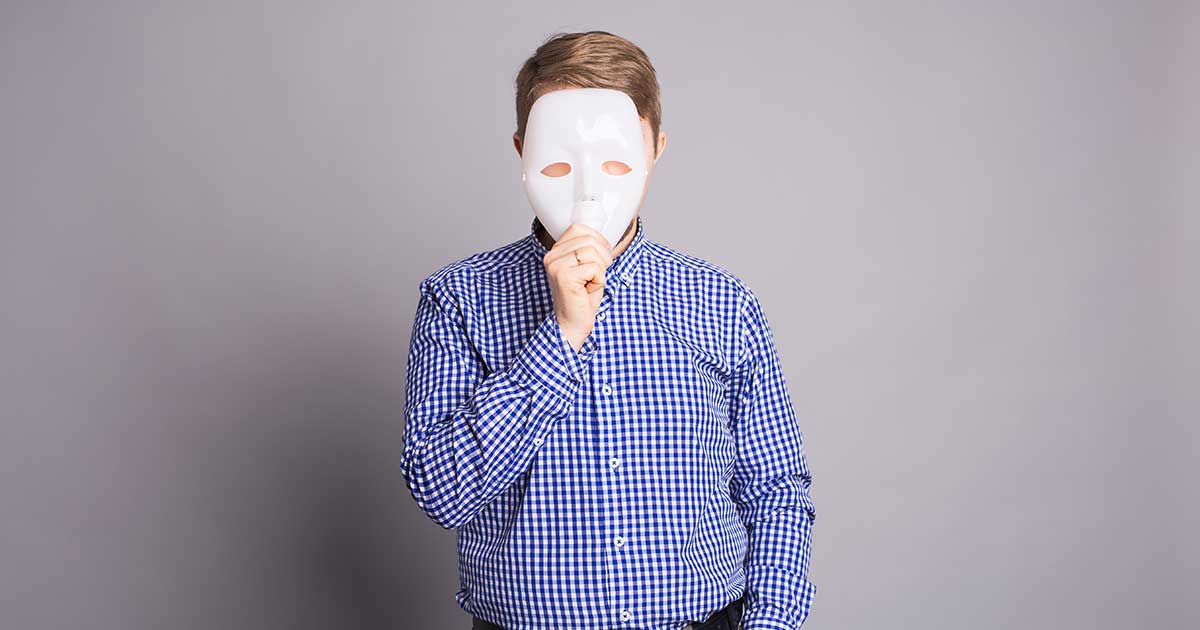
Let’s talk about masking! It’s a term that pops up often in conversations about mental health and social interactions, but what does it really mean? At its core, masking refers to the behavior where individuals hide their true feelings, thoughts, or traits in order to conform to societal expectations or fit in with their peers. Exciting, right? This common behavior can significantly influence how we engage with others and how we perceive ourselves. Can you relate to that feeling of wearing a mask to blend into a social setting?
As we explore the ins and outs of masking, you’ll discover not only its causes and effects but also how it can impact your mental health in the long run. Many people use masking as a coping mechanism, but it can also lead to feelings of isolation or anxiety. Want to know how? Keep reading to unveil the layers of this behavioral trait and learn some strategies to navigate the complexities of social situations while staying true to yourself! Your journey toward understanding masking starts here!
What is Masking? Definition and Overview of the Behavior
Masking is a fascinating, yet complex behavior that many people experience, often without even realizing it! At its core, masking refers to the act of hiding or suppressing one’s true feelings, thoughts, or behaviors to fit in with societal expectations. Think of it as putting on a performance where individuals wear a metaphorical mask to conceal what’s really going on inside. Ever felt like you had to act a certain way just to blend in at a party? That’s a form of masking!
Masked behaviors can stem from a variety of psychological reasons, such as anxiety, social pressure, or past experiences. Many people, especially those who might struggle with mental health challenges, feel the need to mask their emotions to avoid being judged or misunderstood. This is not just a behavioral quirk; it’s a coping mechanism that helps individuals navigate through social situations, even if it means putting their true selves on the back burner. Isn’t it intriguing how our minds work?
- Social gatherings where one feels out of place
- Work environments that promote conformity
- Classrooms where students fear judgment
In various settings, masking can show up in different ways. It’s often seen in social gatherings, workplaces, or classrooms, where individuals may feel pressured to act a certain way. This can lead to a cycle of stress and fatigue—constantly trying to maintain that facade can be exhausting! Have you ever noticed someone seeming totally different in public than when they’re at home? That’s masking in action.
In the grand scheme of things, while masking can help with social acceptance, it might also take a toll on one’s mental well-being over time. Understanding the nuances of masking can empower individuals to embrace their authentic selves, which leads us to ask: how can we start breaking down these walls?

The Psychological Reasons Behind Masking in Individuals
Masking is a complex behavior, often stemming from a variety of psychological factors. At its core, masking serves as a defense mechanism, helping individuals navigate social situations while hiding their true feelings and personalities. But why do so many people feel the need to mask? One of the primary reasons is the anxiety that comes with being our authentic selves in environments where we fear judgment or rejection.
For many, this behavior can be traced back to early life experiences. Did you know that children who are often criticized or teased may learn to mask their true emotions to fit in? They quickly adapt to their surroundings, wearing a facade that shields them from potential hurt. It’s not just children though—adults deal with similar pressures in their personal and professional lives, feeling the need to hide their vulnerabilities in order to be accepted.
Additionally, societal norms play a significant role in the prevalence of masking. Society often celebrates certain traits, leaving individuals who display uniqueness feeling the need to conform. Ever felt like you were in a situation where you had to act a certain way just to fit in? It’s that pressure that leads to masking as a coping strategy, but it can lead to emotional exhaustion over time.
An important factor to recognize is the role of self-esteem. Individuals with low self-esteem frequently mask their feelings to avoid vulnerability. Ironically, while masking may provide short-term relief and acceptance, it can create long-term issues, fostering an internal conflict where the individual feels disconnected from their true self. This disconnection can be exhausting, leading to heightened stress and anxiety.
- The drive for social acceptance.
- Fear of rejection or judgment.
- A history of trauma or emotional turmoil.
- Internalized societal norms and expectations.
Understanding the psychological reasons behind masking is essential in uncovering how it affects our mental well-being. It opens the door for people to start asking questions about their own behaviors and experiences. Have you ever thought about why you might mask your true feelings? Reflecting on these reasons can be the first step towards embracing authenticity!
Common Situations Where Masking is Often Observed
Masking can pop up in all sorts of situations, and recognizing these contexts is key to understanding this behavior. From bustling social gatherings to everyday work environments, many individuals find themselves feeling the need to mask their true selves. This often stems from a desire to fit in, avoid judgment, or navigate uncomfortable interactions. Are you guilty of putting on a show when you step into a crowded room? You’re definitely not alone!
One common scenario where masking is often on display is in social situations, like parties or group outings. Many people feel pressure to behave in ways that align with social expectations, leading them to hide their nerves or true feelings. It’s like wearing a mask to ensure everyone sees the “perfect” version of yourself. Can you relate to adjusting your personality just to get through a night out?
Another frequent setting for masking is during job interviews or professional settings. Here, individuals may suppress their natural tendencies, opting instead for polished responses and curated body language to make a good impression. The stakes feel high, prompting an instinct to mask anything that might be viewed as a “flaw.” How many of you have played the role of the ideal candidate at an interview?
Masking can also surface in social media interactions. In this digital age, people can curate their lives to present a specific image that might not accurately reflect their real feelings or struggles. It’s almost like continuously adjusting the filter on your life for the social sphere. Ever feel like you’re performing for an audience online?
- Social Gatherings: Feeling pressured to fit in can lead to masking.
- Work Environments: Presenting a polished persona is common during interviews.
- Digital Interactions: Social media often encourages curated identities.
Understanding the situations that trigger masking can help us create more supportive environments for ourselves and others. Recognizing when we or those around us are masking can foster open conversations about authenticity and acceptance. Want to break free from that mask? It’s time to explore the journey toward being your true self!
How Masking Affects Mental Health: Pros and Cons
Masking can play a significant role in our mental health, but it’s a double-edged sword. On one hand, it provides a tool for social acceptance—allowing people to fit in during social situations. Who doesn’t want to feel included, right? But on the flip side, constantly wearing a mask can lead to emotional exhaustion and a sense of disconnection from one’s true self.
While some individuals might find temporary relief in masking their true emotions, it can also build up a wall that isolates them from forming genuine relationships. Have you ever felt like you’re pretending to be someone you’re not? That feeling of being ‘on’ all the time can drain your energy and contribute to anxiety or depression. It’s essential to recognize this impact of masking on mental health.
- Pros: Enhances social interactions by conforming to societal expectations.
- Pros: Can be a coping mechanism during stressful or unfamiliar situations.
- Cons: Leads to emotional exhaustion and burnout over time.
- Cons: Can hinder authentic self-expression and lead to feelings of isolation.
Understanding the pros and cons can help individuals navigate their feelings around masking. There’s this constant balancing act happening—managing the desire to fit in while staying true to oneself. It’s completely okay to seek help if you feel like the mask is weighing you down. Talking it out with friends or a therapist might just point you in the right direction!
So, the next time you catch yourself putting on a front, take a moment to ask, “Is this serving me?” and “What would it feel like to let my authentic self shine through?” Just remember, it’s totally normal to want to fit in, but prioritizing your mental well-being is what truly matters!

Strategies to Cope with Masking: Finding Authenticity
Finding ways to cope with masking can be a daunting task, but it’s totally possible! Authenticity is like a breath of fresh air; when you allow yourself to be real, you create deeper connections and improve your mental health. So, how can you start peeling back those layers of your mask? Here are some tips to help you embrace your true self and live more authentically.
First off, practicing self-awareness is crucial. Regularly ask yourself how you’re genuinely feeling and whether you’re putting on a façade. Taking time for self-reflection, like journaling about your emotions or engaging in mindfulness exercises, can provide valuable insights. Do you often catch yourself acting differently around certain people? Identifying these moments can help you understand why you might be masking in those situations.
Additionally, consider surrounding yourself with supportive individuals who encourage you to be your authentic self. Having a reliable circle can make a huge difference in your journey towards embracing genuineness. Maybe it’s time to define your boundaries and let those genuine friends elevate you! Who in your life makes you feel safe to express your true thoughts and feelings?
- Engage in creative outlets like art or writing to express your emotions.
- Join support groups or online communities where authenticity is celebrated.
- Set small, achievable goals to practice being yourself in everyday situations.
Lastly, don’t forget to be patient with yourself. It’s okay to take baby steps towards authenticity! Remember, shedding the layers of masking doesn’t happen overnight. Celebrate your progress, however small, because each stride is a victory worth acknowledging! What strategies do you think will work best for you?
Common Questions
What does it mean if someone is masking?
Masking refers to the process of concealing or suppressing one’s natural behaviors, emotions, or traits in order to fit in or meet societal expectations. This can involve mimicking social cues, adopting different facial expressions, or altering one’s speech patterns to appear more ‘normal’ in social situations. Masking can lead to significant mental and emotional strain, as individuals may feel they cannot be their true selves.
What is masking in Neurodivergent?
In the context of neurodivergent individuals, such as those with autism or ADHD, masking often involves hiding or downplaying neurodivergent traits to conform to social norms. This can include suppressing stimming behaviors, avoiding topics of interest, or imitating neurotypical social interactions. While masking can help neurodivergent individuals navigate social environments, it can also lead to feelings of exhaustion, anxiety, and identity confusion over time.
How can I tell if I’m masking?
You might realize you’re masking if you find yourself feeling exhausted after social interactions or if you often adapt your behavior to fit in with others at the expense of your comfort. Signs of masking can include feeling disconnected from your true self, becoming hyper-aware of how others perceive you, or avoiding situations where you feel you cannot mask effectively. Self-reflection and awareness of your feelings during and after social situations can help you recognize when you are masking.
What is emotional masking?
Emotional masking involves hiding one’s true emotions and feelings behind a facade or a different emotional expression. This can occur due to a variety of reasons, including cultural expectations, fear of vulnerability, or a desire to protect oneself from judgment. Individuals may use emotional masking to appear strong or unaffected, but this can lead to unresolved feelings and emotional distress over time, as the individual may struggle to navigate their inner emotional landscape.
Steps for Supporting Someone Who Engages in Masking
When you’re supporting someone who engages in masking, it can feel a bit overwhelming, right? These individuals might be hiding their true feelings or behaviors to fit in or avoid judgment. Helping them can make a significant difference in their mental well-being. But how do you go about it?
First off, listen actively! It’s crucial to create a safe space where they feel comfortable sharing their emotions without fear. Ask open-ended questions that encourage them to express themselves. Have you noticed how just being there can lift someone’s spirit? Your presence speaks volumes!
- Be non-judgmental: Embrace their feelings and experiences without labeling them.
- Educate yourself about masking: The more you know, the better you can help.
- Encourage authenticity: Gently remind them that it’s okay to be themselves.
Another vital step is to provide encouragement. Let them know that it’s absolutely okay to take off the mask and show their true self. This might require some time and patience, but every little step counts! Plus, it’s exciting to see someone become more confident in their own skin, don’t you think?
Lastly, don’t forget to look after yourself! Supporting someone else can be emotionally draining, so it’s important to check in on your own mental health too. After all, how can you help others if you’re feeling overwhelmed yourself? Remember, finding the right balance is key.
Wrapping Up: What is Masking? Understanding This Common Behavior
In this discussion about masking, we uncovered not just what it is, but also why so many find themselves in this predicament. It’s fascinating to realize how widespread this behavior is and how it profoundly impacts our mental health and social interactions. Have you recognized instances of masking in your own life or the lives of people around you?
Understanding the psychological reasons behind masking allows us to approach it with empathy. As we’ve explored, there are ways to cope and support those who find themselves masking. The steps to fostering authenticity are crucial, aren’t they? Let’s continue to have these open conversations about masking, because awareness is the first step to acceptance and healing. Remember, you’re not alone in this!










