Naloxone is a game-changer in the realm of overdose prevention. This incredible medication is designed to reverse the effects of an opioid overdose, and understanding how it works can quite literally save lives. Whether you’re a healthcare provider, a loved one of someone at risk, or just a curious mind, getting to know naloxone is crucial. So, what really is naloxone and why does it matter?
With the rising crisis of opioid overdoses, it’s time we all get educated about naloxone and its life-saving properties. After all, being prepared can be the difference between life and death. In this article, we’ll break down the basics of naloxone, delve into how it’s used, and tackle some common misconceptions. Are you ready to explore this essential tool in overdose prevention?
What is Naloxone and How Does it Work for Overdoses?
Naloxone is a game changer when it comes to tackling opioid overdoses! This life-saving medication works by blocking the effects of opioids on the brain. Imagine it as a superhero swooping in to save the day! ️ But how does it do that? Let’s break it down!
When someone overdoses, their breathing can slow down or even stop. Naloxone, often known by its brand name Narcan, quickly attaches to the same receptors in the brain that opioids bind to. This action can reverse the effects of an overdose within minutes, often restoring normal breathing and consciousness. Isn’t that incredible?
- Quick action: Naloxone can work in as little as 2 minutes!
- Safe: It won’t harm someone who isn’t overdosing.
- Easy to use: Available in multiple forms like sprays and injections.
Keeping naloxone on hand can make all the difference in an emergency situation. Have you or someone you know ever had to use it? Knowing how it works can empower you to act when it counts the most.
Understanding Types of Naloxone: Products and Forms Explained
When it comes to naloxone, understanding the different types of products available can truly make a difference in critical moments. Naloxone, a life-saving medication that can reverse opioid overdoses, comes in a few distinct forms, each designed for ease of use and effectiveness. It’s not just about knowing what naloxone is, but also about recognizing the best option for those who might need it!
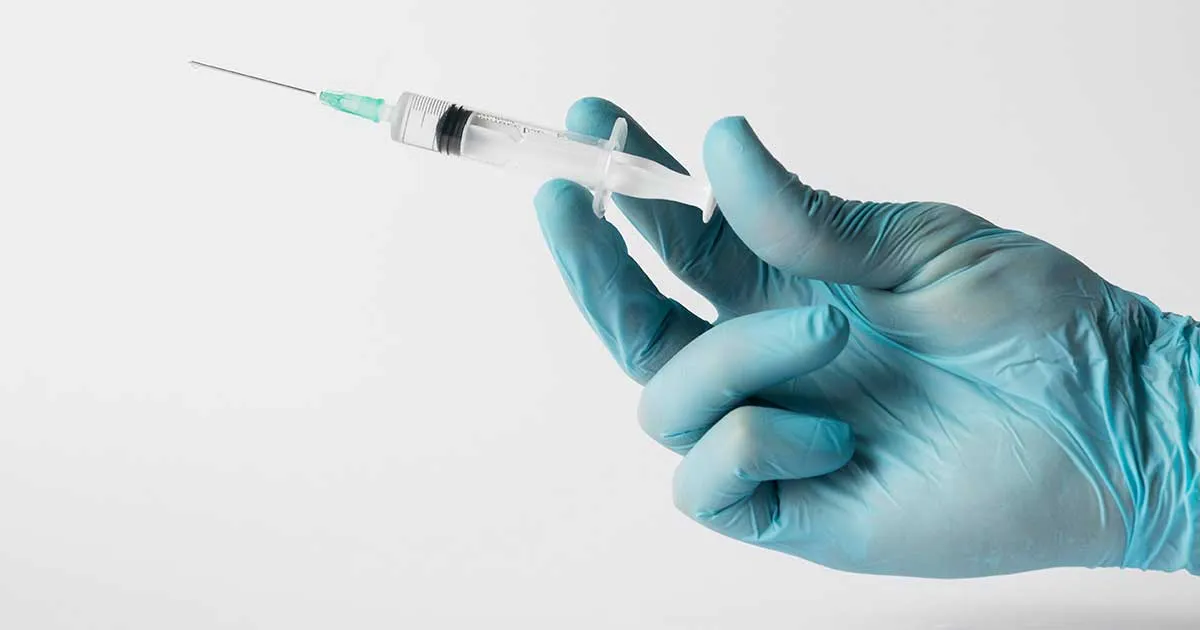
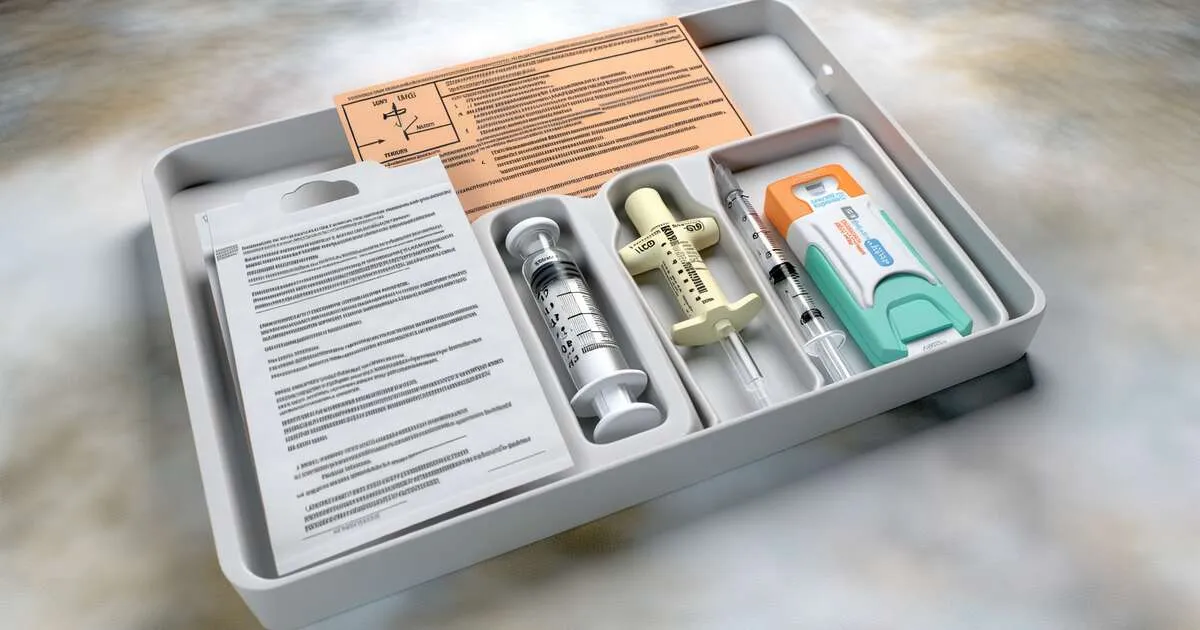
The main forms of naloxone you might encounter include the injectable version and the nasal spray. The injectable form is traditionally administered via a syringe, which can be a bit intimidating for those unfamiliar with needles. On the other hand, the nasal spray (often sold under the brand name Narcan) is super user-friendly—just spray it up the nose, and you’re good to go! Wouldn’t you want to choose the easiest option when it’s a matter of saving a life?
- Injectable Naloxone: Typically comes in pre-filled syringes for easy administration.
- Nasal Spray: Easy-to-use option where naloxone is sprayed into the nostrils.
- Auto-injector: Like an EpiPen, it automatically delivers naloxone with minimal effort.
Each type of naloxone has its unique advantages, making it essential to know what’s available in your area. Consider what might work best for you or someone you care about. Wouldn’t it feel great to be prepared for any situation? Understanding the types of naloxone not only equips you with knowledge but can also be the key to acting swiftly whenever necessary!
Recognizing Signs of Opioid Overdose to Use Naloxone Effectively
Recognizing the signs of an opioid overdose can be a game changer in saving someone’s life. It’s crucial to know what to look for because quick action might just be the difference between recovery and tragedy when it comes to opioid use. So, what exactly should you be on the lookout for?
Firstly, the person might seem unusually drowsy or difficult to wake up. If they’re not responding to shaking or loud talking, that’s a major red flag! Other alarming indicators include slow or shallow breathing, extremely pale or clammy skin, or a blue tint to the lips or nails. If you observe these symptoms, it’s time to take action!
Keep in mind that overdoses can occur in different settings, and recognizing the signs early is key. Do you know that someone’s ability to respond can vary? This is why understanding these symptoms is vital for friends, family, and caregivers. The quicker you can recognize and respond, the better the chances of reversing an overdose with naloxone. Ready to save a life? Let’s dive deeper into how to handle this situation efficiently!
- Unresponsiveness or difficulty waking up
- Slow or shallow breathing
- Blue or purple lips and nails
- Clammy or pale skin
- Drooping eyelids or weakened muscles
How to Administer Naloxone: Step-by-Step Instructions
Administering naloxone can make all the difference in a critical situation! Knowing how to properly use this life-saving medication is essential for anyone who might encounter an opioid overdose. Ready to learn? Let’s break it down into simple, easy-to-follow steps.
First things first, make sure you call emergency services immediately! While naloxone can temporarily reverse an overdose, it’s crucial that professional medical help is on the way. Now, when you have naloxone in hand, look for the following: a nasal spray or an intramuscular injection. The nasal spray is often the easiest and most user-friendly option.
- If using nasal naloxone: Hold the device with your thumb on the bottom and your index and middle fingers on the nozzle. Aim for one of the nostrils and press the plunger firmly to release the spray.
- If using an injection: Locate the outer thigh muscle, remove the cap from the needle, and insert it firmly at a 90-degree angle. Push the plunger down to deliver the dose.
- After administering naloxone, wait for at least 2-3 minutes. If the person hasn’t revived, give them another dose.
By following these simple steps, you can confidently administer naloxone in dire situations. And remember, it’s always okay to ask someone nearby for help if you feel uncertain. Have you or someone you know ever been faced with an overdose situation? Let’s keep the conversation going about the importance of naloxone!
Legal and Accessibility Aspects of Naloxone Distribution
When it comes to naloxone distribution, understanding the legal and accessibility aspects is crucial for anyone looking to help prevent opioid overdoses. Since naloxone is a life-saving medication, many countries and states have adopted laws to make it more accessible. Have you ever wondered how these laws can empower individuals to save lives?
In the U.S., most states allow naloxone to be dispensed without a prescription at pharmacies, making it easier for people to obtain it. This means you can walk into a pharmacy and ask for naloxone just like you would for any over-the-counter medicine. What a relief, right? Even better, there are also various community programs that distribute naloxone for free or at a low cost, removing barriers to access.
Additionally, the Good Samaritan laws in many regions offer protection to individuals who administer naloxone in emergencies, ensuring that bystanders can act without the fear of legal repercussions. This encourages more people to get involved and help those in need in critical situations. Isn’t that a powerful step toward combating the opioid epidemic?
- Access to naloxone varies by state and locality.
- Many states have prescription-free dispensing policies.
- Good Samaritan laws protect naloxone administrators from liability.
Community Resources for Naloxone Training and Access
Finding community resources for naloxone training and access can be a game-changer in overdose prevention! ️ Many organizations are stepping up to provide vital education and supplies, and it’s important to take advantage of these offerings. After all, knowing how to respond in an emergency could save someone’s life!
Across various communities, you’ll find local health departments, non-profits, and harm reduction organizations offering naloxone training sessions. These sessions often cover everything from recognizing the signs of an overdose to how to administer naloxone effectively. Have you checked your local resources? They might even offer free training classes or workshops!
- Local health departments that offer free naloxone kits and training sessions.
- Non-profit organizations focusing on substance use recovery.
- Community health centers that provide educational materials and support.
It’s not just about access to naloxone; it’s also about understanding how to use it confidently. Many programs emphasize hands-on practice, so you’ll be ready to take action if needed. Isn’t it reassuring to know that you can be part of the solution in your community? Together, we can make a difference!
Final Notes: Understanding Naloxone: Overdose Prevention Basics Explained
In wrapping up our discussion on naloxone, it’s clear how crucial this medication is in overdose prevention. Understanding naloxone means empowerment! The more we know about its application and importance, the better equipped we become to act in a crisis. Remember, knowledge is power, and by familiarizing ourselves with naloxone, we can all play a role in saving lives. Isn’t that amazing?
We hope you feel more informed and confident on how to use naloxone, recognize overdose signs, and understand the ins and outs of accessibility. Don’t forget, community resources are there to support you—reach out, get trained, and spread the word! Each of us can make a difference by ensuring that naloxone is available to those in need. Together, we can tackle the overdose crisis and bring hope to many. Let’s keep the conversation going!