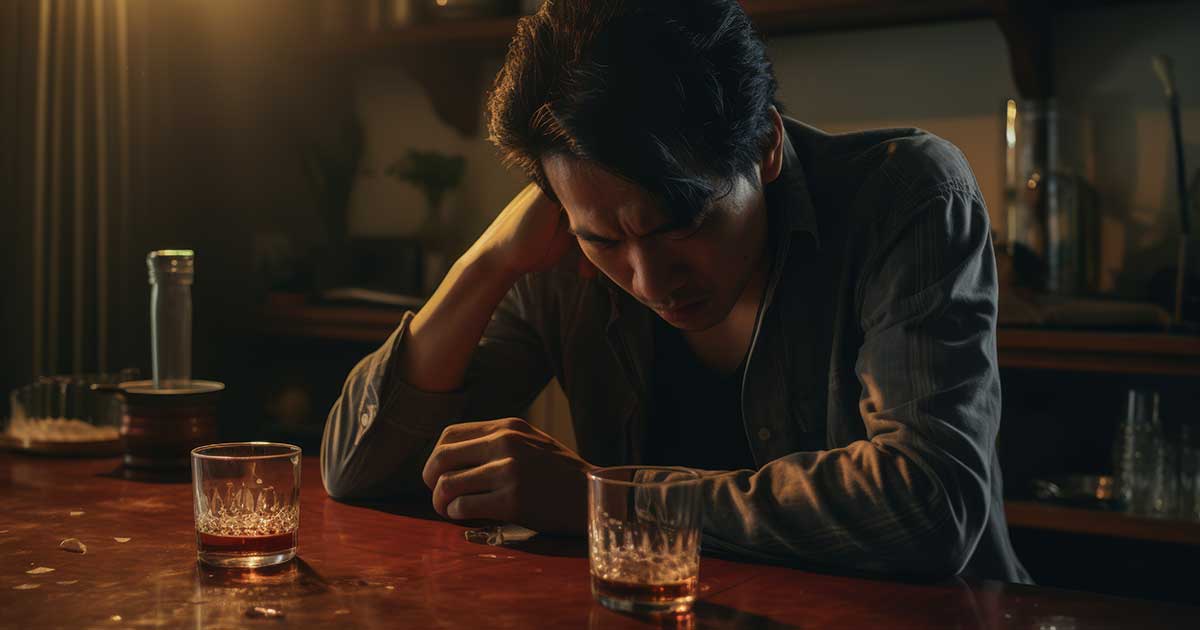
Librium addiction can sneak up on you, and understanding it is key to navigating the risks and finding the right treatment options. Many folks don’t realize that Librium, while often prescribed for anxiety and other issues, also carries a potential for addiction that can be pretty serious. Have you or someone you know struggled with this? Knowing the facts can empower you to take the right steps toward recovery.
Recognizing the signs of Librium addiction is crucial for not just the person experiencing it, but also their loved ones. This article digs into what Librium addiction really is, the risks associated with it, and the various treatments available for a smooth recovery. With the right knowledge, you can help break the cycle or support someone else in doing so. So, are you ready to delve into the important information you need? Let’s explore the hazards of Librium and the hopeful paths to recovery together!
What Is Librium and How It Affects the Brain’s Chemistry
Librium, or chlordiazepoxide, is a medication that’s primarily used to treat anxiety disorders and alcohol withdrawal symptoms. But how does it actually affect our brain’s chemistry? Well, when taken, Librium enhances the effects of a neurotransmitter called gamma-aminobutyric acid (GABA). GABA is like a natural calming agent that slows down the brain’s activity. Sounds pretty great, right? It can help manage stress and anxiety, but there’s a catch!
While many people find relief with Librium, it’s essential to understand how Librium addiction can develop. The brain gets used to the extra GABA signals, leading to a cycle where higher doses are needed to achieve the same calming effect. This can cause dependency and a range of other issues, like withdrawal symptoms if someone tries to stop suddenly. Isn’t that wild? It’s crucial to stay informed about the risks of relying on this medication over the long term.
When it comes to Librium addiction, individuals may start to experience some noticeable changes in both their behavior and mental state. Increased tolerance, frequent cravings, or feeling out of control when it comes to usage are just a few signs. What do you think – could someone in your life be experiencing something similar? After all, knowledge is power, and recognizing these signs is the first step towards helping someone on the path to recovery!
In a nutshell, while Librium can provide significant short-term relief from anxiety and withdrawal symptoms, its potential for addiction and harmful effects on brain chemistry can make it a risky choice. It’s always a good idea to consult with a healthcare professional if you’re considering options for anxiety or alcohol withdrawal. By understanding the implications of Librium addiction, you’re already a step closer to grasping the bigger picture of recovery and support!

Identifying the Risks Associated with Librium Addiction
Librium addiction can sneak up on you, and identifying the associated risks is crucial for anyone aware of this potentially dangerous situation. First and foremost, it’s important to recognize that Librium, while helpful for anxiety and certain medical conditions, can lead to physical dependence. When someone begins using Librium regularly, their body adapts, and over time, this adaptation could mean needing more of the drug to achieve the same calming effects. Can you imagine the anxiety that comes with realizing you might need it just to feel ‘normal’?
One of the biggest risks with Librium addiction is withdrawal. This is no walk in the park! Withdrawal symptoms can range from mild anxiety to severe issues such as seizures. Yes, seizures! This makes it super important to consult a healthcare professional if you or someone you know is trying to step back from Librium use. How daunting does that sound? But remember, reaching out for help is a sign of strength, not weakness.
Besides physical dependence, the psychological aspects of Librium addiction can also weigh heavy on a person. It can impact your mood and make daily life challenging. Those who are addicted might find themselves isolating from friends and family, leading to further mental health issues like depression or anxiety. It’s a vicious cycle! Breaking free from this cycle is possible, but knowing these risks is the first step towards a healthier path. Are you ready to break that cycle and regain control?
- Risk of withdrawal symptoms such as anxiety and seizures.
- Potential for increased tolerance requiring higher doses.
- Impact on mental health leading to isolation and depression.
Common Signs and Symptoms of Librium Dependency to Watch
Spotting the signs of Librium addiction can be a game changer for you or a loved one. It’s crucial to recognize these symptoms early, as doing so can help pave the way for recovery. So, what should you be on the lookout for? Well, the signs range from physical to emotional, and they can sometimes be tricky to identify.
First off, let’s talk about the physical signs. A person may exhibit changes in their sleep patterns, whether that’s insomnia or sleeping excessively. You might also notice some unusual fluctuations in energy level; they could feel high one moment and drop into fatigue the next! Have you observed any sudden weight loss or gain? That’s another red flag.
Moving onto the behavioral signs, social withdrawal is a common symptom. An individual grappling with Librium dependency might start isolating themselves from friends or engaging in risky behaviors. Everyone deserves to enjoy social interactions! If you see someone distancing themselves, it’s time to check in. Have they lost interest in hobbies they once loved?
- Changes in mood, such as increased irritability or anxiety
- Frequent visits to multiple healthcare providers for prescriptions
- Neglecting responsibilities at work, school, or home
Finally, don’t overlook the psychological signs. Individuals may feel heightened anxiety, panic attacks, or even depression when they attempt to cut back on Librium. Understanding these symptoms not only helps in identifying addiction but also opens up crucial discussions about seeking help. Why not talk to someone who may be in need today?
Effective Treatment Options for Overcoming Librium Addiction
Overcoming Librium addiction is a journey that requires effective treatment options tailored to individual needs. Thankfully, there are a variety of pathways available that can empower individuals on their road to recovery. Have you ever considered the diverse treatment methods that work for others? Various approaches may cater to different preferences and needs!
One of the most commonly recommended treatments is detoxification, which helps free the body from the drug. This process may be uncomfortable, but under medical supervision, it can be managed safely. Medical professionals can provide medications to ease withdrawal symptoms and ensure a smoother transition. Who wouldn’t want some support along the way?
After detox, many find that counseling or therapy plays a major role in their recovery journey. Cognitive-behavioral therapy (CBT) is particularly effective! It helps individuals reframe their thoughts and behaviors associated with Librium use. Have you heard how powerful our mindset can be in shaping our habits?
Group therapy is another popular option. Participating with others facing similar struggles can be incredibly motivating! Sharing stories, challenges, and victories creates a sense of community and provides additional support. Plus, it’s a great way to make new friends who truly understand what you’re going through!
Lastly, aftercare services are vital in maintaining long-term recovery. Regular check-ins, support groups, or outpatient counseling keep the momentum going and make sure you don’t feel alone in your journey. What are some ways you think you would want to stay engaged in your recovery?
There’s no one-size-fits-all approach to overcoming Librium addiction. By exploring these effective treatment options, you can discover the path that works best for you. Remember, recovery is not just a destination; it’s a continuous journey of growth and self-discovery!

Coping Strategies to Support Recovery from Librium Use
Finding ways to cope with recovery from Librium addiction can really make a difference in your journey. It’s all about having the right tools in your toolbox to handle challenges head-on. So, what are some effective coping strategies? Well, let’s break it down!
First up, mindfulness and meditation! These practices can really boost your mental health and help you stay grounded. Have you ever tried focusing on your breath or practicing yoga? They help clear the mind and reduce anxiety. Even just a few minutes a day can help you stay calm and focused.
Next on the list is the social support system. Surrounding yourself with positive people is crucial! Friends and family can act as your cheerleading squad, encouraging you when things get tough. Why not join a support group? Sharing experiences with others who understand can be incredibly healing.
Now, let’s not forget about physical activity! Exercise isn’t just great for your body; it’s also a fantastic mood enhancer. Whether it’s a brisk walk, hitting the gym, or dancing like nobody’s watching, getting your body moving releases those feel-good endorphins. Have you found a workout that you enjoy?
- Develop a daily routine to create stability and predictability.
- Engage in hobbies that excite and fulfill you.
- Practice gratitude by writing down things you’re thankful for.
So, to sum it up, utilizing effective coping strategies during recovery from Librium addiction can empower you immensely! Remember, it’s all about finding what works best for YOU. Care about your progress? You should! It’s a big deal! Keep it up!
Long-Term Outlook for Individuals Recovering from Librium Dependency
The long-term outlook for individuals recovering from Librium addiction is like navigating a winding road. It can get bumpy, but there are plenty of smooth stretches ahead! Many folks often wonder how their journey may unfold. Well, recovery from Librium dependency is not just about stepping away from the drug; it involves understanding oneself and building a healthier lifestyle. This journey can be empowering, and the potential for a brighter future is vast.
After overcoming the initial risk of withdrawal, the real work begins. Individuals often experience a rollercoaster of emotions as they adjust to life without Librium. Therapy plays a significant role here, providing strong support and strategies to cope with cravings and triggers. Have you ever considered how a positive support network can amplify your recovery? Surrounding oneself with encouraging friends and family can make a world of difference!
In many cases, long-term recovery means gaining valuable life skills. Effective coping strategies, such as mindfulness and stress management techniques, can help individuals face life’s challenges head-on. Getting involved in supportive communities, whether online or in person, facilitates sharing experiences and tips for staying on track. Did you know that engaging in hobbies or activities can positively impact mental health, too? It’s a win-win!
Relapses can happen, but they aren’t the end of the road—just a detour. Many recovering individuals learn to bounce back by treating every setback as a learning experience. Building resilience is key! Plus, individuals often find themselves embracing new interests and healthier habits, which can lead to a fulfilling life post-recovery. It’s exciting to think about the fresh opportunities waiting just around the corner!
- Positive emotional growth
- Improved coping mechanisms
- Strengthened social connections
Final Thoughts: Librium Addiction
As we’ve explored throughout this article, understanding Librium addiction is essential for spotting the risks and getting on the path to recovery. It’s not just about recognizing the symptoms but also knowing there are effective treatments available. Have any of the signs resonated with you or someone you know? It’s important to remember that help is just a conversation away!
When it comes to overcoming Librium addiction, the strategies we discussed can be game changers. ️ These aren’t just tips; they’re lifelines! Make sure to consider professional help and support networks in your journey. Recovery isn’t a straight line, and that’s totally okay. Just remember, you’re not alone in this fight. It’s never too late to reach for support and choose a healthier future!