If you’ve heard the term “angel dust” before, you might be wondering what it really means and how it can impact health and wellbeing. Angel dust, known scientifically as phencyclidine (PCP), is a powerful hallucinogenic substance that alters perception and can lead to a myriad of effects on both the mind and body. It’s not just a buzzword; understanding its consequences is crucial for anyone seeking to navigate the world of substance use and recovery.
So, what exactly does angel dust do? Users may experience everything from euphoria to extreme agitation. This can send shockwaves through their lives, affecting relationships and overall wellbeing. But wait, don’t panic! There are treatment options available that can help individuals reclaim their lives from the grip of this substance. Knowledge is power—by learning about the effects of angel dust and the pathways to recovery, you can make informed decisions or help someone in need. Let’s dive into the nitty-gritty of the effects and explore the various treatment options that can lead to a healthier future!
What is Angel Dust? Understanding Its Composition and Nature
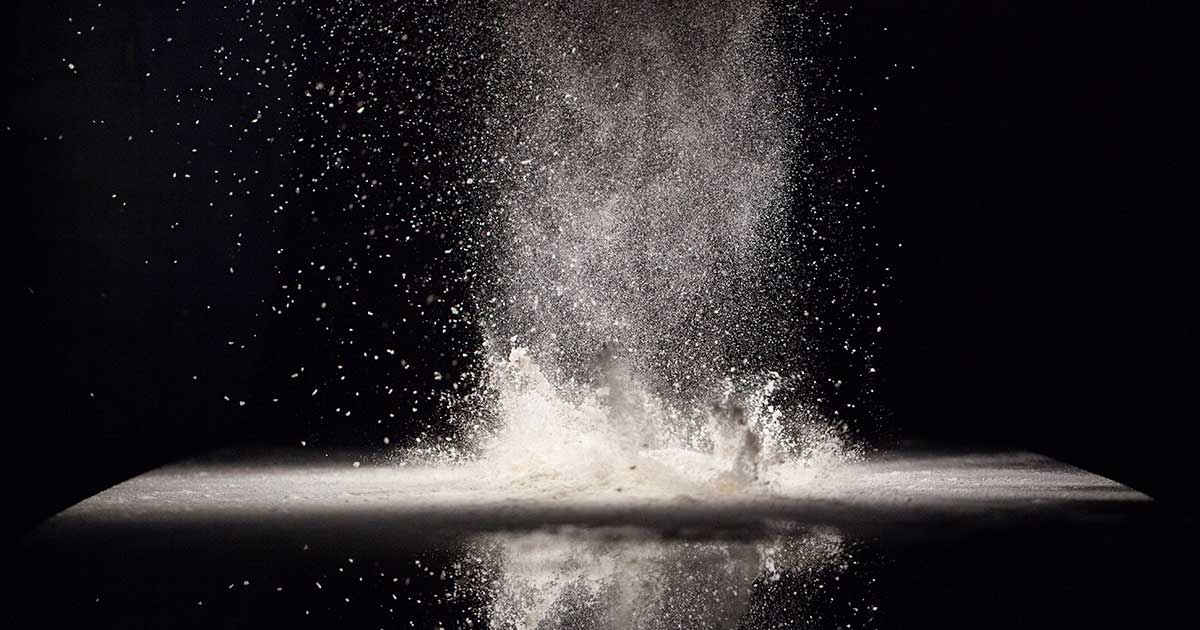
Angel dust, also known as PCP (phencyclidine), is a powerful dissociative drug that can have a wide range of effects on both the mind and body. But what exactly is it made of? Its white, crystalline form often resembles table salt, and it can be found in various forms such as powder, pills, and even soaked onto leafy substances like marijuana. This unique composition contributes to the unpredictable experiences users may encounter when under its influence.
The experience of using angel dust can vary dramatically from one person to another. Some might feel an overwhelming sense of euphoria, while others may face intense hallucinations or paranoia. So, why does this happen? It’s mainly due to how PCP interacts with the brain’s neurotransmitters, particularly glutamate, which plays a crucial role in perception, pain, and memory. Are you intrigued by how such a small compound can have such profound effects?
Interestingly, despite its stigma, angel dust was initially created to help with anesthesia during medical procedures. However, due to its unpredictable nature and potential for severe side effects, it was pulled from medical use. Nowadays, users often seek it out for its mind-altering effects or as an escape from reality. But it’s essential to understand that using this substance often leads to negative consequences that can impact mental health significantly!
- Potential for intense hallucinations
- Chances of severe anxiety and mood swings
- Risk of addiction and prolonged mental health issues
In conclusion, understanding the composition and nature of angel dust is important for grasping its effects fully. The risks associated with its use extend far beyond the momentary high, affecting mental health, relationships, and overall well-being. If you or someone you know is struggling with issues related to angel dust, there are treatment options available that can offer help and support.

Exploring the Different Effects of Angel Dust on Mental Health
The effects of angel dust on mental health can be profound and quite concerning. Users often report a wide range of psychological responses that can leave an imprint on their emotional well-being. Some experience a temporary sense of euphoria, while others may fall into a state of paranoia or delusions. How can something so potent affect your mind in such drastic ways?
One of the most alarming effects of angel dust is its tendency to trigger severe hallucinations. Imagine seeing things that aren’t there or hearing voices speaking to you! These episodes can lead individuals to dangerous situations or harmful behaviors, severely impacting their relationships and day-to-day functioning. Can you think of someone who might have experienced this?
Beyond hallucinations, many users also experience intense mood swings. From joy to despair in a blink of an eye, it’s like riding an uncontrollable rollercoaster of emotions! These rapid changes can lead to anxiety, depression, and other mood disorders, making recovery challenging. Recognizing these effects is crucial for anyone interacting with someone using angel dust.
- Paranoia and anxiety
- Severe mood swings
- Hallucinations and delusions
- Cognitive dysfunction or memory loss
Furthermore, one cannot overlook the cognitive impacts of angel dust on mental health. Long-term use can lead to memory problems, trouble concentrating, and even a reduced capacity for learning new things. This is particularly alarming for younger users whose brains are still developing. Are you or someone you know curious about how these effects can persist even after ceasing use?
In short, the different effects of angel dust on mental health are multifaceted and can vary from person to person. Understanding these effects can guide individuals towards finding the right support and treatment options. By raising awareness about the dangers of angel dust usage, we can work together towards healthier, happier lives!
Short-Term and Long-Term Impacts of Angel Dust Use
Understanding the impacts of angel dust (PCP) is essential for anyone who might be affected or interested in this powerful substance. The effects of angel dust are notorious for shifting from slightly euphoric to extremely disturbing in a flash! Ever thought about what happens right after someone uses it? Short-term effects can include hallucinations, paranoia, and a feeling of invincibility, which may lead to risky behaviors. It’s wild to think how one little choice can change someone’s reality, right?
In the short term, users may experience an array of reactions that can be both intense and unpredictable. Some might find themselves in an altered state with a heightened sense of awareness, while others could feel completely detached from their surroundings. It often leads to emotional instability, which can escalate into dangerous situations. This is the kind of whirlwind that leaves you asking: “Am I in control, or is this substance controlling me?”
But what about the long-term impacts? That’s where things get even more concerning. Prolonged use can pave the way for severe mental health issues such as chronic depression, anxiety, and lasting cognitive impairments. Imagine a fog that just won’t lift, hanging over your life! The long game of using angel dust might lead users to confront ongoing psychological struggles that outlast their drug use. It’s not just about the high; it’s about the aftermath…
- Persistent memory issues
- Increased risk of developing mental health disorders
- Social and relationship difficulties
- Possible long-term brain damage
That’s a lot to unpack! The key takeaway? Whether the effects are short-term thrills or long-term troubles, understanding them is the first step toward recovery. So, if you or someone you know is caught up in the chaos of angel dust, this knowledge can be a lifesaver. Let’s shine a light on the path to recovery and healing together!
Treatment Options for Angel Dust Addiction and Recovery
When it comes to overcoming an addiction to angel dust, understanding the treatment options available can be a game-changer! Whether you or a loved one is grappling with this challenge, there’s a path to recovery filled with hope and support. The first step is often seeking help from professionals who can guide you through this tough journey.
One of the most effective treatment options for angel dust addiction is rehabilitation programs. These programs typically offer a structured environment where individuals can receive counseling, therapy, and medical assistance as needed. Are you aware that different rehab facilities may specialize in various approaches? This makes it essential to find a program that resonates with your personal journey!
Another great option is individual therapy, which allows for a more personal touch. In one-on-one sessions, therapists can help unpack the emotions and triggers tied to angel dust use. Isn’t it interesting how talking about your experiences can make such a difference? Plus, group therapy sessions offer the chance to connect with others facing similar struggles, fostering a community of understanding and encouragement!
Medication may also play a role in the recovery process, especially to address underlying mental health conditions triggered or worsened by angel dust use. Medications can help manage cravings and stabilize your mood, giving you a clearer pathway to healing. Isn’t it amazing how science can support our mental health recovery?
- Rehabilitation Programs: Structured support in a controlled environment
- Individual Therapy: Personalized sessions to explore emotions and triggers
- Group Therapy: Shared experiences and encouragement from peers
- Medication Management: Addressing underlying mental health issues
Remember, recovery from angel dust addiction not only involves treatment but also long-term support. Building a routine, engaging in healthy social activities, and staying connected with supportive friends and family can significantly enhance your recovery journey. Are you ready to take that next step towards a healthier life?

How to Support Someone Struggling with Angel Dust Issues
Supporting someone dealing with angel dust issues can feel overwhelming, but your role is crucial in their journey to recovery. Knowing how to approach them can make all the difference! You don’t have to have all the answers; just showing that you care and are there for them is often enough to ignite hope.
First things first, listen actively! Instead of jumping in with solutions or judgments, create a space for them to share their thoughts and feelings. Often, what a person struggling with addiction needs most is someone who truly hears them. This can help build trust and let them know they’re not alone in this battle.
Avoid enabling behaviors. It’s important to set healthy boundaries while still offering support. For instance, you might want to steer clear of situations where they could be tempted to use angel dust again. Have you ever thought about how your actions might impact a loved one’s recovery? Keeping these boundaries can actually encourage them to seek professional help.
Encourage them to seek professional help. This means suggesting therapy sessions or support groups specifically aimed at angel dust recovery. Knowing that there are trained professionals out there can ease their burden. Plus, joining a community can foster a sense of belonging that is often missing in their lives.
Remember, it’s not just about the big gestures; small acts of kindness can go a long way. A simple text checking in, inviting them for a walk, or even sharing a laugh can serve as reminders that life can be enjoyable. Have you done something nice for them today?
- Listen actively without judgment.
- Set healthy boundaries.
- Encourage professional help.
- Offer simple acts of kindness.
Resources and Support Groups for Angel Dust Recovery
Finding the right resources and support groups for angel dust recovery can make all the difference in the journey toward healing. It’s not just about quitting the substance; it’s also about rebuilding yourself and your life. This journey can feel overwhelming, but you’re not alone! There are numerous organizations and support groups dedicated to helping individuals navigate the challenges of addiction.
One of the top resources available is the Substance Abuse and Mental Health Services Administration (SAMHSA). They offer a helpline that can connect you with local treatment options and support groups tailored to your specific needs. Plus, their website has a wealth of information on recovery paths and coping strategies. Have you checked out their resources yet?
- National Alliance on Mental Illness (NAMI) – Provides support groups and resources for mental health
- SMART Recovery – Focuses on self-help tools for recovery that empower individuals to take charge of their journey
- Alcoholics Anonymous (AA) – Even for drug use, their principles and support can be invaluable
- Local Community Centers – Often host support meetings and provide guidance and resources in your area
Support groups can also be vital in the recovery process. They create a community where you can share experiences, gain insights, and draw strength from one another. Whether you’re looking for a face-to-face gathering or an online group, the options are vast. Finding a supportive community can transform your recovery journey, don’t you think? It’s all about fostering connections that uplift and motivate you!
Finally, remember that seeking professional help is crucial. Therapists and counselors with experience in addiction can provide tailored strategies for quitting angel dust and managing cravings. So don’t hesitate to reach out for assistance; there’s a whole support network just waiting to help you thrive on your path to recovery!
Final Thoughts: What is Angel Dust?
Understanding angel dust is crucial in navigating its complex effects and treatment options. It’s not just about recognizing the drug’s name; it’s about grasping its influence on mental health and wellbeing. With so many people affected, knowing the symptoms and seeking treatment can foster a supportive environment where healing is possible.
The impact of angel dust can be quite severe, but there’s hope! By exploring various treatment options and understanding how to support those struggling, we can make a difference! What’s more, community resources and support groups are here to help those on their path to recovery. Remember, it’s never too late to seek help or lend a hand. Together, we can overcome the challenges posed by angel dust.