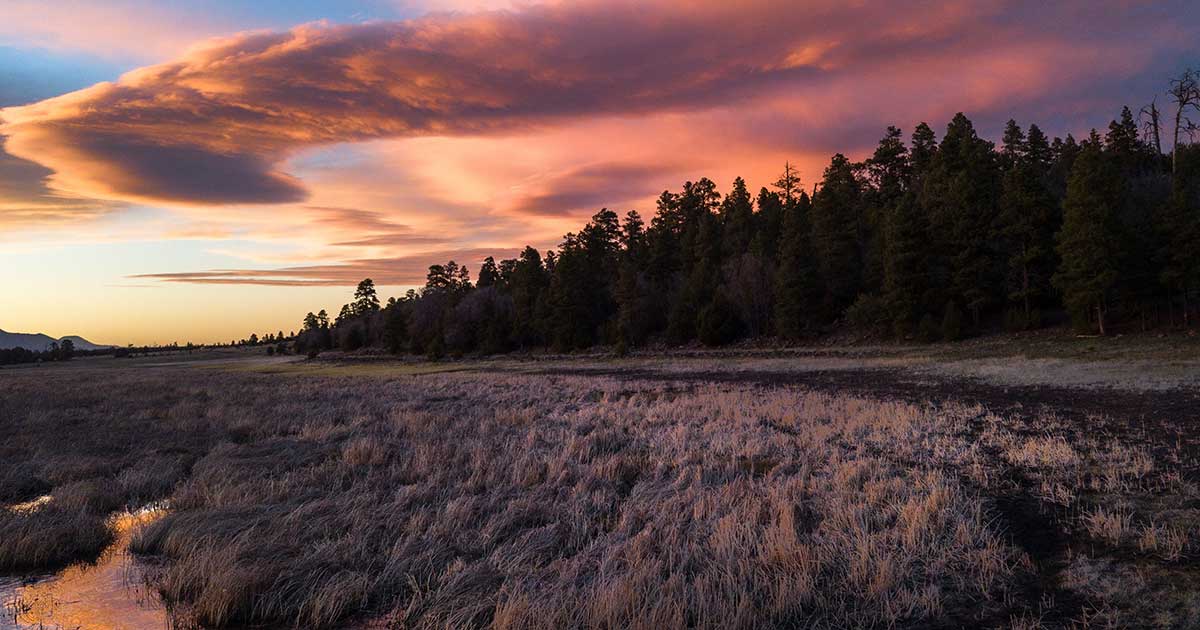
Wilderness therapy is an exciting and innovative approach to emotional healing and personal growth that’s gaining attention these days. Imagine stepping away from the hustle and bustle of city life and immersing yourself in the serene embrace of nature, all while working through life’s challenges. This type of therapy not only fosters a sense of connection with the great outdoors but also offers transformative experiences that can lead to meaningful insights about yourself and your journey. Isn’t it incredible how nature can be a healing force?
In this article, we’re diving into the many benefits of wilderness therapy, delving into how it can be a powerful tool for those seeking support in their mental health journey. Whether you’re facing emotional struggles, searching for personal growth, or simply wanting to reconnect with yourself, we’ve got your back! You’ll discover how outdoor sessions, team-building challenges, and wilderness survival skills can provide an unrepeatable experience that traditional therapy sometimes misses. So, are you ready to explore a new path towards healing and self-discovery? Let’s get started!
Understanding Wilderness Therapy: Definition and Overview
Wilderness therapy is a unique approach to healing that combines nature with therapeutic practices. It’s all about stepping away from the traditional office setting and diving into the great outdoors. Imagine hiking through beautiful landscapes or gathering around a campfire under the stars, all while engaging in powerful therapeutic processes. This approach not only helps individuals reconnect with themselves but also with the world around them.
But what exactly does wilderness therapy entail? At its core, it’s a form of experiential therapy that emphasizes outdoor experiences as a backdrop for personal growth and emotional healing. Participants learn valuable life skills, boost their self-esteem, and often find clarity about their feelings and challenges. Sounds intriguing, right? It’s a chance to reflect deeply while being surrounded by breathtaking views!
One of the coolest aspects of wilderness therapy is that it’s not just about the scenery. The activities involved are specifically designed to foster personal development. From group challenges and individual reflection time to survival skills training, every element is geared towards healing and growth. You might be surprised at how much you can discover about yourself when you’re immersed in nature!
In a nutshell, wilderness therapy takes the therapeutic process outdoors, creating a powerful blend of nature and mental health support. Whether you’re dealing with anxiety, depression, or simply looking for a fresh start, connecting with nature can be transformative. So, are you ready to explore the inspiring world of wilderness therapy?

Key Benefits of Wilderness Therapy for Mental Healing
Wilderness therapy isn’t just an adventure in nature; it’s a powerful tool for healing! The fresh air, stunning landscapes, and physical activities combine to create an environment that promotes emotional well-being. By stripping away everyday stresses and distractions, wilderness therapy provides a unique space for individuals to reconnect with themselves and their feelings. Who wouldn’t want to swap their daily grind for the serenity of the great outdoors?
One of the key benefits of wilderness therapy is its ability to foster personal growth. When participants face challenges in nature—whether it’s hiking up a steep hill or building a fire—they develop important skills like resilience and teamwork. How cool is it to know that overcoming these outdoor hurdles translates into improved confidence and problem-solving abilities in everyday life? It’s like the wilderness becomes your personal training ground for emotional strength!
Additionally, wilderness therapy encourages mindfulness. Nature has this magical way of grounding us and reminding us to be present. Instead of worrying about the past or future, you get to focus on the beauty of your surroundings and your inner thoughts. This kind of mindfulness can help reduce anxiety and boost overall mood. Imagine taking a deep breath while surrounded by trees—doesn’t that sound refreshing?
Social connection is another fantastic benefit. In wilderness therapy, individuals often collaborate in group activities, creating a sense of community and belonging. This can be a game-changer for those who’ve felt isolated or disconnected. Sharing experiences and building relationships in nature helps to break down barriers and encourages open communication. It’s incredible how laughter and teamwork in the wild can heal emotional wounds!
- Promotes resilience and personal growth.
- Encourages mindfulness and present-moment awareness.
- Fosters social connections and a sense of community.
How Wilderness Therapy Complements Traditional Treatments
When you think about therapy, the cozy therapist’s office probably comes to mind. But what if stepping into the great outdoors could amplify that healing? That’s where wilderness therapy shines, blending the best of nature with traditional treatment methods. Instead of relying solely on talk therapy, wilderness therapy introduces nature as a co-therapist, offering a refreshing change of scenery and experience.
How does it work, you ask? Well, during wilderness therapy sessions, individuals engage in outdoor activities such as hiking, camping, and team-building exercises while simultaneously working on personal growth and emotional healing. It’s a combination that helps to build essential life skills and addresses mental health issues. Isn’t it amazing how nature can play such a crucial role in recovery?
One of the significant benefits of combining wilderness experiences with traditional therapies is the sense of community that often flourishes in the great outdoors. Participants bond over shared experiences, breaking down walls that may exist in conventional settings. Plus, they get to channel their energy into something productive rather than dwelling on their struggles. Have you ever felt lighter after a day spent outside? That’s nature working its magic!
Also, the unpredictability of wilderness therapy means that individuals often find opportunities to develop resilience. Whether it’s dealing with unexpected weather or navigating a tough hiking trail, these experiences mirror challenges one might face in daily life. By developing coping strategies in such a stimulating environment, the tools they learn can be carried back into their everyday routines. Talk about real-world applications!
- Wilderness therapy enhances self-esteem and personal responsibility.
- It promotes teamwork and communication skills among peers.
- And it can boost emotional regulation by connecting with nature.
So, if you’re considering a more holistic approach to healing, blending wilderness therapy with traditional treatments might just be the perfect match for you or a loved one. Ready to step outside and experience the benefits firsthand? Let’s explore together!
Popular Activities in Wilderness Therapy Programs Explained
When you think of wilderness therapy, you might picture serene landscapes and peaceful moments, but there’s so much more than that! Wilderness therapy is packed with dynamic activities that not only engage the mind and body but also promote emotional healing. Let’s dig into some of the most popular activities you’ll find in these programs!
One of the standout activities is outdoor survival skills training. Participants learn essential skills like building shelters, foraging for food, and navigating through rugged terrains. Isn’t it amazing how connecting with nature can boost self-confidence and teach resilience? When you’re out there, every challenge faced translates into a sense of accomplishment!
Another popular activity is team-building exercises. These are not just fun; they are designed to build camaraderie and foster communication among participants. Think of activities like rock climbing or group hikes, which are not just about physical fitness but also embrace teamwork and mutual support. Have you ever seen how working together can transform a group’s dynamic?
Then there’s expressive arts integrated into nature! This is where creativity flourishes. Whether it’s painting a stunning landscape or journaling about personal experiences while surrounded by nature, these activities allow individuals to express their thoughts and emotions freely. It’s a beautiful marriage between therapy and creativity that can also spark personal insights!
Finally, let’s not forget about guided reflection sessions. After a day of exploring and learning, winding down with reflection exercises helps participants make sense of their experiences. These are moments to connect the dots, grow from what you’ve learned, and look forward to future growth. Feeling reinvigorated just thinking about it?
These activities are just the tip of the iceberg in wilderness therapy programs! With a mix of adventure, creativity, and self-reflection, they form a memorable and impactful experience that supports emotional healing. So why not explore this enticing option if you or someone you know is on the path to recovery?

Who Can Benefit from Wilderness Therapy and Why
Wilderness therapy isn’t just for a select few; it’s truly a transformative experience that can benefit a wide range of individuals. Are you feeling stuck in your emotional journey? Or perhaps you’re searching for more engaging ways to tackle personal challenges? Wilderness therapy can be a game-changer for you!
From teenagers grappling with behavioral issues to adults facing stress or anxiety, the therapeutic benefits of outdoor adventures are extensive. Those struggling with depression, addiction, or even low self-esteem often find that the natural environment encourages healthier coping mechanisms. After all, who doesn’t feel a little lighter when surrounded by stunning landscapes?
Why Wilderness Therapy Works
So why does wilderness therapy resonate with so many? It’s all about the immersive experience! Being in nature allows individuals to break free from everyday stressors and distractions. The great outdoors acts as a vast canvas for personal reflection and growth. Whether it’s the fresh air or the breathtaking vistas, every element works together to create a healing environment.
Moreover, wilderness therapy fosters important life skills like teamwork, resilience, and self-discipline. Participants learn to rely on one another while hiking or setting up camp, building trust and community. Wouldn’t it be great to regain confidence and meet others who understand what you’re going through?
- Teenagers struggling with behavioral issues.
- Adults coping with anxiety or depression.
- Individuals looking to develop better life skills.
- Those in recovery from substance abuse.
Ultimately, wilderness therapy offers a unique blend of adventure and healing, where individuals can discover new pathways to recovery and self-discovery. So, could this exciting approach be the missing link in your personal growth journey?
Choosing the Right Wilderness Therapy Program for You
Choosing the right wilderness therapy program can feel overwhelming, but it doesn’t have to be! Your journey toward emotional healing and personal growth is unique, and finding a program that fits your specific needs is essential. So, what should you look for? First and foremost, think about your goals. Are you seeking help with anxiety, depression, or a specific trauma? Understanding what you aim to achieve will guide you in selecting the perfect program!
Next up, let’s talk about the type of wilderness therapy options out there! There are therapeutic programs that focus on adventure, while others may emphasize mindfulness and skill-building. It’s all about finding a balance that resonates with you. Does the thought of hiking up a mountain thrill you, or does the idea of meditation by a tranquil lake sound more appealing? Your preferences matter!
Another important consideration is the qualifications of the facilitators. Are they licensed therapists or seasoned outdoor educators? Having experienced professionals leading the way can make all the difference in your recovery process. So, don’t hesitate to ask about their credentials when you’re doing your research!
Lastly, take some time to read reviews or testimonials from past participants. Hearing about their experiences can provide great insight into what you might expect. Plus, it’s a fantastic way to gauge how effective the program has been for others like you. Are there any specific programs that have caught your eye?
- Define your healing goals.
- Explore different types of wilderness therapy activities.
- Check the qualifications of the program facilitators.
- Read reviews and testimonials from past participants.
So, whether you’re looking for an intensive therapeutic adventure or a more contemplative experience, remember that the right wilderness therapy program should feel like a perfect fit for you! With the right support, you can truly unlock your potential and pave the way for healing. Go ahead, take that bold step forward!
Final Thoughts: Explore the Benefits of Wilderness Therapy for Healing
Exploring the benefits of wilderness therapy showcases an exciting path to emotional healing and personal growth! This unique approach not only allows you to immerse yourself in nature, but also provides various tools to navigate through life’s complexities. Imagine reconnecting with yourself while surrounded by the calming sounds of nature — what could be better?
As we learned, wilderness therapy offers powerful benefits that can complement traditional treatments beautifully. Whether it’s through hiking, rock climbing, or simply enjoying the fresh air, each activity can play a pivotal role in your healing journey. Don’t forget, finding the right program tailored to your needs is crucial for maximizing these benefits. Have you started thinking about which wilderness therapy program might fit you best? Let’s embrace this opportunity for growth together!