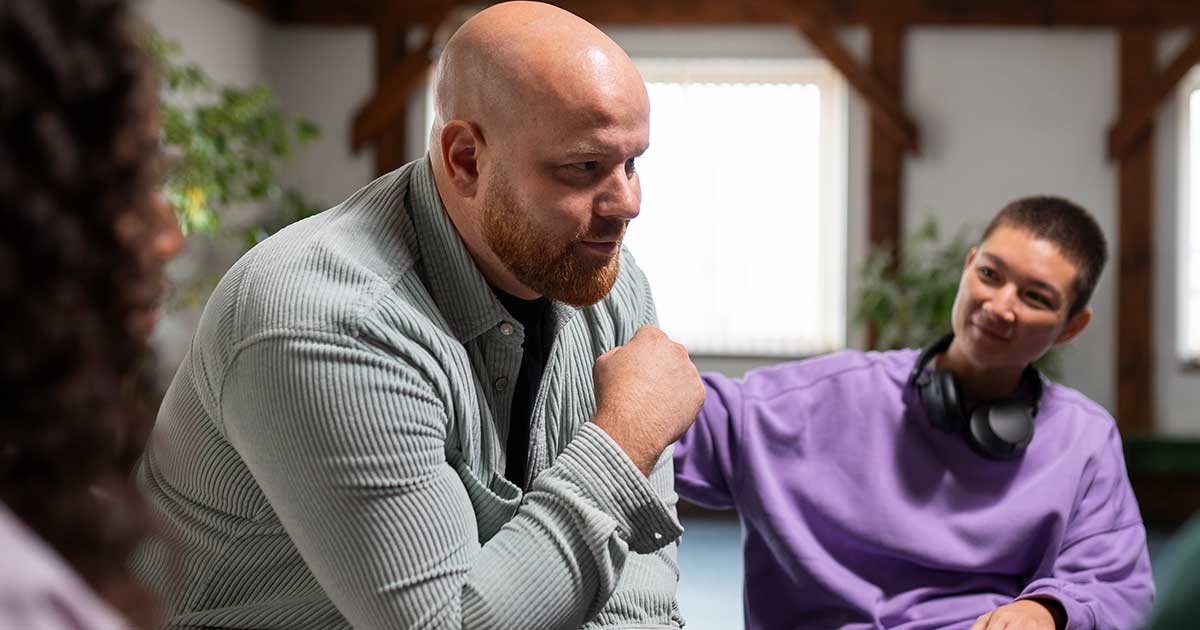
It’s incredibly vital to understand the best therapy for sexual assault victims, as it can play a significant role in the healing journey of those impacted. Finding effective support is not just about recovery; it’s about regaining control and rediscovering a sense of safety in life. Whether it’s talk therapy, art therapy, or even group support, each option provides unique tools and benefits that can empower survivors. Isn’t it amazing how a good support system can transform someone’s outlook?
Exploring therapy options is like peeling back layers of an onion—each layer revealing something new! From established methods to innovative approaches, the diverse range of therapies available can help survivors process their experiences and promote emotional well-being. It’s essential to acknowledge that everyone’s healing journey is personal, and what works wonders for one person might not suit another. So, are you ready to discover which therapies can assist in this crucial process?
Understanding Sexual Assault and Its Psychological Impact
Understanding sexual assault and its psychological impact is crucial for both survivors and those supporting them. The trauma can affect emotional well-being, relationships, and overall quality of life. Have you ever thought about how deeply an incident can resonate in someone’s mind long after it happens? Survivors often experience feelings of confusion, anxiety, and depression that can seem overwhelming.
The psychological effects can manifest in various ways, including post-traumatic stress disorder (PTSD), panic attacks, or even physical symptoms like headaches and stomach issues. Survivors may struggle with trust, intimacy, and self-esteem, making healing a complicated journey. You might ask, “What can I do to support someone who has gone through this?” Well, simply being there for them, listening, and validating their feelings can make all the difference.
- Feelings of isolation and loneliness
- Flashbacks and nightmares
- Difficulty concentrating or making decisions
- Emotional numbness or detachment
- Changes in sleeping or eating patterns
Recognizing these symptoms is the first step toward seeking help. The right kind of therapy can greatly aid in recovery. Many survivors find that learning about the best therapy for sexual assault victims can empower them to take action, reclaim their lives, and work through their feelings. Isn’t it incredible how healing can be a shared journey? Whether it’s through professional therapy, community support groups, or simply talking with loved ones, a robust support system is vital.
In the following sections, we’ll explore various therapeutic options tailored specifically for trauma recovery. From cognitive behavioral therapy to EMDR, there are many paths to healing. Remember, every survivor’s journey is unique, and there’s no one-size-fits-all approach. Curious about which therapy might be the best fit? We’ll break it all down soon!

Overview of Effective Therapies for Trauma Recovery
When it comes to addressing trauma, especially for those impacted by sexual assault, understanding effective therapies is key. Many survivors are on the lookout for the best therapy for sexual assault victims that truly fosters healing. The range of options available can be overwhelming, but finding the right fit is absolutely essential for recovery. Are you curious about what therapies exist? Let’s explore some of the most effective ones together!
One popular method is talk therapy, which provides a safe space for survivors to share their experiences and emotions. This form of therapy encourages expression and can help individuals make sense of their feelings. It’s all about creating a connection between the therapist and the survivor, building trust, and promoting healing. Have you ever thought about how powerful sharing your story can be?
Additionally, Eye Movement Desensitization and Reprocessing (EMDR) has gained traction for its effectiveness in treating trauma. This structured therapy helps individuals process distressing memories, assisting survivors in forming more adaptive beliefs about themselves and their experiences. The science behind EMDR is intriguing, don’t you think? It’s fascinating how our brains can heal with the right kind of support!
Cognitive Behavioral Therapy (CBT) is another widely recognized option. It helps survivors challenge and change unhelpful thought patterns related to their trauma. By reworking these thoughts, individuals can significantly reduce feelings of anxiety and depression, promoting emotional wellness. Who wouldn’t want to feel empowered in their recovery journey?
- Talk Therapy: Safe space for sharing emotions.
- EMDR: Effective processing of traumatic memories.
- CBT: Changing unhelpful thoughts for wellness.
In addition to these therapies, integrating mindfulness practices can also enhance the recovery process. Mindfulness encourages individuals to stay present, acknowledging their thoughts and feelings without judgment. This can be a game-changer for many who feel overwhelmed by their experiences. Have you ever tried mindfulness techniques? They might just surprise you!
In summary, there are several effective therapies available for trauma recovery, and the best therapy for sexual assault victims will vary based on individual needs. Embracing these therapies can empower survivors and guide them on their healing journey. It’s all about finding what resonates best with you!
Comparing Cognitive Behavioral Therapy and Other Approaches
When it comes to the best therapy for sexual assault victims, it’s crucial to weigh your options carefully. Cognitive Behavioral Therapy (CBT) is often highlighted due to its structured approach that focuses on identifying negative thought patterns. But how does it stack up against other therapy methods? Let’s break it down!
CBT aims to change unhelpful behaviors and thoughts, making it a practical choice for those looking to regain control over their lives after trauma. It encourages individuals to reframe their thoughts about the assault, which can lead to reduced anxiety and an empowered mindset. Sounds powerful, right? But is CBT the only option out there?
You might also consider therapies like Dialectical Behavior Therapy (DBT) or Eye Movement Desensitization and Reprocessing (EMDR). DBT is fantastic for those who struggle with emotional regulation. It’s all about building skills to manage distress and improve relationships. Meanwhile, EMDR focuses on processing traumatic memories by integrating them into existing mental frameworks. Each approach has its strengths, so it’s worth exploring which resonates with you!
Another alternative is Mindfulness-Based Therapy, which emphasizes living in the moment and observing one’s thoughts and feelings without judgment. This technique can help sexual assault survivors become less reactive to their trauma triggers. The bottom line? Different strokes for different folks! What works wonders for one person might not for another, but having options can be liberating!
It’s all about finding a method that aligns with your feelings and experiences. So, have you thought about which approach would feel the most comfortable for you? Discussing these options with a mental health professional can lead to a tailored plan that suits your unique journey toward healing. Feeling excited about exploring therapy? You’re not alone!
How EMDR Therapy Works for Sexual Assault Survivors
EMDR therapy, or Eye Movement Desensitization and Reprocessing, is a groundbreaking approach specifically designed to help survivors of trauma, including sexual assault victims. It works by targeting distressing memories, helping individuals process and integrate those memories in a safe way. Have you heard how it uses bilateral stimulation—like moving your eyes back and forth—to promote healing? It’s pretty fascinating how the brain can rewire itself!
The process starts with the therapist guiding the survivor through a series of eye movements while they recall their traumatic experiences. This facilitates a unique connection or shift in how those memories are stored. Imagine being able to lessen the emotional charge linked to past trauma! By the end of the therapy, many clients report feeling much lighter and more in control of their reactions. Isn’t it inspiring how the mind can find relief?
- EMDR can help reduce anxiety and PTSD symptoms.
- Survivors often report feeling a sense of empowerment through the process.
- Clients typically feel more grounded and less triggered by reminders of their trauma.
Importantly, EMDR therapy isn’t a one-size-fits-all solution, but combined with other therapies, like cognitive behavioral therapy (CBT), it can be part of the best therapy for sexual assault victims. This integrative approach allows each survivor to tailor their healing journey by finding what resonates best with them. Remember, healing is not linear; it takes time and support!
So, if you or someone you know is navigating the aftermath of sexual assault, EMDR might be worth exploring. Have you thought about how this therapy could empower your healing journey? The possibilities are endless when you find the right therapeutic approach!
Integrating Mindfulness Into Therapy for Better Healing
Integrating mindfulness into therapy can be a game-changer for those seeking the best therapy for sexual assault victims. Mindfulness encourages individuals to stay present and acknowledge their emotions without judgment. This approach not only complements traditional therapy methods but also enhances the healing process by fostering self-awareness and acceptance. Imagine being able to sit with your feelings, no matter how uncomfortable they might be, and understanding them better! Isn’t that empowering?
Many therapists are now incorporating mindfulness techniques like guided imagery, deep breathing exercises, and meditation in their sessions. These techniques can help clients manage anxiety and allow them to process painful memories at their own pace. Have you ever tried simply focusing on your breath? It sounds simple, but it can be incredibly powerful, especially during those tricky moments.
- Promotes relaxation and reduces stress.
- Increases emotional regulation and resilience.
- Helps in processing trauma through non-judgmental awareness.
By integrating mindfulness into therapy, survivors of sexual assault can learn to ground themselves during moments of distress. This tool is essential for cultivating a sense of safety and control over their feelings. Isn’t it great to have strategies that put the power back in your hands? Remember, healing isn’t linear, and these techniques can make the road a bit smoother.
Moreover, mindfulness encourages clients to develop a compassionate relationship with themselves, which is vital for their healing journey. Practicing mindfulness can help individuals recognize harmful thought patterns and shift towards a more positive mindset. Ultimately, integrating mindfulness into therapy could be considered one of the best therapy for sexual assault victims, steering them toward a path filled with hope and recovery.

Support Groups: The Role of Community in Recovery
Support groups can be a game changer for those on the road to recovery from the trauma of sexual assault. Imagine being surrounded by people who truly understand what you’ve been through—how empowering is that? It’s a chance to connect with others, share experiences, and provide encouragement, which can really help in the healing process.
These groups offer a safe space where members can express their feelings without judgment. It’s like having a network of support right at your fingertips! Plus, sharing your journey can help normalize your feelings and make you realize you’re not alone. By hearing others’ stories, do you ever feel like you gain insights into your own? That’s the beauty of community.
Support groups help you find comfort and solidarity, but they also play a vital role in learning coping strategies. Engaging with peers can open doors to new techniques and resources that might be beneficial. Seriously, who doesn’t want to learn different ways to manage overwhelming emotions? From meditation to journaling, every little tip can help!
Studies have shown that peer support can significantly improve mental health outcomes for trauma survivors. By participating in these groups, you’re not only contributing to your own healing but also uplifting others. It’s a win-win! So, if you’re exploring options for the best therapy for sexual assault victims, don’t overlook the power of community.
- Emotional support and understanding from others
- Sharing coping strategies and experiences
- Building a sense of community and belonging
If you’re curious about joining a support group, consider what type might fit you best. Are you looking for a more structured setting, or do you prefer a casual atmosphere? Trust your instincts! Remember, the journey of healing is personal, and finding a community that resonates with you can make all the difference.
Choosing the Right Therapist: What to Look For
Finding a therapist who truly understands your needs can feel like searching for a needle in a haystack, right? But don’t worry; you’re not alone in this journey! When it comes to finding the best therapy for sexual assault victims, there are some essential factors to keep in mind that can make the process smoother.
First things first, look for someone who specializes in trauma and specifically has experience dealing with sexual assault cases. This expertise can significantly improve the therapy’s effectiveness as they understand the nuances involved. Have you checked their credentials and background? It’s always a great idea to feel secure knowing your therapist is licensed and has the right training!
Next, consider their approach to therapy. Different therapists may use different styles—some might focus on Cognitive Behavioral Therapy (CBT), while others may lean toward more holistic approaches like mindfulness. It’s kind of like picking a flavor of ice cream! Find out what resonates with you. Does the thought of mindfulness sound soothing, or do you prefer the structured approach of CBT?
Also, don’t underestimate the importance of the therapist’s personality. Feeling comfortable is a must! You should communicate openly, and that often means being able to relate to your therapist. Ask yourself, “Do I feel heard and respected during our conversations?” If the vibe isn’t right, it’s okay to keep looking. After all, this is about your healing!
Lastly, don’t hesitate to ask about their methods and tools. Are they up-to-date with the latest practices? They’re there to serve your recovery, so finding someone who combines various techniques could be a game changer. Take your time exploring your options; after all, securing the best therapy for sexual assault victims is about empowering yourself in your healing journey!
Final Thoughts: What is the Best Therapy for Sexual Assault Victims?
Understanding the best therapy for sexual assault victims is a crucial step in the healing process. Each individual’s journey is unique, and finding therapy that resonates can truly make a difference. From Cognitive Behavioral Therapy to the transformative power of EMDR, we’ve explored various avenues that are designed to support you or your loved ones on this difficult path. So, which approach feels right for you?
Remember, recovery is not a race. Taking the time to choose the right therapist and finding supportive communities can enhance your healing journey significantly. Have you considered integrating mindfulness into your therapy sessions? It could be an exciting addition! We hope this article has shed light on effective support options and encouraged you to seek the help you deserve. You’re not alone in this, and with the right resources, healing is not only possible—it’s within reach!