The empty chair technique is one fascinating method that has gained momentum in therapeutic circles, and for good reason! Imagine sitting face-to-face with an empty chair, yet feeling the weight of unexpressed emotions and unresolved conflicts. Intrigued? This unique approach can offer incredible insights and facilitate communication in a way you might never have thought possible. Whether you’re grappling with inner dialogue or navigating relationships with others, the empty chair technique could be a game-changer in your healing process.
So, what exactly does this technique involve? Essentially, it empowers you to confront your feelings head-on by speaking to the ‘person’ in the empty chair, whether it’s a loved one, an aspect of yourself, or even a difficult memory. By articulating your thoughts and feelings, you can better understand and process them. The best part? It encourages emotional release and provides a safe space to explore your innermost thoughts. Sounds empowering, right? Let’s delve deeper into how this method works and why it can be a valuable tool in therapy!
Understanding the Empty Chair Technique in Therapy Sessions
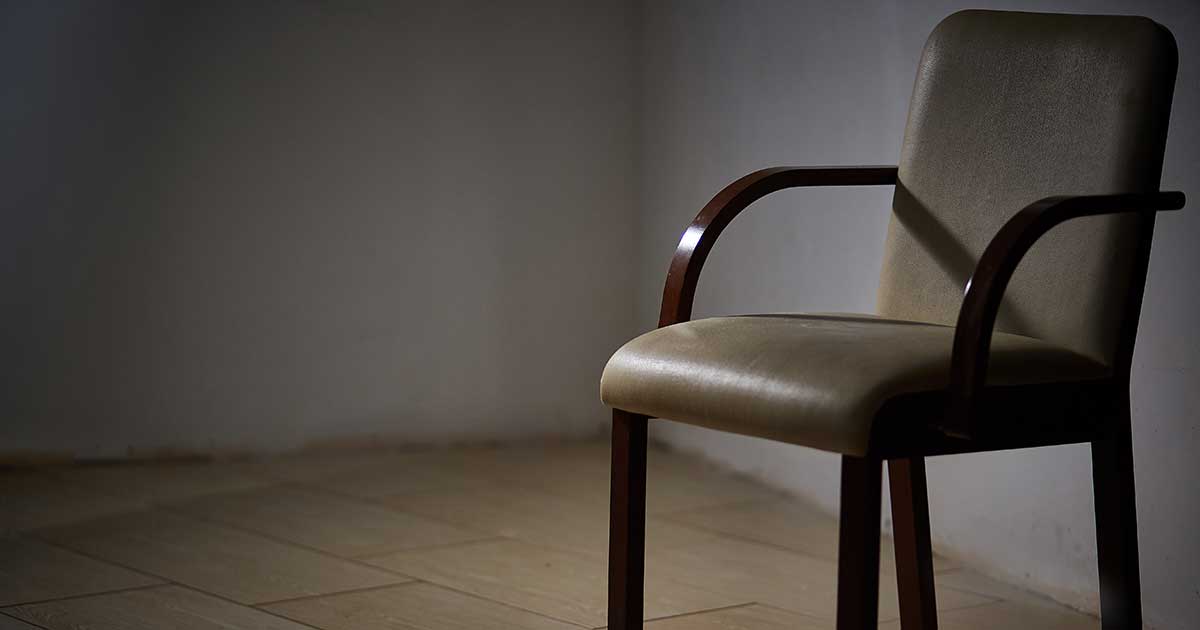
The empty chair technique is a fascinating approach in therapy that taps into the power of imagination and role-play to help individuals connect with their feelings. Imagine having a conversation with someone you’ve been missing, like a friend or a loved one. By placing an empty chair in front of you, it’s as if you can bring that person back into the room and express everything that’s been left unsaid. Isn’t that mind-blowing?
This technique isn’t just about talking to an empty chair; it’s about unlocking unexpressed emotions and finding closure. Feelings of anger, sadness, or regret can be incredibly heavy, and sometimes, we need that outward expression to process them fully. So, what does it feel like to speak your truth to someone who’s not actually there? It can be liberating, cathartic, and quite a game-changer in your healing journey!
During a therapy session, your therapist will guide you to visualize the person you want to talk to, encouraging you to project your feelings and thoughts onto this imagined dialogue. It’s not uncommon to experience tears or laughter as you navigate through different feelings. Have you ever found yourself feeling lighter after you’ve gotten something off your chest, even if it was just to yourself? That’s the magic of this technique!
Often used in Gestalt therapy, the empty chair technique focuses on the present moment, encouraging you to engage with and understand your emotions deeply. This isn’t some airy-fairy magic; it’s a structured method that facilitates emotional processing in a very real way. If you’re looking for a fresh approach to tackle your unresolved issues, consider discussing the empty chair technique with your therapist!
- Encourages emotional expression
- Facilitates closure with unresolved relationships
- Helps clarify feelings and thoughts
- Promotes self-reflection and personal insights

Benefits of Using the Empty Chair Technique for Healing
The Empty Chair Technique offers an array of remarkable benefits that can truly transform your healing journey! This innovative method allows individuals to confront unresolved feelings and gain clarity about their emotions in a safe space. How does it work? Imagine having a heartfelt conversation with someone—or even a part of yourself—sitting across from you in an empty chair. Sounds intriguing, right?
One of the most powerful benefits of using the empty chair technique is its ability to facilitate deep emotional expression. It’s a game changer for those who struggle to articulate their feelings. By speaking to the empty chair, you can freely express thoughts and emotions that may have been bottled up for years. What might you discover when you let your feelings flow without judgment?
Additionally, this technique can enhance self-awareness. Engaging in dialogue with an empty chair can help you examine your beliefs and behavior patterns. As you discuss your feelings, you might realize how certain situations and people have impacted your mental health. Isn’t it exciting to uncover new insights about yourself?
Moreover, the empty chair technique fosters a sense of closure. If you have unresolved issues with someone, whether it’s a loved one or a long-lost friend, this method allows you to express those unsaid words. It can provide a sense of relief and closure that’s often hard to achieve in real-life conversations. Don’t you think it’s amazing how one technique can facilitate such profound healing?
- Facilitates deep emotional expression
- Increases self-awareness
- Provides closure to unresolved issues
- Encourages personal growth
- Improves communication skills
In summary, the empty chair technique not only aids in emotional healing but can also empower you to become more dynamic in your relationships and self-perception. Give it a try, and who knows what you might uncover about yourself? Healing is just a conversation away! ️
How the Empty Chair Technique Facilitates Emotional Expression
The empty chair technique is like a secret weapon for expressing emotions and tackling those tough feelings that often get bottled up inside. This technique encourages you to have a conversation with a person—real or imaginary—by placing an empty chair in front of you. Sounds simple, right? But it can be a game-changer in therapy! Imagine being able to spill your guts without judgment. How liberating would that feel?
Emotional expression might stoke fear or anxiety for some, but the empty chair technique creates a safe space for you to voice your feelings. Conflicted feelings about a loved one, unresolved issues from the past, or deep-seated grievances can all be expressed in this innovative manner. Have you ever wished you could just say everything you’ve been holding in? Well, now you can without anyone interrupting or reacting negatively!
Another cool aspect of the empty chair technique is its focus on dialogue. Sure, you might feel nervous the first time, but the beauty lies in talking to that empty chair as if it’s a real person. You can express anger, sadness, or even forgiveness—whatever you need to let go of! This wonderful technique not only helps with emotional relief but also gives clarity. It’s like holding a mirror up to your own feelings. Who wouldn’t want that level of insight?
- It promotes self-awareness.
- It allows for cathartic release of emotions.
- It helps to clarify feelings towards others.
Plus, the process doesn’t just stop with emotional relief; it often fosters deeper understanding of your relationships. Have you ever thought about how your feelings impact others? The empty chair technique helps you navigate that by allowing you to see things from different perspectives. How cool is that? With just a chair, you’re not only expressing emotions but also enhancing interpersonal relationships. It’s like therapy magic!
Steps to Implement the Empty Chair Technique in Therapy
Implementing the empty chair technique in therapy can feel like a game-changer! Imagine sitting across from an empty chair, ready to dive into powerful conversations that help you confront your feelings. It’s all about creating a safe space to express unresolved issues or emotions. Sounds intriguing, right? Let’s break down the steps to get the ball rolling!
First up, you’ll want to set the stage. Choose a comfortable and private environment where you can freely express your thoughts. Make sure you have that empty chair positioned directly in front of you. This is where the magic happens! Consider what you want to discuss: Is it a relationship, a lost opportunity, or perhaps a part of yourself that needs healing?
Next, take a moment to clear your mind. Deep breaths can really help here! When you’re ready, start addressing the empty chair as if the person or part of yourself you want to communicate with is actually sitting there. Feel free to let your emotions flow. Ask questions, express frustrations, or share happy memories. It might feel a little weird at first, but it’s totally worth it!
As you speak, pay attention to your feelings and reactions. Acknowledge any feelings that arise, whether it’s anger, sadness, or even relief. This process isn’t just about talking; it’s about connecting with your emotions and recognizing their impact on your life. It can be a bit intense, but remember, it’s a safe space to explore your heart’s deepest desires and struggles!
- Set up a comfortable, private space.
- Position the empty chair directly in front of you.
- Take deep breaths and clear your mind.
- Start a conversation with the empty chair.
- Express your feelings openly and honestly.
- Reflect on any emotions that arise during the process.
Finally, once you’ve expressed everything, take a moment to wrap things up. You might find it helpful to visualize leaving behind any negative emotions in that chair as you stand up. Maybe even consider jotting down your thoughts afterward—this can deepen your understanding and create a record of your progress! How exciting is it to have such a powerful tool at your fingertips?

Common Misconceptions About the Empty Chair Technique
When it comes to the empty chair technique, some misconceptions can cloud its true potential. Often, people think this method is just about talking to an empty chair, but it’s so much more than that! It’s a dynamic and engaging way to uncover deep emotions and address unresolved conflicts, making it a truly transformative experience. Isn’t that fascinating?
Another myth is that it can only be used in formal therapy sessions. The truth is, anyone can use this method in various settings—like during self-reflection or even group workshops. Imagine having a conversation with your feelings! It empowers you to express thoughts you may find difficult in traditional communication. How cool is that?
Some skeptics also believe the technique lacks scientific backing. In reality, numerous studies highlight its effectiveness in promoting emotional release and helping individuals gain better self-understanding. This technique is rooted in Gestalt therapy, which emphasizes personal accountability and awareness. Who wouldn’t want to unlock their own potential?
- Only therapists can effectively use the empty chair technique.
- It’s just about talking to an empty chair with no real impact.
- The technique is not supported by scientific research.
Lastly, some folks think the empty chair technique is only for those with serious emotional issues. While it’s undoubtedly helpful for deeper problems, it can also benefit anyone wanting to improve their communication or emotional clarity. So, it’s definitely not just for those facing challenges—everyone can gain from a little introspection!
Real-Life Success Stories: Empty Chair Technique in Action
The empty chair technique isn’t just a concept you read about; it’s a transformative method that has changed lives! Imagine sitting across from an empty chair and using it as a conduit to express thoughts and feelings you’ve kept bottled up inside. It’s pretty powerful, right? Many people have found clarity and healing through this practice, and the stories are as inspiring as they come!
Take Sarah, for example. After years of struggling with unresolved grief, she attended therapy sessions where the empty chair technique was employed. By envisioning her late mother sitting in the chair, Sarah was able to express feelings she hadn’t dared to voice before. She poured out her anger, sadness, and ultimately, her love. By the end of the session, she reported feeling a weight lifted off her shoulders. Isn’t it incredible how speaking to an empty chair can help unlock those intense emotions?
Or consider Jason’s experience. He had a tough breakup that left him feeling lost and confused. In a therapy session utilizing the empty chair technique, he visualized his ex-partner sitting across from him. This gave him a safe space to voice the things he never had the chance to say. As he articulated his feelings—both the good and the painful—he discovered a newfound sense of closure. How cool is it to find healing in such an unconventional way?
- Sarah found relief from years of grief by expressing unresolved feelings.
- Jason gained closure after a tough breakup through honest dialogue with an empty chair.
- Many individuals report feeling lighter and more in control of their emotions after sessions.
These real-life success stories show how the empty chair technique can facilitate emotional breakthroughs and aid in the healing process. It can make all the difference, whether it’s in addressing loss, anger, or unexpressed feelings. It’s not just about therapy; it’s about reclaiming your voice and finding your path to recovery! Have you ever considered how a simple conversation with an empty chair could change your outlook on your emotions?
Final Thoughts: What You Should Know About the Empty Chair Technique
Exploring the empty chair technique opens up a world of emotional healing and self-discovery! This powerful therapy method allows individuals to confront their feelings and express thoughts they might struggle to share in traditional ways. Whether you’re someone who’s been through it all or just starting your therapeutic journey, the empty chair technique has something valuable to offer. Are you ready to give it a shot?
As we delved into the benefits, steps, and even misconceptions surrounding the empty chair technique, it becomes clear how effective it can be for personal growth. Remember, therapy is all about finding what works for you. By utilizing this technique, you’re taking a significant step towards better emotional health. So why not try it out? You might just uncover something incredible within yourself.