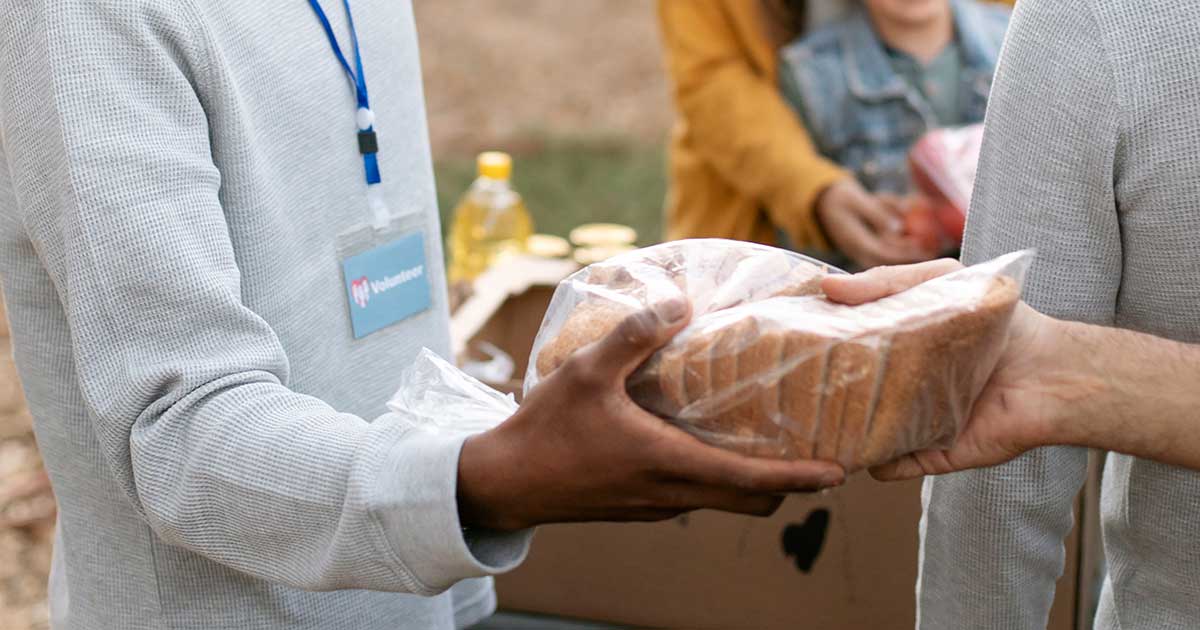
Step 9 of NA is all about embracing the transformative powers of service and forgiveness. Can you imagine how incredible it feels to lighten your emotional load by reaching out to others? That’s exactly what this step offers! It’s not just a task to check off your list; it’s an essential part of the 12-step recovery journey that promotes healing, connection, and personal growth. By focusing on service, we give back to our community while also mending our own hearts through the practice of forgiveness.
In our lives, we often carry burdens from past grievances. Step 9 invites us to let go, making room for positivity and a fresh start. It’s all about creating those meaningful moments where you not only help others but also find a sense of peace within yourself. Want to know why this step can be a game-changer in your recovery process? Stay tuned as we explore how service can fuel your journey of self-discovery and healing! ️
Understanding Step 9 of NA: Service and Forgiveness Explained
Understanding Step 9 of NA is crucial for anyone seeking healing through recovery. This step emphasizes the powerful concepts of service and forgiveness. It encourages individuals to take responsibility for their past actions, making amends to those affected by their addiction. Why is this process so vital? Because it not only aids in personal healing but also fosters a deeper connection with others. Forgiveness isn’t just for those you’ve wronged; it’s a gift you give yourself!
Incorporating service into recovery creates a sense of purpose and belonging. Helping others can remind you that you are not alone in your struggles. Have you ever felt uplifted after helping a friend or volunteering? That’s the essence of service in Step 9 of NA! When you reach out, support others, or contribute to your community, you are also reinforcing your own journey towards sobriety.
- Making amends to those you have hurt.
- Helping fellow members of the NA community.
- Volunteering at local organizations or events.
Let’s not forget the importance of forgiveness in this step. Forgiving yourself can be one of the toughest challenges you’ll face, but it’s essential for moving forward. Holding onto guilt can weigh heavily on your soul, while practicing forgiveness lightens that burden. It’s about letting go and embracing a brighter future. How do you find peace with your past mistakes?
Ultimately, Step 9 of NA intertwines service and forgiveness, creating a holistic healing experience. It’s all about rebuilding trust, not just with others, but more importantly, with yourself. Each act of service and every step towards forgiveness is a giant leap towards lasting recovery. Remember, you are capable of change and growth, and by choosing to forgive, you’re setting yourself free!
The Role of Service in Recovery: Step 9 Insights
Service is like the secret sauce in recovery, especially when you dive into Step 9 of NA! It’s all about making amends and stepping up for others. But why is service so pivotal? When we help others, we often end up helping ourselves. Ever noticed that warm, fuzzy feeling when you lend a hand willingly? That’s the magic of service!
Incorporating service into your recovery isn’t just a checklist item; it’s a transformative experience. By reaching out to others, you not only start to heal relationships but also build a support network that can be invaluable on your journey. What’s more empowering than knowing you’ve made a positive difference in someone else’s life? Think about it! The connections forged through service can ignite tremendous strength during tough times.
- Feel a sense of purpose
- Improve your emotional health
- Create a supportive community
It’s fascinating how service can change your perspective on your own struggles. Instead of feeling trapped in your pain, focusing on others can shift your mindset. You might even find yourself discovering new strengths and passions along the way! Have you tried volunteering? You might be surprised by how enriching it can be!
As you walk the path of recovery, embracing service during Step 9 can foster incredible personal growth. It’s about more than just amends; it’s about building bridges with the world around you. The more you contribute, the more you gain—both in knowledge and in friendships. When you become a beacon of hope for others, you also brighten your own journey. Ready to transform your recovery experience through service?

How Forgiveness Impacts Your Recovery Journey in NA
Forgiveness isn’t just a buzzword; it can be a real game-changer in your recovery journey! When you dive into Step 9 of NA, you discover that letting go of grudges and finding peace can open up so many new possibilities. Imagine freeing yourself from the weight of past resentment—how would that feel?
By embracing forgiveness, you shift your focus away from negative experiences and toward healing. It encourages you to reconvene relationships damaged during your addiction. Think about it: by mending your bond with others, you can build a supportive network. After all, it’s way easier to recover when you’re not carrying emotional baggage, right?
Forgiveness has a ripple effect. When you forgive others, you’re not only benefiting them; you’re uplifting yourself too! This act can boost your mental well-being and reduce stress, which are essential components of a successful recovery. Imagine waking up every day feeling lighter and more optimistic!
Now, let’s be real—some relationships may feel too broken to mend. But even if direct forgiveness seems impossible, consider working on forgiving yourself. This is often the toughest part, but it’s essential for true healing. Ask yourself: What if forgiving myself is the key to overcome my own obstacles in this recovery journey?
- Improved emotional health
- Stronger connections with others
- Better focus on recovery goals
Ultimately, incorporating forgiveness into your recovery isn’t just smart; it’s transformative. As you navigate through Step 9 of NA, you’ll realize that service and forgiveness aren’t just connected; they actually fuel each other. When you serve others, you open the door to forgiveness, and as you forgive, you find the strength to serve even more. It’s a beautiful cycle of healing!
Practical Steps to Implement Forgiveness in NA Process
Implementing forgiveness in the NA process can feel monumental, but it’s totally doable with a few practical steps. It’s all about taking that first leap and recognizing that forgiveness isn’t just for others, but also for yourself! Imagine lifting that heavy backpack filled with grudges off your shoulders—sounds amazing, right?
Start by jotting down the names of people you feel have wronged you. This isn’t about revenge; it’s about releasing those negative feelings that can hold you back in your recovery. After you’ve listed them, take a moment to reflect on how these grudges affect your life. Are you ready to let them go?
- Practice Gratitude: Focus on the good things in your life. Write down moments or people you appreciate. Gratitude makes forgiveness easier!
- Communicate Your Feelings: Sometimes just talking about it helps. Reach out to someone you trust or write in a journal about your feelings.
- Visualize Forgiveness: Imagine approaching those who hurt you and expressing your feelings. Visualization can make the steps toward forgiveness feel more achievable.
Remember, forgiveness isn’t necessarily about forgetting. It’s about letting go of the power those negative experiences have over you. You might find that when you forgive others, you start to forgive yourself too! It’s crucial in the NA process, as self-forgiveness is key to moving forward.
Engage with others on similar journeys—share your experiences, listen to theirs, and offer support. Building a supportive community can significantly enhance your healing process. After all, isn’t sharing the burden a step towards a lighter heart? Forgiveness is one beautiful path toward personal freedom, and you deserve that!
Service to Others: Building Community in Recovery
Service to others is a key part of the recovery process, especially in the context of Step 9 of NA. It’s like a warm hug for your soul! Helping others not only benefits them, but it also plays a pivotal role in your own healing journey. When we engage in acts of service, we build connections, create a community, and remind ourselves that we’re not alone in this experience. So, how can serving others lift us while we recover?
Nothing beats the feeling of giving back! When you lend a hand to someone in need, you’re actually reinforcing your commitment to your recovery. Imagine how rewarding it is to see someone you helped turn their life around! This act of compassion can also spark some positive vibes for your mental health, boosting your self-esteem and sense of purpose. Isn’t that amazing?
- Create genuine connections: By serving others, you can form bonds with those who share similar struggles, leading to a supportive network.
- Find personal growth: Engaging in service pushes you out of your comfort zone, allowing personal achievements in your recovery journey.
- Strengthen your resolve: The more you give back, the more gratitude you’ll feel for your own progress, reinforcing your commitment to sobriety.
Building community in recovery isn’t just about having people around; it’s about mutual support! The sense of belonging and understanding fuels motivation and hope. So why not get involved? Volunteer in local organizations, participate in community events, or even share your story at recovery meetings. Every small act of service counts and significantly impacts both your life and the lives of those around you. Let’s lift each other up! ️
The Benefits of Practicing Service and Forgiveness Together
Practicing service and forgiveness together can be a game changer in your recovery journey! Why? Because they complement each other perfectly, creating a powerful impact on your mental and emotional well-being. When you serve others, not only do you help them, but you also uplift your spirit and experience personal growth. It’s like hitting two birds with one stone!
Imagine this: while you’re out there helping someone, you’re also letting go of resentments that have been holding you back. That’s the beauty of combining service and forgiveness. When you engage in altruistic acts, you foster feelings of connection and empathy, which naturally make it easier to forgive. Have you ever felt lighter after doing something nice for someone?
Cultivating Resilience and Empathy
Service nurtures resilience in recovery, while forgiveness releases the toxic grip of anger and hurt. Together, they can transform how you perceive yourself and your relationships. You start viewing challenges as growth opportunities instead of obstacles! It’s empowering to be part of something bigger than yourself, isn’t it? Just think about the joy of making a positive impact on someone else’s life.
- Strengthened sense of community through shared experiences.
- Enhanced self-esteem by helping others.
- Greater emotional balance by letting go of grudges.
Don’t underestimate the healing power of giving back! Practicing service and forgiveness creates momentum in your recovery journey. The more you engage in these practices, the more you pave the way for greater healing and growth. So, next time you’re faced with an opportunity to serve or forgive, seize it! What have you got to lose?

Common Challenges in Step 9 of NA and How to Overcome
Facing challenges is a natural part of growth, and Step 9 of NA is no exception! Engaging in the process of service and seeking forgiveness can stir up some intense feelings and thoughts. But hey, you’re not alone in this—many others have walked this path before you! So, what are some common challenges you might bump into as you dive into Step 9?
One of the biggest hurdles can be the fear of rejection. When you’re reaching out to make amends, you might worry about how others will react. Will they accept your apology? Or will they turn away? These questions can feel heavy. To overcome this, remember that you can only control your actions, not their responses. It’s all about taking that step forward with courage, knowing you’ve done what you could to right the wrongs.
Another tough challenge is guilt. Many find it hard to feel deserving of forgiveness, both from others and themselves. That little voice might say, “You don’t deserve this!” But let’s flip that script! You’re on this journey for a reason, and part of it is to realize that forgiveness is a gift. Give yourself permission to embrace it. And guess what? Practicing self-compassion can be the key to unlocking that door to forgiveness!
- Challenge: Fear of rejection
- Solution: Focus on your effort, not their response.
- Challenge: Guilt about past actions
- Solution: Embrace self-compassion and give yourself grace.
Lastly, remember that taking ownership of past mistakes can be daunting. However, reflecting on what you’ve learned can empower you rather than bring you down. Each step you take is a stepping stone towards personal growth! Have you thought about how you can turn past mistakes into motivation for the future? You got this!
Common Questions
What is the 9th step of NA?
The 9th step of Narcotics Anonymous (NA) involves making amends to those we have harmed, except when to do so would injure them or others. This step emphasizes the importance of taking responsibility for past actions and recognizing the impact of our addiction on others. It is a crucial part of the recovery process, encouraging individuals to heal relationships and rebuild their lives through accountability and honesty.
What is the 9th concept of NA?
The 9th concept of Narcotics Anonymous is related to the welfare and unity of the group. It emphasizes that each member should be willing to put the collective needs of the group above their personal desires. This concept fosters an environment of collaboration and mutual support, enabling the community to function effectively in helping all members maintain their sobriety.
What is the spiritual principle of step 9?
The spiritual principle associated with step 9 is forgiveness. This principle highlights the importance of not only seeking forgiveness from those we have wronged but also offering forgiveness to ourselves and others. It encourages a healing process that allows individuals to let go of guilt and resentment, promoting inner peace and helping facilitate personal growth in recovery.
What is the step 9 advice?
Step 9 advice emphasizes the importance of approaching amends with sincerity and humility. It is advisable to carefully consider the timing and method of making amends, ensuring that it does not cause further harm. Practicing patience, empathy, and understanding through this process can not only foster healing for those affected but also support the individual’s own journey toward recovery.
Personal Stories: Transformative Power of Step 9 in NA
Have you ever heard someone say that sharing your story can change lives? When it comes to Step 9 of NA, personal stories have a unique knack for transforming those who share and those who listen. These narratives aren’t just tales; they are beacons of hope that illuminate the path toward service and forgiveness.
Consider this: how does it feel to finally ask for forgiveness? For many individuals in recovery, this can be a life-altering moment. By reaching out to those we’ve hurt, we not only begin to heal our relationships but also discover more about ourselves. Think about it—what if the very act of serving someone else could ignite a sense of purpose within you?
One fascinating story comes from a member of NA who, through their journey in Step 9, mended a long-broken relationship with a sibling. It wasn’t easy, and it took time and effort. But through service, this individual rediscovered the strength to apologize sincerely. Their sibling responded with grace, opening up a pathway of communication that had previously felt unreachable. Isn’t that a powerful reminder of how effective Step 9 of NA can be?
Many people might wonder, what is the benefit of sharing such personal experiences? Well, these stories remind us that we’re not alone! By sharing and listening, we foster a community where service and forgiveness thrive, encouraging others to take their own steps in this transformative process. Plus, sharing experiences strengthens bonds among individuals traveling the same rocky path of recovery. What could be more uplifting than that?
- The healing nature of sharing personal stories
- Impact of forgiveness on relationships in recovery
- Strengthening community bonds through service
Final Thoughts: Step 9 of NA
As we’ve explored, Step 9 of NA highlights the huge impact of service and forgiveness on your recovery journey. It’s not just about making amends; it’s also about creating strong connections within your community. The power of helping others and forgiving not only heals bridges but reinforces your own path to wellness. Isn’t it amazing how uplifting it can be to both give and receive forgiveness?
By embracing the lessons of Step 9, you can truly transform your experiences and outlook. Remember, every little act of service counts, and so does each moment of forgiveness. Let’s think about it—how can you implement these principles in your life today? Feel free to share your thoughts! Together, we’re building a supportive community where recovery becomes a shared journey. Keep pushing forward, and don’t forget, service and forgiveness are the keys that unlock the next chapter of your journey!