
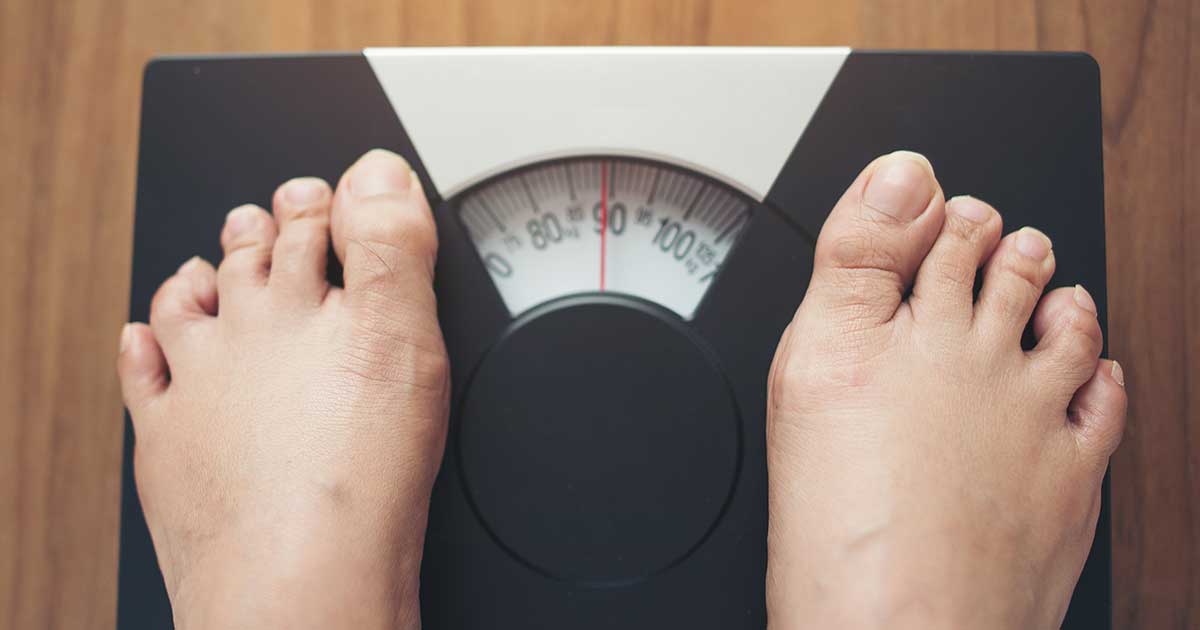
Struggling with Xanax weight gain? You’re not alone! Many people prescribe Xanax to help with anxiety and panic disorders, but one lesser-known side effect can be an increase in weight. Understanding the reasons behind this weight gain isn’t just important—it’s essential for your overall health and well-being. So, let’s break it down together!
In this article, we’ll dive into the causes of Xanax weight gain and uncover some effective solutions to help you manage it. You see, medications often come with unexpected consequences, and knowing how to navigate this journey can empower you. ⭐ Whether it’s due to changes in appetite, metabolism, or lifestyle, learning how to address these factors is key. So, are you ready to explore your options and take control of your health? Let’s get started and unveil the truths behind Xanax and its impact on your weight!
Understanding Xanax and Its Role in Weight Change
Xanax, known generically as alprazolam, is a medication often prescribed for anxiety and panic disorders. While it’s a lifesaver for many, one common concern that pops up is its potential link to weight change. So, what’s the connection? When taking Xanax, some folks may experience weight gain, and understanding why that happens is essential. Could it be related to appetite changes, fluid retention, or even lifestyle shifts based on how you’re feeling?
There’s no one-size-fits-all answer here! Xanax can alter brain chemistry, leading to increased hunger or cravings for comfort foods. Plus, when anxiety levels decrease, people might feel more inclined to indulge in those tasty treats they previously avoided. Imagine munching on snacks while catching up on your favorite shows – who can resist? If you’ve noticed a change in your waistline since starting Xanax, you’re not alone, and it’s important to address it.
- Changes in appetite and cravings
- Fluid retention causing temporary weight gain
- Reduced physical activity due to increased calmness
Understanding these factors helps make sense of the tricky relationship between Xanax and weight gain. If you’re curious about managing these side effects, you’re definitely in the right place! Identifying the right strategies can make a difference and help you feel your best, both mentally and physically.
Exploring the Link Between Xanax and Weight Gain Issues
When it comes to the topic of Xanax weight gain, many individuals find themselves puzzled. What’s the connection, and why is it that some people notice those extra pounds piling on after starting the medication? The relationship between Xanax and weight gain isn’t as straightforward as one might think.
One of the main reasons for this can be attributed to changes in appetite or metabolism caused by Xanax. It’s known that this medication, primarily used to treat anxiety and panic disorders, can affect how our body processes food. Is it possible that the relief you feel from anxiety could lead to an increased desire to snack?
Another factor to consider is the side effects. Some people experience fatigue or lethargy while on Xanax, which can lead to a more inactive lifestyle. As you curve your daily activities, your calorie expenditure decreases, and, before you know it, those jeans aren’t fitting quite like they used to. Understandable, right?
- Changes in appetite and cravings
- Metabolism slowdown
- Decreased physical activity
- Potential hormonal shifts
It’s vital to remember that everyone’s experience with Xanax is different. While some may gain weight, others might not notice any change at all. So, don’t hesitate to monitor your health regularly and discuss any concerns with your healthcare provider. You’re not alone in this journey!

Common Causes of Weight Gain When Taking Xanax
Weight gain can be a common side effect when taking Xanax, but have you ever thought about why that happens? There are several factors at play, and understanding them can really empower you in managing your health! From changes in metabolism to increased appetite, it’s essential to know what you might be dealing with. Let’s break it down!
One major culprit behind Xanax weight gain is the medication’s effect on your brain chemistry. Xanax can sometimes cause sedation, resulting in less physical activity. Who wants to hit the gym after feeling relaxed and sleepy, right? Additionally, some people might turn to food for comfort, especially when dealing with anxiety or stress. Can you relate?
- Increased appetite and cravings, particularly for carbs and sugary snacks.
- Changes in metabolism due to hormone fluctuations.
- Sedation leading to lowered energy levels and less motivation to exercise.
Lastly, don’t forget that everyone’s body reacts differently to medications. What you experience might not be the same for someone else! It’s all about listening to your body and finding what works for you. Have you noticed any surprising changes since starting Xanax? Let’s aim to learn more together!
Strategies to Manage Weight While on Xanax Effectively
Managing your weight while on Xanax doesn’t have to feel like climbing a mountain! There are actually several effective strategies you can adopt to keep those extra pounds at bay. It’s essential to stay proactive and mindful of what you eat and how you move. After all, who doesn’t want to feel great in their own skin?
First things first, incorporate a balanced diet. It’s tempting to reach for comfort foods, especially when you’re feeling anxious, but load up on fruits, veggies, and lean proteins instead! Planning meals can help you avoid those late-night snack attacks—have you ever found yourself eating chips while binge-watching your favorite show?
Next up, let’s chat about exercise! You don’t need to run a marathon; even brisk walks can work wonders. Aim for at least 30 minutes of physical activity most days. Find something you enjoy—dance, yoga, or even a sport! What’s your favorite way to get your heart pumping?
- Stay hydrated: Drink plenty of water throughout the day to keep your appetite in check.
- Practice mindful eating: Pay attention to what you’re eating, eliminating distractions during meals.
- Establish a routine: Consistency can help you manage cravings and make healthier choices.
Finally, don’t forget to track your progress. Whether it’s through a journal or an app, keeping tabs on your food intake and exercise can motivate you to stay on course. Remember, you’re not alone in this journey; many people face similar challenges with Xanax weight gain. You got this!
Alternative Medications to Consider for Weight Management
When it comes to managing weight, especially while taking Xanax, you might feel a bit overwhelmed. But don’t fret! There are alternative medications out there that could help you stay on track. With the right options, you can tackle the issue of Xanax weight gain head-on! So, what are some of these alternatives worth considering?
First up, there are certain non-benzodiazepine medications designed to manage anxiety without the added risk of weight gain. Options like buspirone and SSRIs (such as sertraline or fluoxetine) are often recommended. These meds can help maintain mental wellness while keeping your weight in check. Have you talked to your doctor about these?
- Buspirone – Helps manage anxiety with less impact on weight.
- Selective Serotonin Reuptake Inhibitors (SSRIs) – Often used for depression and anxiety management.
- Natural supplements – Things like omega-3 fatty acids or St. John’s Wort may offer benefits.
However, it’s super important to remember that switching medications should always involve a chat with your healthcare professional. They can provide valuable insights tailored to your needs. After all, what works for one person may not work for another! Don’t hesitate to reach out if you’re feeling stuck in your weight management journey! ️

Consulting Healthcare Professionals About Weight Concerns
If you’re noticing some extra pounds while taking Xanax, it’s essential to have an open chat with a healthcare professional! Consulting someone who really gets it can help you understand what’s going on with your body. They can provide personalized insights and support tailored to your needs. Have you talked to your doctor yet?
Weight gain can be frustrating, but there’s no one-size-fits-all answer. When you discuss this with your healthcare provider, they can help identify any factors at play. Are you experiencing changes in appetite or lifestyle because of the medication? This conversation can uncover potential adjustments or alternative treatments that could help you manage your weight better.
- Explore dosage changes or medication adjustments.
- Discuss potential dietary changes and healthier choices.
- Consider counseling or support groups to tackle emotional eating.
It’s crucial to remember that managing weight while on medication is a combined effort. Your healthcare provider can guide you in creating a balanced approach that considers your mental wellness too. So, why not set up an appointment? Taking that first step could be the key to feeling your best!
Common Questions
Does Xanax increase your appetite?
Xanax, a medication commonly prescribed for anxiety and panic disorders, does not typically increase appetite. In fact, some users may experience a decrease in appetite as a side effect. However, individual reactions to medications can vary, and some people might notice changes in their eating habits, including increased appetite due to anxiety reduction or other factors.
Can anxiety pills cause weight gain?
Yes, certain anxiety medications, particularly some antidepressants and benzodiazepines, can lead to weight gain as a side effect. The mechanisms behind this can include changes in metabolism, increased appetite, and alterations in daily activity levels. However, the extent of weight gain can vary widely based on the specific medication, dosage, and individual response.
What is the number one side effect of Xanax?
The most commonly reported side effect of Xanax is drowsiness or sedation. As a benzodiazepine, Xanax works by depressing the central nervous system, which can lead to feelings of tiredness, dizziness, and a reduced ability to concentrate. While drowsiness is prevalent, it is essential to recognize that not all users will experience this effect, and some may notice other side effects, including memory problems or coordination issues.
Which pill causes more weight gain?
Among the various medications used for anxiety and depression, some antidepressants, such as certain SSRIs and SNRIs, are often associated with more significant weight gain compared to others. Medications like mirtazapine and some atypical antipsychotics tend to have a higher propensity for causing weight gain due to their metabolic effects and impacts on appetite. It is essential to discuss potential side effects with a healthcare provider when considering treatment options.
Personal Experiences: Dealing with Xanax and Weight Gain
Dealing with weight gain while on Xanax can be really frustrating and disheartening. Trust me, you’re not alone in this! Many individuals have shared their experiences and let me tell you, it resonates with so many of us. When you’re trying to manage anxiety and then find out that those little pills can contribute to putting on extra pounds, it can feel like a double whammy. But it’s important to realize that understanding this connection can empower you to take control!
Some have noticed changes in their appetite or cravings when taking Xanax. It’s interesting how our bodies react to medications, right? For some people, appetite may increase, leading to those unwanted snack sessions. Others might experience fatigue, reducing their motivation to exercise, which compounds these weight gain challenges. It’s like a vicious cycle. Have you experienced any changes in your eating habits since starting Xanax?
- Feeling fatigued or low on energy can affect your physical activity.
- Increased cravings for comfort foods may lead to eating more than you realize.
- Changes in metabolism can slow down how your body processes food.
It’s not all doom and gloom, though! Many have found success in developing strategies to manage their weight while on Xanax. Small lifestyle adjustments, like incorporating more physical activities or making slight alterations to your diet, can significantly impact your health. And remember, sharing experiences with others can provide valuable insights and support. What strategies have worked for you?
Final Thoughts: Xanax Weight Gain
Now that we’ve explored the ins and outs of Xanax weight gain, it’s clear how this medication can impact your body. While it plays a crucial role in managing anxiety, the weight gain associated with it can be frustrating and concerning. Remember, you’re not alone in this! Many have navigated similar waters and found ways to keep their weight in check.
It’s super important to identify the causes behind any weight changes while on Xanax, and implementing the right strategies can make a world of difference. Simply put, managing your weight doesn’t have to be a daunting task! Consult with your healthcare provider to discuss alternative medications or personalized plans. And don’t forget to share your experiences! What strategies have worked for you? Engaging with others often leads to fantastic insights and support!










