

Feeling a sense of persistent sadness can be a heavy load to carry, and many have asked themselves, “why am I always so sad?” It’s a common question, and if you’re grappling with these feelings, you’re definitely not alone. Life throws all sorts of curveballs our way, and sometimes emotions can feel like a tangled web that’s hard to untangle. ️ But here’s the real kicker: understanding the roots of our sadness can unlock pathways to healing. Isn’t that something worth exploring?
In this article, we’re diving into the underlying causes of chronic sadness and providing insights that might just shine a light on your situation. From stressors in your environment to deep-seated expectations or changes in physical health, there’s so much to consider. You might even discover some unknown triggers behind those relentless blues. So, grab a comfy seat, take a deep breath, and let’s unravel this together! Understanding your feelings can empower you, and remember, acknowledging your emotions is a crucial step toward recovery.
Exploring the Main Reasons Behind Persistent Sadness
Persistent sadness can feel like a heavy blanket that just won’t lift, right? You’re definitely not alone in feeling this way. Understanding the main reasons behind this emotional weight can light the path to healing. So let’s unpack some common reasons that might be causing you to ask, why am I always so sad?
One key factor to consider is our emotional landscape. Sometimes, unresolved feelings from past experiences can sneak up on us, leading to an ongoing cycle of sadness. Have you ever noticed how certain memories can trigger that gloomy feeling? It’s like a rollercoaster of emotions where you’re stuck in the downs.
Stress is another huge player here, whether it’s from work, relationships, or even daily life challenges. Over time, constant stress can wear you down and make even the brightest days feel drab. When was the last time you felt truly relaxed? If it’s been a while, it might be time to explore those stressors!
Social connections also matter! Feeling isolated or disconnected from others can amplify feelings of sadness. Connecting with friends or communities, even online, can make a huge difference. Can you think of a time a simple chat lifted your spirits?
- Unresolved past experiences
- Chronic stress from daily life
- Feelings of isolation or disconnection
All these emotional and social elements intertwine beautifully (or not so beautifully) to create our unique experiences of sadness. Understanding that there are various layers to this emotion—emotional, social, and even biological—can help shed light on your feelings. Each person’s journey is different, and exploring these reasons is a step towards understanding ‘why am I always so sad?’

Emotional Factors That Contribute to Constant Sadness
When you constantly find yourself feeling sad, it can be really perplexing. What’s happening in your emotional world? Various emotional factors can contribute to that persistent feeling of sadness. Let’s explore some of these elements together!
One big player in the sadness game is unprocessed emotions. Sometimes, we experience feelings that we don’t fully acknowledge or express. Perhaps you’ve experienced grief, disappointment, or even anger but brushed it aside? Holding onto these bottled-up emotions can weigh heavily on our hearts, leading to an endless cycle of sadness.
Another factor to consider is low self-esteem. When you don’t feel good about yourself, it’s like carrying around a backpack full of rocks! Feelings of inadequacy can leave you questioning your worth, making that sadness loom even larger. Have you noticed how your thoughts about yourself impact your mood?
Then there’s perfectionism. Yes, wanting to do your best can inspire you, but striving for unattainable standards often breeds disappointment. When you feel like you’re never good enough, it can drag your mood right down with it. Have those high expectations ever made you feel like you’re walking on a tightrope, always teetering on the edge of sadness?
And let’s not forget about relationship dynamics. The connections we have with others can significantly affect our emotional state. If you’re surrounded by negativity or unsupportive people, it’s easy to feel trapped in a cycle of sadness. ️ Reflect on your relationships – are they uplifting or dragging you down?
- Unprocessed Emotions: Recognize and express your feelings.
- Low Self-Esteem: Challenge negative thoughts about yourself.
- Perfectionism: Embrace imperfections and set realistic goals.
- Relationship Dynamics: Surround yourself with supportive people.
By identifying these emotional factors, you can start untangling the web of sadness! Remember, it’s about progress, not perfection. Take a deep breath, and give yourself permission to feel and heal. Together, we can work through this!
How Mental Health Conditions Cause Feelings of Sadness
Understanding how mental health conditions can cause feelings of sadness is crucial for anyone who has ever asked themselves, why am I always so sad? Mental health issues, like depression and anxiety, often manifest through overwhelming feelings of gloominess that can feel impossible to shake off. It’s like carrying an invisible weight on your shoulders. Have you ever felt this way? You’re not alone!
For many people, mental illnesses are not just about having a bad day or feeling down occasionally. Instead, they can lead to prolonged periods of sadness that seem to come out of nowhere. Conditions like major depressive disorder can turn the smallest tasks into monumental challenges, making joy feel like a distant memory. Isn’t it wild how something in our minds can create such a heavy emotional burden?
Moreover, mental health conditions often come hand-in-hand with negative thought patterns. Someone dealing with anxiety might constantly worry about future events, leading to feelings of sadness over what might happen. Meanwhile, those with depression may struggle to see any light at the end of the tunnel, making it hard to enjoy the little things in life. When you continuously replay negative thoughts, it’s no wonder that sadness lingers longer. ️
- Depression: A serious mood disorder that affects how you feel, think, and handle daily activities.
- Anxiety Disorders: Conditions that involve excessive fear or anxiety can create a constant state of dread.
- Bipolar Disorder: Causes extreme mood swings that can swing from mania to deep sadness.
- PTSD: Traumatic experiences can lead to a chronic feeling of sadness and emptiness.
Recognizing the connection between mental health conditions and persistent sadness can be the first step toward healing. Once you understand the ‘why am I always so sad’ aspect, it’s easier to seek help. Whether it’s talking to a friend, a therapist, or trying out mindfulness techniques, taking that first step can lead to a lighter heart and brighter days ahead!
Social Factors That Influence Ongoing Feelings of Sadness
Social factors play a huge role in how we feel, don’t you think? Our connections with others can dramatically influence our emotional landscape. If you find yourself wondering why am I always so sad, let’s take a closer look at those social influences that could be adding to your sadness. From friendships and family dynamics to the impact of social media, these factors can deeply affect your mental well-being.
Consider your relationships. Are you surrounded by supportive friends and family? Or do you often feel isolated and misunderstood? Feeling disconnected from those around you can lead to increased feelings of sadness. You might find yourself feeling like you’re carrying the weight of the world alone, and that’s no fun at all. Building strong, positive relationships can often help lift that heavy cloud!
Another aspect to think about is the impact of social media. Isn’t it wild how much time we spend scrolling through feeds? While it can help us stay connected, it can also create feelings of inadequacy. Comparing yourself to others online can trigger self-doubt and reinforce feelings of sadness. Just remember, what you see isn’t always the whole story!
- Isolation and lack of friends can deepen feelings of sadness.
- Social media comparison can lead to negative self-perception.
- The quality of your relationships influences your emotional health.
Lastly, consider the broader social environment you’re a part of. Factors like work stress, community support, and societal expectations can weigh heavily on our minds. Feeling overwhelmed by these social pressures can contribute to that nagging sadness. Remember, it’s perfectly okay to seek out supportive social networks to help you combat these influences. You don’t have to do it alone!
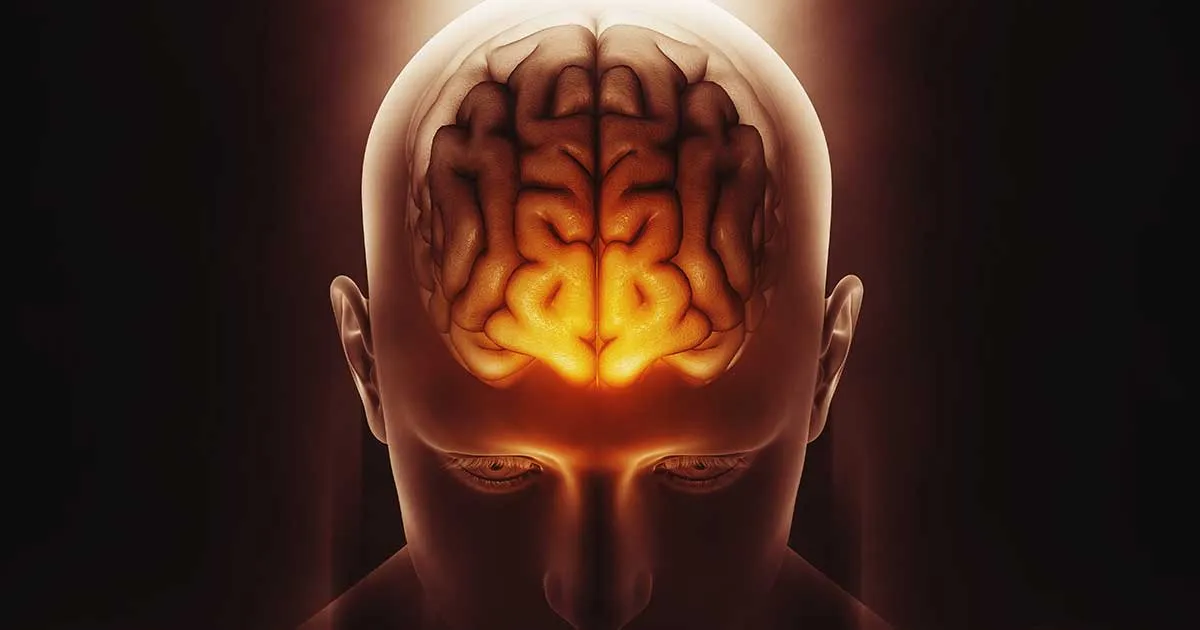
Biological Components Leading to Chronic Sadness Explained
Did you know that your brain and body might hold the key to those feelings of chronic sadness? That’s right! The biological components leading to chronic sadness are fascinating and super important to understand. Our bodies are complex systems, and what goes on inside can have a major impact on how we feel emotionally. Let’s break it down a bit!
One major player here is neurotransmitters—the brain’s chemical messengers. Think of them as tiny deliverers of happiness or sadness. When your brain doesn’t produce enough serotonin or dopamine, both crucial for mood regulation, it can lead to those persistent feelings of gloom. Have you ever felt off after a rough night’s sleep? That’s because inadequate sleep can mess with these neurotransmitters, making you feel lower than usual.
Hormonal changes can also wreak havoc on your mood. Factors like stress, age, or even your menstrual cycle can lead to hormonal fluctuations. Ever noticed how some days you feel on top of the world and others just drag you down? That’s your body talking! Recognizing how these biological shifts affect your mood can help you find ways to cope.
But wait, there’s more! Chronic illnesses and medications can also contribute to feelings of sadness. Conditions like heart disease or diabetes can lead to depression due to the toll they take on your body and mind. Plus, some medications might have side effects that sap your joy. If you’re asking yourself, ‘why am I always so sad,’ it’s worth discussing your health with a professional.
- Neurotransmitter imbalances
- Hormonal fluctuations
- Chronic illness effects
- Medication side effects
Common Questions
Is it normal for me to be sad all the time?
It is not uncommon for individuals to experience persistent sadness, especially during challenging life circumstances or transitions. However, feeling sad all the time may indicate a deeper emotional issue, such as depression or anxiety, which can significantly impact daily functioning and overall quality of life. It is important to acknowledge these feelings and consider seeking support from a mental health professional if sadness becomes overwhelming or persistent.
What is the reason for always feeling sad?
There can be various reasons for consistently feeling sad, ranging from biological factors, such as hormonal imbalances or neurotransmitter dysfunction, to psychological and environmental influences. Life events such as loss, trauma, relationship issues, or prolonged stress can contribute to a persistent feeling of sadness. Identifying the underlying causes often requires introspection and, in some cases, professional guidance to address the emotional and mental health aspects involved.
Why am I persistently sad?
Persistent sadness can arise from a combination of mental health conditions, such as depression or anxiety disorders, and external factors like chronic stress or unresolved grief. It may also stem from cognitive patterns that lead to negative thinking, creating a cycle that exacerbates feelings of sadness. Understanding the reasons behind persistent sadness often involves exploring personal experiences and emotional health, which can be supported through therapy or counseling.
Why am I so prone to sadness?
Being prone to sadness can be influenced by a variety of factors, including genetics, personality traits, and life experiences. Some individuals may have a predisposition to mood disorders due to family history or might be more sensitive to life’s challenges due to their temperament. Additionally, ongoing stressors or unresolved emotional conflicts can make a person more susceptible to feelings of sadness. Recognizing these tendencies can be the first step toward developing effective coping strategies and seeking appropriate care.
Identifying Triggers That Make You Feel Constantly Sad
Recognizing the triggers that make you feel constantly sad is a crucial step in understanding your emotions. Have you ever noticed that certain situations seem to zap your energy and leave you feeling down? Identifying these triggers can be a game-changer in managing your mood and overall mental health!
Many individuals who wonder why am I always so sad will find that specific events or interactions often lead to feelings of sadness. For instance, not feeling supported by friends or experiencing conflict can trigger those low moments. It’s all about paying attention to the patterns in your emotional responses. When something makes you feel low, take a moment to reflect—what was happening right before that wave of sadness hit you?
Another common trigger can be related to specific dates or anniversaries that hold emotional weight. Think about past experiences—do certain memories resurface during particular times of the year? ️ Acknowledging these connections can help you prepare and manage your reactions when those times come around.
Don’t forget about the physical environment around you! Cluttered spaces or certain locations can sometimes amplify feelings of sadness. Have you ever walked into a room and instantly felt a shift in your mood? Making your environment a place of peace and positivity might just help you fend off those sad feelings.
- Feeling overwhelmed by work or family obligations
- Experiencing frequent conflict in relationships
- Anniversaries of significant life events
- Changes in season or weather
- Being in a cluttered or chaotic environment
By keeping a journal or simply practicing mindfulness, you can identify these triggers and learn to manage your reactions better. Who knows, you might uncover hidden patterns that can lead to breakthroughs in how you handle your emotions! Remember, the key to unlocking your happiness can often lie in understanding what brings you down.
Wrapping Up: Why Am I Always So Sad?
Now that we’ve explored the question of why am I always so sad, it’s important to remember that understanding the various causes of persistent sadness can lead to profound growth and healing. It’s okay to acknowledge your feelings and seek help. Many people experience similar emotions at different points in their lives, and you are certainly not alone in this.
Whether it’s emotional factors, mental health conditions, social influences, or biological components, each aspect plays a part in shaping our experiences. By recognizing potential triggers and seeking support, you can begin to untangle the web of sadness and discover paths toward happiness. Have you thought about discussing your feelings with someone you trust? Opening up about our struggles can truly lighten the burden.










