
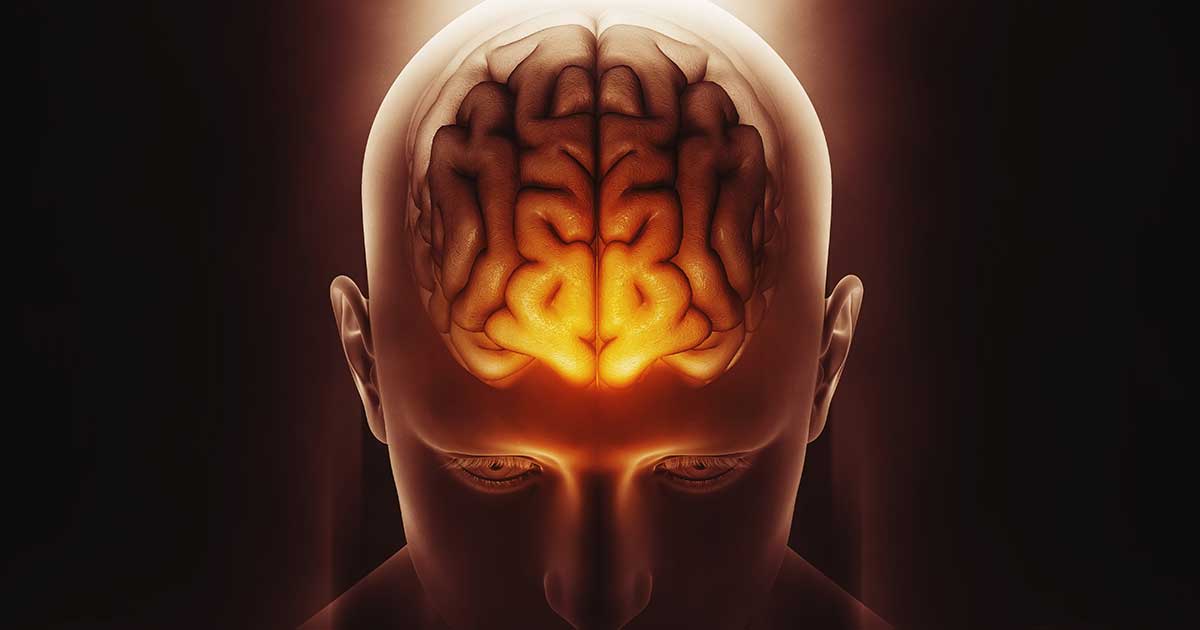
Physiological dependence is a term that might sound complex, but it touches many aspects of our lives, especially regarding mental health. Understanding physiological dependence is crucial because it can profoundly affect how individuals function daily. But what exactly does it mean? Simply put, it’s when your body becomes accustomed to a substance, and without it, you may experience withdrawal symptoms. This dependency can create a challenging cycle that impacts your overall well-being and mental health.
Have you ever considered how certain substances influence your body and mind? Physiological dependence can lead to serious effects, making it vital to be informed about its implications. It’s not just about the symptoms you can see; it’s about the unseen impact on your emotional and mental state. Understanding this phenomenon is not only interesting but necessary for anyone who suspects they or someone they know might be affected. Ready to dive into the world of physiological dependence and its significance? Let’s explore how it can shape our lives and what we can do to manage it effectively!
Defining Physiological Dependence: Key Concepts and Terms
When we talk about physiological dependence, we’re diving into the relationship between the body and substances like drugs or alcohol. In simple terms, it’s when your body gets so used to a substance that it needs it just to function normally. Can you imagine feeling like you can’t start your day without a certain drink? That’s physiological dependence in action!
This kind of dependence often leads to withdrawal symptoms if you try to cut back or stop using. Think of it as your body’s way of saying, “Hey, where’s that thing I rely on?” Understanding the key concepts here is crucial! It’s not just about craving – it’s also about the changes happening in your brain and body.
Key concepts related to physiological dependence include tolerance and withdrawal. Tolerance means that over time, you need more of the substance to get the same effect. Withdrawal, on the other hand, is the uncomfortable physical or mental symptoms that arise when you reduce or stop intake. Ever felt that jittery anxiety when you miss your daily routine? That’s your body craving what it’s used to!
- Tolerance: Needing more of a substance for the same effect
- Withdrawal: Symptoms experienced when stopping use
- Addiction: A more complex condition involving psychological dependence too
In essence, understanding physiological dependence helps you recognize its impact on your mental health. Exploring these terms is essential for anyone looking to navigate their relationship with substances in a healthier way. So, what’s your experience been like with dependencies? Is understanding these concepts helping you connect the dots?
Common Causes of Physiological Dependence and Its Effects
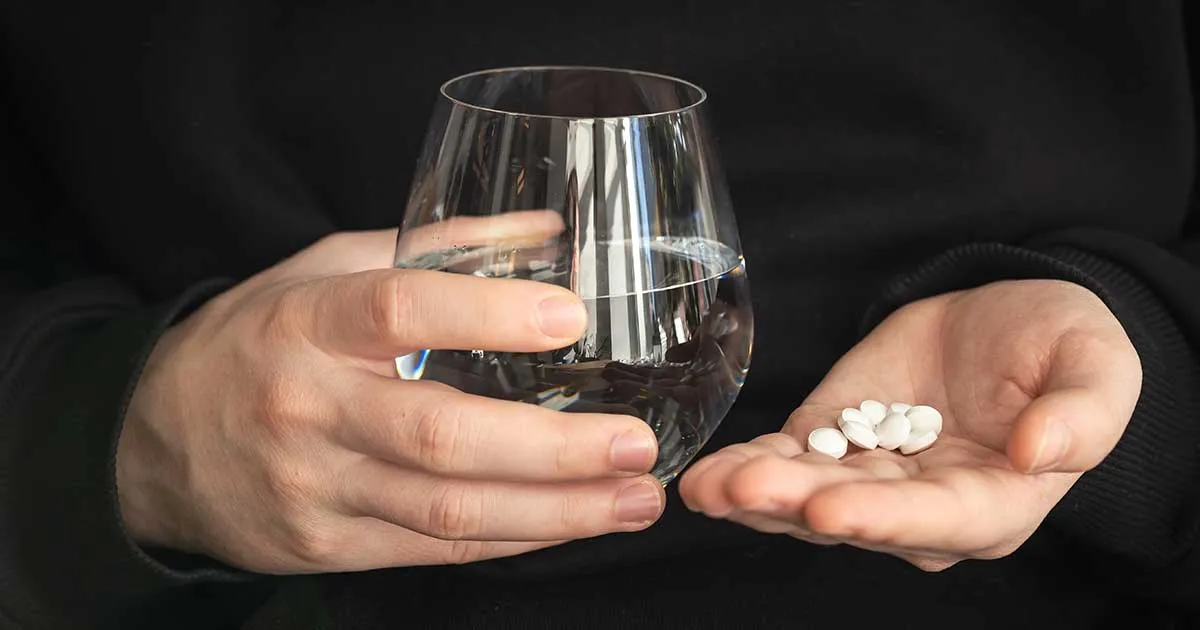
Understanding the common causes of physiological dependence is crucial for recognizing its impact on mental health. There’s a wide array of factors that can lead to this condition, including substance misuse, chronic pain, and prolonged exposure to certain medications. Have you ever noticed someone relying heavily on a medication or substance just to function?
Substance misuse, such as alcohol or drugs, is often a gateway to developing physiological dependence. Over time, the brain and body adapt to these substances, requiring higher doses to achieve the same effects. This can spiral into the need for constant usage, significantly affecting one’s mental and emotional well-being.
Chronic pain conditions also play a significant role in physiological dependence. Individuals may turn to painkillers to manage their discomfort, which can ultimately lead to reliance on these medications, causing a cycle that’s tough to break. Isn’t it wild how our bodies can become so accustomed to certain substances? ️
Other Factors at Play
Environmental and psychological factors can also contribute to physiological dependence. Stressful life events, trauma, and even familial patterns of substance use can foster a dependency mindset. Awareness of these triggers can help individuals navigate the complex landscape of physiological dependence better.
- Substance Misuse (drugs, alcohol)
- Chronic Pain Management (painkillers)
- Prolonged Medication Use (antidepressants, anxiety meds)
- Psychological Stressors (trauma, PTSD)
Signs and Symptoms: How to Identify Physiological Dependence
Identifying physiological dependence can feel like deciphering a secret code. But don’t worry! With a little help, it’s totally achievable. One of the first signs might be an increase in tolerance—where you need more of a substance to achieve the same effect. Feeling like you’re taking double the doses just to feel ‘normal’? That’s definitely a red flag!
Another critical indicator is withdrawal symptoms. Have you ever felt irritable, anxious, or even unwell when you were unable to access a specific substance? These feelings can show how your body has adapted to its presence. No doubt, this can be tough. But recognizing these signs is the first step toward reclaiming control over your life.
- Increased tolerance to a substance
- Withdrawal symptoms when not using
- Using more of the substance over time
- Neglecting responsibilities or relationships
Lastly, if you notice yourself prioritizing substance use over hobbies or social activities you once loved, that’s a significant signal of physiological dependence. Ask yourself, ‘Do I still enjoy my favorite activities, or has my substance of choice taken center stage?’ Understanding these signs can be hugely beneficial.
The Impact of Physiological Dependence on Mental Health
Physiological dependence isn’t just a term thrown around casually; it actually plays a huge role in mental health! When our body becomes reliant on a substance—be it drugs, alcohol, or even prescription medications—it can lead to some serious emotional turmoil. Ever notice how your mood swings can mirror what you’re consuming? That’s your body shouting for help!
One of the key ways physiological dependence impacts mental health is through withdrawal symptoms. When you’re hooked on a substance and suddenly stop, it can trigger anxiety, depression, or even panic attacks. It’s like your brain is stuck in a loop of wanting more to feel ‘normal’ again. Sounds exhausting, right? So, it’s crucial to understand how intertwined our mental and physical well-being really is.
- Increased anxiety levels
- Depressive episodes
- Heightened stress responses
Moreover, those battling with physiological dependence might find that their coping strategies lean more towards unhealthy choices, like substance abuse. This leads to a vicious cycle where mental health declines further. If you or someone you know is in this situation, don’t hesitate to reach out! You are absolutely not alone on this journey.

Treatment Options for Overcoming Physiological Dependence
When it comes to tackling physiological dependence, knowing your treatment options can really change the game! There are various pathways to recovery, and with the right support, individuals can reclaim their lives. From therapies to medications, it’s all about finding what suits you. Can you imagine how freeing it feels to break those chains of dependence?
First up, psychotherapy! This type of talk therapy is super effective in helping individuals understand the roots of their dependence and doesn’t just treat the symptoms. Articulating feelings in a safe space with a professional can lead to massive breakthroughs. Have you ever talked to someone who really understood what you were going through?
Another common treatment is medication-assisted therapy (MAT), which combines medications with counseling to improve success rates. Medications can help to minimize cravings and withdrawal symptoms, making recovery faster and a bit easier. Think of it like having a helping hand as you navigate those tricky waters!
- Support groups for shared experiences
- Mindfulness and meditation practices
- Holistic approaches like yoga and acupuncture
And let’s not forget the value of community support! Engaging with support groups can provide the encouragement and camaraderie needed to tackle physiological dependence. After all, there’s strength in numbers! The path to recovery is not easy, but with these treatment options, there’s hope on the horizon.
Common Questions
What is an example of psychological dependence?
An example of psychological dependence can be seen in individuals who feel unable to function normally without the use of a substance, such as alcohol or recreational drugs. They may develop a strong craving for the substance and believe they need it to manage stress, anxiety, or for social interaction. This psychological addiction manifests in behaviors where individuals will go to great lengths to obtain the substance, often prioritizing it over other aspects of their life, creating a pattern of reliance deeply rooted in their mental state.
Which is the best description of physiological dependence?
Physiological dependence is best described as a state in which the body has adapted to the presence of a substance, leading to tolerance and withdrawal symptoms when the substance is reduced or eliminated. This adaptation occurs because the body becomes accustomed to functioning with the substance, resulting in the need for increased amounts to achieve the same effect. When a person who is physiologically dependent stops using the substance, they may experience physical symptoms such as nausea, shaking, or seizures, which indicate a physical reliance on the substance.
What is the difference between physiological dependence and psychological dependence Quizlet?
The primary difference between physiological dependence and psychological dependence lies in the nature of reliance on the substance. Physiological dependence involves the body’s physical adaptation to a substance, leading to withdrawal symptoms and tolerance. In contrast, psychological dependence is characterized by emotional or mental reliance, where individuals feel they need the substance to cope with life or to feel normal, often driven by cravings or habitual use. Understanding these distinctions helps in formulating appropriate treatment strategies for substance-related disorders.
What is an accurate definition of physiological dependence?
An accurate definition of physiological dependence is a condition in which an individual’s body has undergone physical changes due to regular use of a substance, resulting in the need for that substance to maintain normal functioning. This includes the development of tolerance, where increasing doses are required to achieve the same effect, as well as the presence of withdrawal symptoms when the substance is not available. Recognizing physiological dependence is crucial for understanding the severity of substance use disorders and the necessary interventions for recovery.
Preventive Measures to Avoid Developing Physiological Dependence
Preventing physiological dependence is all about staying proactive! Being aware of your habits and making choices that support your mental health can make a huge difference in avoiding the pitfalls of dependence. Have you ever thought about how your lifestyle choices affect your overall well-being? Let’s explore some exciting preventive measures that you can incorporate into your daily life!
First off, balanced lifestyle choices are essential. This means focusing on a healthy diet, regular physical activity, and sufficient sleep. When your body feels good, your mind often follows suit! One great way to keep yourself in check is by setting realistic health goals. Do you have any health goals that you’re working towards?
- Practice mindfulness and meditation to reduce stress.
- Limit exposure to substances that may lead to dependence.
- Seek social support and reach out to friends or family when feeling overwhelmed.
Additionally, don’t underestimate the power of open conversations about mental health. Talking about your feelings or struggles can really help keep your emotional state in check. Plus, surrounding yourself with positive influences and engaging in activities that stimulate your mind can ward off feelings of loneliness or despair, which may lead to dependence.
Ultimately, by being mindful of how you engage with substances and activities, you’re taking a huge step toward preventing physiological dependence. So why wait? Start exploring these preventive measures in your daily routine today. Your future self will thank you!
Final Thoughts: What Is Physiological Dependence?
Understanding physiological dependence is crucial since it plays a significant role in our mental well-being. Whether it’s through recognizing the signs or exploring treatment options, knowledge is power! The more we know, the better we can help ourselves and those around us navigate through this challenging aspect of mental health. What’s your takeaway from all this?
It’s important to remember that overcoming physiological dependence is not a lonely journey. If you or someone you know is struggling, reaching out for support can be a game-changer. Whether that’s therapy, local support groups, or even talking it out with trusted friends, every small step counts! Your mental health matters, and understanding dependence is the first step toward better support and recovery.










