
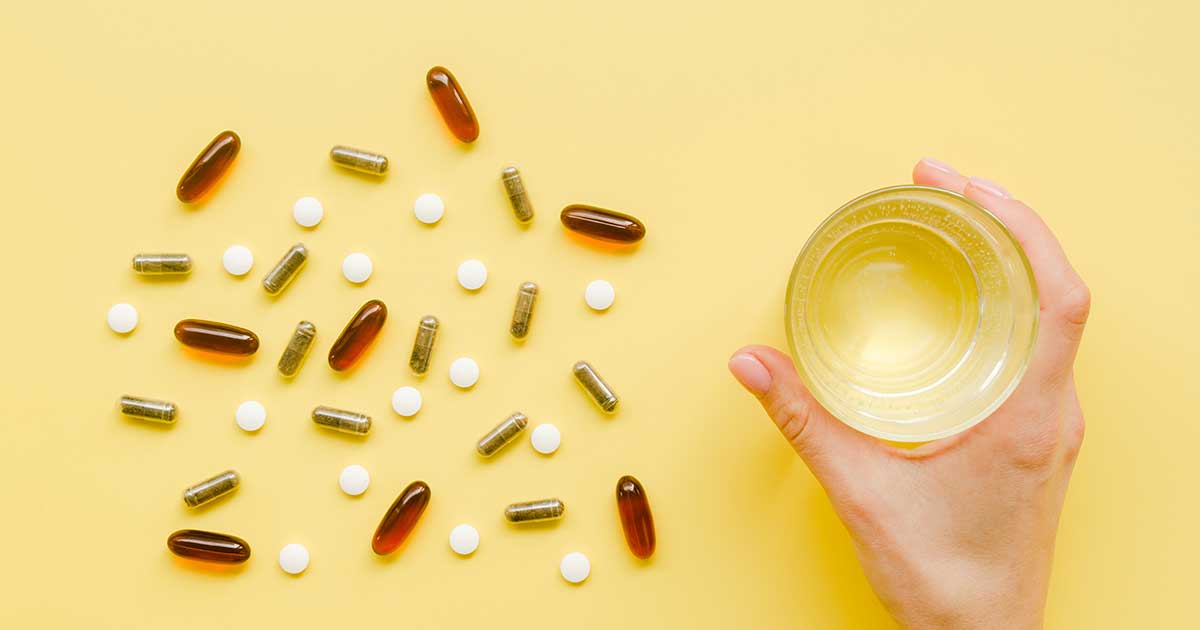
Let’s talk about something that truly can make a difference in your daily life: vitamins for anxiety. Have you ever felt that little cloud hovering over your head, making it tough to focus or enjoy the moment? You’re definitely not alone! It’s amazing how the right vitamins can bring a spark back to your mental well-being and help lift that fog.
In this article, we’re going to explore the incredible role that specific vitamins play in tackling anxiety and boosting your overall mental health. Why are these nutrients so important, you ask? Well, they can support your brain’s natural functions, enhance your mood, and even help you cope with stress better. So, are you ready to dive into the vitamins that can transform your mental landscape? Let’s get started and uncover the essential ones you should have in your wellness toolkit!
Understanding Anxiety: Symptoms and Causes Explained
Ever felt that tightness in your chest or a nagging restlessness that just won’t let up? That’s anxiety creeping in! Understanding anxiety is super important because it helps us recognize its pesky symptoms and get to the root of the problem. From racing thoughts to muscle tension, anxiety can manifest in a variety of ways. And guess what? Knowing these symptoms can empower you to take action and seek the help you need!
So, what actually causes anxiety? It’s not just a “mind over matter” thing. Factors like stress, lifestyle choices, and even nutrient deficiencies can play a massive role. Research has shown that low levels of certain vitamins can contribute to anxiety. That’s where vitamins for anxiety come into play! Are you getting enough of the essential nutrients your body craves for optimal mental health?
- Genetics: Some folks may have a genetic predisposition to anxiety disorders.
- Environmental Factors: Stress from life events, work, or relationships can spike anxiety levels.
- Nutrient Deficiency: Lack of crucial vitamins and minerals can leave us feeling anxious.
Isn’t it fascinating how intertwined our mental health is with our physical health? The good news is that by addressing these causes — like ensuring you’re hitting those vitamin targets — you could potentially reduce your anxiety symptoms! Picture this: less worry and stress just by making sure your body is well-fueled with the right vitamins!
In the next sections, we’ll dive deeper into the connection between vitamins and mental health, highlighting the top vitamins that could help reduce anxiety symptoms. Ready to explore how simple dietary changes could help you feel more energized and less anxious? Let’s do this!

The Link Between Vitamins and Mental Health Explored
The connection between vitamins and mental health is more than just a passing fad—it’s a reality that many are beginning to understand. Did you know that certain vitamins can have a profound impact on your mood and overall mental well-being? Vitamins for anxiety are not just buzzwords; they can literally change the way we navigate our day-to-day lives. From reducing feelings of stress to promoting a balanced mental state, it’s vital to know what these nutrients can do!
Let’s chat about some heavy hitters—like the power of Vitamin B, which is known to help regulate mood and may even keep anxiety at bay. Studies have suggested that Vitamin D can also play a role in mental health. Ever heard of “sunshine vitamin”? It’s not just because it brightens your day; it’s also crucial for serotonin production, often dubbed the “feel-good” hormone. Exciting stuff, right?
- Vitamin B6: Supports neurotransmitter function.
- Vitamin D: Linked to lower anxiety levels.
- Vitamin E: Acts as an antioxidant for brain health.
But wait, it doesn’t stop there! The way vitamins interact with brain chemistry is super fascinating. For example, deficiencies in certain vitamins can lead to an uptick in anxiety symptoms. Can you believe that something as simple as a vitamin deficiency could trigger such feelings? Staying on top of your vitamin intake could be a game-changer for mental health. Think of it as a self-care strategy that’s both easy and effective!
So, what’s the takeaway here? If you’re feeling overwhelmed or anxious, it might be worth looking into whether you’re getting enough of these important vitamins. Incorporating the right vitamins into your diet could help you not just survive, but thrive!️ Let’s empower ourselves by nourishing our minds as much as our bodies!
Top Vitamins That May Help Reduce Anxiety Symptoms
When it comes to tackling anxiety, did you know that vitamins can play a crucial role in your mental health? That’s right! Various vitamins not only contribute to our overall well-being but can also help to alleviate those pesky anxiety symptoms. It’s pretty fascinating how our bodies respond to the right nutrients, and adding specific vitamins to your diet might just be the game-changer you’re looking for!
One of the standout players in the world of vitamins for anxiety is Vitamin B-complex. This powerhouse group includes B1, B2, B3, B5, B6, B7, B9, and B12. They work wonders by promoting healthy brain function, boosting energy levels, and regulating mood. Feeling a little anxious? You might want to ensure you’re getting enough of these every day!
Another must-have is Vitamin D. Oh yes, sunshine in a bottle! This vitamin is crucial for neurotransmitter functions and can significantly uplift your mood. Research shows that individuals with low Vitamin D levels may experience higher levels of anxiety. So, if you’re feeling a little down, a splash of Vitamin D could be just what you need. Are you getting enough sun? ️
Don’t overlook the magic of Omega-3 fatty acids, which are not technically vitamins but are essential for brain health. Found in fish oil and flaxseed, omega-3s can help lower anxiety and enhance overall mental well-being! Who knew your diet could be this tasty and beneficial?
- Vitamin B-complex: Boosts energy and mood.
- Vitamin D: Uplifts your mood and brain function.
- Omega-3 fatty acids: Lowers anxiety and supports brain health.
Exploring Vitamins for Anxiety is definitely worth it, especially if you’re looking for natural ways to support your mental wellness. Remember, incorporating a balanced diet rich in these vitamins can make a world of difference. Why not try adding some of these vitamin-rich foods to your meals today? Your mental health will thank you!
How Vitamins Can Support Overall Mental Well-being
Vitamins aren’t just for physical health—they play a pivotal role in supporting our mental balance too. When you think about vitamins for anxiety, it’s all about the connection between what you eat and how you feel. These essential nutrients can help lift your mood and reduce stress, offering a natural boost to your overall well-being. Curious to know how these tiny powerhouses work their magic? Let’s dive in!
Take Vitamin D, for example—often known as the “sunshine vitamin.” Research links it to mood elevation, with deficiencies sometimes contributing to feelings of sadness and anxiety. A bit of sun exposure or a vitamin D supplement might just be the pick-me-up you need. Then there are the B vitamins (B1, B2, B3, B6, and B12), which are critical in producing neurotransmitters that help keep your brain’s communication smooth and effective. A well-balanced supply can mean a happier, more resilient you. And let’s not overlook Vitamin C! This antioxidant superstar is known to lower stress hormones and bolster overall brain health, making it a win-win for your mental state.
- Vitamin D for mood elevation ️
- B vitamins for neurotransmitter support
- Vitamin C for stress reduction
Adding these vitamins to your daily routine might be just the game-changer you need for better mental health. So, why not take a closer look at your diet today and give your brain the nourishment it deserves?
Recommended Daily Intake of Essential Vitamins
Getting the right vitamins is a game changer when it comes to managing anxiety! But do you know what the recommended daily intake of essential vitamins is? Understanding these recommendations can help you take better control of your mental well-being. It’s not just about popping some pills; it’s about nourishing your body with what it truly needs!
For starters, let’s take a look at Vitamin B complex, which is crucial for brain health. The recommended daily intake for Vitamin B1 (Thiamine) is about 1.2 mg for men and 1.1 mg for women. This vitamin helps convert nutrients into energy, keeping your mind sharp and focused. And we can’t forget about B6, with a daily intake of around 1.3 to 2.0 mg, depending on age and gender. It plays a vital role in synthesizing neurotransmitters that regulate mood. How cool is that?
Following B vitamins, we have Vitamin D, which deserves all your attention! The recommended daily intake is about 600 to 800 IU (International Units). It helps combat anxiety by promoting serotonin production—aka the happy hormone! And don’t overlook Omega-3 fatty acids! They’re not technically a vitamin, but they are essential for brain functionality and can help reduce anxiety symptoms.
- Vitamin B1: 1.2 mg for men, 1.1 mg for women.
- Vitamin B6: 1.3 to 2.0 mg depending on age and gender.
- Vitamin D: 600 to 800 IU.
- Omega-3 fatty acids: 250 to 500 mg daily is often recommended.
Ultimately, incorporating these vitamins into your daily routine can work wonders. Think of it as a natural way to boost your mood and ease anxiety! Remember, it’s always a good idea to consult a healthcare professional for personalized advice on the right amounts of vitamins for your unique needs.

Natural Sources of Vitamins for Anxiety Management
Let’s talk about where you can find those powerful natural sources of vitamins that can help manage anxiety! With the right nutrients at your fingertips, you can take your mental well-being to the next level. Foods rich in vitamins can play a significant role in calming your mind and boosting your mood.
First up, we have the superstar Vitamin B family. B vitamins are widely known for their ability to enhance mood and reduce feelings of anxiety. Foods like bananas, leafy greens, and legumes are packed with these essential vitamins. Did you know that a simple smoothie with spinach and bananas could be your new best friend for anxiety management?
Need a little sunshine in your life? Vitamin D is crucial for mental health as it aids in serotonin production, which can help regulate your mood. You can soak up some sun or add more fatty fish, like salmon, and fortified foods to your diet. How about planning a picnic on a sunny day while snacking on some delicious salmon rolls? That sounds like a win-win!
Vitamin C isn’t just for fighting colds; it also plays a vital role in reducing anxiety. Citrus fruits, red peppers, and even strawberries can give your mind the boost it needs. It’s easy to toss together a fruity salad or a zesty vitamin C-rich smoothie! Who knew healthy could taste so good?
- Bananas and leafy greens for Vitamin B
- Fatty fish like salmon for Vitamin D
- Citrus fruits and red peppers for Vitamin C
Lastly, don’t sleep on Vitamin E, found in nuts and seeds! This vitamin helps protect your brain from oxidative stress and keeps you feeling balanced. Grab a handful of almonds or sprinkle some chia seeds on your yogurt for a tasty, anxiety-fighting snack!
Incorporating these natural sources of vitamins into your daily routine can dramatically affect how you manage anxiety. The best part? You get to enjoy delicious foods while nurturing your mind! Have you tried any of these tasty options yet?
Common Questions
Which vitamin is good for anxiety?
Vitamin D is known to play a significant role in mental health and may help alleviate symptoms of anxiety. A deficiency in vitamin D has been linked to increased feelings of anxiety and depression. Ensuring adequate levels of this vitamin through sunlight exposure or supplementation can contribute to overall emotional well-being.
What is the 3 3 3 rule for anxiety?
The 3 3 3 rule for anxiety is a grounding technique designed to help bring a person back to the present moment. It involves identifying three things you can see, three things you can touch, and three things you can hear. This method encourages mindfulness and helps redirect focus away from anxious thoughts, thus promoting a sense of calm.
Is B6 or B12 better for anxiety?
Both vitamin B6 and B12 are essential for the production of neurotransmitters that regulate mood, and deficiencies in either can contribute to anxiety. Vitamin B6 is crucial for the synthesis of serotonin, while B12 is important for maintaining healthy nerve function. Therefore, neither is categorically better; rather, a balanced intake of both vitamins supports overall mental health.
How did I finally beat my anxiety?
Overcoming anxiety often involves a combination of strategies tailored to the individual’s needs. These may include cognitive-behavioral therapy (CBT), mindfulness practices, exercise, and lifestyle changes such as improved nutrition and sleep habits. Finding effective coping mechanisms and support from friends, family, or professionals can also play a key role in successfully managing and eventually beating anxiety.
Consulting Professionals: Vitamins and Mental Health Advice
If you’re looking to tap into the power of vitamins for anxiety, don’t forget that consulting a professional can seriously up your game! In today’s fast-paced world, it’s super important to prioritize our mental health. A healthcare expert can provide invaluable insights tailored just for you. After all, not everyone’s body reacts the same way to supplements, right?
When chatting with a professional about vitamins and mental health, ask about the vitamins that are linked to anxiety reduction. For example, B vitamins, vitamin D, and magnesium have shown promising benefits. This is where a little expertise can shine! Have you ever wondered which specific vitamins could support your mood the best?
- Maintain a balanced diet: A nutritionist can help create the best meal plans rich in necessary vitamins.
- Assess your needs: A psychologist or psychiatrist might suggest specific supplements based on your mental health requirements.
- Monitor progress: A healthcare professional can help track improvements while adjusting your vitamin intake.
Also, it’s wise not to self-diagnose or self-treat. Every person has unique health needs, and your approach should be just as unique. Talk to your doctor before diving into any supplement regimen. It’s all about finding the right combination that blends well with your individual mental health journey!
Don’t forget about the importance of lifestyle changes! Professionals often recommend pairing vitamin intake with healthy habits such as regular exercise, a balanced diet, and mindfulness practices. Combining these elements can amplify the effects of the vitamins you take. If you could ask one question to your health professional about vitamins, what would it be?
March 2025 Update: Revitalizing Mental Health with the Power of Vitamins
Recent breakthroughs in nutritional neuroscience have shed new light on how essential vitamins contribute to mental well-being and anxiety reduction. Emerging research shows that maintaining optimal levels of vitamins such as D, B, and C can enhance neurotransmitter function, promote resilience against stress, and support overall brain health. This updated perspective emphasizes not only the individual benefits of each vitamin but also the synergistic effects that a balanced diet can have on mental stability.
Updated Insights on Vitamin D
Recent clinical trials have reinforced the significance of Vitamin D in mood regulation and cognitive performance. Studies now suggest that consistent, moderate sun exposure or appropriate supplementation during darker months can markedly improve mood stability. These findings highlight Vitamin D’s role in maintaining a healthy balance of brain chemicals essential for emotional well-being.
The Evolving Role of B Vitamins
Advancements in nutritional science reveal that B vitamins do more than just support neurotransmitter production—they also help reduce systemic inflammation, a factor increasingly linked to anxiety and depression. This comprehensive approach to vitamin intake creates a robust defense against the negative effects of chronic stress, offering a promising avenue for enhanced mental health.
Synergistic Benefits of Vitamin C
Vitamin C remains a key player due to its powerful antioxidant properties and its capacity to lower stress hormones. New studies indicate that when paired with other antioxidants, Vitamin C can further bolster mental clarity and emotional balance. This combination may lead to innovative dietary strategies that specifically target anxiety management.
Overall, these modern insights underscore the importance of integrating a balanced diet with targeted vitamin supplementation as part of a holistic approach to mental health. By proactively nourishing the brain, individuals can foster greater emotional resilience and improve their overall quality of life.
Final Thoughts: The Role of Vitamins for Anxiety
Understanding the vital roles that vitamins for anxiety can play in our mental well-being opens up a whole new perspective on how we can manage anxiety disorders. It’s amazing to think that simple dietary adjustments and the right supplements can offer such a powerful boost to our emotional state. Have you ever thought about how your daily intake might affect your mood?
Incorporating the right vitamins into your routine can lead to not just improved mental health, but an overall sense of happiness and stability. The link between nutrition and mental wellness is undeniable, and it’s empowering to know that small changes can lead to big transformations! So why not start exploring which vitamins suit your needs best? Remember, while it’s fantastic to add these nutrients, consulting with a professional can guide you on the right path. Your mental health journey deserves the best support possible!










