
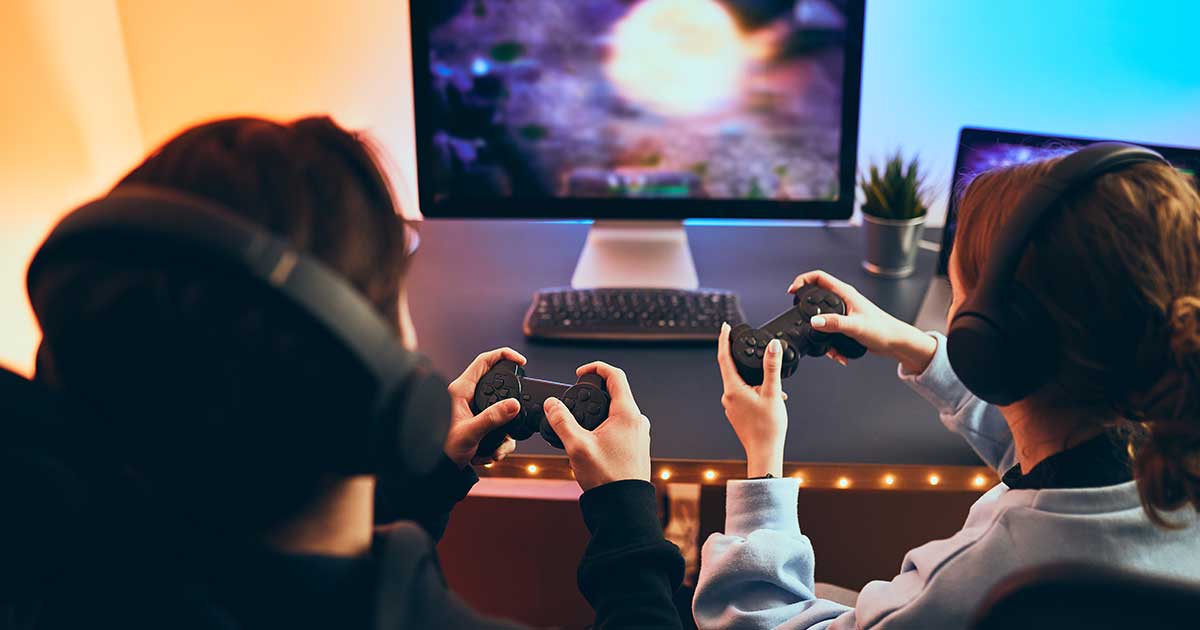
The world of video games and mental health is more intertwined than you might think! This comprehensive guide dives deep into how your favorite gaming adventures can influence your well-being. Whether you’re a casual player or a hardcore gamer, understanding this connection can provide you with valuable insights on boosting your mental health while enjoying everything from epic quests to brain-teasing puzzles. Did you know that gaming can actually improve your mood and cognitive skills?
In recent years, studies have been shedding light on how engaging with video games not only offers a fun escape but also promotes relaxation, social connections, and even resilience. Imagine leveling up your skills while leveling up your mental well-being! We’ll explore various aspects of gaming, from the stress-relieving benefits to the potential risks when gaming becomes excessive. So, grab your controller and prepare to uncover the multifaceted relationship between video games and your mental health!
Understanding the Connection Between Video Games and Mental Health
The connection between video games and mental health is a hot topic these days! Many people enjoy gaming as a way to unwind, socialize, and even challenge themselves. It’s fascinating to think about how such a popular pastime could play a role in our mental well-being. While some might argue that video games are a waste of time, studies are showing diverse effects, both positive and negative, on our health. Are you curious about how gaming impacts mental health?
Research has revealed that video games can enhance cognitive functions, boost mood, and even help develop problem-solving skills. For instance, action games often improve attention and spatial awareness. This is particularly interesting for individuals dealing with conditions like ADHD, where focus can be a real challenge. Isn’t it amazing to think that something as fun as gaming can have such beneficial outcomes?
- Improved social interactions through multiplayer games
- Heightened creativity and imagination
- Reduced stress and anxiety with engaging gameplay
But wait! While there are many positives to consider, it’s important to also look at the flipside. Excessive gaming can lead to isolation, sleep disturbances, and even addiction. So, it’s essential to strike a balance. Have you ever noticed how much time flies when you’re gaming? ⏳ Finding a middle ground can help you enjoy the benefits without falling into potential pitfalls.
In conclusion, understanding this connection can empower gamers to use video games as a healthy outlet for stress relief and socialization, while being mindful of moderation. By acknowledging both the pros and cons, we can navigate our gaming habits more effectively. So, let’s keep the conversation going about video games and mental health! How do you think gaming affects your mindset?
How Video Games Can Positively Impact Mental Well-being
When it comes to video games and mental health, there’s more to the story than just the joy of escaping into another world. Believe it or not, gaming can actually offer some fantastic mental health benefits! Whether it’s honing your reflexes, sparking creativity, or simply providing a good laugh, video games are more than just entertainment—they’re a tool for enhancing our well-being!
One major way video games positively impact mental health is through improved social connections. Multiplayer games allow you to team up with friends or meet new people from around the globe. Ever felt a rush of happiness after an intense gaming session with pals? This shared experience can produce feelings of belonging and reduce feelings of loneliness. Plus, who wouldn’t want to create lifelong friendships while slaying dragons or building empires?
But that’s not all! Engaging in these immersive virtual adventures can also enhance problem-solving skills and boost cognitive functions. Trickier levels or escape room-style challenges require a strategic mindset and quick thinking. How often do you find yourself thinking outside the box just to complete a level? The growth in these skills can actually translate into real-life scenarios, helping to handle stress and tough situations better!
Moreover, the act of playing video games can serve as a form of therapy in itself. Games designed for relaxation or mindfulness offer a serene space to unwind when life gets a bit hectic. Are you feeling overwhelmed? A cozy indie game might just help you reset your mood and find your zen. Remember, taking breaks for self-care is crucial—even if that means embarking on an imaginary quest!
Lastly, let’s not forget the power of accomplishment! Completing a challenging game level gives you that epic feeling of achievement, significantly boosting self-esteem. It’s like a mini-victory every time! So next time you’re diving into your favorite game, remember: you’re not just gaming; you’re nurturing your mental well-being.
Exploring the Potential Risks of Video Games on Mental Health
While video games can be a fun escape, it’s important to be aware of their potential risks on our mental health. Too much gaming can lead to negative outcomes, like problems with social interactions, anxiety, and even depression. Have you ever felt a weird mix of excitement and guilt after playing for hours? You’re not alone!
For some individuals, gaming can become a form of avoidance. Instead of tackling real-life challenges, they might bury themselves in games. While it’s all fun and games at first, this can sometimes spiral into unhealthy habits. Are you gaming away your stress or escaping from responsibilities? It’s a tricky line to walk!
Another risk is the effect of violent video games on mood and behavior. Studies suggest that extended exposure to violent content may desensitize players, possibly leading to increased irritability or emotional distancing. So, it’s worth considering what types of games you dive into. ️ What role do you think the content of games plays in affecting our minds?
Furthermore, excessive gaming can disrupt daily routines and sleep patterns. Have you ever lost track of time while gaming late into the night? This disruption can lead to fatigue, irritability, and a general decline in mental well-being. Remember, health is a balance, and it’s crucial to prioritize downtime and proper sleep!
- Social isolation from neglecting friends and family
- Decreased physical activity leading to lethargy
- Increased risk of anxiety and depression
- Escapism that prevents tackling real-life issues
In conclusion, acknowledging the potential risks of video games is vital to maintaining our mental health. By keeping an eye on our gaming habits, we can enjoy the benefits while steering clear of the pitfalls. So, why not set some healthy gaming limits today? After all, balance is key to a happy mind!
Video Games as Therapeutic Tools in Mental Health Treatment
The role of video games as therapeutic tools in mental health treatment is increasingly gaining attention! Many therapists and mental health practitioners are discovering the power of gaming to aid in recovery and support well-being. Imagine using a genre you love as a means to improve emotional health! What if a game could help you cope with anxiety or foster better social skills?
Research shows that video games can create immersive experiences that allow individuals to practice coping mechanisms. For instance, certain games encourage problem-solving and critical thinking, essential skills for tackling life’s challenges. In therapeutic contexts, incorporating video games may foster a sense of achievement and engagement, making it easier to address difficult emotions. How cool is that?
Furthermore, games designed with therapeutic frameworks offer guided experiences! Many games include features such as relaxation techniques, mindfulness exercises, and even mood tracking. These innovations provide gamers with strategies to manage their mental health proactively. In fact, who wouldn’t want to unwind by playing a game while also working on their mental wellness?
- Facilitates social interactions and building friendships.
- Enhances mood and alleviates symptoms of depression.
- Teaches coping strategies through gameplay.
It’s fascinating to see how these digital platforms are creating communities and connections. Players can join forums, seek support from others experiencing similar challenges, and even share their own journeys. With the right guidance from mental health professionals, video games can indeed become a safe space for healing. So, are you ready to explore this exciting intersection of gaming and mental health?
Practical Tips for Healthy Gaming Habits to Protect Mental Health
Maintaining a healthy relationship with video games is all about balance! Finding ways to enjoy your favorite gaming sessions while also keeping your mental health in check is key. So, how do we do that? Here are some practical tips that can help you game wisely and keep your mind happy!
Set Time Limits
It’s easy to lose track of time when you’re completely engulfed in a game. To protect your mental health, set specific time limits for your gaming sessions. Maybe you could use a timer to remind you to take breaks! Striking a balance between play and other life activities can help you feel more fulfilled overall.
Take Frequent Breaks
Don’t forget to stretch those legs and give your eyes a rest! Taking frequent breaks—every hour or so—helps prevent burnout and keeps your mind sharp. Why not use this time to grab a healthy snack or walk around a bit? Your body and brain will definitely thank you! ️
Stay Social
Gaming doesn’t have to be a solo activity! Engage with friends or family while playing. Sharing experiences can help foster your social connections, which is awesome for mental health. Plus, who doesn’t love a little friendly competition? It can be a great way to lift your spirits!
Monitor Your Emotional Responses
Be mindful of how gaming makes you feel. If you notice frustration or anxiety building up, it might be time to step back. Awareness of your emotional state can help you adjust your gaming habits to ensure a positive experience. So, what games leave you feeling energized rather than drained? It’s worth thinking about!
Choose Games Wisely
Not all games are created equal! Look for games that promote creativity, problem-solving, or teamwork. They can boost your mood while keeping your mind engaged positively. So next time you’re browsing for a game, ask yourself: Does this feel good for my mental health?

Research Findings on Video Games and Mental Health Outcomes
It’s no surprise that video games have become a huge part of our culture, but what does research say about video games and mental health? Studies are surfacing that highlight both the positive and negative impacts that gaming can have on our minds. For example, some researchers suggest that gaming can enhance cognitive skills, problem-solving abilities, and even help in social bonding. Isn’t that amazing?
On the flip side, there are findings that suggest excessive gaming can lead to issues like anxiety, depression, and social isolation. Finding that balance is crucial! Understanding these outcomes can help players make informed choices about their gaming habits. Therefore, while video games can serve as a great escape, it’s essential to monitor how much time you’re spending on them. Have you ever felt that your gaming time impacted your mood?
Research also indicates that the type of games matters significantly. For instance, action games may elevate stress levels, while narrative-driven or cooperative games often foster a sense of community and reduce feelings of loneliness. This variation shows us that not all gaming experiences are created equal when we look closely at the connection between video games and mental health.
- Positive cognitive impacts from strategic games.
- Social interaction benefits from multiplayer formats.
- Risks of addiction leading to social withdrawal.
In conclusion, research findings suggest a complex relationship between video games and mental health outcomes. Video games can provide both exciting benefits and potential risks, making it vital for players to stay aware of their mental well-being while engaging in this popular pastime. So, are you ready to dive into the world of gaming mindfully? Let’s make sure we game for good!
Common Questions
How do video games affect mental health?
Video games can have both positive and negative effects on mental health. On one hand, they can serve as a source of stress relief and provide social connections through multiplayer interactions, potentially enhancing mood and cognitive skills. On the other hand, excessive gaming may lead to addiction, increased aggression, limited social interaction in real life, and negative impacts on mental well-being, particularly in individuals who may already be susceptible to anxiety or depression.
What do psychologists say about video games?
Psychologists have varied opinions on video games, recognizing their potential benefits and drawbacks. Some scholars emphasize that video games can improve cognitive functions such as problem-solving, spatial awareness, and critical thinking. Others express concerns regarding violent games, suggesting a correlation with aggressive behavior and desensitization to violence. Ultimately, many psychologists advocate for moderation, encouraging balanced gaming habits while considering individual differences in response to gaming.
How many hours of video games are unhealthy?
While there is no definitive answer as to how many hours of gaming are unhealthy, many experts suggest that excessive gaming—typically defined as more than two hours a day—can lead to negative consequences. It can result in physical health issues like poor posture, eye strain, and disrupted sleep patterns, as well as potential mental health issues such as anxiety and depression. Therefore, moderation is key, and balancing gaming with other activities is advisable for overall well-being.
How are video games affecting the brain?
Video games affect the brain in various ways, often enhancing certain cognitive functions while also presenting potential drawbacks. Research indicates that gaming can improve attention, visual processing, and spatial skills. However, excessive gaming might lead to changes in brain structure and function, potentially affecting impulse control and emotional regulation. The key lies in the type of games played and the amount of time spent gaming, as both can lead to divergent outcomes for brain health.
Recommendations for Choosing Video Games for Mental Wellness
Choosing the right video games can be a game-changer for your mental wellness! With countless options available, it’s essential to navigate this vibrant landscape wisely. How do you know which games will uplift your spirits and promote a healthy mindset? Let’s break it down!
First up, consider games that emphasize positivity and creativity. Titles like Animal Crossing or Stardew Valley encourage relaxation and social connection while allowing you to express yourself. They provide a calming escape from daily stressors. Have you ever felt a sense of achievement from building your own virtual farm? It’s such a delightful way to unwind!
Next, explore games that incorporate problem-solving and strategy. Games like Portal or The Witness can boost your cognitive skills while keeping your mind engaged. Plus, they can give you that rewarding ‘aha!’ moment that feels amazing. Another great idea is to check out games that promote teamwork and social interaction, like Among Us or Overcooked. Nothing beats bonding with friends while racing against the clock!
Also, don’t shy away from those narrative-driven experiences. Games that tell compelling stories, such as Life is Strange or Journey, can be incredibly therapeutic. They not only immerse you in rich narratives but also provide deep emotional experiences that can help you process your feelings. So, what story will you dive into next?
Lastly, remember to pay attention to the game’s community and content. A healthy gaming environment can significantly enhance your experience. Look for games with positive reviews and supportive player bases. Avoid those notorious for toxic behavior, as these can create unnecessary stress. It’s all about having fun while prioritizing your mental health!
Final Thoughts: Exploring Video Games and Mental Health
In conclusion, the relationship between video games and mental health is fascinating and multifaceted! While there are risks, it’s clear that gaming can provide a wealth of benefits when approached mindfully. Whether it’s improving social connections, enhancing cognitive skills, or simply offering a great way to unwind, video games can play a valuable role in mental well-being. What aspects of gaming do you find most beneficial?
As you consider your own gaming habits, remember the tips shared in this guide. Practices like setting time limits and choosing games that promote positive experiences can make a world of difference. By being proactive, you can reap the rewards of gaming without compromising your mental health. Plus, isn’t it great to find a hobby that lifts your spirits while challenging your mind? So why not share your favorite healthy gaming experiences in the comments? Let’s keep this conversation going!










