

The mother wound is a powerful and often overlooked aspect of mental health. It represents the emotional injuries and challenges that individuals may carry from their relationships with their mothers. These experiences can shape our self-esteem, relationships, and overall mental well-being in ways we often don’t realize. So, how do we recognize and address this complex issue? Let’s dive into understanding the various impacts of the mother wound and explore some real strategies for healing that can make a difference.
It’s essential to remember that you’re not alone in this journey! Many people grapple with the effects of the mother wound, from feelings of inadequacy to struggles with self-love. This article will unpack what the mother wound means and how it affects everyday life, including the emotional scars it can leave behind. We’ll also share practical tips and effective healing strategies to help you reclaim your inner strength and nurture healthier relationships. It’s never too late to start healing!
Defining the Mother Wound and Its Psychological Impact
It’s time to break down what the mother wound really is and how it digs deep into our psyche. Essentially, this concept revolves around emotional and psychological pain that stems from our relationship with our mothers or maternal figures. This can manifest in numerous ways, and it’s not just about a lack of warmth or nurturing. Sometimes, it might be about expectations that were never met or feelings of abandonment that can linger like a stubborn shadow. Can you relate to any of this?
The impact of the mother wound is far-reaching! It can influence how we perceive ourselves, interact with others, and even tackle life’s challenges. For many, it creates a cycle that makes self-love and acceptance feel like distant dreams. A strong sense of inadequacy or striving for perfection may emerge, alongside complexities in forming or maintaining relationships. Sound familiar? The patterns we inherit shape our identities, and identifying them is a crucial step.
Feeling unworthy or constantly seeking approval are just some of the symptoms often linked to the mother wound. These feelings can lead us to compare ourselves with others or lose sight of our own values. Additionally, unresolved mother wounds can lead to anxiety and depression, leaving us feeling trapped in a never-ending battle with our own minds. It’s essential to acknowledge these feelings and understand that seeking help is not only okay but necessary.
- The mother wound often creates fear of abandonment or rejection.
- It can lead to issues in self-esteem and confidence.
- Unresolved feelings may result in codependent relationships.
Understanding the depth of the mother wound is the first step on the road to healing. Remember, it’s not your fault and you’re not alone in this. Many people are on a similar journey. The quicker we grasp how these issues affect us, the more power we have to reclaim our lives! So, are you ready to take that leap towards emotional restoration? Let’s explore some healing strategies next!
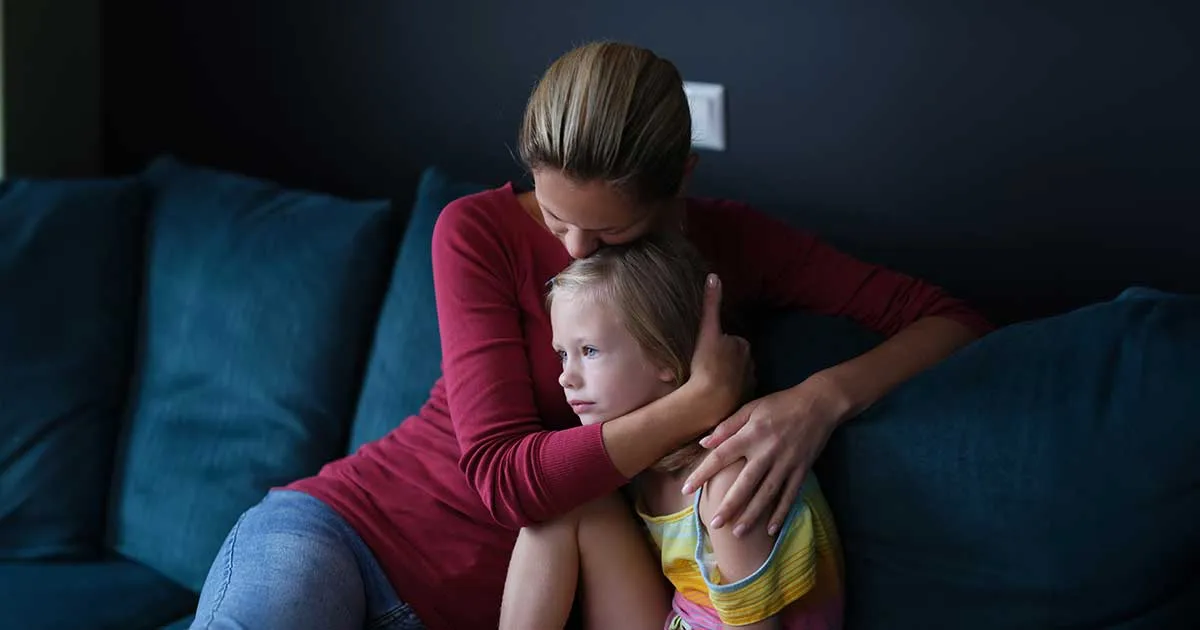
The Emotional Effects of the Mother Wound on Relationships
The emotional effects of the mother wound can ripple through our relationships in ways we might not even realize. It’s fascinating how our early experiences with our mothers can shape not just our sense of self, but also how we connect with those around us. Have you ever noticed how your relationship dynamics might change depending on who you’re with? Sometimes, it’s like emotional patterns just come out of nowhere!
Those who carry the mother wound may struggle with trust, intimacy, and vulnerability. You might find it challenging to open up to friends, partners, or even family members. This can lead to a cycle of isolation and misunderstanding. It’s not uncommon to feel a mix of yearning for closeness while simultaneously pushing people away. Can you relate to that overwhelming tug-of-war in your heart?
Another emotional impact is the fear of abandonment. It’s almost like a shadow that looms large in relationships, often leading to anxiety or emotionally charged reactions that might surprise even yourself! Understanding these triggers is crucial. What if acknowledging these feelings could bring you closer to healing and connection instead of driving you away?
- Difficulty trusting others or feeling safe in relationships.
- A tendency to be overly critical of oneself and others.
- Struggles with boundaries, leading to codependency or detachment.
Recognizing these emotional effects is the first step toward making positive changes. By understanding how the mother wound plays a role in our relational behaviors, we equip ourselves with insights that can lead to healthier interactions. It’s all about breaking the cycle and redefining what relationships look like for us moving forward!
If this resonates with you, don’t worry! You’re not alone in navigating these complex feelings. The journey of healing from the mother wound can be an enlightening experience—one that opens the door to a more profound understanding of yourself and your relationships. So why not embrace the process and start redefining your connections today?
Identifying Symptoms of the Mother Wound in Yourself
Recognizing the symptoms of the mother wound in yourself can be a pivotal step towards healing. This journey might reveal patterns and beliefs that have unknowingly shaped your life. Have you ever considered how your relationship with your mom influences your self-esteem or relationships? It’s more common than you might think!
First, let’s chat about some emotional symptoms you might experience. Many people who carry the mother wound often feel a profound sense of inadequacy or self-doubt. This could show up as a persistent inner critic whispering that you’re not enough. Does that resonate with you? If you’re often battling negative self-talk, it’s likely a signal of that mother wound creeping in.
- Difficulty forming healthy boundaries in relationships.
- Struggling with feelings of guilt or shame, especially when prioritizing your needs.
- Having a hard time accepting love or compliments from others.
- Experiencing anxiety or fear of rejection, particularly in close relationships.
Beyond emotions, the mother wound can manifest physically too! Maybe you’ve noticed that you tend to hold tension in your body or feel fatigued often. Stress-related symptoms can easily tie back to unresolved feelings about your mother. How’s your body feeling right now? It’s crucial to listen to what it’s trying to tell you!
Lastly, don’t overlook the behavioral aspects! You might find yourself repeating unhealthy relationship patterns, or perhaps you overly please others at the expense of your own happiness. Recognizing these behaviors can feel overwhelming, but breaking them down is where the healing starts! So, what’s your next step in addressing these symptoms?
Effective Healing Strategies for Overcoming the Mother Wound
Healing from the mother wound isn’t just about addressing past pain; it’s about unlocking a brighter, more fulfilling future! So, what can you do to move forward with confidence? There are some effective healing strategies that have helped many people reconnect with themselves and their feelings.
First up, self-compassion! Learning to treat yourself with the same kindness you would offer a friend is essential. When those negative thoughts creep in, stop and ask yourself: “Would I say this to someone I care about?” If the answer is no, then it’s time to counter that negativity with love and understanding. Also, consider journaling as a way to explore these feelings further—just let the words flow!
Next, let’s talk about setting boundaries! This can be a game-changer for your emotional well-being. It’s ok to take a step back from relationships that drain you. Ask yourself: are you surrounding yourself with people who uplift you, or do you feel weighed down? Establishing boundaries can create space for healthier interactions.
Another powerful tool is mindfulness. Through practices like meditation or deep breathing, you can learn to recognize and accept your emotions without judgment. This can truly transform your daily life and help you stay present in the moment rather than getting lost in past hurts. How awesome is it that you can take control of your thoughts?
- Embrace self-compassion to foster kindness towards yourself.
- Set clear boundaries to protect your emotional energy.
- Practice mindfulness through meditation and breathing exercises.
Lastly, don’t hesitate to lean on your community—reach out for support! Talking to friends, family, or even support groups can provide a safety net during tough times. Remember, you’re not alone in this. By embracing these healing strategies, you can start to overcome the mother wound and rediscover your true self.
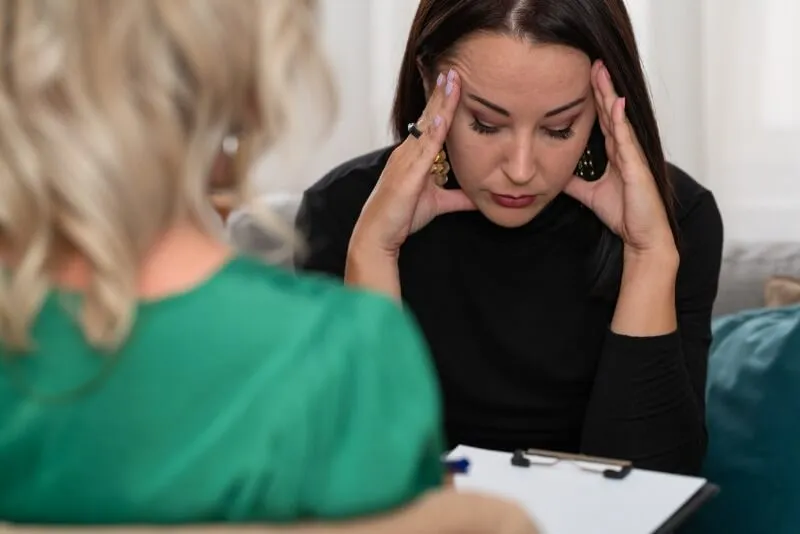
Exploring the Role of Therapy in Healing the Mother Wound
Therapy serves as a powerful tool in healing the mother wound, offering a safe space where you can explore and understand the complexities of your emotions. Isn’t it exciting to think about how spending just a little time in therapy can lead to such profound transformations? Therapists can provide the guidance needed to unearth deep-seated beliefs about yourself and your relationship with your mother, breaking down barriers that may have held you back for years.
When you work with a therapist, you’re not just talking about your feelings; you’re actively engaging in a process of self-discovery. They can help you identify patterns in your thoughts and behaviors that stem from the mother wound. Have you noticed any recurring themes in your life that might relate to your relationship with your mom? That’s exactly the kind of insight a therapist can assist you with, helping to connect the dots and move towards healing.
- Unpacking childhood experiences and their influence on your current life
- Building self-compassion and learning to reframe negative thoughts
- Addressing and processing feelings of anger, sadness, or abandonment
Moreover, therapy can introduce various techniques tailored to your needs, from cognitive behavioral therapy to mindfulness practices. You’ll find that these methods can help you develop healthier relationships and improve your overall emotional well-being. Isn’t it liberating to think that healing is within reach? Concentrating on nurturing a positive relationship with yourself is key, and therapy plays a critical role in that journey to self-love.
As you navigate this healing process, remember that you are not alone. Many have stepped into therapy and emerged with newfound clarity and strength, transforming their understanding of the mother wound. So, why not take that leap? With the right support, you can embark on a remarkable journey of healing and rediscovery!
Success Stories: Transforming the Mother Wound Into Strength
Success stories of individuals transforming the mother wound into a source of strength are nothing short of inspiring! When we think about the mother wound, it can feel heavy and burdensome, but many have turned their pain into a profound catalyst for growth and healing. These stories illustrate that you don’t have to remain stuck in a cycle of hurt; rather, you can harness your experiences to foster empowerment and resilience.
Take for instance, the journey of Leah, a former perfectionist who struggled with anxiety stemming from her relationship with her mother. Through counseling and self-reflection, Leah began to recognize how her mother’s expectations shaped her self-worth. Instead of feeling ashamed of her past, Leah used that awareness to fuel her passions! Now, she channels her energy into creative projects, reminding others that their worth isn’t tied to others’ approval.
Chris’s story is another powerful example! After years of feeling unworthy due to a toxic mother-son dynamic, he decided to change course. With the help of a support group, Chris learned how to set boundaries and prioritize his own needs. His journey taught him that healing from the mother wound doesn’t negate the love for his mother; instead, it opens a path for healthier relationships. Isn’t that such a powerful transformation?
- Leah’s creativity blossoming into empowering projects.
- Chris establishing healthy boundaries in relationships.
- These stories show that the mother wound can lead to personal empowerment.
Listening to stories like these can spark hope in anyone dealing with the mother wound. They remind us that healing is possible and that our struggles don’t define us. Instead, they can forge a path toward a more authentic and fulfilling life. So, if you’re sitting with the echoes of the past, remember there’s always a way to turn that energy into strength. What’s your story? How can you use your experiences to inspire others?
Final Thoughts: Understanding the Mother Wound
By exploring the mother wound, we uncover its profound impact on our lives and relationships. It’s a journey to recognize how much our early interactions shape our emotional well-being. Understanding the mother wound allows us to shed light on hidden struggles, giving ourselves permission to heal and grow. Have you noticed how certain patterns in your relationships echo back to your experiences? It’s so fascinating to dig deeper and connect those dots!
Healing the mother wound is not just about addressing pain; it’s about tapping into our inner strength. Remember, you’re not alone in this. Many have walked this path and emerged stronger and more resilient. The strategies discussed—from therapy to self-reflection—are stepping stones towards recovery. Embracing these strategies can ignite transformation and foster healthier connections. So, what are you excited to explore next in your healing journey?










