
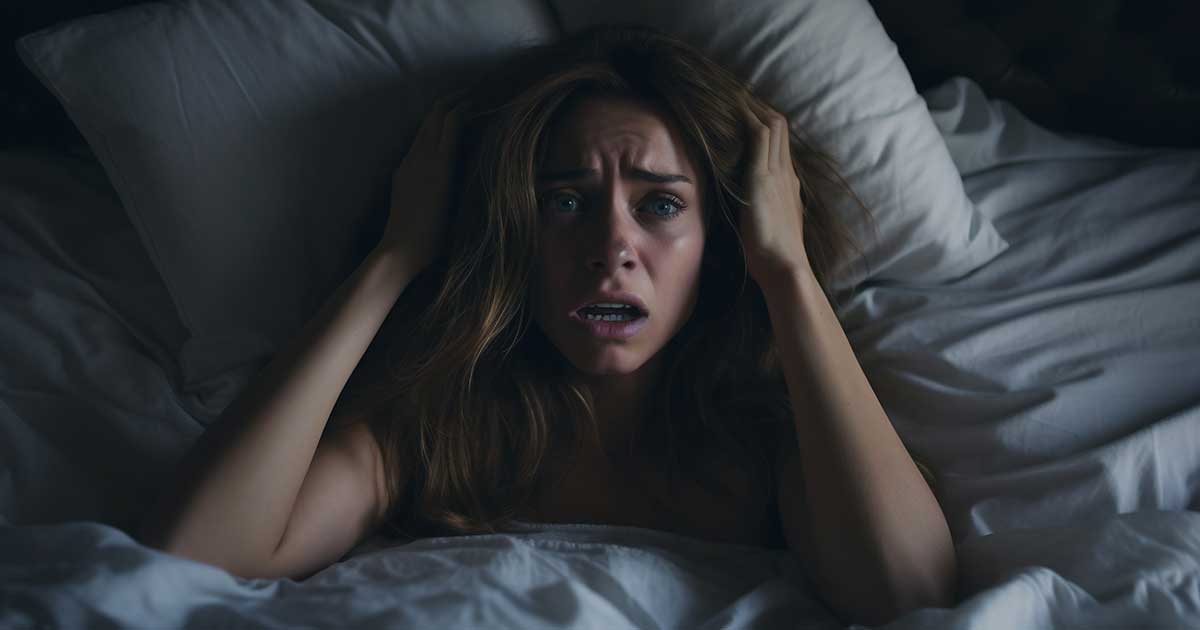
Let’s talk about a hauntingly fascinating topic: sleep paralysis! This condition can leave you feeling terrified and bewildered as you wake up unable to move, often with the sense that a shadowy figure is looming over you—the infamous sleep paralysis demon. But what exactly is this creepy character? Is it simply a part of our brain playing tricks on us during those uncertain moments between sleep and wakefulness? In this article, we’re digging deep into the mysteries of sleep paralysis and the role of the sleep paralysis demon in our night terrors.
Imagine being stuck in your own body while your mind is wide awake! Pretty alarming, right? Sleep paralysis can happen to anyone, and understanding it can be the key to overcoming those spooky episodes. We’ll explore the science behind this chilling experience, why it happens, and how it ultimately connects with our fears. Get ready to unravel the myths and facts surrounding sleep paralysis, and learn tips to combat those eerie nighttime visitations that disrupt your well-deserved rest. So, if you’re ready to dive in and shatter the fear surrounding sleep paralysis, keep reading!
Understanding Sleep Paralysis: Causes and Symptoms
Sleep paralysis can feel like a scene straight out of a horror movie, leaving you wide-eyed and gasping for breath! But what exactly causes this eerie phenomenon? Essentially, sleep paralysis happens when you wake up before your REM cycle ends, leaving your brain alert but your body frozen. This can lead to some frightening experiences, often accompanied by vivid hallucinations. It’s like being trapped in your own nightmare—yikes!
So, what are the common symptoms? Many report an overwhelming sense of pressure on their chest, difficulty breathing, and the sensation of an ominous presence in the room. It’s no wonder that sleep paralysis is often linked to terrifying myths like the sleep paralysis demon! Are you feeling a chill run down your spine just thinking about it?
Various factors can trigger sleep paralysis, including disrupted sleep patterns, sleep deprivation, and even certain sleep disorders like narcolepsy. Stress and anxiety are also big players—if your mind is racing with worries, it could lead to a higher chance of experiencing sleep paralysis. It’s wild how much our mental state can affect our sleep, right?
- Difficulty moving or speaking
- Hallucinations that can be auditory or visual
- A feeling of pressure on the chest
- An overwhelming sense of dread or fear
Understanding these causes and symptoms can help demystify the experience! Recognizing that sleep paralysis is a natural, albeit unsettling, condition is the first step to managing it. Remember, you’re not alone in this—many others have faced the sleep paralysis demon too!

Exploring the Concept of the Sleep Paralysis Demon
Have you ever experienced that haunting sensation where you’re awake, but your body just won’t cooperate? That’s right! We’re talking about sleep paralysis. This eerie phenomenon often comes hand-in-hand with what many people describe as a ‘sleep paralysis demon.’ These dark figures looming over you can induce a profound sense of fear, and you’re not alone if you’ve faced this terror during the night.
The concept of the sleep paralysis demon varies across cultures. Some see it as a spiritual entity, while others explore it as a manifestation of our subconscious mind battling with anxiety. Isn’t it fascinating how our brains can conjure such vivid imagery? When you’re stuck in that weird in-between state of sleep and wakefulness, your mind might create these shadowy figures that can feel all too real.
But what exactly is going on in your body during sleep paralysis? Your muscles essentially freeze during REM sleep, which is why you might feel trapped. The sleep paralysis experience can be alarming, especially when coupled with visual or auditory hallucinations. Think about the last time you couldn’t move while feeling an intense presence in the room—it’s enough to make anyone question their sanity!
Common Characteristics of Sleep Paralysis Demons
- Shadowy or dark figures that feel very real
- A sense of pressure on the chest or body
- Whispers or eerie sounds that you can’t pinpoint
Whether you call them demons or simply forms of hallucination, understanding these experiences can be the first step in combating your fears. It’s all about demystifying this phenomenon! So next time you’re trapped in your bed, remind yourself that it’s just your mind playing tricks during sleep paralysis. Isn’t it wild how something so scary comes from an intricate dance of our brains and body?
How Sleep Paralysis Affects Mental Health and Recovery
Sleep paralysis can be a pretty intense experience, right? Imagine feeling completely awake but unable to move your body. It’s not just a physical experience—it deeply affects your mental health and recovery too. During these episodes, many people report feelings of fear and helplessness that can linger long after waking up. This disruption in sleep definitely messes with your peace of mind!
You might be wondering how sleep paralysis can impact your mental state. When these episodes happen frequently, they can lead to increased anxiety and stress. People often start to worry about going to sleep, fearing that they’ll have another episode. Can you imagine the dread of anticipating a bad night? It’s no surprise that it can cause an overwhelming sense of despair and frustration. But it doesn’t have to rule your life!
Moreover, the connection between sleep paralysis, mental health, and recovery is significant. The more you experience these episodes, the more it can create a cycle of anxiety that affects other areas of life, such as work or relationships. It can be tough to focus on recovery when you’re struggling with sleepless nights. So, what’s the best way to break this cycle? Understanding what’s happening and seeking effective treatment options is crucial!
Implementing self-care strategies and developing coping mechanisms can pave the way for a healthier mindset. Have you considered keeping a sleep journal to track when episodes occur? This could provide insight into triggers and help you find patterns. Remember, prioritizing your mental health is just as important as addressing the sleep paralysis itself. Don’t forget that you’re not alone—many people face similar challenges and there’s support out there!
- Manage stress through relaxation techniques like meditation or yoga.
- Create a calming bedtime routine to signal your body that it’s time to unwind.
- Consider speaking with a mental health professional for additional support.
Effective Strategies to Overcome Night Terrors and Fear
Dealing with night terrors and fear can feel overwhelming, but the good news is that there are effective strategies to tackle these sleep disruptions head-on! These night terrors often feel like an uncontrollable experience, leaving you with feelings of dread and panic. The first step is to remember, you’re not alone in this battle! Many people experience sleep paralysis and its accompanying fears, and together we can explore ways to combat these issues.
One of the most effective techniques is to develop a consistent sleep routine. Having a regular bedtime can help signal to your body that it’s time to wind down. Why not try setting aside some time before bed for relaxation techniques like meditation or deep breathing? These practices can lower your stress levels, making it less likely for those pesky night terrors to pop up. Plus, focusing on your breathing can help ground you if you wake up feeling unsettled.
In addition to a consistent bedtime, consider incorporating some comforting bedtime rituals. This could be anything from reading a few pages of a favorite book to listening to soothing music. Whatever helps you unwind! And don’t forget to tackle any anxieties that may be lingering in your mind. Talking it out with someone or jotting down your thoughts in a journal before bed might just help clear those thoughts.
- Practice deep breathing exercises.
- Create a calming bedtime routine.
- Jot down your concerns in a journal.
- Maintain a consistent sleep schedule.
If you find that these strategies aren’t doing the trick, it might be a good idea to consider professional support. A sleep specialist can help you understand your fears better and devise a personalized plan. Remember, it’s perfectly okay to seek help when it comes to your mental health and well-being! Have you tried any of these techniques before? Which one are you excited to try? Let’s tackle those night terrors together!

The Role of Sleep Hygiene in Preventing Sleep Paralysis
Have you ever woken up only to feel completely immobilized? That’s sleep paralysis in action! One of the best ways to help manage sleep paralysis is by practicing good sleep hygiene. This involves creating a sleep-friendly environment that encourages restful slumber and helps reduce the likelihood of those scary night terrors.
So, what exactly is sleep hygiene? It’s all about those habits and practices that can lead to a more restorative night of sleep. Think of it as your personal toolkit for enhancing your sleep quality. You know, things like sticking to a regular sleep schedule, which is super important to keep your body in sync and avoid those terrifying episodes of sleep paralysis.
And let’s not forget about creating a cozy sleep environment! Make sure your bedroom is dark, cool, and quiet. Using blackout curtains and white noise machines can do wonders—it’s all about eliminating distractions that could disrupt your sleep. Have you ever tried any of these tricks?
- Stick to a regular sleep schedule
- Create a calming bedtime routine
- Limit screen time before bed
- Make your sleep environment comfortable
- Reduce caffeine and alcohol intake
Engaging in relaxation techniques before bedtime can also be a game-changer! Think deep breathing, light stretching, or even meditation. These practices help calm your mind and prepare your body for sleep. The better you treat your sleep, the less likely you are to experience bouts of sleep paralysis. Wouldn’t that be a relief?
In conclusion, maintaining good sleep hygiene isn’t just a nice-to-have; it’s essential for those dealing with sleep paralysis. By adopting these practices and prioritizing your sleep, you’re not only minimizing the chance of night terrors but also promoting better mental health overall. So let’s make sleep a priority, shall we?
Seeking Professional Help for Sleep Disorders and Nightmares
When you’re grappling with sleep paralysis, it can feel like you’re trapped in your own body, unable to move or scream while a terrifying presence looms over you. If this sounds familiar, you might be wondering, “Is this something I can tackle on my own?” Well, while there are effective self-help strategies out there, seeking professional help can really be a game-changer!
A sleep specialist can offer insights and guidance tailored specifically to your experiences. They understand the nuances of sleep disorders and can provide a comprehensive evaluation of your symptoms. Imagine being equipped with tools and resources that can significantly reduce those terrifying nights—sounds fantastic, right?
- Personalized treatment plans that cater to your unique needs
- Access to therapies like cognitive behavioral therapy (CBT) specifically for sleep issues
- Potential recommendations for medications if needed
And let’s not forget about the importance of discussing any mental health concerns you might have alongside your sleep issues. Stress, anxiety, and depression can heavily impact your sleep patterns, making it imperative to approach your problems holistically. Have you ever felt that your day-to-day stress creeps into your dreams?
Additionally, professionals can provide you with coping strategies that go beyond what generic advice offers. They can teach you how to manage anxiety and even how to create a sleep environment conducive to rest. So, if you’ve been struggling with those awful night terrors, consider reaching out for support! It could be the first step towards peaceful nights and rejuvenated mornings.
Final Thoughts: What is the Sleep Paralysis Demon? Understanding Your Night Terrors
Now that we’ve uncovered the intriguing world of sleep paralysis, you might feel a mix of fear and fascination. Understanding the sleep paralysis demon can help demystify those terrifying experiences that interrupt your slumber. Remember, you’re not alone in this; many face the same night terrors and questioning thoughts. Isn’t it comforting to know that you’re part of a broader community tackling these fears together?
Adopting effective strategies to combat sleep paralysis is essential for your mental health and recovery. Good sleep hygiene, as well as understanding the triggers, really do play a huge role in overcoming these experiences. Consider trying some of the tips we discussed, and don’t hesitate to reach out for professional help if the nightmares persist. After all, sleep should be a peaceful retreat where you can recharge and dream without fear. What strategies will you implement tonight to ensure a restful sleep?










