
The connection between shortness of breath and anxiety is a topic that many people contemplate yet often feel perplexed by. It’s not uncommon to feel that tightness in your chest when life throws some emotional curveballs your way. But what does it all really mean? Are those moments of panic and breathlessness simply the body’s way of responding to stress, or is there something deeper at play? Understanding this link is crucial because it can help you manage your symptoms and improve your overall well-being.
For those grappling with these feelings, knowing more about how anxiety can trigger shortness of breath (and vice versa) is essential. ️ Picture this: you’re sitting in a meeting, and suddenly, your heart races and breathing quickens. It’s easy to whirl into a state of panic, but is it strictly nerves at work or a physiological reaction? By exploring the interrelation of these symptoms, we can demystify the experience and offer practical insights you can utilize. So, let’s dig into the nitty-gritty of shortness of breath and anxiety and shed some light on this crucial connection!
Understanding the Connection Between Shortness of Breath and Anxiety
Feeling like you can’t catch your breath? You’re not alone! There’s a fascinating link between shortness of breath and anxiety that many people experience. When anxiety strikes, it can trigger a physical response in our bodies, including tightness in the chest or the sensation of breathlessness. This can be super scary, right? But it’s essential to understand what’s going on beneath the surface!
Anxiety often ramps up our body’s fight-or-flight response, leading to increased heart rate and faster breathing. Ever notice how you breathe when you’re anxious? It tends to become short and shallow. This change in your breathing pattern can amplify feelings of stress and panic, creating a vicious cycle. It’s almost like your anxiety is holding your breath hostage!
Moreover, when you’re feeling anxious, your brain may send signals that create a sense of impending doom. This can lead to hyperventilation, which makes everything worse. It’s that classic case where the physical symptoms of anxiety can exacerbate the anxiety itself. The good news is that understanding this connection can help you manage these feelings better!
- The feeling of tightness or pressure in the chest
- Hyperventilation and shallow breathing
- An increased heart rate that can feel overwhelming
- Feelings of dizziness or lightheadedness
Recognizing that shortness of breath and anxiety are linked is the first step toward taking control of your health. By identifying this connection, you can employ various techniques to ease both your anxiety and its physical symptoms. Have you ever tried deep breathing exercises? They can work wonders in calming your mind and restoring a normal breathing pattern!

Common Symptoms of Anxiety Leading to Breath Shortness
Experiencing shortness of breath can be pretty unsettling, especially when it feels like it’s linked to the nerves and jitters you might be experiencing. So what are the common symptoms of anxiety that lead to this breathless sensation? It’s important to recognize these symptoms because understanding them can help you manage your experience better, and possibly even reduce some of that pesky panic!
One of the main symptoms people often report alongside anxiety is a racing heart or palpitations. Ever felt your heart pounding away like it’s trying to escape from your chest? This heart-racing can send your mind into a tailspin, making you feel like you can’t catch your breath. Anxiety can easily trick your mind into thinking there’s a dire situation, even when there isn’t. Feeling light-headed or dizzy? That’s another classic anxiety symptom that ties in with the feeling of breathlessness. It’s like your body’s way of saying, “Hey, calm down!”
In addition, many people may notice tightness in their chest or throat—which can feel super uncomfortable when you’re already anxious. Some describe it as if they’re wearing an invisible corset squeezing a little too tight. This sensation can create an overwhelming urge to gasp for air. It’s all part of the body’s response to anxiety where it confuses fear with a legitimate threat. Does any of this sound familiar?
- Rapid heart rate
- Light-headedness or dizziness
- Tightness in the chest or throat
- Shortness of breath during panic attacks
- Feeling of impending doom
Remember, though, that these symptoms can vary in intensity from person to person. It might also depend on the situation you’re in. So, if anxiety has you feeling breathless, know that you’re not alone, and there’s a community out there ready to support you!
Physiological Effects of Anxiety on Breathing Patterns
Understanding the physiological effects of anxiety on breathing patterns can make a world of difference when it comes to managing feelings of shortness of breath. When anxiety kicks in, your body goes into a state of fight or flight, releasing adrenaline and other stress hormones. This is where the fun begins—your breathing might become rapid and shallow, or in some cases, you may feel like you can’t take a full breath at all! How wild is that?
This rapid and shallow breathing is known as hyperventilation, and it can lead to a cascade of physical symptoms such as dizziness, tingling in your hands and feet, and of course, that dreaded feeling of breathlessness. Have you ever felt your heart racing when anxious? This is the body’s way of preparing you to react, which can inadvertently mess with your normal breathing patterns.
Did you know that anxiety can actually cause you to breathe from your chest instead of your diaphragm? This can result in less oxygen getting to your lungs, making that shortness of breath even more pronounced. Think about it—take a moment and consider how you breathe when you’re relaxed versus when you’re anxious. It’s a whole different ball game! ️
- Rapid, shallow breaths
- Inability to take deep breaths
- Feeling lightheaded or dizzy
- Tightness in the chest
- An increased heart rate
In a nutshell, the physiological effects of anxiety can certainly play a huge role in how we experience shortness of breath. The connection between these two symptoms is clear, making it essential to acknowledge how stress can sabotage our body’s natural rhythms. Being aware and learning to control your breathing is a game-changer when it comes to managing anxiety effectively. So, who’s ready to take a deep breath and face anxiety head-on?
Effective Strategies to Manage Anxiety-Induced Breathlessness
Dealing with the pesky combo of shortness of breath and anxiety can feel like a rollercoaster ride of emotions. Breathing can become shallow when you’re feeling anxious, which just adds fuel to the fire! The good news? There are effective strategies to manage anxiety-induced breathlessness that can help you regain control and feel more at ease. So, let’s dive into some practical approaches!
First up, let’s talk about breathing exercises! Yep, you heard that right. These exercises are like your very own toolkit for calmer breaths. One popular method is the 4-7-8 technique: inhale deeply through your nose for 4 seconds, hold your breath for 7 seconds, and then exhale slowly through your mouth for 8 seconds. Not only does this help slow your heart rate, but it also promotes relaxation. Have you tried it yet? ️
Cognitive Behavioral Therapy (CBT) is another fantastic option. This structured approach helps you identify and challenge negative thought patterns that may be contributing to your feelings of anxiety. By practicing CBT, you’ll learn to shift your thinking about your shortness of breath and anxiety, making it easier to cope with those feelings when they arise. How amazing is that?
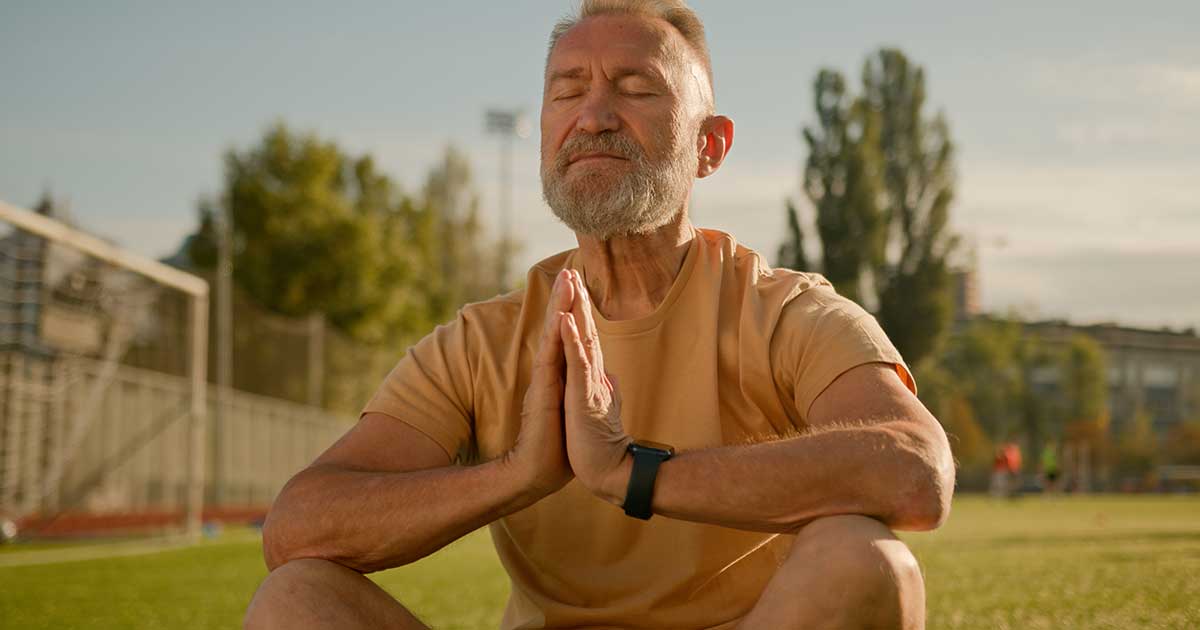
Mindfulness and meditation can also have a profound impact on managing anxiety and breathlessness. Taking a few minutes each day to focus on the present moment can take the edge off. Plus, integrating awareness of your breathing helps ground you, steering your mind away from racing thoughts. You might find it surprising how much better you feel after just a short mindfulness session!
- Try 4-7-8 breathing for instant calm.
- Incorporate CBT techniques to change your mindset.
- Make mindfulness and meditation part of your daily routine.
Remember, everybody is different, and what works for one person might not work for another. So, it’s all about finding the right mix of anxiety management strategies that suit you! And hey, if things ever feel overwhelming, don’t hesitate to reach out for professional help. Sometimes, just knowing you’re not alone can make a world of difference. Take a deep breath – you’ve got this!
When to Seek Professional Help for Anxiety Symptoms
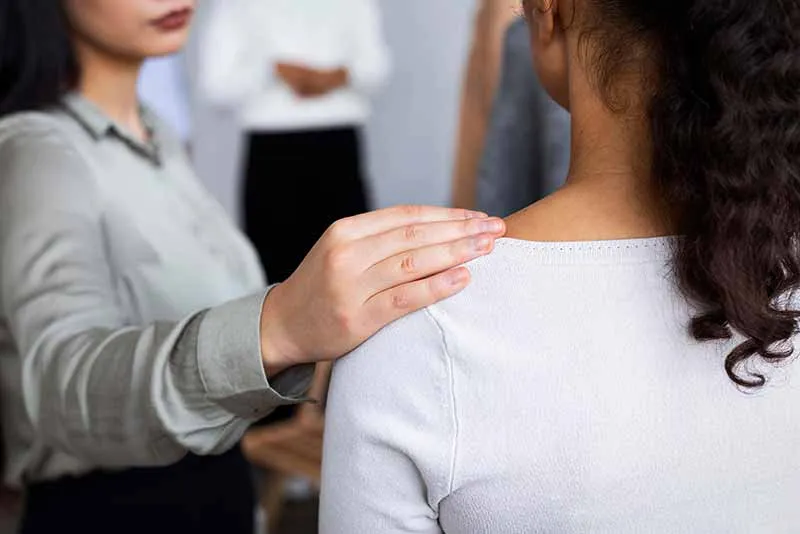
So, you’re feeling overwhelmed by anxiety and finding it tough to breathe? It can be a real struggle, and while a little bit of stress is normal, knowing when to seek professional help is crucial. If you notice that your symptoms of shortness of breath and anxiety are interfering with your daily life, or if those feelings just won’t go away, it might be time to talk to someone.
You don’t have to face this all alone! Reaching out to a healthcare provider, therapist, or counselor can significantly help in figuring out if your shortness of breath and anxiety results from a specific anxiety disorder or if there might be other underlying issues at play. Think about it—couldn’t it be nice to have some clarity and support while navigating these feelings?
If your anxiety symptoms show up suddenly and leave you feeling panic-stricken, it’s definitely a sign to seek assistance. You might also want to reach out if your breathing problems seem to cause distress that keeps you from participating in daily activities, like meeting friends or going to work. Is that something you can relate to?
Here are some triggers to help you decide:
- When shortness of breath starts affecting your sleep or daily routines.
- Experiencing it frequently or during new situations.
- Feeling consumed by anxious thoughts that don’t seem to fade.
Mental health is just as important as physical health, so don’t hesitate to seek that help! Consulting with a professional can provide not just a diagnosis but a roadmap to effective treatment options. Remember, addressing both the shortness of breath and anxiety is key to living a fuller, happier life!
Lifestyle Changes to Alleviate Shortness of Breath from Anxiety
Making some simple lifestyle changes can significantly help alleviate that pesky shortness of breath caused by anxiety! Isn’t that exciting? Incorporating a few tweaks into your daily routine can turn your breathing struggles into a manageable part of life. Let’s look at some effective strategies!
First off, regular physical activity can work wonders. It doesn’t mean you need to be a gym rat! Just a brisk walk or a dance party in your living room can get your heart pumping and, interestingly, help reduce anxiety levels. Have you ever noticed how good it feels to be active? Staying fit can boost your mood and give your lungs a nice stretch!
Next up, let’s talk about breathing exercises. Yep, you heard it right! Simple deep-breathing techniques can improve lung function while helping to calm your mind. Try inhaling deeply through your nose, holding it for a count of four, and then gently exhaling through your mouth. Repeat a few times, and you might find anxiety taking a backseat!
Don’t forget about hydration! Staying well-hydrated helps maintain healthy bodily functions, including breathing. Drink enough water throughout the day, and notice how it contributes to your overall well-being. Ever felt a bit lightheaded and realized you hadn’t drunk enough water? It can make a difference!
A healthy diet can also play a major role in managing anxiety and shortness of breath. Filling your plate with fruits, veggies, lean proteins, and whole grains gives your body what it needs to function optimally. Have you tried new recipes lately? Eating well can be delicious and nourishing!
Lastly, don’t underestimate the power of mindfulness practices such as meditation or yoga. These practices help center your thoughts, reduce stress levels, and calm your breathing. Have you ever tried a meditation app? You might be surprised at how much more relaxed you feel afterward!
Final Thoughts: Is There A Link Between Shortness of Breath and Anxiety?
Understanding the connection between shortness of breath and anxiety is vital for anyone who experiences these symptoms. It’s fascinating to see how our minds can influence our bodies, right? Whether it’s that tight feeling in your chest or the sensation of breathlessness when anxiety strikes, knowing what’s going on can help you address it effectively.
You’re not alone if you’ve ever felt the overwhelming urge to gasp for air during a panic attack. Many people go through this! Taking control starts with understanding and recognizing your triggers. So, have you thought about using the effective strategies discussed? From breathing exercises to lifestyle adjustments, there are plenty of tools to help you breathe a little easier. ️
Finally, if you ever feel like anxiety is taking the reins on your life, seeking professional help can be a game changer! Don’t hesitate to reach out. Remember, the journey to understanding shortness of breath and anxiety is personal, and every step you take is towards a healthier you. Keep exploring, and stay informed!










