
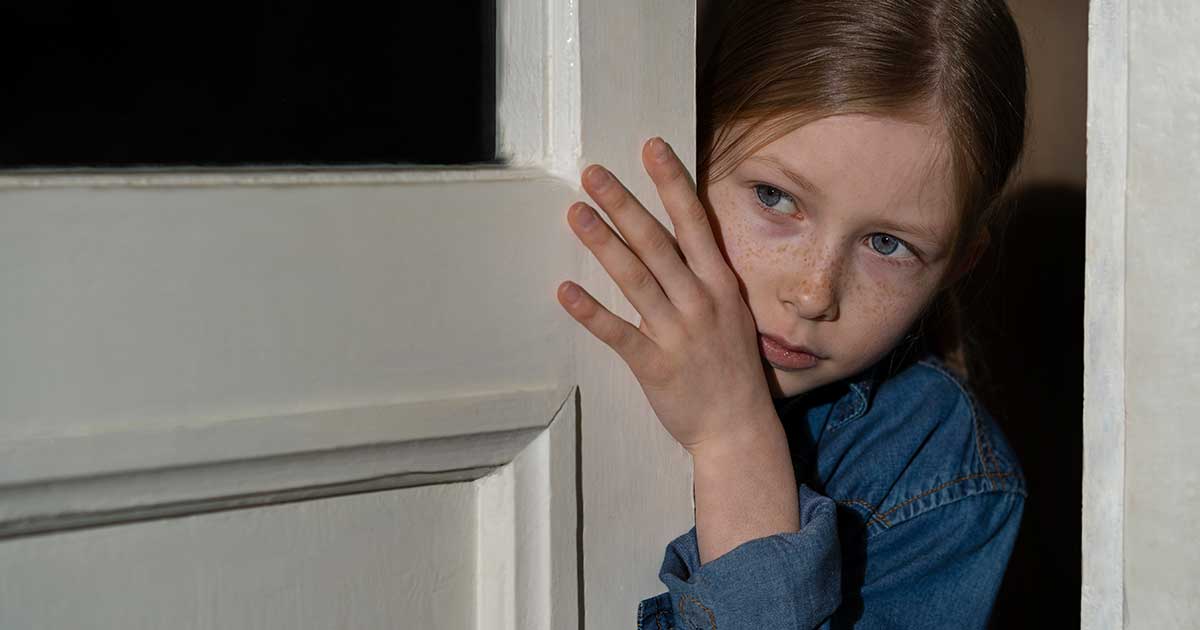
Understanding PTSD from childhood abuse is crucial for many adults who are grappling with the long-lasting effects of trauma. This condition can profoundly shape a person’s life, impacting relationships, mental health, and overall well-being. Did you know that the experiences we endure as children can stick with us well into adulthood? It’s pretty intense, right? As we dive into this topic, we’ll explore the key insights surrounding how childhood abuse manifests as PTSD and the various ways it can affect our adult lives.
It’s not just about recognizing the symptoms; it’s also about understanding the journey towards healing and finding the right support systems. Whether you or someone you know is struggling with this, knowing your experiences are valid and that you’re not alone is vital. Together, we’ll unwrap these complexities and shed light on effective coping strategies. Ready to take a closer look at how we can better understand and address PTSD from childhood abuse? Let’s jump right in!
What is PTSD and How it Affects Adults Today
PTSD, or Post-Traumatic Stress Disorder, can feel like a heavy backpack you carry around, filled with all the overwhelming emotions and memories from the past. When we talk about PTSD from childhood abuse, we’re zeroing in on how those early experiences can shape adult lives. Imagine trying to navigate the world with shadows of those experiences haunting your every move. Sounds tough, right?
But what exactly is PTSD? It’s a mental health condition triggered by experiencing or witnessing a traumatic event. For adults who suffered from childhood abuse, this condition can manifest in various ways, affecting both their mental and physical health. You might notice a sudden startle response, flashbacks, or even feelings of detachment from those around you. Have you ever felt a memory hit you out of nowhere? That’s a common reaction!
Now, how does this play out in everyday life? Adults with PTSD from childhood abuse often find it hard to trust others, stay in relationships, or manage their emotions effectively. Just think about it: if your past feels like a constant reminder of pain, how can you build new, healthy relationships? These feelings can lead to isolation, anxiety, and even depression. It’s a tough cycle to break, but understanding it is the first step towards healing.
- Flashbacks or intrusive memories of the abuse
- Severe emotional distress when reminded of past abuse
- Avoidance of places, people, or activities that trigger memories
- Negative changes in mood and thinking patterns
Fortunately, knowledge is power! By recognizing the signs and understanding what PTSD from childhood abuse really entails, adults can start to seek the support they need. Whether through therapy, support groups, or simply opening up to loved ones, taking those steps can be transformative. What do you think is the first step towards healing for many individuals facing this challenge?

Common Symptoms of PTSD from Childhood Abuse Experiences
Experiencing PTSD from childhood abuse can be a heavy burden to carry into adulthood. Many individuals may grapple with lingering effects, often unaware that these challenges stem from past traumas. So, what are some of the common symptoms that show up in those who have faced such painful experiences? Let’s break them down!
One of the most prevalent symptoms of PTSD from childhood abuse is flashbacks. These memories can invade your thoughts unexpectedly, making you feel as if you’re re-experiencing the trauma all over again. It’s pretty jarring, right? It’s like having an unwanted guest that just won’t leave!
Another common symptom is heightened anxiety. You might find yourself feeling overly alert or on edge, always anticipating danger. It’s like walking around with a constant sense of dread. This persistent anxiety can often make daily activities feel overwhelming and stressful—not an easy way to live!
- Intrusive thoughts or memories related to the abuse.
- Emotional numbing or detachment from loved ones.
- Avoidance of places, people, or activities that remind you of the trauma.
- Depression or feelings of hopelessness.
- Difficulty trusting others or feeling safe in relationships.
Many adults may also experience mood swings or irritability. This can lead to problems in relationships, as you might find it challenging to manage your emotions. Have you ever felt like your mood was a rollercoaster? And don’t forget about the very real physical symptoms that can arise, such as insomnia, fatigue, or chronic pain.
Recognizing these symptoms is a vital step in the healing process. If you’ve been identifying with any of these feelings, know that you’re not alone. Many have faced similar struggles, and understanding what you’re going through can help you in seeking support and finding effective treatment. Remember, it’s okay to reach out for help—the journey to healing can be shared!
The Long-Term Impact of Childhood Abuse on Mental Health
The long-term impact of childhood abuse on mental health can be truly profound, shaping an individual’s life in ways that are often invisible to others. Many adults grappling with trauma from their formative years may find that their mental health is a mixed bag of emotions, struggles, and resilience. Have you ever noticed how a seemingly small trigger can send you spiraling back into deep emotions from your past? That’s the reality for many dealing with PTSD from childhood abuse.
Research has shown that individuals who experienced abuse during their childhood are at a higher risk of developing various mental health issues later in life. From anxiety to depression, the shadows of those painful experiences can linger like unwelcome guests. Navigating relationships, work, and even self-esteem can become a complex puzzle when the pieces are tainted with past trauma. And let’s be real, who hasn’t felt the weight of their history sometimes?
Moreover, this PTSD from childhood abuse can manifest in different ways. For some, it can lead to chronic stress, making it hard to enjoy the present while being burdened by memories. Others might find themselves self-sabotaging in relationships or struggling with intimacy, all rooted in their past. The emotional aftermath can create a cycle of pain that feels endless, but it’s crucial to recognize that healing is absolutely possible!
What’s even more fascinating—and sometimes alarming—is how the effects of childhood abuse can impact brain development. Studies indicate that abuse can alter brain function, affecting emotional regulation, memory, and even how individuals respond to stress. It’s like carrying an invisible backpack filled with extra weight that no one else can see. Understanding this connection is key in addressing these long-term impacts and finding the right path to recovery.
- The prevalence of mental health issues linked to childhood abuse
- How PTSD affects daily functioning and relationships
- Recognizing the signs of mental health struggles stemming from past trauma
Effective Treatment Options for PTSD Sufferers
Exploring effective treatment options for those experiencing PTSD from childhood abuse can feel overwhelming, but there’s hope! It’s essential to know that many different approaches can help individuals recover and heal. From therapy types to self-help strategies, let’s dive into what works best for sufferers.
One of the most popular and evidence-supported options is Cognitive Behavioral Therapy (CBT). This form of therapy helps individuals reframe negative thought patterns and develop coping mechanisms. Feeling stuck in your thoughts? CBT might just be the push you need to unlock a healthier view of your past!
Another effective treatment is Eye Movement Desensitization and Reprocessing (EMDR). This innovative therapy aims to reduce the emotional impact of traumatic memories. Patients often find that, after just a few sessions, they can recall painful events without the overwhelming feelings they once had. Imagine reclaiming joy and peace in your life!
- Mindfulness and meditation practices
- Support groups for shared experiences
- Medication options to manage symptoms
For those who prefer a holistic approach, combining physical activity, journaling, and creative expression can work wonders! Engaging in healthy hobbies not only alleviates stress but also helps connect you to your feelings in a positive way. Have you tried any of these techniques before? Which ones seemed to resonate with you the most?
Lastly, don’t underestimate the power of community support. Whether it’s through group therapy or talking with trusted friends, sharing your journey can lighten the load. Those who understand what you’re going through have the potential to help you see that you’re not alone in this battle. The road to healing may be long, but each step brings you closer to a brighter future!
Ways to Support Loved Ones with PTSD from Abuse
Supporting a loved one dealing with PTSD from childhood abuse can feel overwhelming, especially when you’re not sure how to help. The very first step is to create a safe space for them where they can openly express their feelings and struggles. Have you considered simply sitting down with them and asking how they’re feeling? Just knowing that someone is there to listen can make a world of difference!
It’s crucial to be patient and understanding. Individuals with PTSD can experience triggers that may bring up painful memories. Encourage your loved one to communicate about these triggers in a supportive environment. Maybe they want to share their feelings, or perhaps even some stories from their past. Being an active listener and validating their feelings is key! Sometimes, it’s not about having all the answers, but just being there for them. ️
Another way to support your loved one is to help them engage in self-care. This can be as simple as encouraging them to take walks, join a yoga class, or even picking up a hobby they love! Why not suggest a fun day out, doing something that brings joy and relaxation into their lives? Fun activities can be a wonderful distraction and also aid in processing their trauma in a healthier way.
- Encourage open communication about feelings and triggers.
- Promote self-care activities that they enjoy.
- Educate yourself about PTSD to better understand their experiences.
- Offer assistance in finding professional help if they need it.
- Be patient and non-judgmental as they navigate their healing process.
Also, don’t hesitate to educate yourself about PTSD from childhood abuse. Understanding this condition can enable you to provide more effective support. Knowing the common symptoms can help you spot when your loved one might be struggling, and you can adjust your approach accordingly. Remember, being a supportive friend or family member can have a tremendous impact on their recovery journey. ️

Coping Strategies for Adults Dealing with Childhood Trauma
Coping with PTSD from childhood abuse can feel like an uphill battle for many adults, but there’s a silver lining—there are effective strategies that can make a real difference! It’s all about finding tools that resonate with you and help pave the way to healing. Let’s dive into some great coping mechanisms that can help manage those overwhelming feelings and memories!
One popular approach is grounding techniques. These methods can bring you back to the present moment and help you feel more connected to your surroundings. Try engaging your senses—what do you see, hear, smell, or touch right now? This simple detective work can redirect your focus away from distressing thoughts and into the here and now. Have you ever given grounding a go? It can be quite comforting!
Another effective strategy is practicing mindfulness. This can be as simple as setting aside a few minutes each day to breathe deeply and intentionally. There are some fantastic apps out there that guide you through the process. Taking just a moment to focus on your breath can work wonders. If you haven’t tried it yet, what are you waiting for?
- Journaling about your experiences and feelings can provide an outlet for expression.
- Engaging in physical activities, like yoga or walking, helps release built-up tension.
- Finding supportive communities—whether online or in person—can be incredibly validating.
Lastly, it’s crucial to remember that seeking professional help is always a viable option. Therapists specializing in trauma can equip you with personalized tools tailored to your unique struggles. You’re not in this alone! Have you thought about talking to someone? It can be a game changer!
Ultimately, coping with PTSD from childhood abuse requires patience and persistence. It’s about figuring out what works for you and taking small steps toward healing. So, whether you lean on friends, music, nature, or your own creative outlets—it’s all valid! Keep pushing forward, and know that brighter days are ahead!
Resources for Overcoming PTSD from Childhood Abuse
Finding the right resources for overcoming PTSD from childhood abuse can feel like searching for a needle in a haystack sometimes, but rest assured, there are amazing options available! Whether it’s professional help or support groups, the pathway to healing is illuminated by many different lights. So, what are some practical resources to help navigate this challenging journey?
One of the most impactful steps is seeking therapy. It’s crucial to talk to someone who understands the complexities of PTSD from childhood abuse. Therapists can use various methods like Cognitive Behavioral Therapy (CBT) or Eye Movement Desensitization and Reprocessing (EMDR) to assist you in processing your past experiences. Have you considered trying therapy? It could be the breakthrough you’ve been waiting for!
In addition to one-on-one therapy, support groups are also a fantastic resource. These are safe spaces where individuals with similar experiences can come together, share their stories, and provide encouragement. Connecting with others who understand what you’ve been through can truly foster healing and reduce feelings of isolation. Plus, it’s always nice to have someone who “gets it”!
Don’t underestimate the power of self-help books and online resources. There are countless titles addressing PTSD from childhood abuse that provide practical advice, coping strategies, and insights into your feelings. Websites and forums can also be invaluable—just remember to choose reputable sites to get accurate information and community support.
- National Institute of Mental Health (NIMH): Offers resources and information on mental health disorders.
- RAINN (Rape, Abuse & Incest National Network): Provides a hotline and support services for survivors of abuse.
- SupportGroups.com: A platform with various support groups addressing different types of trauma.
Lastly, don’t forget the importance of self-care. Engaging in activities that bring you joy, practicing mindfulness, or simply spending time with loved ones can significantly enhance your well-being. Remember, healing is a journey, and every step counts!
Final Thoughts: Understanding PTSD from Childhood Abuse in Adults
In conclusion, understanding PTSD from childhood abuse is essential for anyone grappling with its effects. It’s not just what happened in the past; it’s how those experiences shape our present. By recognizing the symptoms and acknowledging the long-term impacts, you can find a pathway to healing and support. Remember, it’s completely okay to seek help. You are not alone in this journey!
The good news? There are effective treatments available, and many coping strategies can help ease the burden of trauma. Whether it’s through professional therapy, support groups, or simply leaning on loved ones, healing is not only possible but achievable. You deserve to reclaim joy and peace in your life! Keep moving forward, and don’t hesitate to reach out for the support you need.










