

It’s fascinating to explore the intricate relationship between OCD and PMDD. For many individuals navigating life with obsessive-compulsive disorder (OCD) and premenstrual dysphoric disorder (PMDD), understanding this connection can feel like unlocking a hidden door to healing. Have you ever wondered how these two seemingly different conditions might be intertwined?
Research indicates that the emotional and physical symptoms related to PMDD can sometimes amplify the challenges faced by those with OCD. This means that if you or someone you know is juggling both conditions, you’re not alone! In this article, we’ll break down the overlapping symptoms, explore potential treatment options, and discuss what it means for those affected. So, whether you’re seeking help for yourself or trying to support a loved one, you’re in the right place! Let’s dive into the details and get a clearer picture of how OCD and PMDD interact with one another.
Understanding OCD: Symptoms, Causes, and Treatments
Understanding OCD can feel like peeling back the layers of an onion—each layer reveals something new! Obsessive-Compulsive Disorder (OCD) is not just about being a ‘neat freak’. It’s characterized by intrusive thoughts, or obsessions, which often lead to repetitive behaviors known as compulsions. Ever find yourself locked in a cycle of thoughts that just won’t quit? That’s the classic struggle. These obsessions can cause significant distress and can interfere with daily life, making it crucial to recognize the symptoms early.
Symptoms of OCD vary from person to person, but they commonly include fears of contamination, fears of harming others, or the need to arrange items in a specific order. These symptoms manifest through rituals like excessive hand-washing or checking locks repeatedly. It’s interesting to think about the overlap between OCD and PMDD. Have you ever noticed how hormonal shifts can either exacerbate or relieve these symptoms? Understanding the causes became a crucial aspect of treatment, as both biological and environmental factors play a role.
When it comes to treatment, there are effective solutions available! Cognitive Behavioral Therapy (CBT) is particularly renowned for its success in helping individuals manage OCD. For some, medication such as SSRIs can also be beneficial. The link between OCD and PMDD emphasizes the importance of addressing not just the OCD symptoms, but also any underlying hormonal factors that may contribute to their intensity. It’s a bit of a balancing act! ️
- Common symptoms of OCD: intrusive thoughts, rituals, anxiety.
- Potential causes: genetic factors, brain structure, life events.
- Treatment options: CBT, SSRIs, support groups.
Understanding OCD and PMDD opens a door to better management strategies. Recognizing the intricacies can empower individuals on their path to recovery. Have you or someone you know struggled with OCD or PMDD? Knowing you’re not alone in this journey can be incredibly reassuring!
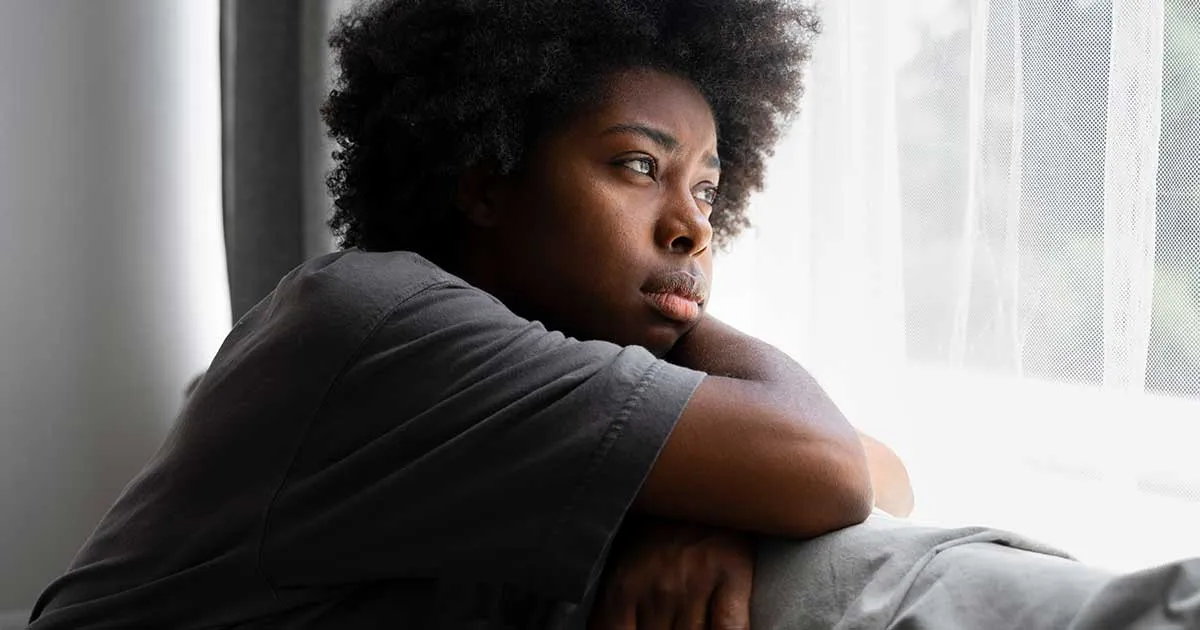
Overview of PMDD: Symptoms, Diagnosis, and Impact
Premenstrual Dysphoric Disorder (PMDD) can feel like an emotional rollercoaster! It’s not just about mood swings; it’s a serious condition that affects many women. So, what exactly are the symptoms? Women with PMDD often experience severe irritability, sadness, or anxiety in the lead-up to their menstrual period. These feelings can be overwhelming and can interfere with daily life. Does this sound familiar to you?
Diagnosis is key to managing PMDD effectively. Health professionals typically look for a pattern of emotional and physical symptoms that disrupt life in significant ways. For instance, symptoms must occur during the luteal phase of the menstrual cycle and improve within a few days after menstruation begins. This can mean tracking your mood and symptoms over several cycles. Have you ever tried a mood journal? It can be really helpful!
The impact of PMDD goes beyond the individual. Relationships, work performance, and social activities can be adversely affected. Women may withdraw from friends or find it hard to keep up with responsibilities due to debilitating symptoms. It’s essential to recognize that these struggles are valid. Understanding the emotional toll PMDD takes can help you or someone you care about seek the necessary support. Remember, you’re not alone in this!
- Severe irritability or anger
- Depression or feelings of hopelessness
- Anxiety and tension
- Physical symptoms like fatigue and headaches
Managing PMDD is not just about understanding symptoms. It involves looking at how these hormonal changes may also intertwine with conditions like OCD. Recognizing these connections can be a game-changer for treatment approaches. Curious about how this all fits together? Keep reading as we explore the intricate links between OCD and PMDD in the sections ahead!
Exploring the Link Between OCD and PMDD Symptoms
When it comes to understanding mental health, examining the connection between OCD and PMDD is enlightening yet complex. Did you know that Obsessive-Compulsive Disorder (OCD) and Premenstrual Dysphoric Disorder (PMDD) can sometimes share similar symptoms? It’s true! Both conditions can lead to heightened anxiety and feelings of being overwhelmed. For those struggling with these challenges, understanding this link can be a game-changer.
OCD is characterized by persistent, unwanted thoughts (obsessions) followed by repetitive behaviors (compulsions) that individuals feel compelled to carry out. On the other hand, PMDD is a severe form of premenstrual syndrome that significantly impacts mood and can bring on intense symptoms like anxiety, irritability, and even depression. What’s interesting is that some women with PMDD experience worsening OCD symptoms before their menstrual cycle. This overlap is something more people should be aware of!
- OCD symptoms can escalate due to the emotional fluctuations associated with PMDD.
- Feelings of despair and compulsive behaviors may be heightened in the days leading up to menstruation.
- Finding effective coping mechanisms can help manage both sets of symptoms.
Recognizing how OCD and PMDD intertwine can help better inform treatment options. If you or someone you know is battling with these conditions, it might be worth discussing trends and patterns with a healthcare professional. Have you noticed your OCD symptoms flaring during certain times of the month? It’s crucial to track these changes, as they can assist in creating a personalized treatment plan. Remember, you’re not alone in this journey!
In conclusion, exploring the synergy between OCD and PMDD offers valuable insights into your mental health. By understanding how these symptoms can influence each other, you take a meaningful step toward better management and recovery. Keep your head up, and remember that clarity comes through knowledge!
How Hormonal Changes Affect OCD in Women with PMDD
Hormonal changes can really mess with your mood and mind, especially for women dealing with PMDD and OCD. It’s not just about emotions; these fluctuating hormones can make obsessive thoughts and compulsive behaviors feel amplified. Have you ever noticed that certain times of the month seem to trigger your OCD symptoms more than others? You’re definitely not alone!
In PMDD, the hormonal imbalances—think estrogen and progesterone—can lead to severe mood changes, anxiety, and irritability. This makes it even more challenging for someone who already has OCD. The brain’s wiring and chemical signals become more sensitive during these times, making obsessive thoughts much more intense. This interplay can feel overwhelming, right?
Research has shown that women with PMDD often experience a worsening of OCD symptoms around their menstrual cycles. It’s like a double whammy! The triggers that come from fluctuating hormone levels can exacerbate the anxiety and compulsions associated with OCD. This combination can create a rollercoaster of emotions, leaving many seeking answers on how to better cope with their symptoms.
- Heightened anxiety levels during hormonal shifts
- Increased frequency and intensity of obsessive thoughts
- Compulsive behaviors becoming more pronounced
It’s important to recognize these patterns. Being aware of how your body reacts during different phases of your cycle can help in managing your symptoms more effectively. Have you considered tracking your symptoms to see if there’s a correlation? Many women find this a game-changer!
Understanding the link between hormonal changes and OCD is vital for finding effective coping strategies. Once you grasp how these factors influence your mental health, you’ll be more empowered to seek support and treatments that can alleviate the impacts of both PMDD and OCD. You’re not on this journey alone, and with the right strategies, you can navigate these choppy waters with more confidence!

Effective Coping Strategies for Managing both OCD and PMDD
Managing both OCD and PMDD can feel overwhelming, but the good news is there are effective coping strategies that can empower you to take control! First off, it’s essential to establish a routine that includes mindfulness practices. Mindfulness techniques like deep breathing or meditation can reduce anxiety and help create a sense of calm amidst the chaos. Have you tried apps or guided sessions to help you stay focused and present?
Another fantastic approach is journaling. Seriously, writing down your thoughts and feelings can be incredibly therapeutic. By putting pen to paper, you can track patterns in your OCD and PMDD symptoms. Plus, it’s a great way to identify triggers! Are there certain times or situations that amplify your feelings? A journal can help you see those connections clearer.
Physical activity also works wonders. Engaging in regular exercise can be a game changer for your mood and stress levels. From yoga to dancing, find what you love and make it a part of your routine! Not only does this help alleviate symptoms, but it’s also a fun way to release pent-up energy. What’s your favorite way to move your body?
Don’t forget about the power of support! Connecting with friends, family, or support groups who understand what you’re going through can make a difference. Sharing experiences and feelings can take a weight off your shoulders and remind you that you’re not alone in this journey. Maybe you can find a local group or an online community where you can meet others?
- Mindfulness practices (e.g., deep breathing, meditation)
- Journaling to track thoughts and patterns
- Regular physical activity to boost mood
- Reaching out to supportive friends or groups
- Identifying and avoiding triggers
Incorporating these strategies into your daily life can create a solid foundation for managing OCD and PMDD. So, why not give these techniques a shot? With the right tools and support, you can take those positive steps toward feeling better!
When to Seek Professional Help for OCD and PMDD
Recognizing when to seek professional help for OCD and PMDD can significantly impact your journey toward mental wellness. Feeling overwhelmed by obsessive thoughts or intense emotional fluctuations is tough to handle alone, right? It’s crucial to acknowledge that while self-care strategies can be beneficial, sometimes we need a little extra support from the pros.
So, how can you tell if it’s time to reach out for help? If you find that your OCD rituals and PMDD symptoms are intensifying or affecting your daily life, it’s a good idea to seek professional guidance. Symptoms like persistent anxiety, severe mood swings, or feeling consistently overwhelmed might suggest that the time has come to talk to a therapist or counselor who specializes in these areas.
- If you notice that your relationships or work are suffering due to your symptoms.
- Experimenting with self-care techniques does not bring relief.
- You feel hopeless or think you may harm yourself or others.
Additionally, if you are experiencing physical symptoms, such as debilitating cramps or fatigue during your PMDD phase that worsen your OCD symptoms, don’t hesitate to consult your healthcare provider. Healing is a collaborative effort, and your doctors can offer strategies tailored to your specific needs and conditions.
Lastly, remember that seeking help is a sign of strength, not weakness! If you feel uncertain about where to start, talk to a trusted friend or family member about your feelings. They can help you take the first step towards reclaiming your mental health. Are you ready to take that leap towards healing?
Final Thoughts: OCD and PMDD
Understanding the link between OCD and PMDD is crucial for anyone navigating these challenging conditions. By connecting the dots between obsessive-compulsive disorder and premenstrual dysphoric disorder, we can better equip ourselves and support our loved ones in their journey of recovery.
We’ve explored symptoms, hormonal impacts, and importantly, effective coping strategies. Remember, it’s perfectly okay to seek professional help when needed! After all, you’re not alone in this. Awareness is the first step towards successful management and recovery. So, what strategies do you think you’d like to try out?










