
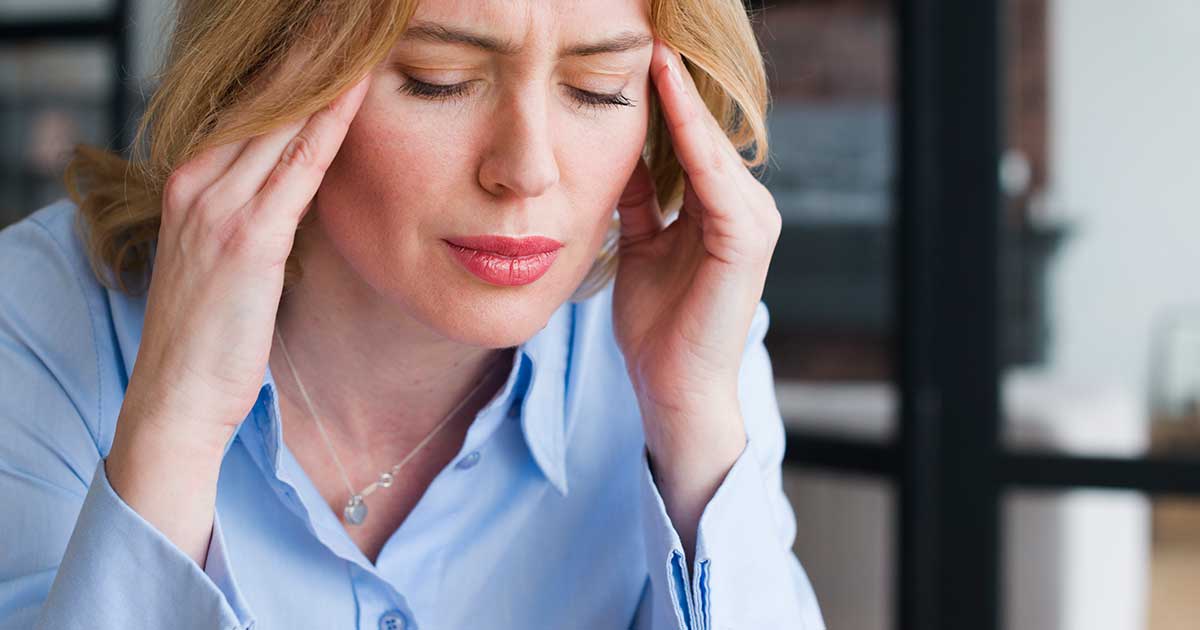
Migraines and anxiety can seem like a daunting duo to deal with, can’t they? Understanding the connection between these two conditions is crucial for anyone who has experienced the throbbing pain of a migraine or the grip of anxiety. Research shows that people who suffer from migraines often report higher levels of anxiety, and vice versa. So, what exactly ties them together? In this article, we’re diving into the fascinating connection between these two ailments, uncovering how they impact one another while also exploring some effective management strategies that could make a significant difference in your life.
Feeling overwhelmed by the symptoms of migraines and anxiety? You’re not alone! Many individuals find themselves caught in this cycle of discomfort, and knowing how they’re related can empower you to seek the right help. From understanding triggers to exploring lifestyle changes, this article is here to guide you through the maze of symptoms and solutions. Let’s untangle the complexities of migraines and anxiety together and equip you with insights that could lead to a more balanced, pain-free life!
Understanding the Link: Migraines and Anxiety Explained
When it comes to migraines and anxiety, many people feel like they are caught in a vicious cycle. It’s not uncommon for someone experiencing chronic headaches to also grapple with feelings of anxiety. In fact, research increasingly shows that these two conditions often go hand in hand. Understanding this connection can be a game-changer, helping individuals find effective ways to manage their symptoms.
So, what’s the link? One prominent theory suggests that the brain’s pain pathways are affected by anxiety, which can amplify perceptions of pain, including migraines. It’s like your brain is on a hyper-alert status, catching every little twinge or ache and sending it into overdrive. Have you ever noticed that when you’re feeling anxious, even minor headaches seem to hit harder? That’s because anxiety can trigger a heightened sensitivity to pain.
- The side effects of medications for one condition can worsen symptoms of the other.
- Stress, a common trigger for both, can lead to escalating issues.
- Changes in sleep patterns linked to anxiety can create an environment ripe for migraines.
Additionally, let’s not forget about lifestyle factors. People with anxiety may neglect self-care practices, such as hydration or regular sleep, which can directly trigger migraine attacks. It’s a bit of a double whammy! Have you found that stress-related lifestyle changes have affected your headaches?
By being aware of how migraines and anxiety are intertwined, individuals can take proactive steps in their healthcare journey. Awareness is key! Learning to recognize these connections not only enables better management but can also motivate you to seek out treatments that tackle both issues simultaneously. It’s like a two-for-one deal on symptom relief!

Common Symptoms of Migraines and Anxiety Together
When it comes to understanding the connection between migraines and anxiety, the symptoms can often overlap, leaving many feeling trapped in a cycle of discomfort. Both conditions may share common symptoms that can make it tricky to pinpoint which issue is at play. For example, have you ever noticed how a migraine can hit you right when you’re feeling anxious? It’s wild how our bodies respond to stressors!
Let’s take a closer look at some of the key symptoms that can indicate you’re experiencing migraines and anxiety simultaneously. Around 80% of those suffering from migraines report anxiety; that’s no coincidence! You might experience things like intense headaches paired with feelings of tension, restlessness, irritability, or even nausea. It’s like throwing a party for pain and anxiety, and trust us, no one wants to RSVP to that!
- Intense pain on one side of the head
- Sensitivity to light and sound
- Nausea or vomiting
- Feelings of panic or dread
- Difficulty concentrating or focusing
These overlapping symptoms can lead to increased vulnerability to both migraines and anxiety, causing a perfect storm of discomfort. It’s like your body is running a marathon but forgot how to stretch out beforehand! Feeling those symptoms and not knowing whether you’re dealing with a migraine or an anxiety attack can truly be frustrating. Have you ever felt held hostage by such a connection?
In many cases, migraines and anxiety can feed off each other, creating a vicious cycle that’s tough to break. That nasty symptom translates to greater stress which may lead to more migraines. Breaking this cycle isn’t impossible, though! Understanding the symptoms of both migraines and anxiety may help you take the steps to manage them effectively. So, why not explore what strategies could work best for you?
How Stress Triggers Both Migraines and Anxiety Disorders
Stress is like that unwanted guest you never invited to your party – it can show up unannounced and wreak havoc on your plans! When it comes to healthcare, it’s a key player that significantly influences both migraines and anxiety. You might not realize it, but the way your body responds to stress can create a feedback loop. How wild is that?
Here’s the scoop: stress doesn’t just elevate your blood pressure; it can also trigger those pounding headaches that are oh-so-familiar to migraine sufferers. In fact, many studies suggest that individuals who regularly experience stress often find themselves in a cycle where stress leads to migraines, which in turn can lead to increased anxiety. Talk about a double whammy! So, do you often feel overwhelmed when events start piling up?
Anxiety disorders also share a similar relationship with stress. The mind races, the heart pounds, and suddenly, it feels like you’re in a never-ending vicious cycle. The anxiety itself can be stressful, which could spark that migraine you just can’t shake off. Understanding this connection is crucial for managing both conditions effectively.
Interestingly, the two conditions can manifest through similar symptoms, making it challenging to differentiate them. Whether it’s tension in the head or a tightness in the chest, these overlapping symptoms can blur the lines between migraines and anxiety. This is why it’s essential to approach these issues from a holistic perspective. Have you found any techniques that help you break this cycle of stress, migraines, and anxiety?
- Stress triggers chemical changes in the brain.
- Both conditions can escalate with ongoing stress.
- Understanding the link aids in developing effective management strategies.
Exploring Treatment Options for Migraines and Anxiety Issues
Finding effective treatment options for migraines and anxiety can feel like navigating a maze, right? ️ But don’t worry; you’re not alone in this! Both migraines and anxiety share a connection that may impact how you experience each condition. Understanding this relationship can open doors to a range of treatment options that are designed to ease the burden of both issues.
When it comes to treatment, there’s no one-size-fits-all approach. Some may find relief through medication while others might benefit from therapy or lifestyle adjustments. The key? Tailoring a plan that fits your unique circumstances. Have you considered exploring both pharmaceutical and holistic options? Many people have found a blend to be particularly effective!
- Over-the-counter pain relievers for immediate migraine relief
- Prescription medications like triptans for more severe cases
- Therapies such as Cognitive Behavioral Therapy (CBT) to manage anxiety
- Relaxation techniques including deep breathing or yoga to complement treatment
For some, lifestyle changes may also play a pivotal role. This could involve tracking triggers in your diet or environment that might be causing those pesky migraines or anxiety spikes. Keeping a journal can be a game-changer! But don’t forget about the importance of self-care—getting good sleep and regular exercise can contribute tremendously to how you feel.
Lastly, it’s crucial to remember that seeking professional help can make a world of difference. Healthcare providers are equipped to offer tailored advice and might suggest a combination of treatments, ensuring that both migraines and anxiety are addressed effectively. The sooner you take action, the sooner you can find your sweet spot of relief!
Lifestyle Changes to Manage Migraines and Anxiety Symptoms
Making a few lifestyle changes can work wonders for managing migraines and anxiety. Who knew that small tweaks in your daily routine could help you feel more in control? From what you eat to how you spend your evenings, simple adjustments can pave the way for a more relaxed mind and body. And guess what? You’re not alone in this journey!
Firstly, let’s talk about diet! Eating balanced meals can significantly reduce migraine occurrences and ease anxiety levels. Incorporate foods rich in magnesium like spinach, nuts, and whole grains—these little gems can help prevent those nasty migraine attacks. Plus, staying hydrated is key! Don’t forget to drink plenty of water throughout the day. Are you staying well-hydrated?
Then, there’s exercise! Regular activity isn’t just for weight loss; it’s a fantastic way to release those feel-good endorphins. Aim for at least 30 minutes of moderate exercise most days, whether it’s a brisk walk, yoga session, or a dance party in your living room. Make it fun! Dancing off your worries can be a game-changer for managing migraines and anxiety.
Don’t underestimate the power of sleep, either! Good quality sleep is essential for mental health and can make a huge difference in migraine frequency. Establishing a solid sleep routine—like going to bed and waking up at the same time every day—can improve your sleep quality. Do you have a sleep routine that you stick to?
Lastly, don’t forget to sprinkle in some relaxation techniques! Whether it’s meditation, deep breathing, or even just spending time in nature, finding what helps you unwind is crucial for managing stress, which is often a common trigger for migraines and anxiety. So, grab some me-time and indulge in activities that help you relax. Your body will thank you for it!

The Role of Mindfulness in Reducing Anxiety and Migraines
Have you ever noticed how anxiety can creep up just when a migraine is about to hit? It’s a wild cycle that many people experience, but guess what? Mindfulness can be a game changer in breaking that cycle! ️
Mindfulness is all about being present in the moment, and it can tremendously impact your mental state when it comes to managing both migraines and anxiety. By practicing mindfulness techniques, like meditation or deep breathing, you can calm your racing thoughts and ease the tension that often leads to migraines. Imagine sitting quietly and focusing on your breath – it sounds simple, but it can really help in grounding you during stressful times!
Studies have shown that regularly practicing mindfulness can reduce anxiety levels and can even lessen the frequency and intensity of migraines. How amazing is that? By learning to observe your thoughts without judgment, you can start to recognize the triggers that lead to your migraines and anxiety. It gives you a stronger toolkit to combat these pesky problems!
- Increase your awareness of stress triggers
- Develop a more positive mindset
- Practice mindful breathing to reduce tension
So, how do you get started? Setting aside just a few minutes a day for mindfulness exercises can make a world of difference. You could try guided meditations, yoga, or even a simple walk in nature, simply tuning into the sounds and sights around you. Have you ever thought about how these small changes can help transform your overall well-being?
Incorporating mindfulness into your daily routine not only helps you tackle migraines and anxiety more effectively but also enhances your overall sense of peace. So, why not give it a shot? You might be pleasantly surprised by the impact it has on your life!
When to Seek Professional Help for Migraines and Anxiety
Recognizing the right moment to seek professional help for migraines and anxiety can be tricky! You might experience occasional headaches or bouts of anxiety, but when should you really consider reaching out to a healthcare professional? It’s crucial to identify when these symptoms start affecting your daily life. If your migraines become frequent or your anxiety feels overwhelming, don’t hesitate—it’s time to talk to someone who can help.
One clear indicator that it might be time to get professional help is when over-the-counter pain relief no longer does the trick. Are you finding yourself relying on medication more often, or dealing with side effects? This could signal a deeper issue that warrants a doctor’s opinion. Additionally, if anxiety starts interrupting your sleep patterns or daily responsibilities, it’s definitely worth seeking guidance from a mental health professional.
- If your migraines affect your job or daily routines
- If anxiety leads to panic attacks or debilitating fear
- If lifestyle changes haven’t improved your symptoms
Don’t forget that both migraines and anxiety can stem from underlying medical conditions. Feeling persistently unwell? A healthcare provider can help narrow down the causes and map out a treatment plan tailored just for you. It’s essential to remember, seeking help is a sign of strength—not weakness! So, if you’re noticing any of the red flags, don’t hesitate to chat with a healthcare professional to explore possible treatments.
Sometimes, simply having someone to talk to about your struggles can be incredibly relieving! Have you thought about how therapeutic conversations can change your perspective? The right support can reduce feelings of isolation or fear you may feel due to migraines and anxiety. It’s absolutely worth reaching out!
Final Thoughts: Exploring Migraines and Anxiety
We’ve unpacked some pretty crucial insights about the relationship between migraines and anxiety! It’s fascinating how these two conditions can intertwine, creating a cycle that might leave you feeling overwhelmed. Understanding this connection is the first step toward managing those pesky symptoms more effectively. Whether you’re recognizing common symptoms or exploring treatment options, knowledge is your best ally!
If you’ve been struggling with migraines and anxiety, remember you’re not alone, and there are many paths to relief. It might be time to consider mindfulness techniques or making lifestyle changes that can break the cycle. Have you tried any of these strategies? Finding what specifically works for you can be a game changer! Don’t hesitate to seek professional help if you need it; experts can provide strategies tailored just for you. Let’s tackle this head-on together!










