
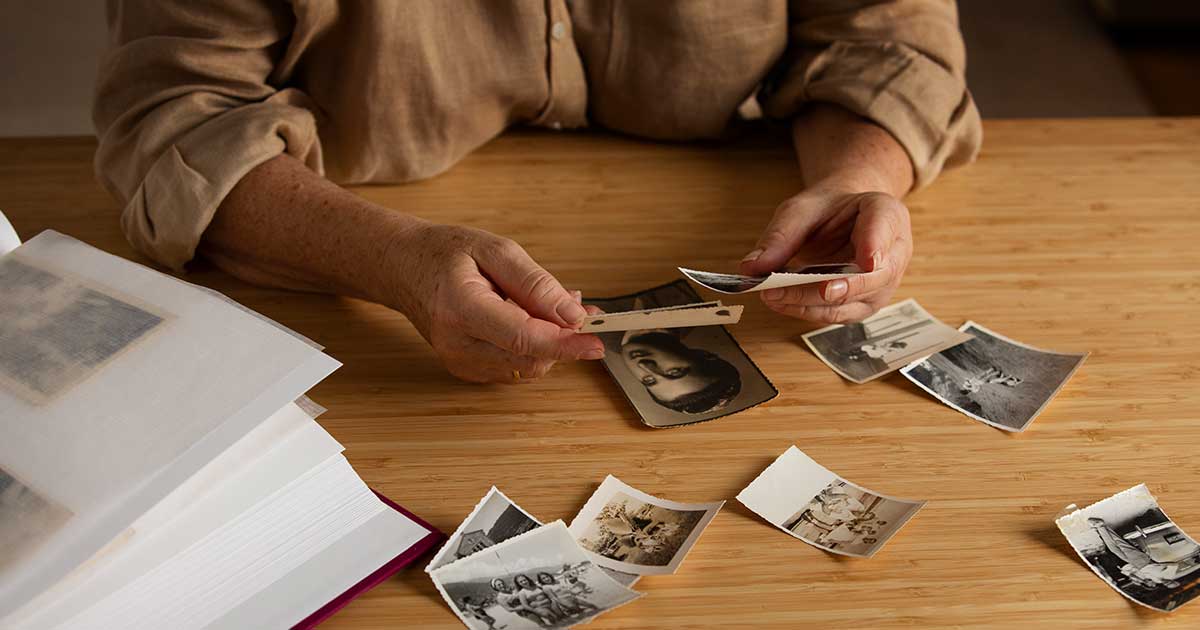
When we talk about memory hoarding, we’re diving into an intriguing phenomenon that affects many of us in today’s fast-paced world. It’s that feeling of holding onto memories, whether good or bad, that can crowd our minds and make it hard to focus. Have you ever experienced remembering every little detail from a past event, leaving no space for new moments? It can be both a blessing and a curse, but understanding this concept is the first step towards reclaiming mental clarity.
In this article, we’re going to explore what memory hoarding really means and why it can be a hurdle in our mental health journey. But fear not! We’ll also dive into practical strategies that can help you overcome this habit, allowing you to create a clearer space in your mind for new experiences. Ready to find out how to declutter those mental spaces and enjoy life more fully? Let’s get started!
Understanding Memory Hoarding: Definition and Symptoms
Memory hoarding is a fascinating yet complex phenomenon that many people might not fully understand. At its core, memory hoarding refers to the tendency to retain vast amounts of memories, often leading to emotional distress and disorganization in one’s mental space. This doesn’t just mean clutching onto treasured moments; it often extends to negative experiences or unproductive thoughts, too. Can you relate to feeling overwhelmed by a flood of memories, both good and bad? You’re definitely not alone!
The symptoms of memory hoarding can vary widely but commonly include intrusive memories, difficulty letting go of past experiences, and anxiety about forgetting important details. Imagine sifting through a cluttered attic filled with boxes, only to realize you can’t remember what’s inside or why it’s even there! These emotional and cognitive symptoms can hinder your day-to-day life, making it hard to focus on the present. How liberating would it feel to declutter that mental space?
- Intrusive thoughts that disrupt daily activities
- Feeling overwhelmed by memories—both positive and negative
- Struggling to focus on current tasks due to past recollections
- Emotional distress whenever a memory resurfaces
Understanding memory hoarding is crucial because it serves as the first step toward recovery. If you or someone you know experiences these symptoms, it’s really important to recognize that help is available! Being aware of this challenge can empower you to tackle it head-on. Isn’t it time to clear out that mental clutter and embrace a more balanced, joyful way of living? Remember, you deserve a clearer, more focused mind!

The Psychological Causes Behind Memory Hoarding Issues
Understanding memory hoarding isn’t just about the clutter of thoughts or physical items; it dives deep into the realm of our emotions and fears. So, what exactly triggers this mental phenomenon? Well, psychological causes behind memory hoarding issues can vary, and they often interconnect, making it a complex yet fascinating topic!
One major player in memory hoarding is anxiety. People often cling to memories or items because they fear losing a part of themselves. Do you sometimes find yourself unable to let go of that old concert ticket or a childhood toy? It’s like these little pieces of the past hold a significant emotional weight!
Another factor is nostalgia. While nostalgia can be a joy, it can also lead to excessive attachment. Those sweet memories? They can morph into a habit of holding on to everything that reminds you of them, even if it’s no longer relevant to your current life. Ever caught yourself scrolling through old photos to the point where it just feels overwhelming?
And let’s not forget about low self-esteem. When someone feels inadequate, they might gather memories or items as a way to validate their worth. This behavior can create a cycle that makes it tough to let go. You may think you’re preserving valuable memories, but in reality, it’s starting to weigh you down!
Lastly, trauma plays a vital role. Individuals who have experienced significant loss or upheaval may subconsciously hoard memories as a way to cope with their feelings. It’s a protective mechanism, albeit one that can obstruct genuine healing. So, how do you recognize if memory hoarding is becoming a hurdle in your life? Keep an eye out for patterns leading you to hold onto things that don’t serve you anymore!
Negative Impacts of Memory Hoarding on Daily Life
Memory hoarding can have some seriously negative effects on our daily life. Imagine waking up, feeling like your mind is cluttered just like that messy room you keep avoiding! It’s not just about forgetting things; it’s about how that clutter impacts your ability to function each day.
When you’re caught up in memory hoarding, you might find yourself struggling to focus. Tasks that used to take you minutes can feel like climbing a mountain. This can lead to a vicious cycle of stress and overwhelm, drastically affecting your productivity. Have you ever completed a task only to feel exhausted afterwards? That’s the hoarding energy drain kicking in!
Social interactions can also take a hit. You might hesitate to join conversations or avoid gatherings altogether because you fear your memory lapses could embarrass you. Relationships that matter to you might suffer due to misunderstandings and forgetfulness. Isn’t it frustrating to feel isolated just because your mind feels jam-packed?
The anxiety that comes with memory hoarding can eventually lead to more severe mental health issues like depression. The feeling of shame for not remembering things, paired with a sense of helplessness, is no small deal. It’s important to recognize that while memory hoarding can feel debilitating, you’re not alone in this. Let’s talk about how you can tackle these impacts head-on with effective solutions in the next section!
- Struggles with productivity and focus
- Social withdrawal and relationship strain
- Increased anxiety and potential depression
Effective Strategies to Overcome Memory Hoarding Patterns
Let’s dive into some effective strategies to put an end to those pesky memory hoarding patterns! Storing every little detail in your mind might feel safe, but it can lead to cluttered thoughts and confusion. So, what can you do to create a clearer mental space?
First up, practice mindfulness. Being present in the moment can significantly reduce the anxiety that comes with holding onto memories. Try simple mindfulness exercises, like deep breathing or meditation. Have you ever noticed how calming it can be to just focus on your breath? This can help you let go of the need to cling to every memory!
Next, consider keeping a memory journal. This is a super fun way to offload memories that weigh you down! By writing them down, you give yourself permission to release them from your mind. Plus, you get to reflect on and celebrate positive memories without feeling the urge to hoard them. What memories would you like to pen down?
Another awesome strategy is to set memory limits. Yes, you heard it right! Challenge yourself to only keep essential memories, and once you’ve reached your quota, it’s time to let go of the rest. You can treat it like a game: how many memories can you keep, while still enjoying life?
Finally, don’t underestimate the power of talking it out. Connect with a friend or therapist to share your thoughts on your memory hoarding. Opening up can lift a huge weight off your shoulders; who knows, it might provide new insights! Have you ever felt lighter after sharing something that was bothering you?
Embrace these strategies to tackle memory hoarding, and you’ll start to notice a shift towards a more serene and organized mind. Remember, you are not alone in this! Feel free to explore more methods and find what resonates with you for a happier mental state.

Therapeutic Approaches for Managing Memory Hoarding
Therapeutic approaches for managing memory hoarding can truly make a difference in your journey towards a clearer and more organized mind. It’s about finding what works best for you while keeping it engaging and enjoyable! Whether it’s cognitive behavioral therapy or mindfulness practices, there’s a wealth of options out there waiting to help you master your relationship with memories. Ready to explore some possibilities?
Cognitive Behavioral Therapy (CBT) is one of the popular choices when it comes to tackling memory hoarding. In a nutshell, CBT helps you identify and change the negative thoughts that contribute to your hoarding behavior. Sounds pretty neat, right? It’s about retraining your brain to recognize that holding onto every single memory or item doesn’t have to weigh you down. How liberating would it be to let go of those burdens?
Mindfulness practices also play a significant role in managing memory hoarding. Have you ever tried just sitting quietly and being aware of your thoughts without judgment? Mindfulness helps you become more aware of your feelings and the impulses to hold on to unnecessary memories. Techniques like meditation can assist you in grounding yourself and creating mental space. Give it a shot; you might just find it refreshing!
Another approach to managing memory hoarding is through support groups. Connecting with others who face similar challenges can make a huge difference. You’ll gain insights from shared experiences, and it can be comforting to know you’re not alone in this journey. Don’t hesitate to reach out and engage with supportive communities. They can be your cheerleaders as you take steps toward decluttering your mind!
- Individual therapy sessions for personalized attention
- Group workshops to share experiences and techniques
- Mindfulness techniques like meditation and deep breathing practices
Resources for Support and Recovery from Memory Hoarding
Finding your way through the fog of memory hoarding can be overwhelming, but fear not—help is at hand! There are a plethora of resources out there designed to support you on your journey to recovery. Whether you’re looking for understanding from professionals or the comfort of a supportive community, it’s vital to know that you don’t have to tackle this alone.
First off, consider connecting with a therapist who specializes in memory hoarding. Their expertise can provide a personalized approach to unravelling your feelings and behaviors tied to hoarding memories. Don’t know where to start? Check local mental health directories or even reach out to community clinics—many offer sliding scale fees for therapy.
Community support groups can also be a game-changer! Imagine sitting down with others who get it—sharing experiences, tips, and laughter! It’s like finding your tribe of understanding souls. Look for groups on platforms like Meetup or Facebook where people share similar struggles. What do you think the atmosphere in such a group might be like? Just imagine the support!
Online forums are another fantastic resource. Websites such as Reddit have dedicated threads where individuals discuss memory hoarding. These anonymous spaces provide a casual environment to share your thoughts and learn from others’ journeys. You can even ask questions and get advice from people who have walked the same path you’re on.
Don’t overlook the power of self-help books and podcasts focused on memory hoarding. These mediums can empower you with strategies and insights that resonate with your personal narrative. Plus, podcasts are a great way to learn while keeping your hands busy—perfect for multitasking, right?
In summary, there are numerous avenues for support and recovery from memory hoarding. Don’t hesitate to explore therapy, community groups, online forums, and various media channels for guidance. With the right tools and support system, you’re setting yourself up for success on your journey toward mental clarity!
Final Thoughts: What is Memory Hoarding and How to Overcome It
As we wrap things up on the topic of memory hoarding, it’s essential to recognize that reclaiming your mental space can lead to a more vibrant, fulfilling life. Understanding memory hoarding isn’t just about grasping its symptoms and causes; it’s about embracing the journey towards a clearer, healthier mindset. Are you already feeling a bit lighter thinking about the steps you can take?
You shouldn’t have to go through this alone! With practical strategies and therapeutic approaches discussed, you now have tools at your disposal to combat these patterns. Remember, healing takes time—the important thing is to be patient and kind to yourself throughout the process. Don’t hesitate to reach out for support, whether it’s a friend or mental health professional there to lend a helping hand. You’ve got this!










