
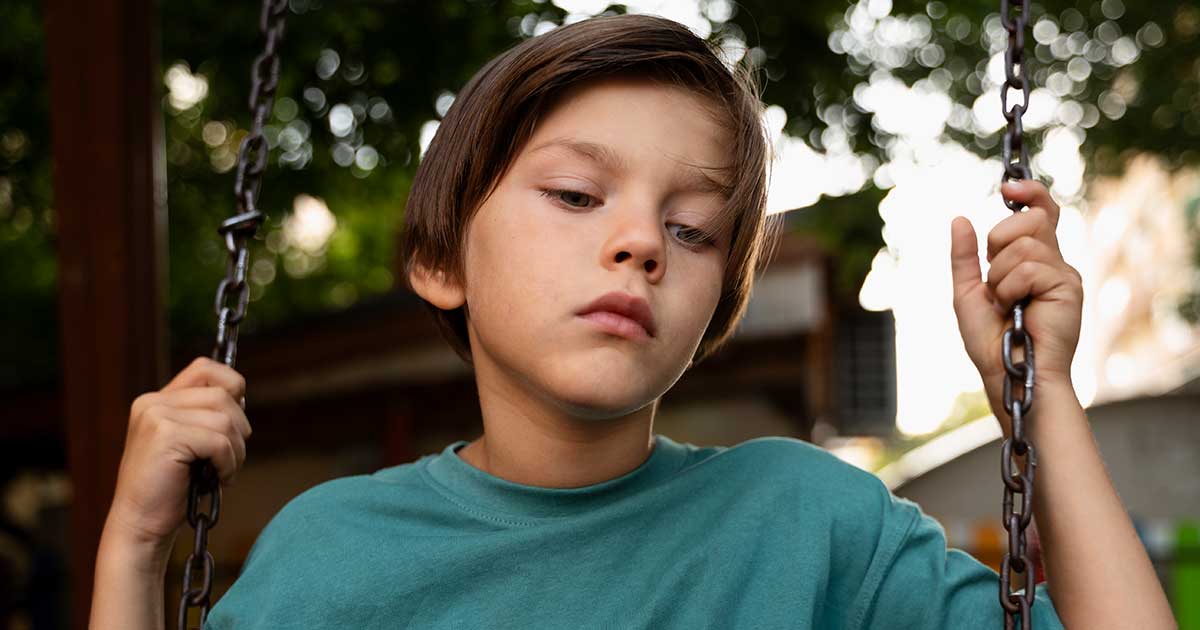
Overcoming abandonment issues from childhood can feel like a colossal challenge, but guess what? It’s absolutely doable! Many people carry these deep-seated feelings from their early years, affecting their relationships and self-esteem throughout life. Whether it’s the pain of a parent leaving or feeling neglected, the impact of abandonment can create a complex web of emotions that can trip us up, time and again. But you’re not alone in this fight! Let’s explore some practical and effective strategies to help you break free from the chains of your past.
It’s time to unravel the emotional baggage and discover a brighter, more fulfilling life! Have you found yourself repeatedly struggling with trust or fearing intimacy? You’re not alone. In this article, we’ll share insights on how to overcome abandonment issues from childhood, turning those old wounds into stepping stones for personal growth. This is your opportunity to change the narrative—so get ready to embrace the tools and techniques that will empower you on your journey to healing and happiness! Let’s dive right in!
Understanding Abandonment Issues and Their Origins
Think about it—abandonment issues often stem from our earliest experiences. It’s fascinating yet a bit painful to realize how these deep-seated feelings can shape our adult relationships, right? Understanding where these feelings come from is the first step toward learning how to overcome abandonment issues from childhood.
Typically, abandonment issues originate from pivotal moments in childhood, such as losing a parent, experiencing neglect, or even undergoing parental separation. These events can instill a fear of rejection and connection that follows you into adulthood. Have you ever felt a wave of anxiety just thinking about someone leaving? You’re not alone!
It’s like carrying around a heavy backpack filled with emotional bricks. The weight can be overwhelming, but the best part is that you’re not stuck with it forever! Reflecting on these origins can provide clarity and empower you to seek healthier relationships later on. Just think of how freeing it would be to let go of that fear!
- The role of childhood trauma in shaping emotional responses.
- How emotional neglect can lead to feelings of unworthiness.
- The significance of consistency and love during formative years.
Understanding that these issues rooted in childhood are not your fault can be liberating! They are part of a story you can change. By acknowledging the past and its impact, you can chip away at those emotional barriers. What if the key to unlocking healthier relationships lies in reframing your past experiences?
So, as you dive deeper into understanding abandonment issues and their origins, remember: knowledge is power! By shedding light on these complex feelings, you’re taking the first big step toward emotional recovery. And that, my friend, is something to celebrate!

Identifying Signs of Abandonment Issues in Adults
Identifying signs of abandonment issues in adults can feel overwhelming, but recognizing them is the first step toward healing! These issues often stem from childhood and can manifest in various ways throughout our lives. Have you ever noticed feelings of extreme insecurity in your relationships? Or perhaps a constant fear that your loved ones might leave you? These could be red flags that something deeper is going on.
People with abandonment issues might often display certain behaviors. For instance, they may cling to relationships out of fear, or alternatively, they could push others away to avoid getting hurt. It’s like an emotional see-saw, swinging between fear of being alone and the urge to isolate oneself! Have you found yourself caught in this cycle?
- Feelings of worthlessness or inadequacy
- Difficulty trusting others
- Intense fear of being alone or abandoned
- Difficulty in forming or maintaining relationships
- Extreme reactions to perceived rejection
Moreover, some adults may express their abandonment issues through anger or rage when they feel threatened in their relationships. It’s a hefty emotional load to carry! Recognizing these signs is crucial because awareness fosters growth. By understanding how abandonment issues influence your behavior and relationships, you can begin the process of overcoming abandonment issues from childhood and pave the way for a healthier emotional landscape.
The beauty of identifying these signs is that it opens the door to conversation and healing! So, if you catch yourself in the dilemma of fearing loss or pushing people away, don’t forget, you’re not alone. This awareness could be the spark you need to start your healing journey. Are you ready to take the first step?
Effective Strategies to Overcome Abandonment Issues
Tackling abandonment issues can feel daunting, but guess what? You’ve got some amazing strategies at your disposal! From understanding your emotions to practical exercises, these methods can really help you overcome abandonment issues from childhood and pave the way for a brighter future.
First up, let’s chat about self-awareness. Recognizing your triggers is crucial! Have you ever noticed how certain situations or interactions can send you into a tailspin of anxiety or distress? Being aware of these patterns empowers you to address them head-on. Keep a journal to jot down your feelings and reactions – it’s like having a personal roadmap to understand your emotional landscape better!
Next, consider incorporating mindfulness practices into your daily routine. Mindfulness can be a game-changer when it comes to grounding yourself in the present moment. When feelings of abandonment creep in, try deep breathing exercises or meditation to calm that racing mind. ️ Who doesn’t love a little zen time?
Another effective strategy is joining support groups or seeking therapy. Connecting with others who share similar experiences can provide validation and comfort. It’s like having a squad cheering you on as you work through your feelings! Whether it’s group therapy or online communities, having that sense of belonging can be vital in your healing process.
Lastly, practice self-compassion. There will be days when you feel overwhelmed or backtrack in your progress, and that’s completely okay! Instead of spiraling into self-criticism, remind yourself that healing takes time. Start by treating yourself as you would a dear friend – with kindness and understanding.
- Recognize your emotional triggers
- Practice mindfulness daily
- Join support groups or seek therapy
- Embrace self-compassion
So, which strategy resonates with you the most? Remember, overcoming abandonment issues from childhood isn’t an overnight process, but with patience and these effective tools, you’ll be well on your way to a healthier, happier you!
Therapeutic Approaches for Healing Abandonment Wounds
Therapeutic approaches for healing abandonment wounds can really open up a new chapter in your life! Whether it’s talk therapy, art therapy, or something as unique as equine therapy, each method shines a light on the underlying issues that contribute to feelings of abandonment. Have you ever felt like certain memories haunt you even when you’re trying to move on? These inch-deep-seated emotions can resurface, affecting your relationships and self-worth. That’s where these therapies step in!
One popular approach is Cognitive Behavioral Therapy (CBT). It focuses on changing the negative thought patterns that fuel feelings of abandonment. The therapeutic process encourages you to challenge those thoughts and replace them with constructive ones. Can you imagine the freedom that comes with seeing yourself in a positive light? Many find it incredibly empowering!
Another effective method is Eye Movement Desensitization and Reprocessing (EMDR), especially helpful for those dealing with trauma-related abandonment issues. By using guided eye movements, EMDR helps you process distressing memories more healthily. This can lead to a reduction in the emotional charge associated with those memories. Sounds intriguing, right?
You might also want to explore group therapy. Sharing your experiences with others who have faced similar challenges can create an incredible sense of community and understanding. The connections formed in these environments often lead to learning valuable coping strategies through shared experiences. Who doesn’t love the feeling of being part of a supportive group?
- Experiential Therapy: This involves expressing feelings through activities like writing or art.
- Attachment-Based Therapy: Focuses on improving relationships and addressing attachment styles.
- Mindfulness Practices: These aim to enhance self-awareness and emotional regulation.
Incorporating one or more of these therapeutic methods can significantly help you overcome abandonment issues from childhood. Healing takes time and effort, but remember, you’re not alone on this journey. Are you excited to find the approach that resonates best with you? Recovery is absolutely achievable and can lead to a fulfilling, peaceful life!
Building Healthy Relationships After Abandonment Trauma
Building healthy relationships after experiencing abandonment trauma can sometimes feel like climbing a mountain, right? But fear not! With some conscious effort and self-awareness, it’s absolutely possible to form connections that are not only fulfilling but also deeply enriching. Start by recognizing that your past doesn’t dictate your future. In fact, every day is a fresh opportunity to create positive bonds!
It’s crucial to practice effective communication in your relationships. Sharing your feelings can be a game-changer! ️ Have you ever found yourself feeling misunderstood or anxious during conversations? By being open about your feelings and thoughts, you invite your partner or friends to understand where you’re coming from. This mutual understanding can help ace your journey of overcoming abandonment issues from childhood.
Another helpful strategy is to set healthy boundaries. It might feel a bit foreign at first, especially if you’re accustomed to people overstepping. But remember, boundaries are about respecting both yourself and others. Make it a point to express what feels comfortable for you and what doesn’t. Trust me, this can fortify your relationships and reduce the fear of abandonment.
Also, don’t shy away from vulnerability! It can be scary to open up about your past, but embracing vulnerability can build trust and closeness with others. The magic really happens when you allow yourself to be seen. So, grab that courage and share your story! You might be surprised at how many can relate, which can foster even deeper connections.
- Practice open communication.
- Set and respect healthy boundaries.
- Embrace and share your vulnerabilities.
In conclusion, every relationship is a chance to rewrite old narratives. By staying mindful and intentional about your connections, you can truly thrive despite your past traumas. Remember, you’re not alone on this journey—embracing new relationships is within your reach!

Practical Self-Help Techniques for Emotional Recovery
Emotional recovery isn’t a one-size-fits-all kind of deal, but there are practical self-help techniques that can work wonders for those looking to overcome abandonment issues from childhood. Let’s face it, tackling emotional baggage requires some serious effort, but you can absolutely do it! So, what can you do right now to start feeling better?
One effective approach is journaling. This technique allows you to parade those swirling thoughts and feelings onto paper. Have you ever noticed how just writing about your experiences can bring a sense of relief? It’s like a mini therapy session! Try setting aside 10-15 minutes daily to jot down your thoughts. You’ll be amazed at how much clearer your mind feels!
Another handy technique is practicing mindfulness and meditation. Taking time to connect with your breath and become aware of the present moment can really help ground you. Meditation apps are a fantastic way to get started, with guided sessions available for beginners. How cool is it that just a few minutes spent focusing on your breath can make such a difference in your day?
Let’s not forget about self-care! Regular exercise, maintaining a healthy diet, and getting enough sleep can significantly lift your mood and help stabilize emotions. Ever thought about joining a yoga class or going for a nature walk? These activities not only help your body but also calm your mind, creating that sweet balance you need.
- Journaling to express emotions and thoughts.
- Mindfulness and meditation for grounding.
- Regular exercise to boost mood and resilience.
- Healthy eating habits for enhanced emotional stability.
- Engaging in hobbies that make you happy.
Remember, emotional recovery is a journey, and you’re not alone on this path! Surrounding yourself with supportive friends or joining support groups can be incredibly beneficial. So, are you feeling ready to put some of these techniques into action? Let’s rock this recovery together!
Common Questions
How do you get rid of childhood abandonment issues?
Getting rid of childhood abandonment issues often requires a combination of self-help strategies and professional therapy. Engaging in self-reflection can help individuals understand the roots of their feelings, while practicing mindfulness can aide in grounding one’s self in the present moment rather than dwelling in past experiences. Establishing a strong support system with friends and family can also be invaluable. For many, seeking therapy—particularly cognitive behavioral therapy (CBT) or dialectical behavior therapy (DBT)—can provide tools for addressing and reframing abandonment-related thoughts and emotions.
What is the root cause of fear of abandonment?
The fear of abandonment can often be traced back to early life experiences, particularly in childhood, where consistent emotional support and attachment may have been lacking. Situations such as neglect, inconsistent caregiving, or trauma can lead to an ingrained anxiety about being left behind or abandoned later in life. These formative experiences shape how individuals perceive relationships, leading to an overwhelming fear that others might leave them, often manifesting in insecurities and attachment issues throughout adulthood.
How do you overcome childhood emotional abandonment?
Overcoming childhood emotional abandonment typically involves acknowledging and processing the feelings tied to those experiences. Therapy can be an important avenue for healing, as it offers a safe space to explore past traumas and their lasting impacts. Cognitive restructuring, which helps individuals challenge and change unhelpful thought patterns, can be particularly beneficial. Additionally, developing emotional resilience, learning self-compassion, and fostering healthy relationships can gradually replace the feelings of inadequacy and unworthiness associated with emotional abandonment.
What is the therapy for abandonment issues?
Therapies to address abandonment issues can vary, but some of the most effective approaches include cognitive-behavioral therapy (CBT), which focuses on identifying and altering negative thought patterns, and attachment-based therapy, which explores how past attachment styles influence present relationships. Dialectical behavior therapy (DBT) can also be helpful, as it teaches skills in emotional regulation and interpersonal effectiveness. Additionally, trauma-focused therapies may assist those with severe emotional disruptions rooted in abandonment, providing targeted strategies for coping with trauma and enhancing emotional well-being.
Resources and Support for Overcoming Childhood Trauma
When it comes to overcoming abandonment issues from childhood, knowing where to find support is crucial. It’s like having a toolbox packed with amazing resources that can truly help you heal! There are countless avenues to explore that can provide the guidance and understanding you need on this journey.
Therapists and counselors are your best friends in this process. They can offer tailored strategies and emotional support, helping you connect the dots between past experiences and present feelings. Have you considered reaching out to a professional? It can be a game changer! Moreover, various online therapy platforms make it super easy to access help from the comfort of your home.
- Support Groups: Joining a support group can create a sense of community. It’s a great way to share experiences and learn from others who are also working through similar issues.
- Books and Podcasts: There’s a wealth of literature and podcasts focused on childhood trauma. These can provide insights and personal stories that resonate with your experiences, making you feel less alone.
- Online Resources: Websites dedicated to mental health often feature articles, webinars, and forums where you can find valuable information and connect with others.
Don’t underestimate the power of self-help techniques, too! Mindfulness, journaling, and even meditation can be fantastic tools to help you process your emotions and build resilience. Every little step counts, right? Remember, healing is a journey, and it’s absolutely okay to ask for help along the way. You’re not in this alone!
Lastly, check out local community resources that may offer workshops or seminars focused on trauma recovery. Sometimes, in-person support can really make a difference. The more tools you have, the better prepared you’ll be to overcome abandonment issues from childhood and live a fulfilling life!
Final Thoughts: How to Overcome Abandonment Issues from Childhood Effectively
Learning to overcome abandonment issues from childhood is an empowering journey that can lead to a brighter future. By understanding the roots of these feelings and actively working to heal, you can break free from the shadows of your past. How amazing is that?
With the right strategies and support, stepping into a life filled with love and confidence is entirely possible. Remember, healing takes time, and it’s okay to seek help. Have you tried any of the techniques discussed in the article? Sharing your experiences might just inspire someone else. Let’s keep this conversation going and support one another in this journey toward recovery!










