
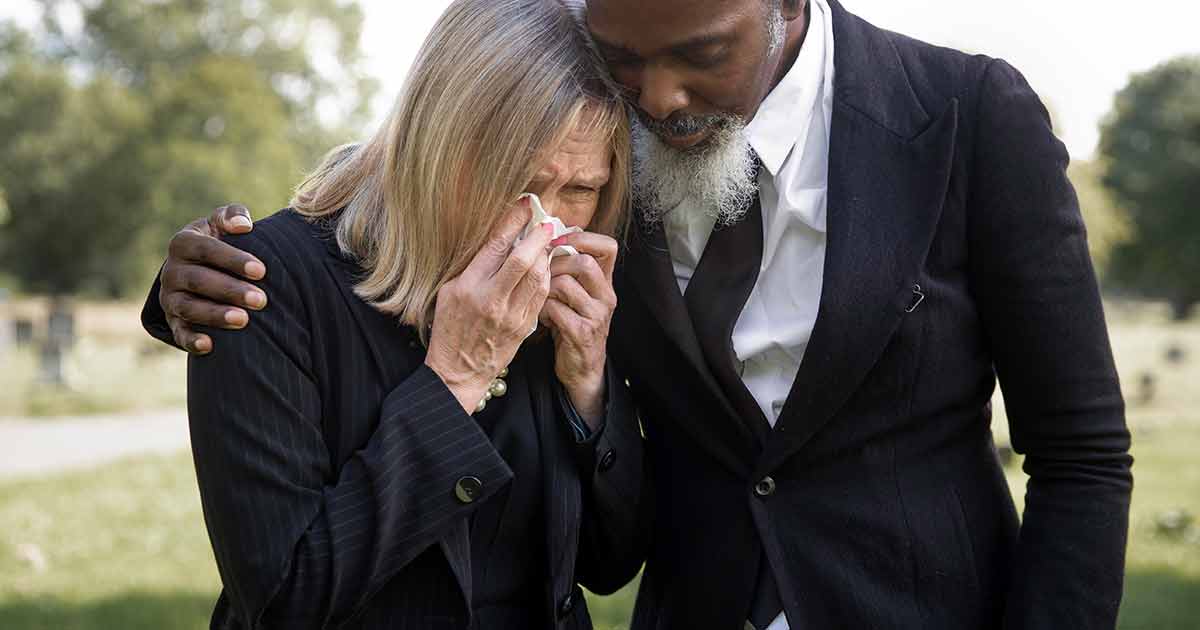
When we talk about loss, one of the burning questions that comes up is, how long does grief last? It’s a universal experience, yet it can feel so isolating. Grief is a journey filled with a rollercoaster of emotions that can hit us hard at any time. Whether it’s the loss of a loved one, a relationship, or even a job, understanding the duration of grief can help us navigate these turbulent waters.
So, what does the timeline of grief look like? Is there a ‘normal’ duration? Well, grief isn’t one-size-fits-all; it varies for each individual. Some folks may start to heal in a few weeks, while for others, it can take months or even years. It’s perfectly okay to feel the weight of grief at your own pace! Let’s dive into the insights and support that can empower you to cope, heal, and ultimately find hope amid the pain. Together, we’ll explore this deeply personal aspect of life and illuminate how to approach our unique paths toward recovery.
Understanding Grief: What Is It and Why It Occurs?
Grief is such a natural part of being human, isn’t it? It’s an emotional response to loss, often triggered by the death of a loved one but can also stem from other life changes, like a breakup or the loss of a job. Understanding what grief really is can help destigmatize those feelings, making it easier to navigate through the journey. It’s essential to recognize that everyone experiences grief differently, and there’s no ‘right’ way to feel.
At its core, grief is a deep emotional pain, a powerful reflection of love and connection. It’s your heart’s way of processing the absence of someone or something important in your life. Want to know why it happens? Well, our brains and bodies respond to loss with a variety of emotions—sadness, anger, confusion—often making it feel overwhelming. And that’s totally okay! It’s part of the healing process.
Interestingly, grief can show up in unexpected ways. It might mean constant reminders of the lost connection or even physical symptoms like fatigue and changes in appetite. Isn’t it fascinating how a feeling can affect us both emotionally and physically? Knowing this, it’s crucial to give yourself grace, patience, and time as you work through these feelings.
- Emotional response to loss
- Unique to each individual
- Psycho-physical reaction
In essence, understanding grief is about acknowledging that it exists and is a normal reaction to loss. If you ever feel like your grief is completely consuming you, remember you’re not alone. Countless people share similar feelings during their grieving process. So, how long does grief last? That’s the tricky part! Let’s dig into that next!

The Stages of Grief: How They Shape Our Experience
The stages of grief are like the twists and turns of a rollercoaster ride—full of ups and downs, surprises, and moments of calm. Understanding these stages is super important because they help us comprehend our feelings as we navigate through loss. Each stage plays a distinct role in how we cope, and let’s face it, grief can throw us for a loop! Have you noticed how one moment you might feel angry and the next, utterly sad?
These stages, often identified as denial, anger, bargaining, depression, and acceptance, don’t always occur in a linear fashion. You might zigzag between them, feeling different emotions at different times. It’s totally normal! What’s crucial is recognizing that everyone processes grief on their own timeline. This brings us to the big question: how long does grief last? Each person’s experience is unique, and understanding that can foster healing.
- The denial stage often acts as a buffer, protecting us from the initial shock of loss.
- Then comes anger, where frustration can surface at proximate individuals or even at ourselves.
- During the bargaining phase, we might find ourselves thinking, ‘If only I had done this…’
- The depression stage may follow, engulfing us in a heavy feeling of sadness.
- Finally, we reach acceptance, where we slowly learn to live with our loss.
Recognizing these stages can really help in understanding our emotional journey. Why is it that some days feel heavier than others? And why do you feel okay one moment but can’t stop crying the next? The stages of grief highlight that emotional upheaval is part of the healing process. You’re not alone in this! Many people journey through these stages and find their way out, eventually.
As we process grief, it’s so important to be kind to ourselves! Remember, about how long does grief last really depends on individual circumstances, and that’s perfectly okay. Embrace your emotions, share your thoughts, and allow yourself to heal in your own way. After all, grief is a personal experience, and there’s no predefined timeline that we must adhere to.
Factors That Influence the Duration of Grief Feelings
Grief is a deeply personal experience, and its duration can be influenced by a myriad of factors. So, how long does grief last? This question doesn’t have a one-size-fits-all answer. Each person’s journey through grief is unique, shaped by various aspects of their life and emotions. It’s essential to recognize that external and internal factors both play a significant role in how grief manifests and how long it lingers.
For instance, the relationship you had with the person you’ve lost can greatly affect the grieving timeline. Losing a spouse or a child often leads to more profound and prolonged grief than the loss of an acquaintance. Likewise, unexpected losses tend to hit harder, making it tougher to navigate the path of healing. Isn’t it amazing how deeply our bonds impact our emotions?
Another significant player is your personal coping style. Some folks might express their emotions openly, while others may bottle them up. The way you handle your feelings can influence your grief duration. Plus, your support system is crucial! Having friends, family, or professional support can make a world of difference. So, have you thought about who you lean on during tough times?
- The nature of the loss (unexpected, prolonged illness, etc.)
- Prior experiences with grief
- Current stressors in life (financial, relational, etc.)
Finally, your mental health history can’t be overlooked. Those who have dealt with anxiety or depression may find themselves struggling more in the face of loss, as these feelings can intensify grief. In summary, understanding these factors can empower you to navigate your grief journey with more clarity. Remember, it’s okay to ask for help and seek guidance whenever you feel overwhelmed!
How Long Does Grief Last? Insights from Experts
When it comes to understanding how long does grief last?, there’s no one-size-fits-all answer. Experts often describe grief as a deeply personal journey, with its duration dependent on various factors like the nature of the loss, your relationship with the departed, and even personal coping mechanisms. So, how do these elements blend together?
According to professionals, while some people may start to feel some relief in a few months, others may face a more extended period of mourning. This variability can be frustrating; after all, there’s no timeline for grief! It’s essential to recognize that pressure to ‘move on’ or ‘get over it’ can add to the emotional chaos. Have you ever felt that pressure?
Experts agree that grief is not a linear process. You might experience days where you feel fine, only to be hit with a wave of sadness out of nowhere. This can make it challenging to pinpoint an exact timeframe. Seasons, anniversaries, or even a simple song can trigger memory floods that leave you feeling as if you’ve only just begun to grieve. It’s all part of the process!
- The type of loss you experienced
- The support systems in place
- The coping mechanisms you utilize
In summary, while some might quote averages or studies about grief duration, it’s crucial to emphasize individuality. The key takeaway? Give yourself grace and acknowledge your unique journey. If you’re curious about how to help yourself or someone else in this process, keep reading for tips and tricks to navigate the waters of grief!
Common Signs and Symptoms of Extended Grief
Extended grief can often feel like a heavy cloud hanging over us, obscuring the joy we once felt. Some common signs that you might be experiencing this prolonged sorrow include persistent feelings of sadness, anger that never seems to fade, and an overwhelming sense of longing for the person you lost. But wait—these feelings aren’t just unusual; they’re quite common! Have you noticed how some days seem brighter than others when coping with grief?
Physical symptoms can manifest too, which is something many people overlook. Some folks might experience fatigue, headaches, or even a change in appetite. It’s like our bodies are responding to our emotional state, almost as if they’re saying, “Hey, we need to address this together!” So, if you find yourself feeling unusually tired or eating way more than usual (or even way less!), you’re not alone in this.
Mental and Emotional Signs
Emotionally, you may find yourself feeling disconnected from friends and family, or struggling to find joy in activities you once loved. This feeling of isolation can be tough! Have you ever stopped to think, “Is this normal?” Remember, just like you navigate through the stages of grief, it’s completely okay to feel this way after a loss. If these emotions last for months or seem to worsen, it might be a sign that you’re facing extended grief.
- Persistent sadness or crying spells
- Unresolved anger or frustration
- A feeling of isolation from loved ones
- Difficulty concentrating or making decisions
- Changes in sleep patterns
Noticing these symptoms is the first step toward understanding your journey with grief. It’s vital to recognize that how long does grief last? varies from person to person, and what you’re feeling is both valid and real. Acknowledging where you are in this process can help you take those baby steps toward healing!

Healthy Coping Strategies During the Grieving Process
Experiencing grief is tough, and finding healthy coping strategies during the grieving process can make all the difference! Did you know that these strategies not only help you navigate through sadness, but they can enhance your overall wellbeing? Let’s dive into some effective ways to cope that really work!
First off, expressing your emotions is key! Whether it’s writing in a journal, talking to a friend, or even doing some art, sharing what you’re feeling can be incredibly therapeutic. Have you tried journaling? It’s a fantastic way to release pent-up emotions and gain clarity.
- Engage in physical activity: Go for a run, join a yoga class, or dance like nobody’s watching. Movement boosts your mood!
- Practice mindfulness: Try meditation or deep-breathing exercises. Focusing on the present can soothe your mind.
- Maintain a routine: Keeping a daily schedule can provide structure and a sense of normalcy during turbulent times.
Another important element to consider is social support. Surrounding yourself with loved ones can provide comfort and understanding. Sometimes just knowing you’re not alone in your feelings, can help you face the day. Have you reached out to someone who can listen?
Remember, it’s perfectly okay to seek professional help if things feel too overwhelming. Therapists and counselors can provide you with coping tools tailored to your needs. Embracing your feelings and facilitating healing through professional guidance is a strong move in your journey. And don’t forget, how long does grief last? It varies for everyone, but equipping yourself with healthy strategies can truly foster a pathway to recovery!
Common Questions
How long does grief exhaustion last?
Grief exhaustion can vary significantly from person to person, as it often depends on individual coping mechanisms, the nature of the loss, and the support system available. Generally, feelings of exhaustion during the grieving process can last weeks to several months. Initially, one might experience a rollercoaster of emotions that can be draining, leading to mental, physical, and emotional fatigue. Over time, many individuals find that these feelings lessen, but they may still resurface even years later during anniversaries or significant life events.
What are the 5 stages of grief?
The five stages of grief, as outlined by Elisabeth Kübler-Ross, include denial, anger, bargaining, depression, and acceptance. Denial acts as a buffer, allowing the individual to process shock and protect themselves emotionally. Anger follows as a response to feelings of helplessness, often directed towards oneself, others, or even the deceased. Bargaining involves a struggle to find meaning, often characterized by ‘what if’ statements. Depression is a natural stage where sadness engulfs the individual, while acceptance represents a point where one begins to negotiate with the reality of loss and find a way to move forward.
Why does grief hurt so much?
Grief can be profoundly painful because it represents a significant loss of love, connection, and future expectations. This emotional pain can trigger physical sensations, akin to suffering from a wound, as the body and mind process the overwhelming feelings of sadness and longing. Additionally, grief often brings about feelings of loneliness and helplessness, which exacerbate the pain. The human brain is wired to form attachments, and when those attachments are severed, the resulting void can create a deep sense of heartache that takes time to heal.
What not to do while grieving?
While grieving, it’s important to avoid suppressing feelings or isolating oneself completely, as this can prolong the healing process. Engaging in unhealthy coping mechanisms, such as excessive alcohol consumption or other addictive behaviors, can hinder emotional recovery. Additionally, avoiding discussions about the loss or the loved one can lead to unresolved feelings. Instead, allowing oneself to feel emotions, seeking support from friends, family, or professionals, and honoring memories can foster a healthier grieving process.
Support Systems: Navigating Grief with Help from Others
Navigating through grief can feel like an overwhelming journey, and having a solid support system is key to managing those heavy emotions. Friends, family, support groups—these are all invaluable resources that can lift us up during our toughest times. Have you ever considered how important it is to lean on others when you’re in pain? Connecting with those who care about you can make all the difference!
Grieving doesn’t have to be a solitary endeavor. Sharing your feelings with someone who understands can provide not just comfort, but also various perspectives on how long does grief last? Sometimes, it can be helpful to hear from others who have walked a similar path. Do you have friends or family members who can be that listening ear? It’s truly remarkable how just talking it out can ease our burdens.
- Join a grief support group—getting involved with people who understand your sorrow can feel so liberating!
- Consider professional counseling—sometimes, having a trained expert help you through your feelings is essential.
- Don’t shy away from reaching out—whether it’s a text, a phone call, or a cup of coffee, connection counts.
Building a support system isn’t just about surviving; it’s about growing and healing together. Encourage those around you to share their grief experiences too. You may find that solidarity fosters a deeper connection and mutual understanding. So next time you feel overwhelmed by the weight of loss, remember—you’re definitely not alone in this. Let’s face grief together, one step at a time!
Lastly, remember that it’s perfectly okay to not be okay! Your support system can offer reassurance that fluctuating emotions are part of the grieving process. Encourage open conversations about how long does grief last, since each experience is unique and valid. In times of sorrow, let joy be reborn through the kindness and support of those around you.
Final Thoughts: How Long Does Grief Last?
Understanding how long does grief last is crucial as it offers both clarity and comfort during a challenging time. Grief isn’t a neat and tidy process; it’s unique for everyone, influenced by personal experiences and relationships. So, whether you’re in the midst of it or supporting someone who is, remember that feelings of loss can ebb and flow, often surprising us along the way.
It’s essential to give yourself the grace to feel all those emotions—anger, sadness, even moments of joy. And don’t hesitate to reach out for support; talking about your grief can be healing and vital. Have you noticed changes in your grief experience? Keeping an open dialogue with friends, family, or professionals can make a world of difference. Plus, adopting healthy coping strategies as outlined in the article can help you navigate through this tough journey, allowing you to honor your feelings while also beginning to heal.










