

Bipolar disorder is a complex mental health condition that significantly influences how a person thinks and feels. Understanding the nuances of bipolar disorder can unlock fascinating insights into the thought processes of those affected. What might seem like typical emotional fluctuations to some can actually be profound shifts in perspective for individuals navigating this condition. Curious about what goes on in their minds?
Delving into the cognitive patterns and emotional responses associated with bipolar disorder reveals a tapestry of experiences defined by highs and lows. During manic phases, thoughts can race, leading to bursts of creativity or energy. In contrast, depressive episodes may cloud judgment and sap motivation. This article is all about providing you with valuable perspectives that can shape your understanding and compassion towards those living with this disorder. Let’s explore the rich complexity of how bipolar disorder affects thinking and what it means for both individuals and the people who support them.
Understanding the Unique Cognitive Patterns in Bipolar Disorder
When we explore the unique cognitive patterns in bipolar disorder, we dive into a fascinating world of alternating thought processes. Isn’t it intriguing how the brain can be a jungle gym of ideas during a manic phase and a quiet library during depression? Understanding these shifts not only broadens our perspective on bipolar disorder but also strengthens our empathy for those living with it.
During manic episodes, many individuals experience an invigorating surge in energy and creativity. Ideas flow faster than a rushing river! They may feel that their minds are sharper and more intuitive, making them highly productive. However, this heightened state can lead to racing thoughts, where it becomes difficult to focus on a single concept. Ever notice someone jumping from one topic to another? That’s a classic hallmark of this cognitive pattern.
On the flip side, when someone is experiencing a depressive phase, their thinking can be clouded by negative thoughts, reduced motivation, and a sense of hopelessness. In this phase, simple decisions may feel monumental. It’s heartbreaking, isn’t it? Understanding these cognitive extremes can help friends and family provide much-needed support and recognize that it’s not merely ‘a mood swing’—it’s about how the brain is functioning at that moment.
- The brain operates differently during manic and depressive episodes.
- Individuals may struggle with focus during manic phases due to racing thoughts.
- Negative thought patterns can dominate during depressive phases.
Recognizing these cognitive patterns in bipolar disorder can also contribute to effective strategies in communication and support. When you understand that a loved one is not just ‘being difficult’ but is navigating a stormy sea of thoughts, it opens the door to compassion. So, are you ready to learn more about how these thought processes influence emotions and decisions?

Emotional Responses and Decision-Making During Mood Episodes
Emotional responses and decision-making can feel like a rollercoaster when navigating through mood episodes in bipolar disorder! During these times, the blend of intense emotions can significantly influence the choices that a person makes. Ever notice how that sudden surge of euphoria or deep sadness can flip the script on what you thought was a solid decision? It’s fascinating—yet complicated!
During manic episodes, individuals might find themselves making decisions that seem thrilling at the moment but can lead to consequences later on. Think impulsive spending, spontaneous travel plans, or even unplanned relationships! The euphoric state feels amazing, but how often do they consider the aftermath? It’s like being on a high-speed train without a clear destination, right?
Conversely, during depressive phases, the decision-making process can become sluggish and overwhelming. Choices that might seem simple to someone else can feel like climbing a mountain. A person might struggle to even choose what to wear, let alone make major life decisions. It’s essential to understand that these emotional responses are deeply intertwined with the bipolar disorder experience.
- Heightened emotions lead to impulsive decisions during mania.
- Depression can make even simple choices feel monumental.
- Awareness of these patterns can help in managing decisions.
Recognizing these emotional triggers is vital! By acknowledging how mood shifts impact decision-making, others can offer better support and understanding. Have you seen this in your interactions with those affected? Emotional awareness can be a game-changer in fostering more compassionate relationships and can make the journey through bipolar disorder a little smoother.
The Impact of Mania on Thoughts and Perceptions
When dealing with bipolar disorder, one of the most fascinating yet challenging aspects involves the impact of mania on thoughts and perceptions. During a manic episode, individuals often experience an increased level of energy and an overwhelming sense of euphoria. But how does this feeling actually affect their thought processes?
The rush of thoughts can feel like a roller coaster ride—fast, exciting, and often chaotic! Thoughts race, jumping from one idea to another, leaving little room for the clarity of traditional thinking. Have you ever tried to keep up with an excited friend who’s just had their first coffee of the day? That’s similar to what it feels like; everything becomes so vivid and intense, making it hard to focus on just one thing.
Along with racing thoughts, the perception of reality can significantly shift. Colors may seem brighter, and sounds sharper, while the world may feel more engaging. This can lead to a sense of invincibility or heightened confidence. But, hold on! It’s crucial to remember that these heightened perceptions can also contribute to risky behaviors and decision-making that might have real-world consequences.
In social situations, people experiencing mania might come off as talkative or overly enthusiastic, which, at first glance, seems fun. However, this can lead to misunderstandings, as their expressions may be inconsistent with others’ perceptions. So, what can we do to help? Being patient and understanding their unique thought patterns can go a long way in fostering supportive conversations.
- Heightened euphoria and energy levels.
- Rapid and chaotic thought processes.
- Distorted perceptions of reality.
- Increased talkativeness and social engagement.
Recognizing these elements is vital for friends, family, and caregivers to create healthy conversations and interventions. How have you seen mania impact someone you care about? Understanding bipolar disorder can truly open new doors to empathy and support!
How Depression Alters Thinking in Bipolar Individuals
When it comes to bipolar disorder, depression can create a cloud over thoughts, making everything seem heavier and more complicated. Did you know that during depressive episodes, a person might experience a significant shift in how they process information? It’s like switching to a more pessimistic, critical lens where hope seems almost out of reach!
In these moments of despair, individuals often grapple with feelings of worthlessness and negativity. This isn’t just a fleeting emotion; it directly impacts their thinking patterns. They might find it hard to concentrate, leading to difficulty in making decisions or completing tasks. Have you ever felt so bogged down by sadness that even the simplest choices seem daunting?
Moreover, the way they interpret situations can drastically change. Someone with bipolar disorder may start to see failures everywhere or assume that people are judging them harshly. This shift can lead to a deep sense of isolation, as if they’re trapped inside their own heads. It’s essential for loved ones and caregivers to recognize these cognitive changes, as understanding this aspect can improve communication and support.
The brain chemistry behind bipolar disorder plays a significant role here. During depressive phases, neurotransmitters like serotonin and dopamine are out of balance, influencing mood and thought patterns. It’s a scientific puzzle that reflects on everyday life, often making it tough for people to find the motivation they once had. Isn’t it fascinating how our brain chemistry can twist our reality?
- Difficulty concentrating and making decisions.
- Increased feelings of worthlessness and hopelessness.
- Negative interpretations of situations and potential outcomes.
Understanding how depression alters thinking in those with bipolar disorder is crucial for fostering an empathetic environment. This way, friends and family can provide the right support and help their loved ones navigate through these tough times. Mental health matters, and so does our understanding of it!
Strategies for Effective Communication with Bipolar Patients
When it comes to communicating with someone who has bipolar disorder, understanding and sensitivity go a long way. It’s vital to recognize that their cognitive patterns can shift dramatically depending on their mood episodes, so adapting your communication style is key! ️ Have you ever noticed how challenging it can be to connect with someone when their emotions are all over the place?
Using clear and straightforward language ensures that your message is received effectively. During manic phases, a person might be more energetic and talkative, so keep the conversation focused to avoid overwhelming them. On the flip side, during depressive episodes, they may struggle to engage at all. Be patient—sometimes, just being present and offering a listening ear can make a huge difference!
Additionally, consider creating a calm environment free of distractions. It’s amazing what a little bit of peace can do! When possible, try to have conversations in a comfortable setting, as this can help the person feel more secure and open. Have you thought about how your surroundings impact your mood? It’s just as true for them!
- Be mindful of timing—choose moments when the individual seems receptive to talk.
- Practice active listening to show you genuinely care about their thoughts.
- Use “I” statements to express your feelings without sounding accusatory.
Another helpful strategy is to encourage the person to express their feelings, but approach it gently. Don’t push for answers—sometimes, they might not know how they feel themselves! And remember, every individual varies; what works for one person may not work for another. This isn’t just about communication; it’s about building a trusting relationship!
In essence, when you’re navigating communication with someone who has bipolar disorder, embracing empathy and patience is essential. Look at this as an opportunity to connect on a deeper level, and you might be surprised at the bonds you’ll form. After all, supporting each other is at the heart of mental wellness!
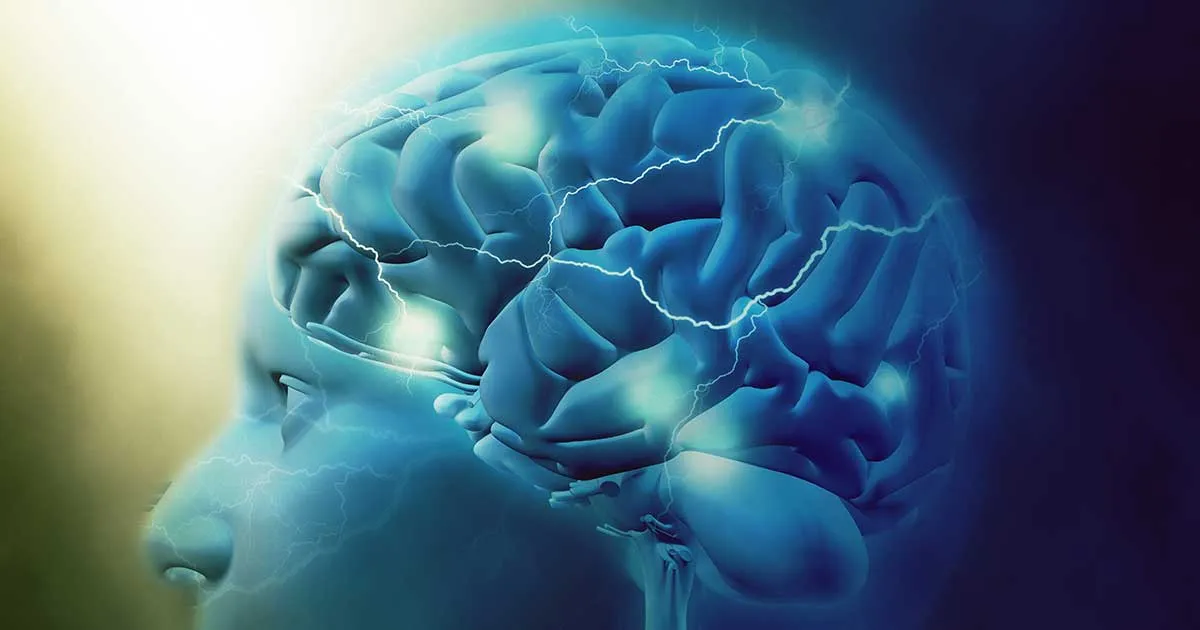
Perceptions of Reality: The Role of Psychosis in Bipolar Disorder
When we think about bipolar disorder, it’s easy to overlook the mind-bending role that psychosis can play. Yet, for some individuals, experiencing psychosis is a part of their reality during manic or depressive episodes. This can reshape how they perceive the world around them, making everyday situations seem surreal or, at times, downright bizarre. How does that change the way they think and interact with others?
Psychosis in bipolar disorder often involves hallucinations or delusions, which can seriously distort a person’s sense of reality. Imagine believing that people are talking about you in a negative way when they’re actually discussing something entirely different! These altered perceptions can add a layer of confusion and frustration for the individual. This is why understanding these experiences is crucial—it can help foster empathy and improve communication.
During manic episodes, hallucinations may be more exhilarating or grandiose, leading to inflated self-views or feeling invincible. Conversely, depressive episodes can plunge individuals into paranoia or feelings of worthlessness. These fantastical highs and crippling lows can leave loved ones puzzled. How can you support someone experiencing these drastic shifts? One key is staying informed and understanding their reality, even if it seems distant from your own.
Recognizing the Disconnect
It’s important to recognize that their struggle with psychosis doesn’t define them. Instead, it’s part of their experience with bipolar disorder. The disconnect between their perception and reality can lead to misunderstandings, but being there for them and assuring them that you’re a safe space can go a long way! What strategies can you think of to approach these conversations with compassion?
- Listen openly without judgment.
- Encourage therapy or counseling.
- Offer support without trying to ‘fix’ them.
In conclusion, the role of psychosis in bipolar disorder cannot be underestimated! Understanding how it affects thoughts and perceptions gives us valuable insight into the experiences of those we care about. Let’s continue to advocate for compassionate support and better understanding in mental health.
Common Questions
What is it like being bipolar?
Being bipolar often involves experiencing extreme mood swings that can vary in intensity and duration. These mood swings include episodes of mania or hypomania, characterized by increased energy, euphoria, and sometimes impulsivity, followed by periods of depression that may lead to feelings of sadness, hopelessness, and fatigue. Individuals with bipolar disorder may also struggle with the unpredictability of their mood changes, which can affect their daily functioning and relationships.
At what age does bipolar start?
Bipolar disorder can onset at different ages, but it often emerges in late adolescence or early adulthood, typically between the ages of 15 and 25. However, onset can also occur in children or later in life, leading to a varied experience among individuals. Early recognition and treatment can be crucial for managing the condition and minimizing the impact on one’s life.
How does a person with bipolar think in relationships?
Individuals with bipolar disorder may experience intense emotional fluctuations that can affect their relationships significantly. During manic phases, they may feel invincible and overly confident, which can lead to risky behavior or impulsive decisions. Conversely, during depressive episodes, they might withdraw from their partners or struggle with feelings of inadequacy. This unpredictability can cause stress and misunderstandings in relationships, requiring both partners to communicate openly and approach the situation with patience and empathy.
Can you live normally with bipolar?
Yes, many individuals with bipolar disorder can lead normal, fulfilling lives with proper management and treatment. This often includes a combination of medication, therapy, and lifestyle adjustments, such as maintaining a regular routine, managing stress, and following healthy habits. Consistent support from friends, family, and mental health professionals plays a critical role in helping individuals maintain stability and manage the condition effectively.
Empathy and Support: Navigating the Bipolar Thinking Process
Understanding the thinking process in bipolar disorder can be quite a ride! It’s like being on a rollercoaster that might take you to the highest highs or the lowest lows. This fluctuating nature requires a sprinkle of empathy and a whole lot of support from those around. Have you ever noticed how your perspective can shift depending on your mood? That’s a bit what it feels like for someone dealing with bipolar anxiety.
During manic episodes, thoughts might race, and ideas can flow like an unstoppable river. This can lead to bursts of creativity, but it might also cause impulsivity and a lack of judgment. On the flip side, when depression hits, thoughts can become heavy, slow, and filled with self-doubt. It’s crucial to approach conversations with sensitivity and patience. Want to know the key to connecting? Listening without judgment!
Navigating these cognitive shifts often requires understanding and compassion. It’s important to remember that during these episodes, someone with bipolar disorder might not be fully in control of their thought processes. Try to validate their feelings even if they don’t make sense to you in the moment. Encourage open dialogues, and if you can, share experiences that highlight their strengths. Can we highlight a positive trait or a funny moment to lighten the conversation?
- Listen actively and show empathy.
- Avoid trying to fix their feelings; just be present.
- Offer reassurance and remind them they aren’t alone.
The essence of empathy is truly being there for someone during their highs and lows. It strengthens the bond of support and creates a safe space where they can express themselves without fear. So, let’s be that friend or family member who understands that what they’re feeling is valid—even on tough days. Remember, your support can make a monumental difference in how they navigate their bipolar thinking process!
Final Thoughts: How a Person with Bipolar Disorder Thinks
Understanding how someone with bipolar disorder thinks opens up a whole new world of empathy and support. This mental health condition not only affects emotions but also deeply influences thought processes. Isn’t it fascinating to see how mood episodes can shift perception and decision-making? Having insights into these unique cognitive patterns allows us to connect better and offer meaningful support to those navigating the ups and downs of bipolar disorder.
We’ve explored together how mania brings a whirlwind of thoughts, while depression may cloud one’s view of reality. It’s clear that mental health awareness is critical; it feeds into our ability to communicate effectively with those experiencing these challenges. By incorporating empathy into our discussions and interactions, we can create an environment where individuals feel understood and valued. So, how can you put this knowledge into practice with your loved ones or even within yourself? Every step counts!










