
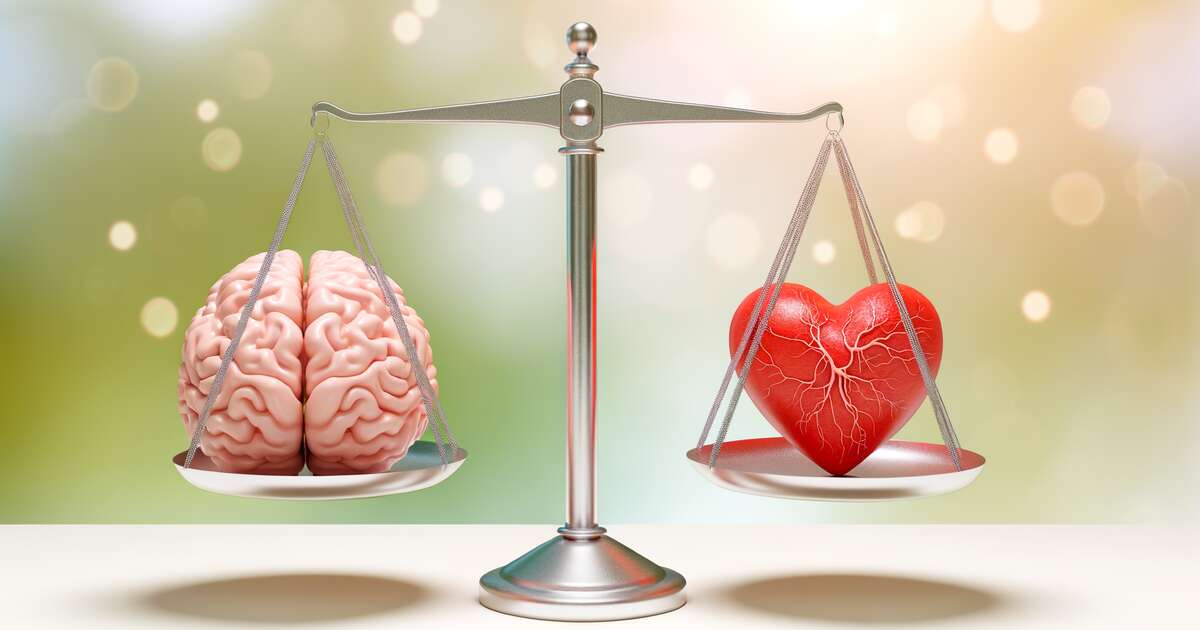
Do men and women experience stress differently? This fascinating topic digs into gender differences in stress responses, offering profound insights that could reshape how we think about stress management. Understanding how gender impacts stress not only enlightens us about biological predispositions but also the role societal norms play. It’s a compelling blend of science and society, all woven into the tapestry of everyday experiences.
Whether you’re a seasoned psychologist, a curious student, or just someone trying to manage daily stressors, learning about gender differences stress can provide valuable perspective. Are these differences significant enough to necessitate tailored stress management strategies for men and women? Let’s unpack the science and sociology behind these variations to better equip ourselves for handling life’s pressures.
Understanding Biological Factors in Gender Stress
When it comes to stress, did you know that men and women might react differently due to biological factors? This intriguing aspect of gender differences in stress responses is rooted in the distinct physiological structures and hormonal reactions between genders.
For instance, women typically have a higher level of oxytocin combined with estrogen, which influences a tend-and-befriend response to stress. Men, influenced by testosterone, often lean towards a fight-or-flight response. Isn’t it fascinating how our bodies are wired to handle stress in such diverse ways?
- Oxytocin levels and estrogen in women can promote social bonding as a stress response.
- Testosterone in men drives more aggressive responses to stress.
- Differences in brain structures also play a significant role in how stress is processed.
Research also shows variabilities in the hippocampus and amygdala among genders, which further explains why stress triggers and responses can differ vastly between men and women. These insights are not only crucial for understanding each other but also for developing effective personalized stress management strategies. Are you surprised by how much biology influences our stress responses?

Psychological Aspects: How Men and Women Handle Stress
When it comes to handling stress, the psychological differences between men and women can be quite pronounced. Have you ever noticed how men and women react differently in stressful situations? This isn’t just anecdotal; numerous studies have shown that gender plays a significant role in influencing stress responses.
Men often lean towards a ‘fight or flight’ response, a direct approach that is more confrontational. They are more likely to address stress with action, sometimes ignoring the emotional repercussions until they can no longer be overlooked. Comparatively, women generally use a ‘tend and befriend’ strategy, focusing on fostering relationships and sharing their problems to alleviate stress. But why is it so? It is intertwined with both hormonal influences and societal conditioning.
The Impact of Hormones on Stress Responses
Biochemical reactions in our bodies are significant players. For example, cortisol and adrenaline, the stress hormones, are found in different levels in men and women, which guides their distinct responses to stress. Women produce more oxytocin, a hormone that promotes bonding and relaxation, which may explain their tendency towards seeking social support during tough times.
Understanding these effects is crucial. Isn’t it important to recognize how our biological makeups can influence the way we manage stress? Acknowledging these differences not only helps us comprehend our actions and reactions but also guides us in providing better support systems tailored to diverse needs. This insight is key in reducing the stress disparities faced by different genders, and fostering a more supportive environment for everyone.
Societal Expectations and Their Role in Stress Response
Have you ever considered the impact of societal expectations on how different genders experience and respond to stress? Societal norms and roles play a significant part in shaping our stress responses. For instance, men are often expected to be stoic and suppress their feelings, which can lead to a different type of stress management compared to women, who might be encouraged to express their emotions more openly.
Exploring Gender Differences Stress, we recognize that these societal expectations are not just arbitrary rules. They deeply influence the mental health outcomes of individuals. It’s intriguing, isn’t it? How much of our stress response is actually dictated by the roles we’re expected to play in society?
For example, women may face stressors related to balancing career aspirations with societal pressures to prioritize family responsibilities, a balancing act that can uniquely amplify stress. On the other hand, men might grapple with the pressure of being the ‘primary breadwinner,’ which can also heighten stress levels in distinct ways.
It is vital to understand these dynamics to develop more effective stress management strategies that are sensitive to the nuanced differences between how men and women experience stress. Acknowledging and addressing these unique pressures can lead to more personalized and effective approaches to managing stress, don’t you think?

Stress Coping Strategies: Gender-Specific Techniques
Exploring how different genders manage stress can uncover some intriguing insights. It turns out that men and women often adopt distinct methods for coping with tension—a blend of biological predispositions and social conditioning. Have you ever noticed that some people seem to channel stress into physical activity, while others lean toward conversation and emotional sharing?
For example, many men find relief in physical pursuits like sports, jogging, or gym workouts. These activities not only ease physical tension but also provide a welcome distraction from daily stressors. On the other hand, women often turn to social interactions and verbal expression, finding comfort in discussing their feelings with friends or support groups. This approach helps diffuse anxiety and build emotional resilience. It raises the question: are these differences purely biological, or does societal influence also play a significant role?
- Physical exercise (jogging, gym sessions, playing sports) is a popular strategy among men.
- Engaging in social interactions and support groups tends to be favored by women.
- Mindfulness and meditation practices, while universal, are sometimes more embraced by women.
Recognizing these varied strategies is essential for mental health professionals who develop gender-sensitive stress management programs. By appreciating and supporting individual coping methods, we can create an environment that enhances overall resilience and well-being.
Long-Term Effects of Stress Based on Gender
The long-term effects of stress can significantly differ between genders, manifesting in both physical and psychological aspects. Have you ever considered how stress impacts men and women differently over the long haul?
For men, extended periods of stress are often linked with heightened risks of hypertension, heart disease, and behavioral disorders. Men might not always seek help or communicate about their stress, potentially due to societal expectations to appear strong and composed. This can exacerbate the health problems associated with long-term stress.
In contrast, women might experience stress in more relational and emotional ways. They are more likely to report feelings of sadness and anxiety, which can contribute to conditions such as depression or autoimmune diseases. The way women’s bodies process stress hormones like cortisol can also make them more susceptible to these long-term effects.
But why does this difference exist? It’s partly biological but also heavily influenced by the roles and expectations society places on each gender. Understanding these variances is crucial in developing effective strategies to manage stress tailored to the needs of each gender. Are we taking these differences seriously enough in our approaches to mental health?
Common Questions
What are the differences in stress between genders?
Research has shown that men and women tend to experience and react to stress differently owing to both biological and social factors. Men often have a more fight-or-flight response to stressful situations, which is a direct consequence of high levels of testosterone. This reaction leads to aggressive, competitive, or more risk-taking behavior during stress. In contrast, women are more likely to exhibit a tend-and-befriend response, influenced by higher levels of oxytocin alongside estrogen, which promotes behaviors that ensure the care and protection of the offspring and seek out social support. Social factors, including societal expectations and multiple roles (e.g., worker, mother, spouse), also contribute considerably to how stress is manifested and handled differently among genders.
How does gender affect the stress response?
Gender differences in stress responses are influenced by both hormonal differences and different life experiences or social conditioning. Males typically experience stress with elevated cortisol levels leading to more aggressive responses or withdrawal as a coping mechanism. Women, influenced by both estrogen and oxytocin, might respond to stress by seeking social support, communication, or nurturing behaviors to protect themselves and their children. This biopsychosocial approach underlines how societal norms and roles can shape the stress response. For instance, women, who are often the primary caregivers, may experience prolonged periods of stress due to multitasking as caregivers, professionals, and homemakers.
What is the gender difference in perceived stress?
Studies indicate that women generally report higher levels of perceived stress compared to men. This discrepancy can be attributed to the multiple roles women are typically expected to fulfill, such as caregiver, professional, and homemaker, which often overlap and contribute to a higher burden of stress. Moreover, societal expectations around emotional expressiveness allow women to be more open about feelings of stress, whereas men may be socially conditioned to suppress emotional stress, leading to underreported stress levels among males. The perception of stress is also modulated by individual differences in personality, coping mechanisms, and social support systems, all of which can vary significantly between different genders.
Do you think there might be gender differences in stress tolerance?
It is plausible to suggest that there are gender differences in stress tolerance, which are shaped by both biological predispositions and social conditioning. Men and women tend to employ different coping strategies when under stress, which can affect their tolerance levels. Men may use more problem-solving and distancing strategies, while women are more likely to rely on social support and emotional coping methods. These differing approaches can influence the effectiveness of dealing with stress, potentially leading to variations in stress tolerance. Additionally, hormonal differences such as testosterone in men and estrogen in women can biologically affect how stress is perceived and managed.
Impact of Awareness on Reducing Gender Stress Disparities
Raising awareness about how Gender Differences Stress manifests can be a game-changer in reducing gender-based stress disparities. Isn’t it crucial to understand why men and women may experience stress differently and how this can influence their mental and physical health?
Awareness initiatives can equip both individuals and health professionals with the knowledge to tailor coping mechanisms and interventions more effectively. For instance, by recognizing that women may often internalize stress, leading to anxiety and depression, wellness programs can be designed to address these tendencies directly. Similarly, if men are more likely to respond to stress through externalization, strategies can include activities that channel these responses in a healthy way.
- Training sessions for healthcare providers on gender-responsive approaches.
- Workshops for individuals to identify stress patterns typical to their gender.
- Community support groups that empower members to share and learn from diverse experiences of stress.
Implementing such targeted initiatives not only promotes individual well-being but also fosters a more inclusive and empathetic society. What steps can you imagine being part of this change?
March 2025 Update: Redefining Gender Perspectives on Stress Responses
Recent research is pushing the boundaries of our understanding of stress responses, highlighting that gender differences extend far beyond surface-level behaviors. Today’s studies show that biological factors, cultural expectations, and individual experiences all interact to shape how each person manages stress. This evolving perspective is not only redefining conventional stereotypes but also paving the way for more personalized approaches to mental well-being.
New Research Findings
Innovative research methods, including advanced neuroimaging and hormonal analyses, have uncovered nuanced differences in how stress is processed in the brain. Scientists now observe that variations in neural connectivity and hormonal fluctuations contribute significantly to the distinct stress responses observed in men and women. These insights challenge the old one-size-fits-all model of stress management and suggest that each gender may benefit from tailored interventions.
Evolving Coping Strategies
As our understanding deepens, mental health professionals are adapting their strategies to meet these diverse needs. Therapists are now integrating a blend of physical activity, mindfulness techniques, and supportive social interactions in ways that reflect gender-specific preferences and strengths. This more personalized approach allows individuals to harness coping mechanisms that align naturally with their physiological and emotional responses, leading to enhanced resilience and overall well-being.
The progress in this field underscores the importance of embracing a multifaceted view of stress responses. By recognizing and addressing the unique ways in which gender influences stress, we can continue to develop more effective, inclusive methods for managing tension and building lasting mental health.
Final Thoughts: Analyzing Gender Differences in Stress Responses
As we conclude our exploration of Gender Differences Stress, it’s clear that understanding these dynamics is not just about recognizing differences but about fostering a deeper empathy and support system tailored to each individual’s needs. Whether it’s biological factors, psychological tactics, or societal expectations, every element plays a crucial role in shaping how stress impacts us differently. Isn’t it fascinating how much our gender can influence our stress response?
Moving forward, let’s challenge ourselves to be more aware of these differences and support each other in managing stress. By implementing gender-specific coping strategies and addressing long-term effects, we can work towards a healthier, more balanced life. Remember, knowing more about stress and the roles we play in it helps us all lead better lives. Why not share this newfound knowledge with others to help them manage their stress too?










