

Gabapentin uses are more than just a buzzword; they are essential in the realm of mental health and pain management! This medication, often recognized for its role in treating epilepsy, is also a powerhouse when it comes to tackling a range of conditions. Have you ever found yourself curious about how a single medication can help with nerve pain, anxiety, and even certain mood disorders? Let’s unravel the mystery behind Gabapentin and its incredible applications that can improve quality of life.
In this article, we’re diving into the various Gabapentin uses, highlighting the unique benefits it offers to those dealing with chronic pain, anxiety, and other neurological conditions. From its effectiveness in stabilizing electrical activity in the brain to its soothing effects on nerve pain, understanding how Gabapentin works can empower you to make informed decisions about your health. So, sit back and get ready to explore how this medication might just be the game-changer you’ve been searching for!
Exploring Gabapentin Uses for Pain Management and Relief
Gabapentin is like that secret weapon in your medicine cabinet for pain management! While it’s most commonly known for treating nerve pain, its uses extend beyond what many people realize. With increasing evidence supporting its effectiveness in various conditions, many are curious about how this medication can help ease their discomfort. Are you ready to discover the fascinating world of Gabapentin’s benefits?
One of the main reasons Gabapentin shines in pain management is its ability to calm the nerves that send pain signals to your brain. By stabilizing electrical activity in the nervous system, it helps reduce the sensation of pain. This makes it a go-to choice for conditions like postherpetic neuralgia and diabetic neuropathy. Imagine finding relief from that constant, nagging pain without depending on stronger pain medications—sounds great, right?
But wait, there’s more! Gabapentin has also been found effective in managing other types of pain, including migraine headaches and fibromyalgia. Such versatile uses mean it can potentially be part of your toolkit in addressing a spectrum of discomfort. Have you ever thought about how one medication could address multiple pain issues?
- Postherpetic neuralgia
- Diabetic neuropathy
- Migraine management
- Fibromyalgia
- Chronic pain from various sources
The beauty of Gabapentin lies in its multifaceted nature. While it’s not a standard painkiller like opioids, it offers a less risky alternative for those looking to improve their quality of life without the fear of addiction. So, can Gabapentin be the answer you’ve been seeking for pain relief? It’s certainly worth a discussion with your healthcare provider!
Understanding How Gabapentin Works in the Nervous System
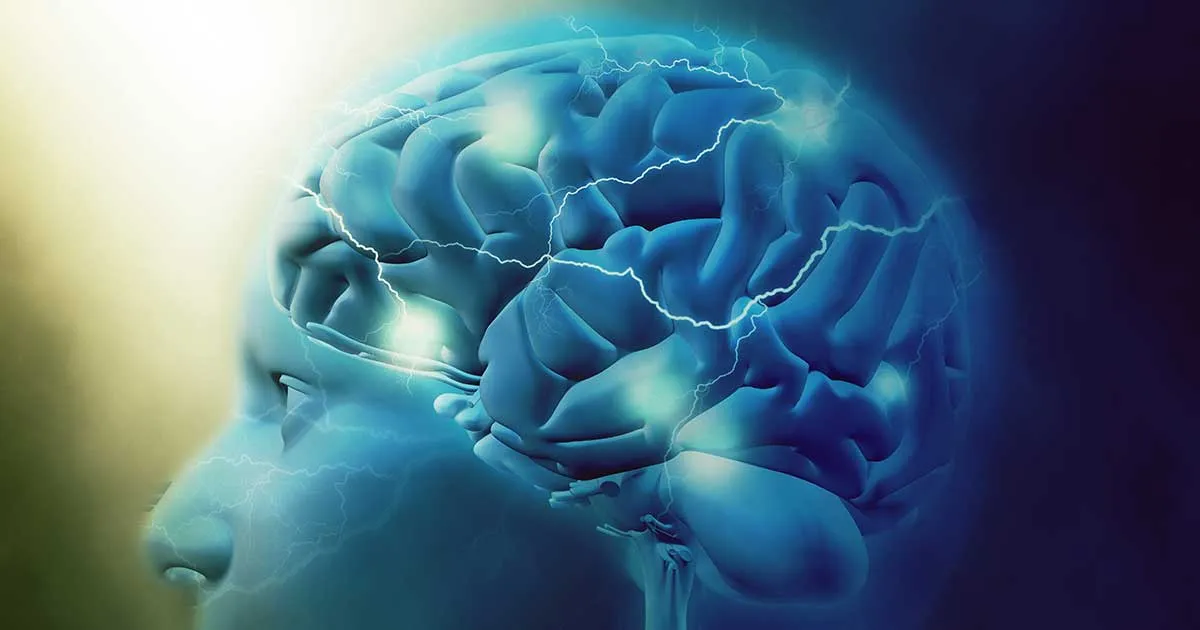
Gabapentin has become a go-to medication for many due to its fascinating effects on the nervous system! Understanding how it works can really shed light on why it’s often prescribed for various conditions. So, let’s break it down! Gabapentin primarily focuses on calming down those overactive nerve signals. By doing this, it helps relieve pain and manage anxiety for many people.
The way Gabapentin operates is pretty cool! It primarily binds to specific sites on voltage-gated calcium channels in the brain and spinal cord. This action inhibits the release of certain neurotransmitters, which are integral when it comes to sending pain signals. Curious how many conditions this helps with? Think about chronic pain, neuropathy, and even some anxiety disorders. Isn’t that remarkable?
Moreover, Gabapentin uses extend beyond just treating pain. It also plays a role in stabilizing mood and reducing anxiety by balancing those pesky neurotransmitters like GABA (gamma-aminobutyric acid). This means that, at the same time it’s working on physical discomfort, it’s also lending a helping hand to those grappling with mental health challenges. Amazing how one medication can tackle multiple issues!
- Calming overactive nerves
- Reducing pain signals effectively
- Helping with anxiety management
As we explore these Gabapentin uses, it becomes clear just how it supports the body in several ways. Knowing how Gabapentin works in the nervous system can empower individuals as they consider their treatment options. Have you or someone you know tried Gabapentin? What were your experiences? Sharing stories can help others on a similar journey!
Common Medical Conditions Treated with Gabapentin
Gabapentin is best known for its role in managing certain medical conditions. So, what are some of these common conditions that benefit from this versatile medication? Let’s break them down!
One of the primary uses of gabapentin is for neuropathic pain. This type of pain arises from nerve damage or irritation and can feel like burning, tingling, or even sharp sensations. Gabapentin works by calming those overactive nerves, providing much-needed relief. Have you or someone you know dealt with this type of pain? Gabapentin could be a game-changer!
Another medical condition often treated with gabapentin is postherpetic neuralgia, which occurs after recovery from shingles. This can lead to persistent pain that feels like a stab or a jolt. Gabapentin can significantly reduce these sensations, allowing individuals to reclaim their daily activities. It’s pretty remarkable how something as simple as a pill can help alleviate such intense discomfort!
Gabapentin is also utilized for fibromyalgia, a chronic condition characterized by widespread musculoskeletal pain accompanied by fatigue, sleep, memory, and mood issues. By helping to stabilize nerve activity, gabapentin can effectively decrease the pain associated with fibromyalgia, improving the overall quality of life. Doesn’t it feel good to know that there are options available for managing these types of pain?
- Neuropathic pain
- Postherpetic neuralgia
- Fibromyalgia
- Restless legs syndrome
- Partial seizures
Additionally, gabapentin is prescribed for partial seizures in epilepsy when used alongside other medications. It’s fascinating how one medication can cover such a spectrum of conditions, right? It’s like having a multitool in your medication cabinet!
These are just a few of the conditions that benefit from gabapentin treatment. If you’re grappling with pain or seizures, gabapentin could offer the relief you’ve been searching for! Always consult your healthcare professional to explore if gabapentin is the right fit for your treatment plan.
Gabapentin Uses Beyond Pain: Anxiety and Neuropathy Relief
Gabapentin is often recognized for its pain management benefits, but did you know it has incredible uses beyond just that? One of the standout features of Gabapentin uses is in providing relief for anxiety and neuropathy! That’s right—this medication is not just your typical pain reliever.
When it comes to anxiety, many people find themselves searching for effective solutions. Gabapentin can act as a calming agent, helping to reduce anxiety symptoms for some individuals. Have you ever experienced those overwhelming racing thoughts? Gabapentin can assist in providing a sense of peace during those times. Isn’t it amazing how one medication can cover such a broad spectrum of needs?
Now, let’s talk about neuropathy. This condition can cause discomfort and pain due to nerve damage, often leaving individuals feeling frustrated and helpless. Gabapentin uses in neuropathy are remarkable! Many people have reported significant improvements in their symptoms, allowing them to regain control over their lives. Just imagine being able to enjoy daily activities without the discomfort holding you back!
Additionally, combining Gabapentin with other therapies can enhance its effectiveness. So if you’re considering asking your doctor about it, that might be a conversation worth having! While Gabapentin uses include treating anxiety and neuropathy, it’s essential to find the right blend that works for you. Have you talked to a healthcare professional about your symptoms lately?
In summary, although Gabapentin is renowned for its pain relief capabilities, its benefits extend into the realm of anxiety and neuropathy relief as well. Whether you are dealing with anxious thoughts or nerve-related issues, this medication has much to offer. Don’t hesitate to explore these possibilities with your healthcare team and discover how you can improve your wellbeing!

Potential Side Effects and Risks of Gabapentin Usage
When it comes to understanding the potential side effects and risks of gabapentin usage, it’s crucial to have the right information at hand. Gabapentin, which is popularly known for its various uses in managing pain and anxiety, can also come with its share of challenges. While many people benefit from this medication, others may experience unexpected side effects. This can make you wonder: is gabapentin the right choice for you?
Some of the most common side effects people have encountered with gabapentin include dizziness, fatigue, and even coordination issues. Sounds a bit unsettling, right? These effects usually lighten up as your body gets used to the medication. However, if they persist or worsen, it’s essential to consult with your healthcare provider. After all, nobody wants to feel like they’re walking through a fog! ️
Serious risks are less common but still worth noting. For instance, some individuals might experience mood changes, including feelings of anxiety, depression, or suicidal thoughts. If you’ve noticed such shifts, it’s a major red flag that requires immediate attention. Do you have a support system in place? Maintaining open communication with loved ones and professionals can help you navigate these feelings.
Another area to consider is the potential for drug interactions. Gabapentin can interact with other medications, potentially causing negative effects. Always inform your doctor about any other prescriptions or over-the-counter drugs you’re taking. It’s like playing a game of Tetris; every piece has to fit perfectly for everything to work smoothly!
- Common side effects: dizziness, fatigue, coordination issues.
- Serious risks: mood changes, anxiety, suicidal thoughts.
- Potential drug interactions with other medications.
In summary, while gabapentin has a variety of uses that can improve quality of life, being aware of its potential side effects and risks is essential. This way, you can better discuss your options with healthcare professionals and make an informed decision. What are your experiences with gabapentin? Sharing can really help others who might be on the fence!
Consulting Healthcare Professionals About Gabapentin Uses
Consulting healthcare professionals about Gabapentin uses is a crucial step in understanding how this medication might fit into your treatment plan. Doctors and specialists are well-versed in what Gabapentin can offer, including pain relief and support for various neurological conditions. Have you ever considered how your doctor can tailor a treatment specifically for you?
During your appointment, it’s important to ask questions about the symptoms you’re experiencing, as this will help your healthcare provider determine if Gabapentin could be beneficial for you. They can explain its applications and how it may assist with issues like nerve pain or anxiety. Isn’t it comforting to know you can partner with someone knowledgeable about your health?
Moreover, healthcare professionals can discuss potential interactions with other medications you might be taking. Being proactive and well-informed ensures your well-being. Remember, it’s your health journey, and having a professional guide can make a world of difference! And don’t forget to mention any concerns about side effects or how Gabapentin may affect your daily life.
- Understanding the right dosage for your needs
- Discussing possible side effects and how to manage them
- Exploring alternative therapies alongside Gabapentin
Always feel empowered to share your thoughts and experiences with your healthcare provider. Your input can help them make the best recommendation for your specific situation. After all, discussing Gabapentin uses isn’t just about the medication; it’s about finding solutions that work for you and your recovery journey!
Final Thoughts: Gabapentin Uses
Gabapentin uses extend beyond just pain relief; it’s an intriguing medication that can help with a range of conditions. From managing chronic discomfort to alleviating anxiety, its versatility is evident. Are you curious about how it might fit into your treatment plan? Remember, knowledge is power when it comes to your health!
As we’ve discussed, Gabapentin works on the nervous system to tackle pain and anxiety, showing promising results for many. However, it’s crucial to consider potential side effects and consult with your healthcare professionals before starting any new medication regimen. Your health journey deserves attention and care—don’t hesitate to reach out for tailored advice!










