
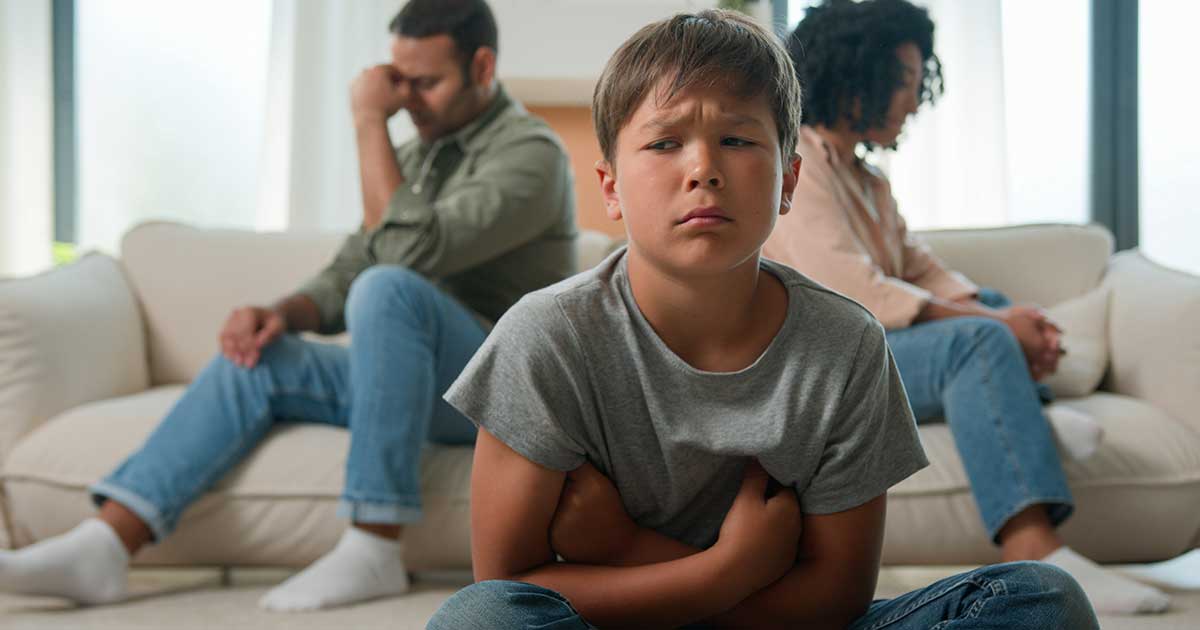
The term father wound might sound intense, but it’s all about those emotional gaps that can result from our relationships with our dads. Whether it’s their absence, harsh words, or just an emotional distance, these experiences can shape major parts of our lives. It’s fascinating how something as foundational as our relationship with our fathers can ripple through our self-esteem, choices in partners, and even our careers. Can you relate?
As we dive into this topic, we’ll uncover how a father wound can affect not only your personal growth but also your connections with others. Understanding these impacts can be the first step toward healing and growth. This isn’t just about the past; it’s about recognizing how those early experiences influence the present—and how we can work through them. Let’s chat about it!
Defining the Concept of a Father Wound and Its Origins
A father wound is a term that describes the emotional and psychological struggles stemming from a father’s absence, neglect, or dysfunctional behavior. It’s fascinating how such early experiences can leave lasting impressions on our lives! Did you know that these wounds often manifest in our adult relationships, shaping how we connect with others? It’s true! Understanding what constitutes a father wound helps us identify its origins and allows us to confront the challenges it brings.
So, where does this all begin? The origins of a father wound can be traced back to various scenarios: perhaps a father who was emotionally unavailable, one who left the family structure, or even a father whose expectations were simply too high. Each situation seeds feelings of inadequacy, abandonment, or resentment, which can take root deep within our psyche. Wow, right? It makes you think how deeply our childhood shapes us!
These emotional struggles don’t just fade away with time; they often linger and grow, affecting our self-esteem and how we relate to the world. It’s not uncommon for people with a father wound to carry a sense of unworthiness or to have difficulty trusting others. The ripple effects can last long into adulthood, influencing everything from friendships to romantic relationships. Isn’t it amazing how interconnected our emotional health and our relationships can be?
- The impact of absent fathers on emotional development.
- The role of high expectations leading to feelings of inadequacy.
- How neglect can foster distrust in future relationships.
Recognizing the signs of a father wound is a crucial step toward healing. Acknowledging its origins allows us to begin unraveling the tangled web of emotions tied to our experiences. Awareness is empowering! By exploring these influences, we can reclaim our narrative and begin to foster healthier relationships moving forward. Are you ready to dig a little deeper into this intriguing concept?
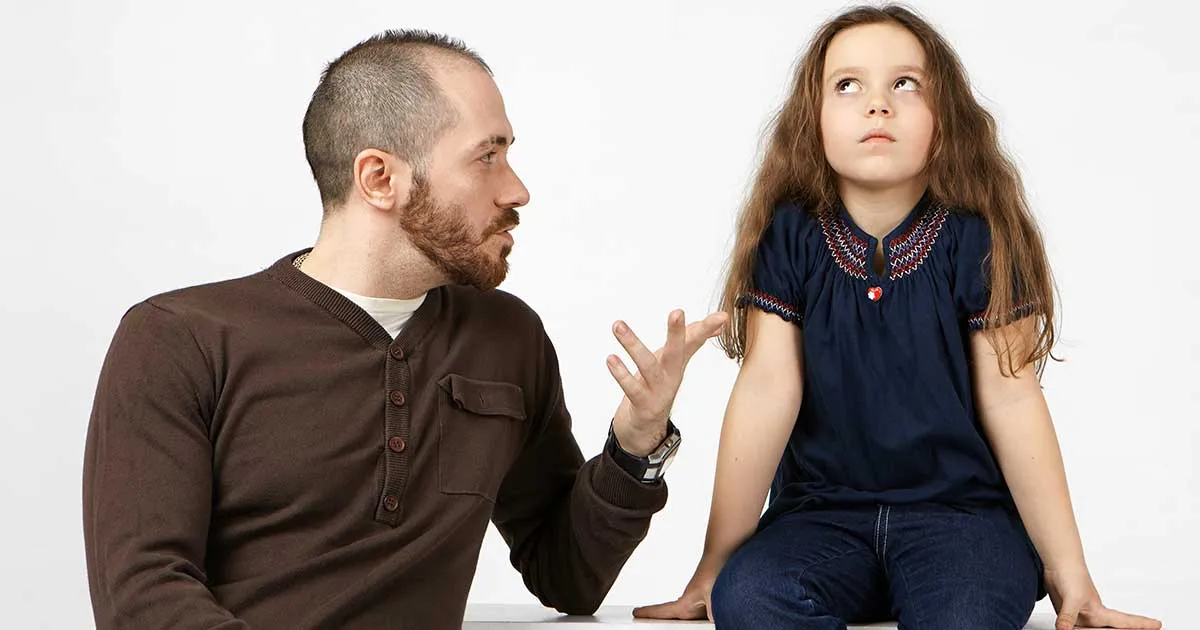
Exploring the Emotional Consequences of a Father Wound
The emotional consequences of a father wound can really be a rollercoaster ride, can’t they? It’s like carrying around an invisible weight that just doesn’t seem to budge. When a father figure is absent or emotionally unavailable, it leaves a mark that’s hard to ignore. It’s fascinating how these experiences intertwine with our everyday feelings and thoughts. So, what does it really mean to carry a father wound?
People with a father wound often struggle with feelings of worthlessness and inadequacy. Can you relate? It’s common to feel like you need to prove yourself constantly or that you’re not enough, even when that’s far from the truth. The absence of a supportive father figure can lead to deeply ingrained beliefs about self-worth that shadow your life and relationships. This feeling can echo in various aspects of life, holding you back from experiencing full happiness.
And then there’s the trust issue. Trust is such a crucial part of any relationship, but if you’ve experienced a father wound, it’s something that can feel very fragile. You might find yourself questioning whether people genuinely care or if they will eventually leave. This constant uncertainty can make forming healthy relationships feel like walking on eggshells. Have you ever felt this way with close friends or partners?
Emotional patterns that emerge from a father wound can also manifest as anxiety, depression, or even anger. It’s like a complicated puzzle of emotions. Learning to navigate these feelings is essential. But remember, recognizing that this wound exists is the first step toward healing. Resilience is built from understanding, and it’s totally possible to rewrite the narrative in your life even while dealing with a father wound.
- Feelings of inadequacy and unworthiness
- Challenges with trust in relationships
- Struggles with anxiety and depression
Understanding the Connection Between Father Wound and Mental Health
The connection between a father wound and mental health is like a tangled web—complex, but oh-so-important to unravel! A father wound can deeply influence your emotional state, self-esteem, and how you interact with the world around you. Have you ever felt a gap in your identity or struggled with relationships? It might just be linked to your experiences with your father or a father figure.
When a father wound occurs, it often manifests as feelings of abandonment, rejection, or inadequacy. These feelings don’t just fade away; they create a ripple effect in your mental health. For instance, you might find yourself battling anxiety or depression, rooted in unmet emotional needs during childhood. Isn’t it fascinating how our early relationships can shape our adult lives?
Moreover, navigating the ups and downs of a father wound can lead to issues with self-worth and self-identity. People with father wounds may struggle with feelings of unworthiness or question their abilities, which can hinder personal development. Before you know it, this can block meaningful connections and opportunities in your life. Recognizing this connection is the first step toward healing and reclaiming your mental health.
In essence, the father wound doesn’t just affect your interactions with men; it can extend to your friendships, romantic relationships, and even how you see yourself. Want to break free from these chains? Understanding the link between a father wound and mental health will empower you to transform your life. It’s time to shine a light on those hidden shadows and start your healing journey!
How a Father Wound Can Affect Adult Relationships and Trust
Navigating relationships as an adult when you’ve experienced a father wound can feel like walking through a minefield. The emotional scars left from those early interactions with your father can dramatically alter how you connect with others. It’s like you’re carrying invisible baggage that influences your trust and attachment styles. Have you ever noticed how your childhood experiences echo in your adult relationships?
That emotional blueprint often manifests in the way you either cling to people, out of fear of abandonment, or push them away, fearing intimacy. Maybe you’ve found yourself doubting your partner’s feelings towards you or feeling unworthy of love. That’s the father wound at play, shaping your world in ways you might not even realize. It’s important to acknowledge this pattern—awareness is the first step towards healing!
- Struggles with trust: You might find it hard to take people at their word.
- Fear of vulnerability: Opening up feels risky.
- Inconsistent romantic choices: You may attract unhealthy relationships.
These traits can create a domino effect, impacting friendships, romantic relationships, and even family ties. It’s not just the romantic relationships that suffer; your friendships may feel shallow, and family gatherings could be filled with unexpressed tension. Ever felt like you’re on the outside looking in during family events? That’s your father wound making an appearance again.
Yet, there’s hope! Recognizing the father wound and its lingering effects is the first leap toward healthier relationships. It’s all about understanding that these patterns can be reshaped. Have you thought about the amazing relationships that could blossom if you could let down your defenses just a little? Let’s explore how you can start to mend these wounds and build lasting, trusting connections.
Effective Strategies for Healing Your Father Wound
Healing your father wound isn’t just about addressing the past; it’s about empowering your future. Think of it as a journey back to the core of who you are. The good news is, there are effective strategies that can guide you through the healing process, allowing you to reclaim your personal power and foster healthier relationships. Are you ready to take that leap?
First off, it’s crucial to acknowledge your feelings. Whether it’s anger, sadness, or confusion, validating these emotions is a significant step in healing your father wound. Journaling can be incredibly beneficial here. Take some time to write down your thoughts and feelings. This simple act of expression can help process what you’ve been through. Plus, it’s a fantastic way to track your growth over time!
Next up, consider practicing self-compassion. Instead of beating yourself up about how the past has shaped your present, try to embrace your vulnerabilities. It’s okay to stumble and feel lost at times. Remember, you are not defined by your father wound—you’re defined by how you choose to heal from it!
Connect with Others
Connecting with others who have experienced similar wounds can be incredibly healing. Support groups or online communities are terrific spaces for sharing stories and offering encouragement. The sense of belonging can dissolve loneliness and remind you that you’re not alone in this journey. Who knows? You might even discover some lifelong friends along the way!
Embrace Forgiveness
Embracing forgiveness—whether it’s for yourself or your father—can be liberating. It doesn’t mean you condone past actions; it simply allows you to release the burden of resentment. Forgiving can clear your path towards emotional freedom and personal growth. Just think of it as a way to unshackle yourself from negative emotions and usher in positive energy!
- Journaling your thoughts and feelings.
- Attending support groups or workshops.
- Practicing self-compassion and kindness towards yourself.
- Embracing forgiveness for your father and yourself.
Creating Healthy Boundaries After Experiencing a Father Wound
Creating healthy boundaries is essential after experiencing a father wound. It’s not just about saying ‘no’ but about recognizing your worth and protecting your emotional space. Have you ever felt overwhelmed by relationships or responsibilities? Setting boundaries allows you to take a step back and prioritize your well-being. When you’ve been hurt, it’s important to construct a shield that helps you feel safe and respected.
Understanding what healthy boundaries look like is a vital step in this process. They involve clear communication about what you’re comfortable with, and they help establish trust in relationships. For instance, do you need some quiet time to recharge when you’re feeling drained? It’s completely acceptable to express that! Remember, boundaries aren’t just about distancing yourself; they’re also about creating space for the positive connections in your life.
Sometimes, your boundaries might feel uncomfortable to establish. You might worry about how others will react, especially if you’re used to accommodating everyone else’s needs first. But as you navigate through your father wound, think of boundaries as your personal protective equipment! ️ They help you maintain your emotional integrity and empower you to engage in healthier relationships moving forward.
Have you set any boundaries recently? If not, why not start small? You could practice saying ‘no’ to a minor request or taking a break when you feel overwhelmed. Remember that boundaries are a practice, not just a one-time action. It might take time to get comfortable with them, but guess what? You’re worth it! As you establish these boundaries, ensure they’re respected—because nothing says self-love quite like standing firm in what you need.
Lastly, reflect on how your boundaries affect your relationships. Are they leading to more authentic interactions? If you notice positive changes, you’re on the right path. Ultimately, creating healthy boundaries after experiencing a father wound is about reclaiming your power, nurturing your emotional health, and fostering deeper connections with others. It might feel challenging, but trust me, the journey is totally worthwhile!
Seeking Professional Help: Therapy for Father Wounds
When grappling with the complexities of a father wound, it’s essential to recognize that seeking professional help is not only okay, it’s a powerful step toward healing. Therapy can provide that special space where you can unpack emotions, confront challenges, and explore patterns that a father wound may have planted in your life. Have you ever felt stuck, unsure of why certain emotions keep popping up? Therapy could be the key to unlocking those feelings.
Imagine sitting down with a trained professional who understands the nuances of a father wound. They can guide you through various therapeutic techniques tailored to your journey. Cognitive Behavioral Therapy (CBT), for instance, helps in identifying negative thought patterns and reframing them. Have you noticed how some thoughts can hold you back? CBT empowers you to transform those thoughts into something more positive and constructive!
Another great option might be talk therapy, where you can express your feelings in a supportive environment. This form of therapy encourages you to verbalize your experiences and feelings associated with your father wound, shedding light on how these experiences influenced your relationships and self-esteem. It’s like holding a mirror up to your emotions! Can you imagine the clarity that could bring?
- Individual Therapy: Focus on one-on-one sessions with a therapist.
- Group Therapy: Share experiences in a supportive group environment.
- Art or Music Therapy: Explore emotions creatively and expressively.
Remember, choosing to seek professional help for your father wound is a courageous move. The journey of healing isn’t always easy, but each session brings you closer to understanding yourself better and breaking free from old patterns. Plus, with the right therapist, you can look forward to finding new ways to build meaningful connections and nurture your emotional health. What do you think might hold you back from reaching out for that help?
Final Thoughts: Understanding the Impact of a Father Wound on Your Life
Reflecting on the impact of a father wound, it’s clear this experience can shape so many facets of your life. From the emotional fallout to how it influences your relationships, understanding this concept is vital for personal growth. Recognizing the origins and effects can truly empower you to take control of your healing journey. Have you noticed patterns in your relationships that trace back to these childhood experiences?
As you consider the ways your father wound has affected your mental health and intimacy, remember that it’s okay to seek help. There are effective strategies out there to aid in your healing, and setting healthy boundaries can lead to more fulfilling connections moving forward. Don’t forget that professional therapy can be a game-changer in this journey! That assistance will not just help you understand the hurt but also enable you to reclaim your life and happiness. Why not take the first step today?










