
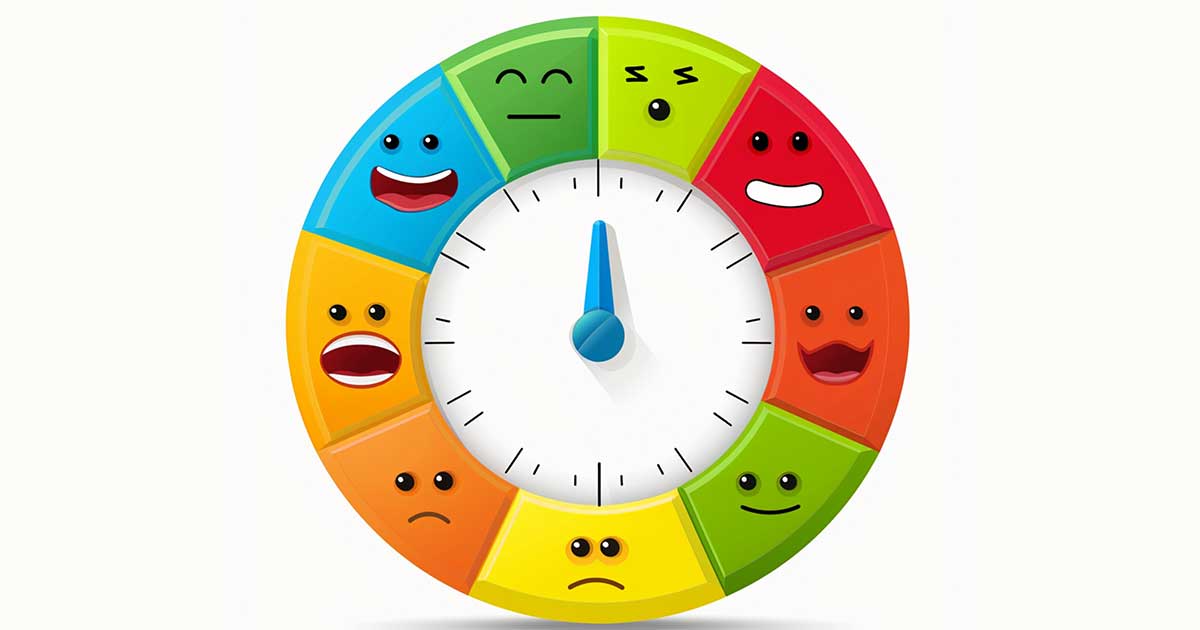
The emotion wheel is a powerful tool that can transform the way you understand and communicate your feelings. Imagine being able to pinpoint exactly what you’re feeling and why! This handy resource not only breaks down complex emotions into easily identifiable categories but also aids in enhancing emotional awareness. It’s like having a personal street sign guiding you through the highway of your feelings. Who wouldn’t want that kind of clarity in their emotional landscape?
But wait, there’s more! Not only does the emotion wheel help you identify your feelings, but it also boosts your ability to express them effectively. Ever found yourself struggling to explain what you’re experiencing? The emotion wheel can come to your rescue! With its vibrant organization of different emotions, you can articulate your thoughts better, reducing misunderstandings in your relationships. Plus, it’s a creative way to check in with yourself. So, are you ready to explore the incredible benefits of the emotion wheel? Let’s unpack this cool concept together!
What Is the Emotion Wheel and Its Importance in Therapy?
The emotion wheel is a fantastic tool in therapy that helps us get in touch with our feelings! Think of it as a colorful map to your emotions, allowing you to pinpoint and understand what you’re really feeling. Instead of saying, ‘I’m just sad,’ the emotion wheel encourages you to explore deeper. Are you feeling lonely, anxious, or stressed? This beautiful visual representation helps you articulate those feelings, which can be a game-changer when you’re navigating your mental landscape!
Why is the emotion wheel so crucial in therapy? Well, let’s be real: sometimes, diving into our emotions can feel overwhelming. The emotion wheel breaks down complex feelings into manageable parts! It’s not just a random circle; it categorizes emotions by basic and complex feelings. This breakdown helps therapists guide conversations more effectively, allowing clients to hone in on their emotional states and work through them.
Finding words to express how we feel can sometimes feel impossible. Have you ever felt like your feelings were swirling around in your head, but you just couldn’t put your finger on them? That’s where the emotion wheel shines! By visually showcasing emotions and their connections, it encourages exploration and personal insight. You might be surprised at how empowering it feels to identify what’s bubbling under the surface!
Using the emotion wheel can also enhance the therapeutic relationship. When you can articulate your emotions, it opens the door for deeper discussions. Therapists appreciate when clients come in with an understanding of their feelings—it creates a collaborative environment where both sides can explore solutions together. So, if you’ve never tried it out, now’s the time to embrace the magic of the emotion wheel!

Breakdown of the Emotion Wheel: Basic and Complex Emotions
Have you ever found it tough to pinpoint exactly how you’re feeling? Enter the emotion wheel! This nifty tool categorizes feelings into basic and complex emotions, making it super easy to express yourself. The emotion wheel acts like a map for your emotions, helping you navigate the colorful landscape of your feelings, whether you’re bubbly with joy or stuck in a fog of sadness.
At its core, the emotion wheel splits emotions into two primary categories: basic and complex. Basic emotions—think joy, sadness, fear, and anger—are the building blocks of our emotional experiences. They’re universal and often easy to identify. When was the last time you felt pure joy? These emotions are straightforward and loud, making them fantastic starting points for diving deeper into your emotional awareness.
Now, complex emotions can be a bit trickier. These can be combinations of basic emotions or give rise to feelings that are layered and nuanced. For instance, feeling both happy and sad about a significant life event, like a graduation, is totally normal. This combination often leads to the creation of feelings such as nostalgia or bittersweetness. Isn’t it fascinating how emotions can intertwine and create new shades of feelings?
- Basic Emotions: Joy, Sadness, Fear, Anger
- Complex Emotions: Guilt, Shame, Pride, Anxiety
- Understanding Layered Feelings: Identifying and articulating complex emotions
Grasping the difference between basic and complex emotions can illuminate your emotional world. It allows you to communicate better with yourself and others. Imagine how much smoother a conversation would flow if we could name our feelings accurately! So next time you’re feeling something and can’t quite put your finger on it, grab your emotion wheel and get ready to explore!
How to Use the Emotion Wheel for Personal Reflection
Using the emotion wheel for personal reflection is like having a trusty map for your feelings! It helps you navigate the vast sea of emotions that can sometimes feel overwhelming. When you take a moment to glance at the wheel, you can identify and label what you’re feeling, which is a crucial step in understanding yourself better. Have you ever found yourself caught in a whirlwind of emotions without a clue about what’s really going on? Let’s talk about how the emotion wheel can help you out!
First off, grab your emotion wheel. You can find printable versions online, or sketch one out yourself! Start by picking out a primary emotion from the wheel. It could be anything from joy to sadness, or anger to fear. This is your starting point! Ask yourself, ‘What am I feeling?’ This single word can unlock deeper layers, and from there, you can explore what is creating that emotion within you.
Once you’ve pinpointed your primary emotion, move outward to see the more specific feelings connected to it. For example, if you picked ‘sadness,’ you might discover feelings like loneliness or disappointment lurking below the surface. What a revelation! Reflecting on these emotions can be enlightening. And don’t forget to grab a notebook or journal for this part; writing down your thoughts can really bring clarity. ️
- Use the emotion wheel regularly to check in with yourself.
- Create a safe space where you can explore your emotions openly.
- Share your findings with someone you trust to gain perspective.
The beauty of the emotion wheel is that it encourages you to be honest with yourself. How often do we just brush feelings under the rug and move on? By taking the time to sift through your emotions, you pave the way toward emotional intelligence and personal growth. So, are you ready to give it a go? The more you use it, the more you’ll uncover about yourself. Let’s embrace those feelings!
Integrating the Emotion Wheel into Daily Mental Health Practices
The emotion wheel isn’t just a tool for therapists; it’s something you can easily bring into your daily mental health routine! Imagine waking up in the morning and using it to check in with your feelings. Exciting, right? By adding the emotion wheel to your day, you can cultivate a stronger emotional awareness and improve communication with yourself and others.
One way to integrate the emotion wheel is by starting a daily journal. Each morning, take a moment to reflect on how you feel. You can pick a word or two from the emotion wheel and jot them down. This practice not only helps you articulate your feelings but also gives you insight into what’s impacting your mood. What will you write about today?
Another clever way to use the emotion wheel is during conversations with friends or family. When you’re discussing your day, try pointing to a specific feeling from the wheel that matches your experience. This can foster better understanding and lead to deeper conversations. Plus, it makes it so much easier to express those tricky emotions that often leave us tongue-tied!
- Start your day with a mood check using the emotion wheel.
- Keep a journal to monitor your feelings over time.
- Share your emotions openly in conversations with loved ones.
Are you feeling overwhelmed? Use the emotion wheel as a go-to tool when dealing with tough situations! When emotions run high, simply pause and refer to the wheel. This quick check-in can help you recognize what you’re feeling and why. Knowing that feelings are valid makes a world of difference!
Integrating the emotion wheel into your daily practices not only boosts your emotional intelligence but can also reduce anxiety and stress. Who wouldn’t want to feel more in control of their emotions? Give it a try and see how it transforms your perspective—one feeling at a time!
Therapeutic Techniques Using the Emotion Wheel Framework
The emotion wheel isn’t just a fancy diagram; it’s a powerful tool for therapeutic practices! Have you ever been in a situation where you couldn’t quite find the right words to express how you feel? The emotion wheel steps in like your emotional GPS, guiding you through the complex maze of feelings. By utilizing the wheel, therapists can help clients recognize and understand their emotions, ultimately leading to healthier communication and improved mental well-being.
So, how do we actually apply these therapeutic techniques using the emotion wheel framework? One of the most effective methods is by engaging in targeted discussions based on the wheel’s categories. For example, during a therapy session, a therapist might ask, “Which primary emotion resonates with you today?” This question encourages clients to dive deeper into their feelings, allowing them to pinpoint specific emotions and address them directly. Isn’t that a refreshing way to expand emotional vocabulary?
Additionally, role-playing scenarios can be an absolute game changer. Imagine recreating an experience where emotions were high—using the emotion wheel helps participants accurately identify their feelings during the scenario. This technique not only fosters self-awareness but also equips individuals with essential tools to manage emotional responses in real-life situations. Could you see yourself embracing this creativity in exploring your feelings?
- Facilitating emotional identification through questioning
- Role-playing to practice emotional responses
- Using the wheel to structure journaling prompts
- Creating emotion-focused art to express feelings
Incorporating the emotion wheel into everyday practices is straightforward! Whether through journaling, art, or shared conversations, this framework can enhance emotional intelligence and promote mental health. So why not grab an emotion wheel graphic and see what emotions it reveals for you and your loved ones? Exploring emotions doesn’t have to feel heavy; it can be a lighthearted and enlightening experience! Let’s embrace all the feels together!

Common Challenges in Using the Emotion Wheel Effectively
Using the emotion wheel effectively can be a bit tricky, especially if you’re new to it! While it’s an amazing tool for understanding and identifying your feelings, there are common challenges that many people face. One of the biggest hurdles is feeling overwhelmed by the number of emotions represented on the wheel. With so many options, how do you pinpoint exactly what you’re feeling? This can lead to frustration instead of clarity.
Another common challenge is the tendency to simplify your emotions. Instead of diving deeper into what you might be experiencing, it’s easy to just label everything as ‘happy’ or ‘sad.’ This approach misses the nuance of your feelings and can hinder your emotional growth. Have you ever felt a mix of emotions that doesn’t fit neatly into one category?
Additionally, people might struggle with using the emotion wheel in real-time. When you’re caught up in a heated moment, it’s tough to pause and refer to the wheel. But don’t let this discourage you! Practicing mindfulness can help make using the emotion wheel a more instinctive response in the future. Remember, emotional awareness is a skill that you can develop, just like any other!
- Feeling overwhelmed by too many options
- Over-simplifying complex emotions
- Difficulty using the wheel in real-time situations
Reflecting on these challenges allows you to foster better emotional awareness and improve your skills! After all, the journey of understanding your emotions through the emotion wheel is a work in progress. Don’t be too hard on yourself as you learn to navigate this valuable tool. Embrace the process and enjoy the enlightening experience of emotional discovery!
Resources for Deepening Your Understanding of Emotion Wheels
To truly master the art of the emotion wheel, it’s essential to dive into various resources that can enhance your understanding. Whether you’re seeking books, workshops, or even online courses, there’s a treasure trove of materials that will empower you on this journey. Have you ever thought about how a simple chart can transform your emotional awareness?
Firstly, consider checking out reputable books that explore emotional intelligence and the science behind emotions. Titles like “Emotional Intelligence: Why It Can Matter More Than IQ” by Daniel Goleman offer fantastic insights. Additionally, finding resources specifically focused on the emotion wheel can be immensely beneficial. These texts often break down the concepts, making them simple to grasp.
Next up, online platforms such as Coursera or Udemy have courses tailored to emotional understanding. Imagine taking a class that not only teaches you about the emotion wheel but also engages you in practical exercises! Why not add a touch of fun to your learning process?
Don’t forget about workshops and webinars! Many mental health professionals offer sessions that delve deep into emotional awareness and the usage of the emotion wheel in daily life. These interactive experiences provide a fantastic opportunity for real-time questions and community sharing!
- Books on Emotional Intelligence
- Online Courses on Emotional Awareness
- Workshops or Webinars
- Support Forums or Community Groups
- Podcasts focused on Mental Health
Lastly, exploring online forums or community groups where you can discuss your experiences using the emotion wheel can provide valuable insights. Engaging with others who are on a similar journey can open up new perspectives. Are you ready to take your emotional journey to the next level?
Final Thoughts: Understanding the Emotion Wheel
The emotion wheel is a fantastic tool for anyone looking to delve deeper into their feelings and enhance emotional awareness. By breaking down complex emotions into simpler ones, it opens up a world of understanding and communication. Think about how much easier conversations could be when you can pinpoint exactly how you feel!
Using the emotion wheel in your daily life may initially come with challenges, but the payoff is huge. As you integrate this tool into your mental health practices, you’ll uncover new layers of self-awareness that can lead to more fulfilling relationships and overall well-being. Who wouldn’t want that? Embrace the power of emotions and watch how it positively impacts your life!










