
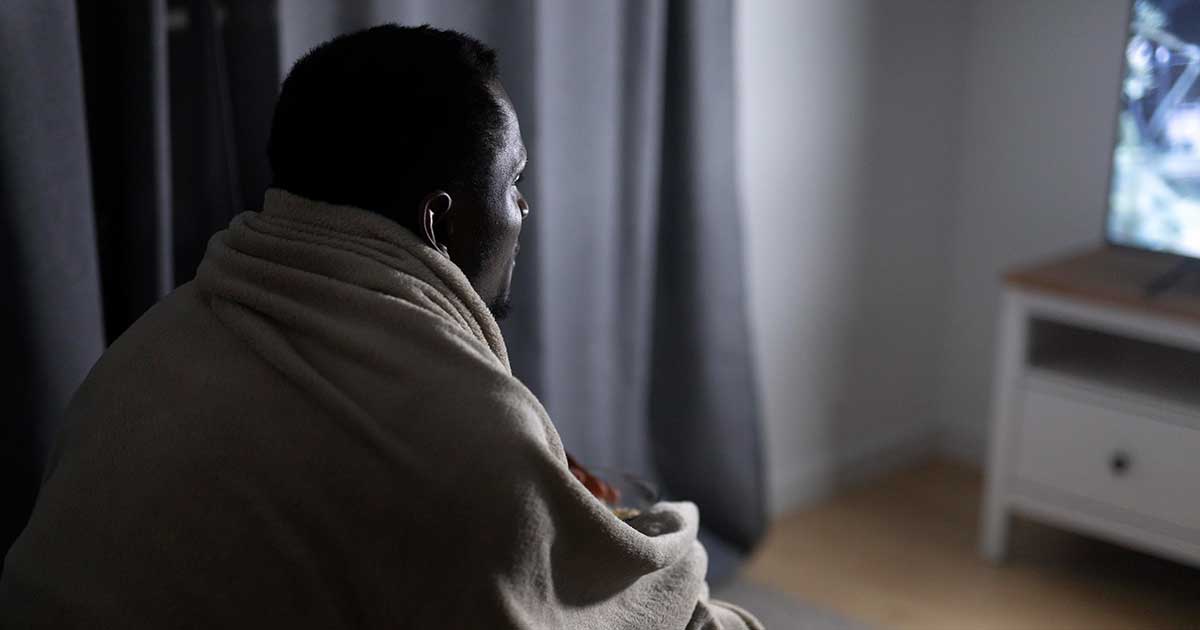
Anxiety paralysis is no joke, and it can sneak up on you when you least expect it. It’s that moment when anxiety hits you so hard that you feel completely stuck—unable to take a step forward or even think clearly. If you’ve ever found yourself frozen in a moment of stress, know that you’re not alone! Many people experience this overwhelming sensation, and it’s important to understand what causes it and how to tackle it head-on.
In this article, we’ll break down the phenomenon of anxiety paralysis and share some effective strategies to help you overcome it. Whether it’s a social situation, an exam, or just the daily grind that triggers your paralysis, we’ve got your back! Ready to regain control of your life? Let’s explore practical tips and tools that can help you escape the grip of anxiety and move forward with confidence!
Understanding Anxiety Paralysis: Causes and Symptoms
Anxiety paralysis is a surprising yet common experience for many, and understanding its causes and symptoms can be the first step towards effective management. Have you ever felt completely frozen, unable to move or think clearly when anxiety hits? This sensation can leave you feeling powerless and confused. Knowing what triggers this anxiety paralysis is crucial to overcoming it!
So, what causes this overwhelming feeling of being stuck? Anxiety paralysis often stems from excessive stress, overwhelming fear, or even unresolved trauma. When your mind perceives a threat—real or imagined—it can trigger the body’s fight-or-flight response. In cases of anxiety paralysis, instead of fighting or fleeing, your body simply locks up. This reaction can be quite disorienting!
Symptoms of anxiety paralysis can vary from person to person, but some common signs include a racing heart, difficulty breathing, and that pesky sense of dread. You might also experience feelings of detachment or a heavy weight on your chest. Sound familiar? Understanding these symptoms is important for recognizing when you or someone else is experiencing this intense condition.
Being aware of these symptoms doesn’t just inform you about anxiety paralysis, it empowers you to take action. Whether it’s practicing relaxation techniques or seeking support, arming yourself with knowledge can provide the tools you need to break free from this paralyzing grip. So, let’s turn this understanding into action and find ways to push through anxiety paralysis!
- Feeling completely frozen or unable to act
- Significant increases in heart rate and breathing
- Physical sensations like dizziness or nausea

Common Triggers of Anxiety Paralysis Explained
Anxiety paralysis can feel like a heavy weight holding you down, right? Understanding the common triggers that can set this off is a crucial step towards overcoming it. You might find that certain situations or thoughts unleash this paralyzing feeling, leaving you feeling stuck and overwhelmed. Let’s explore these triggers together and find some light at the end of the tunnel!
One major trigger for anxiety paralysis is pressure, whether it’s from work, relationships, or personal expectations. When you feel like you have to perform at an overwhelming level, it can instantly send your mind into a spiral. Ever been there—juggling deadlines and feeling the heat? It’s no surprise that this can lead to that paralyzing sense of dread!
Another culprit is fear of judgment. Are you constantly worried about what people might think? This can create an invisible barrier that prevents you from moving forward. The fear of saying or doing the wrong thing can trigger a freeze response. Isn’t it frustrating when you want to speak up but feel chained down by that fear? Break free from that mental cage!
Sometimes, physical environments can compound your anxiety. Being in a crowded space or an unfamiliar setting might kick your anxiety paralysis into high gear. It’s not just in your head; physical spaces play a huge role too! Have you ever felt your heart racing just because you were in a place that felt overwhelming?
Lastly, let’s not forget about negative self-talk. When your inner critic comes out to play, it can be a real downer. If you’re constantly beating yourself up over past mistakes or perceived failures, it can paralyze you from taking any type of action in the present. Shift those thoughts to focus on your strengths and see how your anxiety paralysis starts to lighten up!
Effective Strategies to Overcome Anxiety Paralysis
Overcoming anxiety paralysis isn’t just about willpower; it takes effective strategies that can really make a difference! If you’ve ever felt that seemingly immobilizing fear and tension, rest assured you’re not alone and there’s hope! Let’s dive into some powerful tips that can help you regain control and break free from these feelings.
First off, tackling anxiety paralysis starts with understanding your triggers. Keep a journal to jot down when you feel stuck. What were you doing? Who were you with? Recognizing patterns can help you prepare for those moments so you can handle them better next time. It’s like having a game plan ready when anxiety tries to throw you off course!
Next, practicing deep breathing can be a game changer. ️ When anxiety hits, your body goes into fight-or-flight mode, making your breath quick and shallow. Slow, deep breaths can calm your nervous system and help shift your focus. Try it out: inhale deeply through your nose, hold for a few, and exhale slowly through your mouth. Feel better already?
How about adding a dash of movement to your routine? Physical activity releases those glorious endorphins that help uplift your mood and reduce anxiety. Even a quick walk or some stretching can really help usher out those paralyzing feelings. Plus, you can combine this with your breathing exercises for double the benefit!
Establishing a support network is crucial too! Reach out to friends, family, or even support groups. Just talking about your feelings can dissolve a lot of the tension that builds up during anxiety paralysis. You don’t have to climb this mountain alone; let others help you on your journey!
Lastly, be gentle with yourself. Remember, it’s okay to have tough days. Celebrate even the smallest victories on your path to overcoming anxiety paralysis! Each step forward is a win! So, which of these strategies will you try first?
Therapies and Treatments for Managing Anxiety Paralysis
Managing anxiety paralysis can feel like an uphill battle, but there are various therapies and treatments available that can make a profound difference! Anxiety paralysis often occurs when overwhelming feelings of anxiety prevent you from taking action, leaving you stuck and frustrated. But don’t worry, there are ways to regain control and find your way out of that paralyzing state.
One of the most effective approaches is Cognitive Behavioral Therapy (CBT). This method helps you identify and challenge negative thought patterns that contribute to your anxiety paralysis. Have you ever thought, ‘What if I fail?’ CBT encourages you to replace those thoughts with more positive alternatives. You’ll soon learn to confront reality and make progress at your own pace!
Another fantastic option is Exposure Therapy. This treatment helps you gradually face your fears in a controlled environment, making those daunting situations less intimidating. Over time, you might even find that what once paralyzed you becomes a breeze! How amazing would that be?
Don’t forget about mind-body therapies, like yoga and meditation. These practices can help reduce anxiety and improve your mood. Imagine taking a deep breath while stretching out your body – it’s like hitting the reset button! Plus, the calming effects of these activities might just turn down that noise in your head.
- Cognitive Behavioral Therapy (CBT) – Tackle those negative beliefs head on!
- Exposure Therapy – Gradually face your fears and alleviate anxiety!
- Mind-body therapies like yoga & meditation – Relaxation is key!
In addition to these therapies, various medications can be prescribed to help ease anxiety paralysis. Always consult a healthcare professional to find the right options for you. The goal is to empower you to take control of your life and not let anxiety paralysis hold you back. Embrace the power to manage your anxiety!

Mindfulness Techniques to Combat Anxiety Paralysis
Mindfulness techniques are game-changers when it comes to tackling anxiety paralysis. Instead of feeling stuck in a sense of panic, these practices can help ground you and bring calm back to your mind. Who wouldn’t want that superpower?
One of the most effective mindfulness strategies is focused breathing. Simply take a moment to sit comfortably, close your eyes, and direct your attention to your breath. Inhale deeply through your nose for four counts, hold for four, then exhale slowly through your mouth for six. This technique not only calms your racing thoughts but also gets your body back in sync. It’s like giving your mind a refreshing reboot!
Another great approach is to practicing body scanning. This means mentally scanning your body from head to toe, noticing any areas of tension or discomfort. As you focus on each part, consciously relax those muscles. It’s incredible how much tension we carry, right? This simple exercise promotes relaxation and lets you reconnect with your physical self, helping to alleviate anxiety symptoms.
And let’s not forget about guided imagery! Picture yourself in a serene place—maybe a peaceful beach or a tranquil forest. Use your senses to make it vivid: What do you see? Hear? Smell? Immersing yourself in a calming scene can whisk you away from those anxiety-filled thoughts and lead you to a happier headspace. Visualization is really powerful!
- Focused Breathing
- Body Scanning
- Guided Imagery
Lastly, don’t underestimate the power of gratitude. Taking a few minutes each day to reflect on what you’re thankful for can reduce anxiety and shift your mindset. Try it—jot down three things that made you smile today. Want to boost your mental health? Incorporate these mindfulness techniques into your routine and you might just find your anxiety paralysis becoming a thing of the past!
Support Systems: Building Help for Anxiety Paralysis
Having a solid support system is like having a safety net when you’re dealing with anxiety paralysis. Trust me, when anxiety hits and it feels like your brain is stuck in quicksand, knowing you’ve got people around you who care can make all the difference. So, what does a strong support system look like, and how can it help you navigate through those tough times?
First off, it’s essential to identify the people in your life who uplift you and help you feel grounded. This could be friends, family, or even support groups focused on mental health. Surrounding yourself with positive influences can empower you to express your feelings and fears without judgment. Remember, it’s totally okay to lean on someone when anxiety paralysis strikes! But have you considered who you can turn to?
Communication is key when building these support systems. Sharing what you’re going through can be a game changer! You might be surprised at how willing others are to help. Not to mention, talking about your struggles—not just your victories—can foster deeper, more authentic relationships. This creates an environment where you can openly discuss your experience with anxiety paralysis.
- Join a local or online support group to connect with others who understand your struggles.
- Consider talking to a therapist who can guide you in managing your anxiety.
- Set up regular check-ins with close friends or family to discuss your feelings.
Lastly, remember that building a strong support system takes time. It’s a relationship-building process, and be patient with yourself! Each conversation and each moment shared brings you closer to overcoming anxiety paralysis together. So next time you’re feeling overwhelmed, reach out—because you don’t have to face this battle alone!
Final Thoughts: What Is Anxiety Paralysis and How to Overcome It?
To wrap it all up, understanding anxiety paralysis is the first step towards overcoming it. It can feel overwhelming, but remember, you’re not alone in this. Recognizing the symptoms and triggers can arm you with the knowledge you need to tackle this challenge head-on.
We’ve laid out some practical strategies and therapies that can help you effectively manage anxiety paralysis. From mindfulness techniques to building strong support systems, each step you take contributes to your healing journey. So, what steps will you take today? Let’s take those first moves together!










