Curious about the 12-Panel Drug Test? You’ve come to the right place! This comprehensive guide will unravel the mysteries behind what substances are detected and how these tests work. Whether you’re facing a drug screening for a job, or just want to know what to expect, we’ve got you covered. It’s important to stay informed, right? Knowing what shows up on a drug test can not only help you prepare but also give you peace of mind.
The 12-Panel Drug Test checks for a wide range of substances, from common drugs like marijuana and cocaine to prescription medications. Understanding this test can be a game-changer, especially if you’re worried about unexpected results. Want to find out about the substances tested and how the results are interpreted? Let’s dig in and explore the details of this crucial topic together!
Understanding 12-Panel Drug Test: An Overview and Purpose
The 12-Panel Drug Test is an essential tool used in various fields, from employment screenings to medical evaluations. But what exactly does it entail? This test screens for a wide range of substances, offering a comprehensive overview of someone’s recent drug use. Not only does it identify the drugs consumed, but it also highlights patterns that might be alarming for one’s health or well-being. Have you ever thought about how much information can be gleaned from just a single test?
Understanding the purpose of the 12-Panel Drug Test is crucial! It’s not just about identifying drug use; it’s also about promoting health and safety. Organizations often use this test to maintain a drug-free workplace, which can create a more productive environment. Similarly, healthcare professionals may utilize it to guide treatment plans for individuals dealing with addiction or substance abuse. Isn’t it great that such tests can pave the way for recovery and support?
- The wide array of substances tested, including opioids, cocaine, and marijuana.
- The role it plays in workplace safety and legal compliance.
- The importance of fostering an open dialogue around drug use and mental health.
Common Substances Detected in a 12-Panel Drug Test
When it comes to a 12-panel drug test, knowing what substances are commonly detected can be super helpful! This test checks for a range of drugs, so let’s dive into the specifics that you should be aware of. From prescription medications to recreational drugs, the 12-panel test covers a lot of ground.
The most common substances detected include: marijuana, cocaine, opiates, amphetamines, methamphetamines, PCP, barbiturates, benzodiazepines, methadone, tricyclic antidepressants, MDMA (ecstasy), and NICOTINE. Wow, that’s quite a list, right?
Each of these substances has its unique psychoactive effects, which is why they’re tested for! For example, marijuana is often the most recognized, but did you know opioids can also come from prescribed medications like painkillers? It’s all about understanding the context behind these results. Have you ever thought about how these substances can impact mental health recovery?
- Marijuana – Naturally sourced from the cannabis plant.
- Cocaine – A powerful stimulant derived from coca leaves.
- Opiates – Includes drugs like morphine and codeine, often used for pain relief.
- Amphetamines – Stimulants that can increase alertness and concentration.
- Benzodiazepines – Prescription medications for anxiety and sleep disorders.
Understanding which substances can show up helps in preparing for the test and managing any implications from the results. How informed do you feel now about what’s being screened for during a 12-panel drug test?
How Accurate is a 12-Panel Drug Test: Key Considerations
When it comes to the accuracy of a 12-Panel Drug Test, there are several key factors you need to be aware of! These tests are designed to detect various substances, but their precision can vary based on a variety of elements. So, are they foolproof? Not quite! For starters, the timing of the test in relation to drug use plays a significant role. The sooner the test is taken after substance use, the more likely it is to produce accurate results.
Another crucial factor is the sensitivity of the test itself. Different panels have different levels of sensitivity for various substances. Some drugs might only show up if they’re present in significant amounts, leading to potential false negatives. In contrast, certain medications can trigger false positives. Can you believe that? It’s essential to know what the test is actually screening for and whether it interacts with any medications you might be taking!
- Timing of drug use in relation to the test.
- Sensitivity and specificity of the test panel.
- Interactions with prescription medications.
Lastly, the method of testing—urine, saliva, hair, or blood—can also impact accuracy. Each method has its own detection window and accuracy levels, which is something you might want to consider. If you’re preparing for a drug test, it’s best to get familiar with these aspects. After all, knowledge is power, right?
Interpreting 12-Panel Drug Test Results for Users
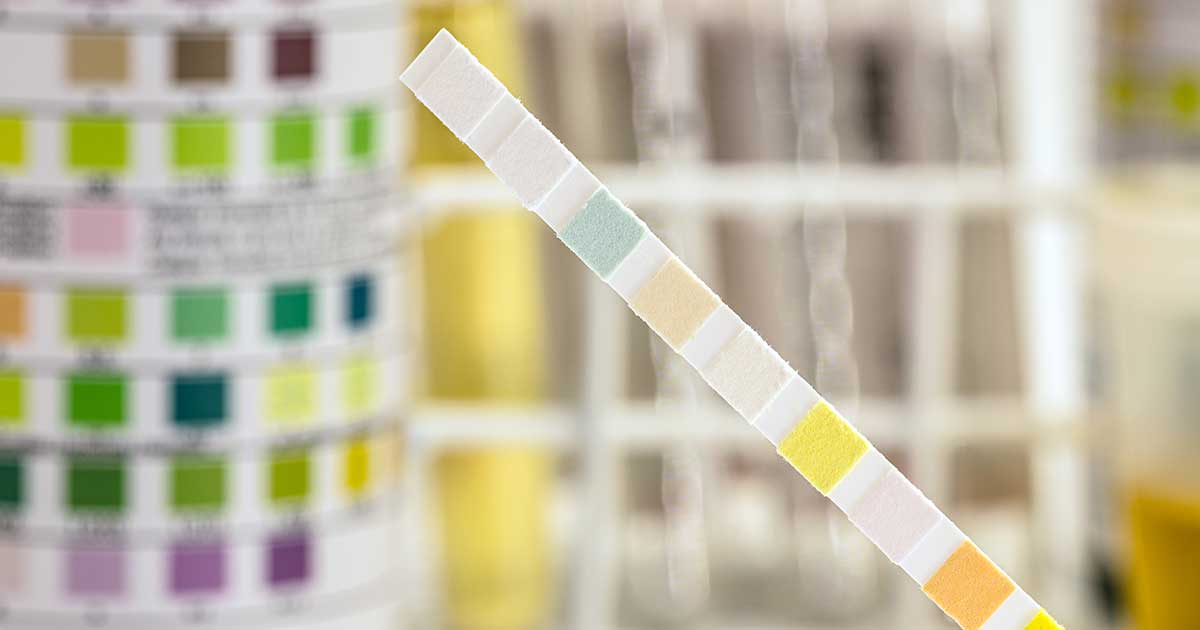
Interpreting the results of a 12-panel drug test can feel like staring at a puzzle missing a few pieces. But don’t fret! Understanding what those little lines and shades mean can be super straightforward. Typically, the test results are displayed as lines in a test window, where each line indicates whether a particular drug has been detected in your system or not. A single line often means negative, while two lines usually mean positive. Sound simple enough, right?
However, it’s crucial to know that not all test results are black and white. Some drugs can hang around in your system longer than others, leading to confusion. Did you know that substances like THC can stick around for weeks? So, if someone who occasionally enjoys cannabis takes a test, they might be sweating bullets over their results! Have you ever experienced a shock from unexpected test results?
- Positive: You see two lines; this indicates a presence of the drug.
- Negative: A single line means the drug is likely absent.
- Invalid: If no lines appear, this could mean there was an issue with the test itself.
It’s also worth noting that false positives or negatives can occur due to various factors, including cross-reactivity with other substances. So if your friend’s taking some medication and their test pops positive for something they didn’t take, it can be a wild ride. Always ensure to follow up with a healthcare professional for confirmation if needed!
Factors That Can Affect 12-Panel Drug Test Outcomes
Several factors can significantly impact the outcomes of a 12-Panel Drug Test, and understanding these can help users navigate the process more effectively. For instance, individual metabolism plays a big role! Did you know that faster metabolisms may eliminate drugs more quickly? This can lead to different results than someone with a slower metabolism.
Another crucial factor is hydration. When someone drinks a lot of water before the test, it can dilute their urine. This dilution can lead to false negatives or inconclusive results. So, if you’re looking to ensure accurate results, balance is key. How much water do you usually drink before a test?
Medications you’re taking can also affect the test outcome. Some prescription drugs or over-the-counter medications might show up as false positives. For instance, if you’ve been on antidepressants or painkillers, those can interact in unexpected ways. That’s why it’s always wise to keep your healthcare provider informed about the tests you are taking.
- Metabolism Rate – Fast or Slow?
- Hydration Levels – Dilute vs. Concentrated Urine
- Medications – Prescription and Over-the-Counter Effects
- Body Mass – Fat and Muscle Tissue Storage
- Frequency of Use – Regular Users vs. Occasional Users

Preparing for a 12-Panel Drug Test: Tips and Advice
Preparing for a 12-Panel Drug Test can feel a bit daunting, but don’t worry! With a little bit of knowledge and preparation, you can walk into that testing center feeling confident. First off, knowing what to expect can make a huge difference. Did you know that different substances linger in your system for varying lengths of time? Being aware of this can help you gauge your readiness.
Here are some tips to help you ace your 12-Panel Drug Test: Stay Hydrated! Drinking ample water can help flush out toxins, but please don’t overdo it; you don’t want to dilute your sample excessively. Secondly, consider your diet. Eating healthy, whole foods and avoiding processed junk can boost your body’s ability to detox. Also, try to get enough sleep – yes, rest is vital for recovery and better overall health!
- Stay well-hydrated but avoid overdoing it.
- Eat a balanced diet with lots of fruits and veggies.
- Get enough sleep and reduce stress.
Another cool tip? If you know when the test is scheduled, give yourself time to prepare by reducing any substances that you know might be tested for. Instead of panicking, take control of the situation. Ask yourself, are there any particular substances that I should avoid entirely? This proactive approach can really help ease your mind.
Common Questions
What is shown on a 12-panel drug test?
A 12-panel drug test is designed to detect a wide range of commonly abused substances. Typically, it screens for drugs such as amphetamines, cocaine, marijuana, opiates, phencyclidine (PCP), and benzodiazepines, among others. The specific substances tested can vary slightly depending on the manufacturer of the test, but the general goal is to provide a comprehensive analysis of a person’s drug use.
What is Drugs of Abuse panel 12 drug panel?
The Drugs of Abuse panel 12 drug panel is a specific set of drug tests that assess the presence of twelve different substances and their metabolites in biological specimens, primarily urine. This panel is particularly useful for employers, rehabilitation facilities, and clinics monitoring drug use as it provides a thorough insight into potential substance abuse issues.
How much urine is needed for a 12-panel drug test?
Typically, a 12-panel drug test requires about 30 to 60 milliliters of urine for accurate analysis. The specific amount can vary depending on the testing facility and the protocols they follow, but it is generally a small specimen needed for effective testing of multiple substances.
Does a 12-panel drug test test for CBD?
Most standard 12-panel drug tests do not specifically test for cannabidiol (CBD), as it is not one of the substances included in many drug testing panels. However, because some CBD products can contain trace amounts of tetrahydrocannabinol (THC), the psychoactive compound in cannabis, it is possible that high levels of CBD could lead to a positive test for THC.
Importance of a 12-Panel Drug Test in Health and Recovery
Understanding the importance of a 12-panel drug test in health and recovery can be a game-changer for those on their journey to sobriety. This test isn’t just a simple check; it’s a crucial tool that can offer insights into a person’s substance use, paving the way for targeted treatment plans. Have you ever thought about how something as straightforward as a drug test could significantly impact recovery strategies?
The 12-panel Drug Test screens for a wide range of substances, including common drugs like cocaine, marijuana, and opioids. This means it provides a comprehensive overview of what one might be battling. The results help healthcare providers and counselors grasp the extent of substance use and fine-tune recovery methods accordingly. With such clarity, isn’t it amazing how much this test can enhance a recovery program?
- Identifies presence or absence of drugs
- Aids in customized treatment plans
- Helps monitor progress during recovery
Moreover, regular testing fosters accountability. It can remind individuals of their commitments and reinforce their focus on recovery goals. Imagine having that extra motivation to stay on track! So, when considering recovery, prioritizing a 12-Panel Drug Test isn’t just about compliance; it’s about empowering one’s journey in mental health and well-being.
Wrapping Up: What Shows Up on a 12-Panel Drug Test?
Understanding the ins and outs of a 12-Panel Drug Test is crucial, especially if you’re looking to stay informed about substance detection in your life or someone close to you. From learning about the substances it tests for to how results are interpreted, this article has equipped you with essential knowledge! Isn’t it empowering to understand how such tests work?
With accurate tips on preparation and insights into factors that could influence results, you now have the tools to navigate the complexities of drug testing. Remember, knowing what to expect can lead to better health decisions and a smoother recovery process. If you want to dive into more topics on mental health and recovery in the future, stick with us! What other subjects are you curious about?