Krokodil, a name that strikes fear into the hearts of many, is not just another drug—it’s a potent and alarming substance that can have devastating effects on its users. Have you heard the horror stories surrounding this lethal opioid? In this article, we’re going to delve deep into what Krokodil is, how it affects the body and mind, and the serious risks associated with its use.
Understanding Krokodil is crucial not just for those who might encounter it, but for friends and family members who want to be informed. This synthetic drug is infamous for causing severe tissues damage, making it a bleak subject. But knowledge is power! By exploring its effects and risks, we aim to shed light on this dangerous trend, help raise awareness, and hopefully prevent even one person from falling into its trap. So, let’s tackle the burning questions: What makes Krokodil so addictive? What are its health impacts? Join us as we uncover the stark realities behind this fearsome drug!
Understanding Krokodil: Origins and Chemical Makeup
Krokodil, a name that many might find troubling, actually comes from the Russian word for ‘crocodile.’ Why? Well, let’s just say it reflects the bizarre, scaly skin changes that can occur from using this potent drug. Understanding Krokodil means digging deep into its origins and chemical structure, and it’s just as fascinating as it is alarming. How did this dangerous substance come about in the first place?
First synthesized in the early 1930s, Krokodil is actually a homemade version of desomorphine, a prescription opioid. But here’s a twist: it’s often produced using readily available drugs like codeine, combined with various toxic chemicals. Think of solvents, gasoline, and even household cleaners! ️ When mixed, these ingredients create a substance that packs a punch, but not the kind you’d want to feel. Can you imagine injecting that?
The chemical makeup of Krokodil is reckless. The combination of codeine and the dangerous chemicals used in its production not only makes it incredibly potent, but also leaves behind a toxic residue. This residue can lead to devastating health effects, including severe tissue damage and skin infections. Users often endure unimaginable pain and risk of necrosis – not exactly a fun time, right?
- Krokodil is a homemade opioid derived from codeine.
- Its production involves hazardous chemicals.
- Users can suffer from severe health complications.
To wrap it up, Krokodil’s origins and chemical makeup serve as a stark reminder of how dangerous DIY drug culture can be. While the allure of a strong high might seem tempting, the risks associated with Krokodil usage far outweigh any momentary escape it could provide. Have you learned something new about this terrifying substance?
Exploring Krokodil’s Effects on the Body and Mind
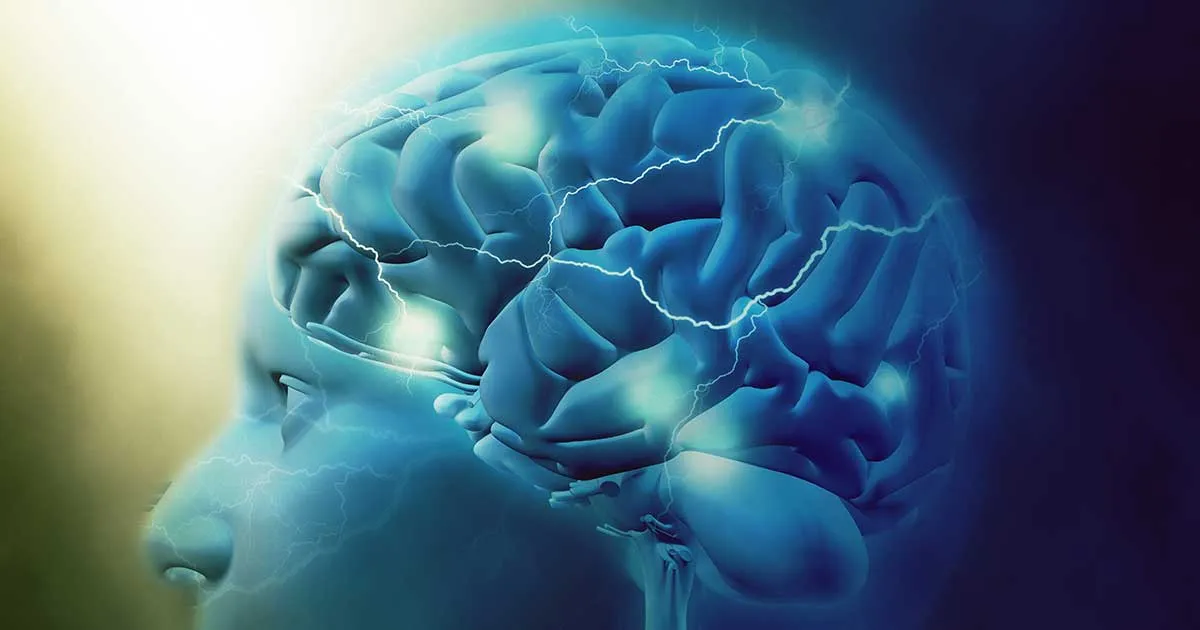
Krokodil, also known as desomorphine, packs a punch with its effects on both the body and mind. This synthetic opioid is notorious for causing intense euphoria quickly, but oh boy, the aftermath isn’t pretty! How does something that seems enticing on the surface turn into such a nightmare? Let’s break it down!
When Krokodil enters the system, it rapidly binds to opioid receptors in the brain, flooding it with dopamine. This gives users a feeling of warmth and pleasure, often described as a high that some might find hard to resist. It’s one of those moments where you think, ‘Wow, this feels amazing!’ But that initial rush is followed by a cruel dip, plunging users into a downward spiral that can lead to severe addiction.
The physical effects are where Krokodil’s dark side really kicks in. Common experiences include intense itching, skin ulcerations, and the infamous greenish, scaly skin that gives the drug its name (translated from Russian: crocodile). Krokodil essentially dissolves the body from within. Can you imagine the horror of watching your own body deteriorate? It’s a stark reminder that not all highs come without a price!
Not only does Krokodil ravage your body, but it also messes with your mind. Users often report mood swings, paranoia, and even hallucinations. The mental impact can be crippling, leading to behaviors that can harm oneself and others. If you’re thinking about how Krokodil affects mental health, it’s crucial to understand this: addiction isn’t just about physical dependence; it’s a serious mental health crisis.
- Intense euphoria followed by a significant crash
- Severe skin issues, including ulcerations
- Mood swings, paranoia, and hallucinations
Health Risks Associated with Krokodil Abuse and Use
Krokodil is not just a name—it represents a whirlwind of dangers and devastating health risks associated with its abuse. This drug can lead to some serious physical and mental health issues that we simply can’t overlook. Have you ever thought about what happens to your body after using Krokodil? Let’s dive into the grim reality.
First off, the most alarming issue is the severe damage it can cause to your skin and tissues. Users often experience severe tissue necrosis—this isn’t just fancy medical jargon; it means that the skin and underlying tissues start dying! This usually results in gaping sores that can lead to amputations in extreme cases. Scary, right?
But that’s not all! Krokodil can also wreak havoc on your internal organs. The chemicals found in this drug are not friendly. The corrosive nature of Krokodil can lead to organ failure, liver damage, and even heart problems. Can you imagine the toll this takes on someone in such a short time? It’s a harsh wake-up call for anyone thinking they can manage their drug use.
Let’s not forget about the risk of infections. Due to the harmful substances injected into the body to get that Krokodil high, users are sitting ducks for infections. Bacterial infections can turn life-threatening quickly, and we’re talking about risks like HIV and Hepatitis! It’s essential to recognize that Krokodil doesn’t just impact the user; it affects everyone around them as well.
Mental health also takes a nosedive with Krokodil use. Users can experience extreme mood swings, paranoia, and hallucinations. Feeling alone in this struggle? You’re definitely not! Many find themselves trapped in a cycle of addiction, which can eventually spiral into more serious psychological issues. How can anyone enjoy life when Krokodil blurs the line between reality and madness?
Ultimately, the health risks associated with Krokodil abuse are staggering. Recognizing these dangers is the first step toward making informed choices. So, are you or someone you know grappling with this issue? Knowledge is power!

Recognizing Krokodil Addiction: Symptoms and Signs
Recognizing Krokodil addiction can be a game changer when it comes to getting the right help. So, what should you be on the lookout for? Symptoms and signs often manifest in ways that are hard to ignore. From physical changes to behavioral shifts, knowing what to spot is key to addressing this dangerous addiction.
Common symptoms of Krokodil use include severe physical deterioration. Users often display noticeable skin infections and abscesses due to the drug’s corrosive properties. Have you noticed any unusual wounds that seem out of nowhere? These can be telltale signs. Plus, the drug is known to cause an array of extreme side effects such as intense drowsiness, confusion, and rapid mood swings. If someone is going through drastic emotional changes, it could be a red flag.
- Skin issues, including infections and sores
- Significant weight loss and poor hygiene
- Changes in sleep patterns and mood swings
Apart from the physical indicators, behavioral signs are just as crucial in identifying Krokodil addiction. Individuals might withdraw from relationships and social activities, opting for isolation instead. Have they stopped caring about their hobbies or interests? This shift can point to deeper issues. Additionally, increased secrecy or lying about activities can indicate the grip of addiction.
Lastly, it’s vital to understand the signs of withdrawal since they can be incredibly challenging to face. Symptoms can include nausea, vomiting, and severe cravings. Recognizing these signs early on can pave the way to seeking help and starting the recovery process. Remember, if you notice these symptoms in yourself or someone else, reaching out for professional help is an essential step!
Treatment Options for Krokodil Addiction Recovery
When it comes to facing Krokodil addiction, understanding the treatment options available can make a world of difference. If you or someone you know is grappling with this dangerous drug, it’s crucial to know that there is hope and support out there! From detoxification to therapy, a variety of treatments can help guide individuals on their path to recovery.
The first step in tackling Krokodil addiction typically involves a medically supervised detox. This is no walk in the park, but it’s important to clear the drug from your system safely. Under the watchful eyes of healthcare professionals, you’ll receive the necessary support to manage withdrawal symptoms, which can be pretty intense. Have you ever seen someone go through detox? It’s a challenging experience, but it’s absolutely vital for a healthy recovery!
Once detox is complete, the next phase often includes behavioral therapy. These sessions are designed to not just help you overcome cravings but also to dive deep into the underlying issues that may have contributed to your addiction. Cognitive Behavioral Therapy (CBT) and group therapy can be excellent tools in this phase. Healing doesn’t just happen overnight, but with the right support system, it can definitely happen! What kind of support do you think would help the most?
- Individual Counseling
- Group Therapy
- Holistic Approaches like Yoga or Meditation
- Support Groups
It’s also crucial to keep in mind aftercare programs. Recovery doesn’t end when the treatment does. Ongoing support, like 12-step programs or continued therapy, can be key to staying sober long-term. Engaging with a community that understands your journey can also provide that extra push you need to stay on the right track. Remember, recovering from Krokodil addiction is not just about quitting; it’s about rebuilding your life in a healthier way!
Final Thoughts: What Is Krokodil?
Understanding Krokodil is crucial, especially given its severe effects and risks. This powerful substance, often overlooked, can lead to devastating consequences for users. If you or someone you know is impacted by Krokodil, it’s important to seek help and guidance. Remember, knowledge is the first step towards recovery and healing!
The health risks associated with Krokodil abuse should not be underestimated, as they can affect both the body and mind. This journey into the world of Krokodil is not just about identifying the drug but also understanding the fight against addiction. Recognizing symptoms and seeking treatment can lead to a path of recovery. Are you ready to take the necessary steps to ensure a healthier future?